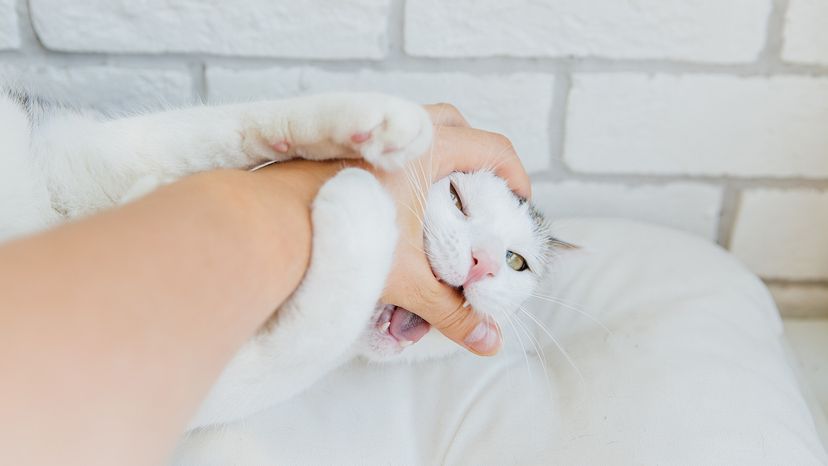
Have you ever noticed your cat nipping at you while grooming? It can be confusing and even a little painful.
You might wonder, “Do cats bite when they groom because they’re upset, or is it just part of their natural behavior? ” Understanding why your furry friend sometimes uses their teeth during grooming can help you build a stronger bond and keep those unexpected bites from ruining your cuddle time.
Keep reading to discover the surprising reasons behind this behavior and learn how to respond the right way.
Why Cats Groom
Cats spend a large part of their day grooming themselves. This behavior is natural and important for their health and happiness. Grooming helps cats stay clean and feel comfortable. It also plays a role in their social life and emotions.
Purpose Of Grooming
Cats lick their fur to remove dirt and loose hair. This keeps their coat smooth and shiny. Grooming also helps cats cool down by spreading saliva on their fur. It can reduce stress and calm them during tense moments. Grooming prevents skin problems by removing parasites and dead skin.
Grooming And Social Bonds
Cats groom each other to show trust and friendship. This act is called allogrooming. It strengthens the bond between cats in the same family or group. Grooming helps cats feel safe and loved. It also lowers tension and reduces fights among them.
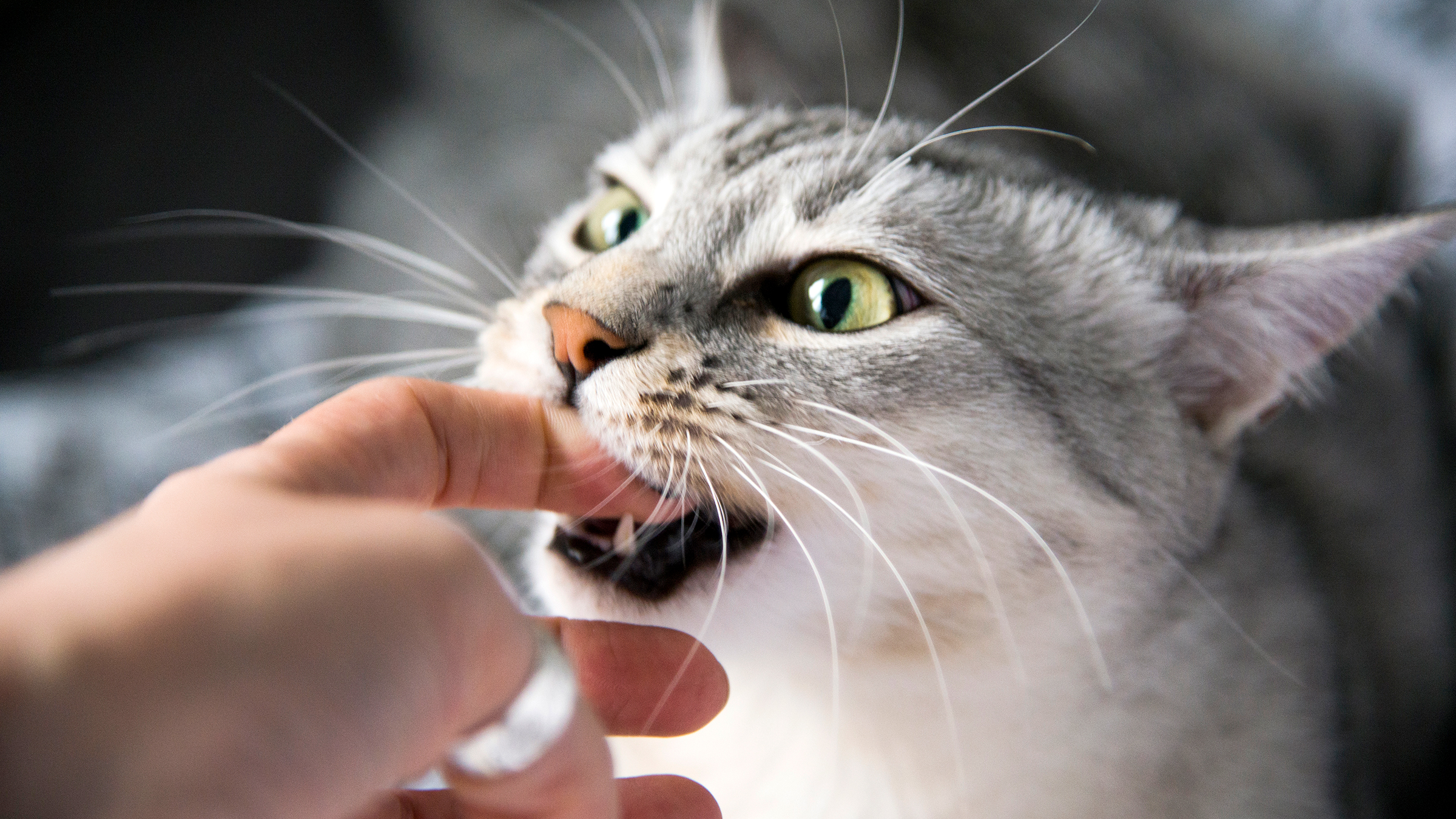
Credit: www.goodrx.com
Common Cat Grooming Behaviors
Understanding common cat grooming behaviors helps you recognize what’s normal and what might indicate discomfort or stress. Grooming isn’t just about cleanliness; it’s a key part of how cats communicate and bond. Noticing the subtle differences in their grooming habits can change how you interpret their actions around you and other pets.
Self-grooming Patterns
Cats spend a large part of their day grooming themselves. They use their tongues to clean their fur, remove loose hair, and regulate body temperature. You might see your cat licking in a rhythmic, repetitive way, which is a sign of relaxation and comfort.
However, if you notice excessive licking or biting at the same spot, it could mean irritation or anxiety. Have you ever caught your cat biting their fur sharply? That’s often a reaction to an itch or discomfort rather than aggression.
Grooming Other Cats
Cats often groom each other to strengthen social bonds. This behavior, called allogrooming, shows trust and friendship. If your cats groom each other gently, it’s a positive sign they feel safe and connected.
Occasionally, you might notice a quick nip during grooming. This isn’t usually a bite meant to hurt but a way to get the other cat’s attention or to set limits. Have you observed these gentle bites between your cats? It’s their way of communicating boundaries.
Grooming Humans
When cats lick or nibble on you, they’re often showing affection or including you in their social group. These grooming gestures can feel surprising if you’re not used to them. A gentle nip during grooming isn’t a warning but a playful or tender gesture.
If your cat bites hard during grooming, it might mean they’ve become overstimulated or uncomfortable. Pay attention to their body language to avoid crossing their limits. How does your cat show they’ve had enough during these moments?
Do Cats Bite While Grooming
Cats use grooming to clean their fur and bond with others. Sometimes, during grooming, cats may bite. These bites are usually not aggressive. Understanding why cats bite while grooming helps in reading their behavior better.
Gentle Nibbles Vs. Bites
Cats often give gentle nibbles during grooming. These nibbles feel soft and are part of their care routine. They help remove dirt or loose fur.
Strong bites are different. They can cause pain and may mean the cat feels annoyed or stressed. A hard bite usually signals the cat wants to stop grooming or play.
Watch the cat’s body language. Relaxed cats use gentle nibbles. Tense cats may use harder bites.
Reasons Behind Grooming Bites
- Overstimulation: Too much grooming can make cats uncomfortable.
- Ticklish Spots: Some areas are sensitive and cause cats to bite.
- Communication: Biting can be a way to say “stop” or “enough.”
- Playfulness: Young cats may bite lightly during grooming as a game.
- Health Issues: Pain or skin problems can cause cats to bite when touched.
Understanding these reasons helps in responding to your cat’s signals. Respecting their limits keeps grooming pleasant for both.
When Grooming Turns Aggressive
Grooming is a natural and loving behavior for cats. It helps them bond and stay clean. But sometimes, grooming can turn aggressive. This change can confuse cat owners. Understanding why cats bite during grooming is important. It helps keep both you and your cat safe and happy.
Signs Of Overstimulation
Cats have limits on how much touch they can handle. Overstimulation happens when grooming lasts too long. Your cat might twitch its tail or flatten its ears. Sudden movements or growling show discomfort. Watch for quick changes in behavior. These signs mean your cat needs a break.
Pain Or Discomfort Triggers
Grooming can hurt if your cat has sore spots. Skin infections, wounds, or mats cause pain. Biting during grooming may be a way to say “stop.” Be gentle and check for any injuries. Avoid rough brushing near sensitive areas.
Territorial Or Dominance Behavior
Sometimes, biting is about control. Cats may bite to show dominance during grooming. This behavior can occur between cats or with humans. Respect your cat’s boundaries. Let them decide when grooming ends. This reduces stress and aggressive bites.
How To Respond To Grooming Bites
Knowing how to respond to grooming bites is essential for maintaining a healthy bond with your cat. These gentle nips often confuse cat owners, but they can be a form of communication or a sign that your cat needs a break. Understanding and reacting correctly helps prevent bites from escalating and keeps grooming sessions pleasant for both of you.
Reading Cat’s Body Language
Pay close attention to your cat’s body language during grooming. Signs like twitching tail tips, flattened ears, or a sudden pause in purring may indicate discomfort or overstimulation.
If your cat’s eyes narrow or it starts to shift away, these are subtle warnings that a bite might be coming. Recognizing these cues early allows you to stop before the bite happens, keeping the interaction positive.
Setting Boundaries
It’s important to teach your cat what is acceptable during grooming. If your cat bites, calmly say “no” or “ouch” and gently stop the session.
Consistency is key. Over time, your cat will learn that biting ends the fun, helping reduce unwanted nips. Have you noticed how your cat reacts when you pause grooming abruptly?
Redirecting Behavior
If your cat starts to bite, try redirecting its attention to a toy or a scratching post. This shifts the focus from biting you to something more appropriate.
Using treats or praise when your cat stays calm during grooming reinforces good behavior. Have you tried offering a favorite toy right after a bite to distract and reward better habits?
Preventing Unwanted Grooming Bites
Cats might bite during grooming to express affection or discomfort. Understanding their behavior can prevent unwanted bites. Recognize signs of irritation, like twitching tails or flattened ears, to stop grooming before a bite happens.
Preventing Unwanted Grooming Bites Cats are known for their meticulous grooming habits, but sometimes, those gentle licks can turn into unexpected nips. These bites, while often harmless, can be startling and unpleasant. Fortunately, there are several strategies you can employ to minimize these unwanted grooming bites and ensure a harmonious relationship with your feline friend.Regular Play And Exercise
Engaging your cat in regular play sessions can significantly reduce the likelihood of grooming bites. Cats often bite due to pent-up energy, and providing them with ample opportunities to play can help redirect that energy. Use interactive toys like feather wands or laser pointers to satisfy their hunting instincts. Consider setting aside dedicated playtime each day. A short 15-minute session can work wonders for your cat’s mood and behavior. This can also strengthen the bond between you and your pet, making them less likely to exhibit unwanted behaviors.Stress Reduction Techniques
Stress can be a major trigger for grooming bites. Cats are sensitive creatures, and changes in their environment can lead to anxiety. Identifying and addressing potential stressors can help mitigate this behavior. Create a calm and secure environment for your cat. This might involve providing hiding spots, using calming sprays, or maintaining a consistent routine. Observing your cat’s behavior can offer clues on what might be causing stress and how to alleviate it.Proper Handling And Interaction
How you handle and interact with your cat can influence their grooming behavior. Gentle and respectful handling can prevent bites associated with grooming. Always approach your cat calmly, allowing them to initiate interactions. Pay attention to your cat’s body language. If they seem tense or agitated, give them space. Understanding their signals can help you avoid situations where they might feel the need to bite. Preventing unwanted grooming bites involves a blend of play, stress management, and mindful interaction. By addressing these areas, you can foster a peaceful and trusting relationship with your cat.When To Seek Veterinary Advice
Knowing when to seek veterinary advice about your cat’s grooming behavior is crucial. While occasional gentle nibbles are normal, biting can sometimes signal deeper issues. Understanding when to get professional help can keep your cat healthy and happy.
Persistent Aggression
If your cat’s grooming bites turn aggressive and don’t stop, it’s a red flag. Persistent biting that causes injury or distress isn’t typical grooming behavior. You should watch for signs like growling, hissing, or sudden mood changes during grooming sessions.
Has your cat started biting harder or more often than usual? This could mean something is bothering them physically or emotionally. Don’t ignore repeated aggressive behavior—it’s time to consult your vet to rule out pain or anxiety.
Health Issues Affecting Behavior
Sometimes, biting during grooming points to an underlying health problem. Skin infections, allergies, or dental pain can make your cat sensitive and cause them to bite. Even internal issues like arthritis may make grooming uncomfortable, leading to biting as a defense.
Pay attention if your cat scratches excessively or if their fur looks patchy or irritated. These signs often indicate health problems that require veterinary care. Your vet can help identify the cause and recommend treatments to ease your cat’s discomfort.

Credit: www.reddit.com

Credit: www.reddit.com
Frequently Asked Questions
Why Do Cats Sometimes Bite When They Groom?
Cats may bite gently while grooming to show affection or establish social bonds. This behavior is usually playful and not aggressive.
Is Biting During Grooming A Sign Of Aggression?
No, biting during grooming is typically gentle and a form of communication, not aggression. It helps cats bond and share scents.
How Can I Stop My Cat From Biting During Grooming?
Redirect your cat’s attention with toys or treats. Groom gently and watch for signs of overstimulation to prevent biting.
Do Cats Groom Each Other By Biting?
Yes, cats use gentle biting to clean hard-to-reach areas on each other during mutual grooming. It’s a social and caring behavior.
Conclusion
Cats may nip gently during grooming to show care or clean hard spots. This behavior is usually soft and not meant to hurt. Watch your cat’s body language to understand their mood better. If bites become hard or frequent, it might signal stress or discomfort.
Giving your cat space and gentle attention helps build trust. Remember, grooming bites are often a part of normal cat behavior. Knowing this can make living with your feline friend easier and more enjoyable.




Leave a Reply