Are you curious about which cat breeds are likely to be your loyal companions for many years? Knowing which cats live the longest can help you make a choice that fits your hopes for a lasting friendship.
Imagine enjoying countless playful moments and quiet cuddles with a furry friend who stays healthy and happy well into their senior years. You’ll discover the cat breeds known for their impressive lifespans and what makes them special. Keep reading to find out which feline might be your perfect, long-lasting companion.
Factors Affecting Cat Lifespan
Understanding the factors that affect a cat’s lifespan can help you provide the best care for your feline friend. Several elements play a crucial role in how long your cat may live, ranging from their genetic makeup to the environment you provide. Knowing these can guide you in making choices that promote longevity and health.
Genetics And Breed Traits
Some cat breeds naturally live longer due to their genetic traits. For example, Siamese and Burmese cats often reach their late teens or early twenties, while larger breeds like Maine Coons may have shorter lifespans. Your cat’s family history can reveal predispositions to certain health issues, so it’s worth asking breeders or shelters about this.
Have you ever wondered why some cats age gracefully while others face health problems early on? Genetics partly answers that question, but it’s not the whole story. Even cats from breeds with shorter average lifespans can thrive with the right care.
Diet And Nutrition
Your cat’s diet directly influences its health and longevity. Feeding high-quality food that meets their nutritional needs helps maintain their weight, energy, and immune system. Avoiding low-grade fillers and harmful additives can reduce risks of obesity and chronic diseases.
Think about your own diet—would you want to live your best life on junk food? The same principle applies to your cat. Regularly reviewing and adjusting their diet as they age can make a big difference in how long they stay healthy.
Healthcare And Veterinary Care
Regular veterinary check-ups catch health problems early, which can extend your cat’s life. Vaccinations, parasite control, and dental care are essential parts of preventive healthcare. Addressing illnesses promptly keeps minor issues from becoming serious.
Have you noticed how cats often hide pain? This makes routine vet visits even more important. Your proactive approach can detect subtle changes before they affect your cat’s quality of life.
Living Environment
A safe and stimulating environment contributes significantly to a cat’s lifespan. Indoor cats generally live longer than outdoor cats due to fewer risks like accidents, predators, or infectious diseases. Enriching their space with toys and climbing areas also supports mental and physical health.
Consider how stress affects humans—isn’t it reasonable to assume your cat feels the same? A calm, clean, and loving home gives your cat the best chance to live a long and happy life.
Siamese Cats
Siamese cats are known for their striking blue eyes and sleek, elegant bodies. They are one of the oldest and most recognizable cat breeds. Beyond their beauty, they often surprise owners with their lively personality and remarkable longevity.
Average Lifespan
Siamese cats typically live between 12 and 20 years, with some even reaching beyond 20 years with proper care.
This lifespan is longer than many other breeds, making them a great choice if you want a long-term feline companion.
Have you ever met a Siamese cat that seemed forever young? Their long life often means you’ll share many memories together.
Health Characteristics
Siamese cats are generally healthy but can be prone to certain genetic conditions like respiratory issues and dental problems.
They may also develop progressive retinal atrophy, which can lead to vision loss as they age.
Understanding these risks helps you watch for symptoms early, preventing serious complications.
Care Tips
- Regular veterinary check-ups are essential to catch health issues early.
- Maintain a balanced diet rich in nutrients to support their active lifestyle.
- Provide mental stimulation through interactive toys to keep their intelligent minds sharp.
- Pay special attention to dental care by brushing their teeth or offering dental treats.
By focusing on these care habits, you help your Siamese enjoy a longer, healthier life. What small change can you make today to boost your cat’s well-being?
Burmese Cats
The Burmese cat stands out with its striking appearance and affectionate nature. Known for their muscular build and expressive eyes, these cats quickly become cherished family members. Beyond their charm, Burmese cats are recognized for their impressive longevity compared to many other breeds.
Lifespan Range
Burmese cats typically live between 16 to 20 years, with some reaching beyond 20 years when given proper care. This lifespan is notably longer than many other breeds, making them a rewarding long-term companion. Have you ever met an older Burmese whose playful spirit seemed endless? Their lifespan speaks to both good genetics and attentive care.
Common Health Issues
Despite their robust nature, Burmese cats can face specific health challenges. They are prone to conditions such as diabetes, craniofacial defects, and gingivitis. Regular vet check-ups help catch these early, and staying alert to changes in your cat’s behavior can make a huge difference.
Notice any unusual weight changes or dental problems? These can be early signs of trouble. Being proactive helps keep your cat healthy and active for years.
Maintaining Longevity
To help your Burmese cat live its longest life, focus on balanced nutrition and routine exercise. Feeding high-quality food tailored to their age and health needs supports their vitality.
- Keep their weight in check to avoid diabetes and joint problems.
- Engage them with toys and interactive play to maintain muscle tone and mental sharpness.
- Schedule regular dental cleanings to prevent gum disease.
How often do you review your cat’s health habits? Small, consistent efforts can add years to your Burmese’s life and enhance the quality of their days with you.
Credit: www.freemalaysiatoday.com
Ragdoll Cats
Ragdoll cats are known for their striking blue eyes and silky coats, but their gentle nature and longevity make them truly special companions. These cats often form strong bonds with their owners, enjoying a calm and affectionate lifestyle. Understanding their lifespan and care needs can help you ensure your Ragdoll stays healthy and happy for years.
Typical Lifespan
Ragdoll cats generally live between 12 and 17 years, with some reaching beyond 20 years when well cared for. Their lifespan often exceeds that of many other large cat breeds. This long life expectancy is one reason why they are so popular among cat lovers who want a lifelong companion.
Genetic Considerations
Ragdolls are prone to certain genetic conditions such as hypertrophic cardiomyopathy (HCM), a heart disease common in many cat breeds. Responsible breeders test for HCM and other hereditary issues to reduce risks. Knowing your cat’s genetic background can help you watch for symptoms early and get timely veterinary care.
Optimal Care Practices
- Provide a balanced diet rich in high-quality protein to support their muscular build and overall health.
- Regular vet check-ups help catch health problems before they become serious.
- Keep your Ragdoll mentally and physically active with toys and gentle play to maintain their well-being.
- Since they have long fur, weekly grooming prevents mats and keeps their coat healthy.
Have you noticed how your Ragdoll’s mood lifts with regular play or grooming? These small routines can add years to their life and improve their happiness.
Russian Blue Cats
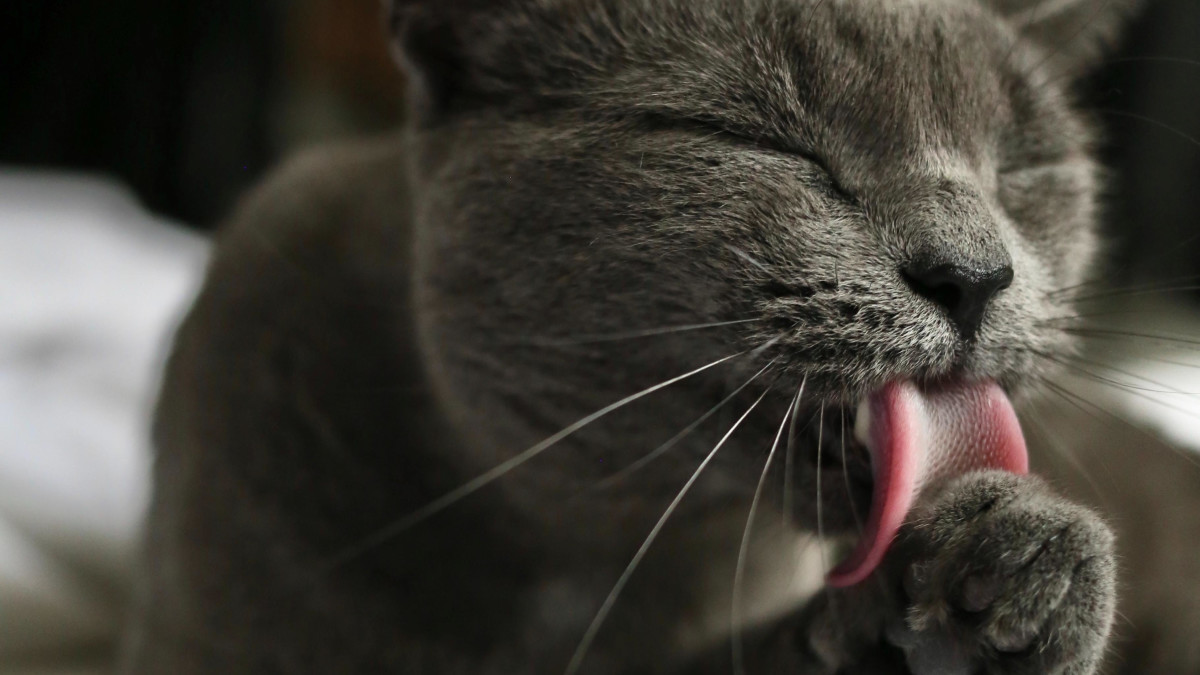
Russian Blue cats often live long, healthy lives, sometimes reaching 15 years or more. Their gentle nature and strong build contribute to their longevity among cat breeds.
Russian Blue Cats are often admired for their striking blue-gray coat and captivating green eyes. Known for their gentle and shy demeanor, these cats can be a delightful addition to your family. But beyond their beauty and charm, what makes Russian Blue Cats particularly fascinating is their potential for a long, healthy life.Longevity Stats
Russian Blue Cats are known to have a lifespan ranging from 15 to 20 years. It’s not uncommon for them to live even longer with proper care. Their longevity is often attributed to their robust genetic makeup and minimal breed-related health issues.Health Strengths
One of the health strengths of Russian Blue Cats is their resistance to common feline illnesses. They are generally less prone to genetic disorders compared to other breeds. Their strong immune system and overall health resilience contribute significantly to their long lifespan.Recommended Care
To ensure your Russian Blue Cat thrives, focus on a balanced diet rich in proteins and essential nutrients. Regular veterinary check-ups are crucial to catch any health concerns early. Engage your feline friend with interactive toys to keep them mentally and physically stimulated, ensuring they remain active and happy throughout their life. Have you ever wondered if the secret to a long life lies in the small everyday choices you make for your pet? By providing love, attention, and the right care, you could be setting the stage for a joyful, extended companionship with your Russian Blue Cat.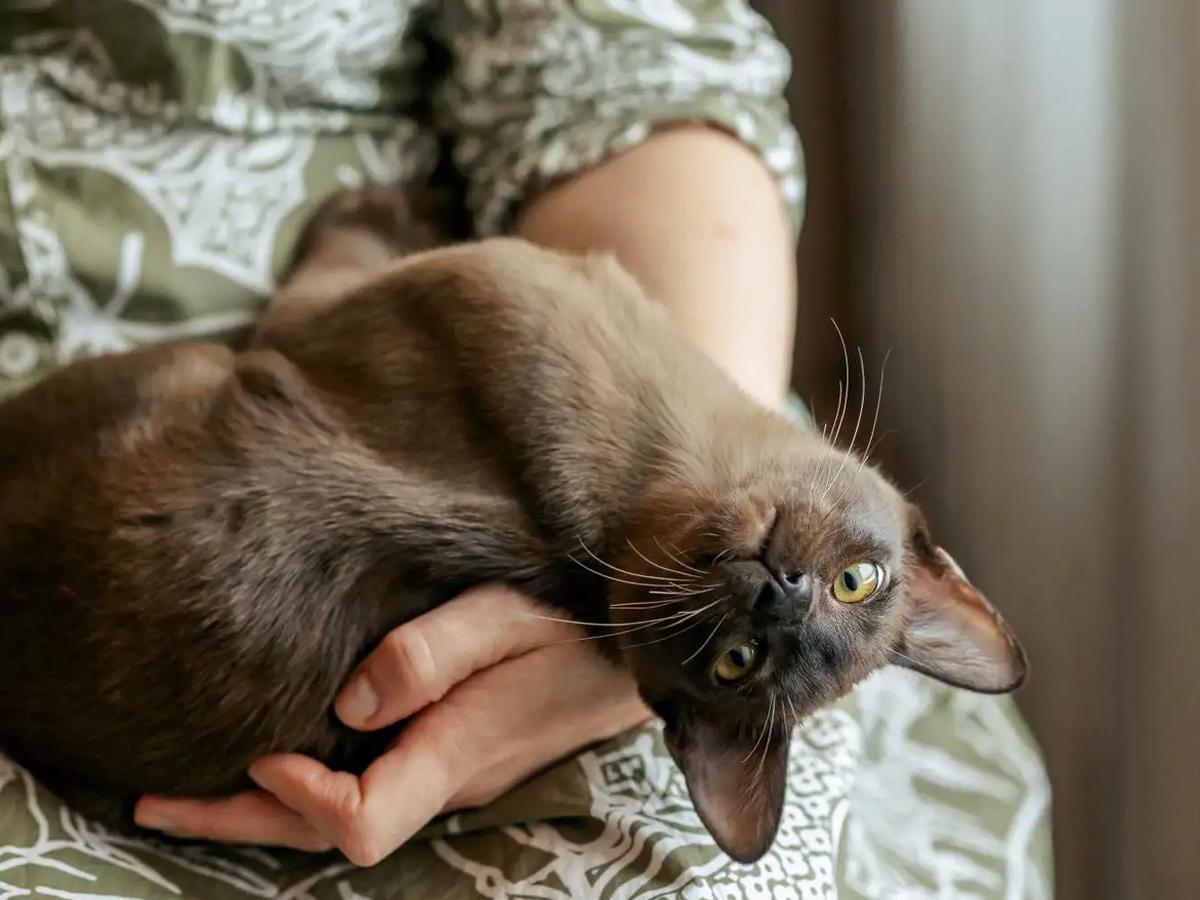
Credit: www.freemalaysiatoday.com
Sphynx Cats
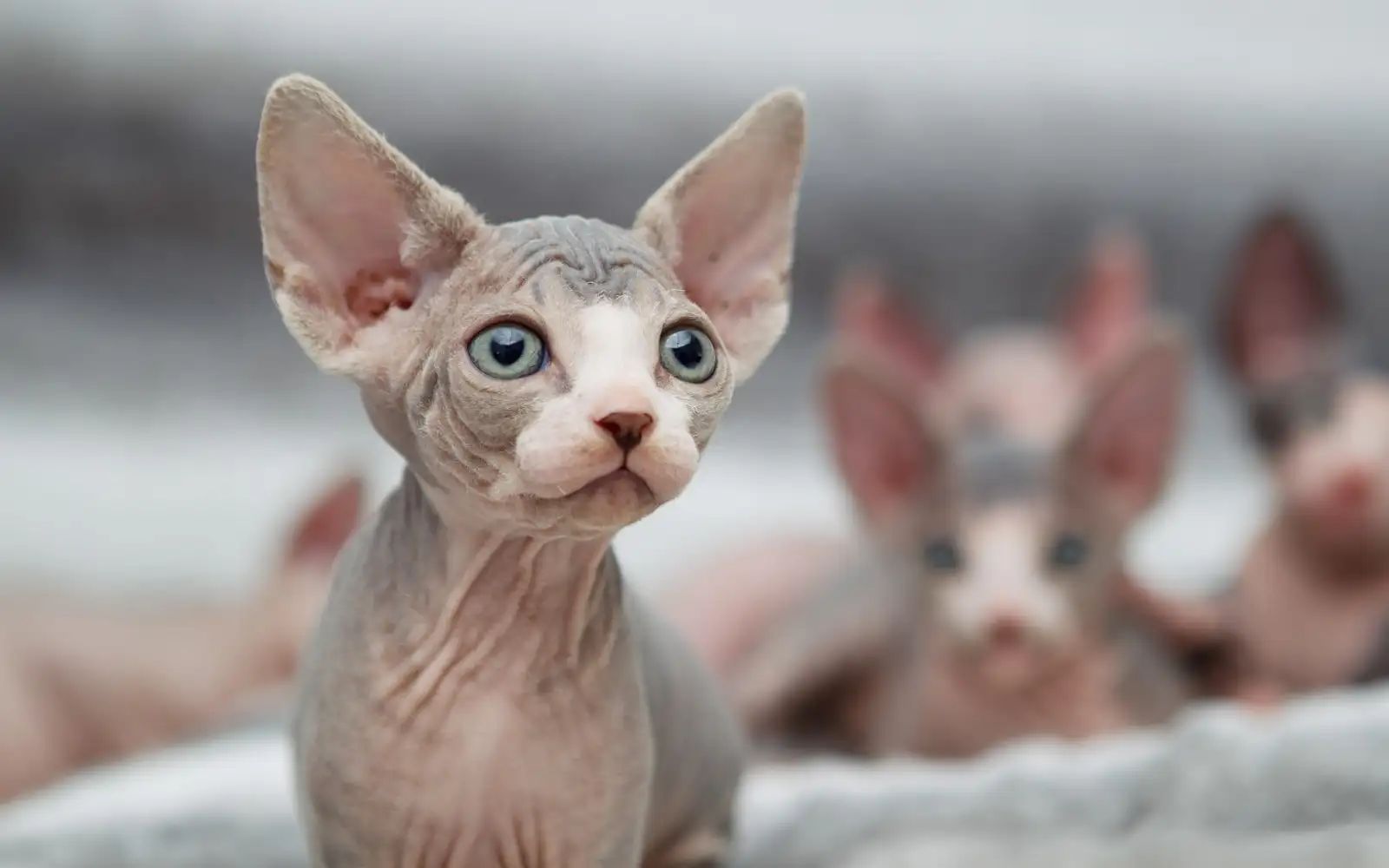
The Sphynx cat stands out with its hairless body and large ears. This breed draws attention with its unique look and friendly nature. Despite lacking fur, Sphynx cats are warm to the touch and crave human company. Their playful and curious personality makes them great companions for families and singles alike.
Life Expectancy
Sphynx cats often live between 8 and 14 years. With proper care, some reach up to 15 years. Their lifespan is similar to many other cat breeds.
Unique Health Needs
- Skin care is essential because they have no fur to protect them.
- Regular baths prevent oil buildup and skin infections.
- Watch for heart issues, especially hypertrophic cardiomyopathy (HCM).
- Keep them warm in cold weather to avoid chills.
- Sun protection is necessary to prevent sunburns.
Care Guidelines
- Give baths every one to two weeks with gentle shampoo.
- Clean ears weekly to remove wax and dirt.
- Provide soft blankets and warm spots for comfort.
- Feed a balanced diet to support their energy levels.
- Schedule regular vet check-ups to monitor heart and skin health.
Savannah Cats
Savannah cats are a unique mix of domestic cats and wild African servals. They have a striking spotted coat and large ears. These cats are playful, intelligent, and very active. Their wild ancestry gives them a strong and agile build. Savannah cats are popular among cat lovers who want a pet with a wild look and a loving nature.
Lifespan Overview
Savannah cats typically live between 12 and 20 years. Their lifespan varies depending on their generation and care. Early generation Savannahs, closer to servals, may have slightly different health needs. Later generations tend to live longer and adapt well to home life. Proper care helps maximize their lifespan.
Health Challenges
- Hypertrophic cardiomyopathy, a heart condition, can affect Savannah cats.
- Obesity is common if they lack exercise.
- Dental problems may occur without regular checkups.
- Some Savannahs may have sensitive digestive systems.
Regular vet visits are important to catch health issues early.
Supporting A Long Life
- Provide a balanced diet rich in protein.
- Encourage daily exercise and play to maintain fitness.
- Schedule regular veterinary checkups for early detection of problems.
- Maintain dental hygiene with brushing or dental treats.
- Create a safe, stimulating environment to reduce stress.
These steps help Savannah cats stay healthy and live longer lives.
American Shorthair Cats
American Shorthair cats are known for their strong health and long lifespan. These cats often live well into their late teens, making them one of the breeds that live longest. Their sturdy build and friendly nature add to their lasting appeal.
American Shorthair Cats are known for their robust health and charming personalities. These cats are descendants of European felines brought to North America by early settlers, and they have adapted well to a variety of environments. With their playful nature and adorable, round faces, American Shorthairs make delightful companions for families and individuals alike.Typical Lifespan
American Shorthair Cats often enjoy a long life, typically ranging from 15 to 20 years. Their longevity is linked to their strong genetic foundation and minimal predisposition to hereditary diseases. Have you ever wondered how your American Shorthair might compare in lifespan to other breeds? The answer often lies in their healthy genetics and lifestyle.Health And Wellness
These cats are generally hardy, but like all breeds, they can be susceptible to certain health issues. Regular vet check-ups are crucial to monitor for potential problems such as obesity or dental disease. Ensuring your cat maintains a healthy weight through diet and exercise can significantly improve their overall wellness and lifespan.Tips For Longevity
To help your American Shorthair live a long, healthy life, there are several practical steps you can take:- Feed them a balanced diet rich in nutrients and appropriate for their age and activity level.
- Engage them in regular play to keep them active and mentally stimulated.
- Provide routine veterinary care, including vaccinations and dental check-ups.
- Ensure they have a safe, comfortable living environment free from hazards.
Tips For Extending Your Cat’s Life
Extending your cat’s life is something every cat owner hopes to achieve. Small, consistent actions can make a big difference in how long and how well your feline friend lives. Let’s look at practical tips that help your cat stay healthy and happy for many years.
Regular Vet Visits
Taking your cat to the vet regularly helps catch health issues early. Vaccinations, dental care, and routine check-ups prevent problems before they become serious. Have you noticed subtle changes in your cat’s behavior? A vet visit can clarify if something needs attention.
Balanced Diet
Your cat’s diet plays a huge role in their longevity. Feeding high-quality food with the right balance of protein, fats, and nutrients supports their immune system. Avoid overfeeding and watch for weight gain—it can lead to serious health problems like diabetes.
Exercise And Mental Stimulation
Keeping your cat active helps maintain a healthy weight and keeps their mind sharp. Simple toys, climbing trees, or interactive play sessions can prevent boredom and stress. Have you tried hiding treats or using puzzle feeders to challenge your cat’s brain?
Safe Living Spaces
Creating a safe environment reduces risks from accidents and diseases. Indoor cats typically live longer because they avoid dangers like traffic and predators. If your cat goes outside, consider a secure enclosure or supervised outings to protect them.

Credit: www.aol.com
Frequently Asked Questions
Which Cat Breeds Have The Longest Lifespans?
Siamese, Burmese, and Ragdoll cats often live 15 to 20 years. These breeds have strong genetics and good health care. Regular vet visits and a balanced diet also help increase their lifespan.
Do Mixed Breed Cats Live Longer Than Purebreds?
Mixed breed cats generally have fewer genetic issues, which can lead to longer lives. However, individual care and environment greatly impact lifespan. Both purebreds and mixed breeds can live long with proper attention.
What Factors Affect A Cat’s Lifespan The Most?
Diet, exercise, genetics, and veterinary care are key factors. Indoor cats typically live longer due to less risk of accidents and diseases. Mental stimulation and love also contribute to a cat’s longevity.
How Can I Help My Cat Live Longer?
Provide a nutritious diet, regular vet check-ups, and daily playtime. Keep your cat indoors to prevent injuries and diseases. A stress-free environment and lots of affection also improve their quality of life.
Conclusion
Choosing a cat breed that lives long brings joy for many years. Some breeds naturally live longer due to their health and genetics. Caring well for your cat also helps them stay healthy and live longer. Regular vet visits, good food, and love matter a lot.
Remember, every cat is unique and can surprise you with their lifespan. Enjoy every moment with your furry friend, no matter their breed. A long life means more memories and happiness together.



Leave a Reply