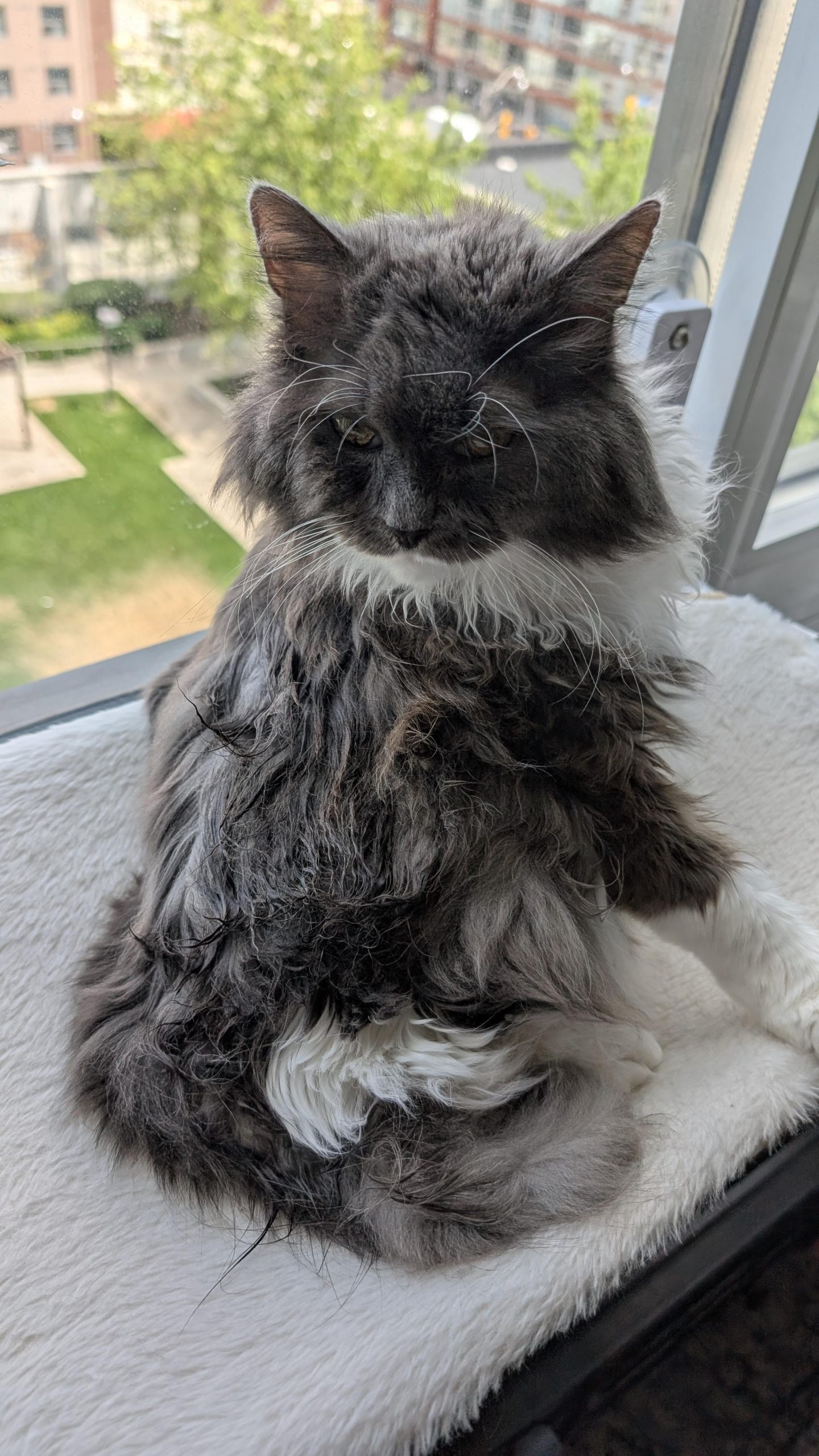
Have you ever noticed your cat spending hours licking its fur and wondered, “Is it normal for cats to groom a lot?” You’re not alone. Cats are known for their cleanliness, but sometimes their grooming habits can leave you curious or even concerned.
Understanding why your cat grooms so much can help you spot what’s healthy and what might need attention. Keep reading to discover the surprising reasons behind your cat’s grooming behavior and learn when it’s time to take action.

Credit: tryfurgo.com
Why Cats Groom Frequently
Cats spend a large part of their day grooming themselves. This behavior is natural and serves many important purposes. Understanding why cats groom frequently helps pet owners care for their pets better.
Natural Instincts Behind Grooming
Grooming is a natural habit passed down from wild ancestors. It helps cats stay clean and healthy. By licking their fur, cats remove dirt, loose hair, and parasites. This instinct also helps cats regulate their body temperature. Grooming spreads natural oils across their fur, keeping it soft and shiny. Cats use grooming to calm themselves and reduce stress. This act provides comfort and security in new or difficult situations.
Benefits Of Regular Grooming
Regular grooming keeps a cat’s coat free of mats and tangles. It prevents skin infections by removing dead skin cells. Grooming helps control shedding and reduces hairballs. It also promotes better circulation through gentle licking. Social grooming, when cats groom each other, builds strong bonds. For indoor cats, grooming mimics hunting behavior and keeps them active. Overall, grooming is essential for a cat’s physical and emotional well-being.
Signs Of Healthy Grooming
Signs of healthy grooming show a cat’s well-being and comfort. Grooming keeps their coat clean and skin healthy. It also helps reduce stress and strengthens bonds with other cats.
Healthy grooming means your cat spends a good amount of time cleaning itself. The fur looks smooth and shiny. The cat’s skin should be free of redness or sores. You may notice your cat licking paws and rubbing its face often.
Normal Grooming Behavior
Cats groom themselves several times a day. They use their tongue to clean fur and remove dirt. Grooming also spreads natural oils across the coat. This keeps the fur soft and waterproof.
Healthy cats pause grooming to rest, eat, or play. Grooming sessions usually last a few minutes. Cats often focus on their face, neck, and front legs. This is normal and shows good care.
What To Expect During Grooming
- Regular licking and nibbling of the fur
- Cleaning paws and rubbing the face
- Occasional scratching to remove loose fur
- Periods of rest between grooming sessions
- Shiny, smooth coat without bald patches
- Calm and relaxed behavior after grooming
Watching your cat groom can be soothing. It shows they feel safe and healthy. Grooming is a natural way cats care for themselves daily.
When Grooming Becomes Excessive
Grooming is a natural and healthy behavior for cats, helping them stay clean and relaxed. But when grooming turns into a constant, obsessive activity, it signals a problem. Understanding when grooming becomes excessive can help you protect your cat’s well-being.
Causes Of Overgrooming
Overgrooming can happen for many reasons, and spotting the cause is key to helping your cat. Sometimes it’s due to skin issues like allergies or parasites that make the cat uncomfortable. Other times, it’s linked to stress or boredom, especially if your cat is stuck indoors with little stimulation.
Imagine a cat that suddenly starts licking a spot until the fur disappears. This might be a sign of fleas or a skin infection. Or think about a cat who grooms endlessly after you’ve moved to a new home—this could be anxiety showing up as overgrooming.
Physical And Emotional Triggers
Physical triggers include things you might not immediately notice, like dry skin or painful joints. Cats can’t tell you what hurts, so they use grooming to soothe themselves. Emotional triggers, on the other hand, are often hidden but powerful.
Stress from changes in the environment, lack of attention, or conflicts with other pets can push your cat into grooming as a coping mechanism. Have you ever watched your cat groom to the point of creating bald patches? That’s a red flag that emotional distress might be involved.
Pay close attention to your cat’s environment and health. Small changes, such as adding more playtime or visiting the vet, can make a big difference in stopping excessive grooming.
)
Credit: www.northroadvet.com.au
Health Issues Linked To Grooming
Excessive grooming in cats can sometimes be a sign of underlying health problems. Understanding these issues can help you identify when your cat’s grooming habits are more than just a routine. Let’s look at some common health concerns linked to over-grooming and what you can do to spot them early.
Skin Conditions And Parasites
Skin problems often cause cats to groom more than usual. Conditions like dermatitis, fungal infections, or flea infestations can make your cat uncomfortable and itchy.
If you notice bald patches, redness, or scabs on your cat’s skin, it’s a red flag. Fleas and mites are especially tricky because cats can groom so much that they hurt themselves without you realizing the cause.
Have you checked your cat’s fur closely for tiny bugs or flea dirt? Early detection can save your pet a lot of pain and reduce the risk of infections.
Allergies And Pain Responses
Allergies, whether to food, pollen, or household chemicals, can trigger intense itching and lead to over-grooming. Your cat might lick or bite certain spots repeatedly in response to irritation.
Sometimes, grooming is a way to cope with pain from injuries or arthritis. Cats might focus on one area if it hurts, causing hair loss or skin damage from constant licking.
Have you noticed your cat favoring one side or avoiding certain movements? Pain might be driving their grooming behavior, and a vet visit could provide relief.
Behavioral Reasons For Overgrooming
Understanding why your cat might be grooming excessively helps you respond thoughtfully. Overgrooming isn’t always about cleanliness—it can signal underlying behavioral issues. Recognizing these reasons lets you support your cat’s emotional and mental health effectively.
Stress And Anxiety Factors
Cats often groom more when they feel stressed or anxious. Changes in their environment, like moving to a new home or the arrival of a new pet, can trigger this behavior. Grooming acts as a coping mechanism to calm their nerves.
If your cat suddenly starts licking or biting their fur more than usual, consider what recent changes might be affecting them. Has there been loud noise, new visitors, or altered routines? Addressing these stressors can reduce overgrooming and improve your cat’s comfort.
Boredom And Environmental Influences
Boredom can also lead your cat to groom excessively. Without enough stimulation or play, cats may turn to grooming to fill the time or entertain themselves. This often happens with indoor cats who lack variety in their surroundings.
Think about your cat’s daily activities. Are they getting enough interactive play or mental challenges? Adding toys, puzzle feeders, or safe outdoor time might decrease their need to overgroom by providing healthier outlets for their energy.
How To Help A Cat That Grooms Too Much
Cats groom to stay clean and healthy, but too much grooming can signal stress or skin problems. Watch for bald spots or sores and consult a vet if needed. Providing a calm environment and regular play can help reduce excessive grooming.
Cats often groom to keep clean and relax. But excessive grooming can be a problem. It might cause skin damage or hair loss. Understanding how to help can ease your cat’s discomfort.Environmental Enrichment Tips
Provide engaging toys for your cat. Use puzzle feeders to stimulate their mind. Create a safe outdoor space or window perch. Rotate toys to keep things fresh and exciting. Offer scratching posts to divert their attention. Spend quality time playing with your cat daily.When To Seek Veterinary Advice
Contact a vet if grooming causes bald spots. Persistent licking can signal health issues. Look for signs of skin irritation or redness. Unusual grooming patterns might need professional attention. A vet can check for allergies or infections. They can also suggest treatments or dietary changes.Grooming Differences Among Cat Breeds
Understanding the grooming differences among cat breeds can help you better care for your feline friend. Cats groom themselves to stay clean and healthy, but how often and how intensely they groom depends a lot on their breed. Knowing these differences can save you time and help spot potential health issues early.
Short-haired Vs. Long-haired Cats
Short-haired cats usually groom themselves less frequently because their fur is easier to manage. Their sleek coats dry quickly and don’t trap dirt as much, so they need fewer grooming sessions. If you notice your short-haired cat grooming excessively, it might be a sign of stress or skin irritation.
Long-haired cats, on the other hand, spend much more time grooming. Their thick, dense fur can mat and tangle if not cared for properly. You might find your long-haired cat spending hours licking to keep its coat smooth. Regular brushing from you can reduce their grooming time and prevent hairballs.
Breed-specific Grooming Needs
Some breeds have unique grooming habits based on their coat type and skin sensitivity. For example, the Sphynx cat has little to no fur and needs regular skin cleaning to remove oils that would normally be absorbed by fur. Without this, their skin can become greasy or irritated.
Persian cats, known for their luxurious, long coats, require daily brushing to avoid mats and tangles. If you’ve ever tried to brush a Persian, you know it’s a must to keep them comfortable and healthy. Meanwhile, breeds like the Bengal have short, dense fur that benefits from weekly grooming to remove loose hairs.
Have you noticed your cat grooming more than usual? Comparing their breed’s typical grooming patterns might give you clues about their well-being. Paying attention to these details can make a big difference in your cat’s comfort and health.
Diy Grooming Tips For Cat Owners
Cats groom themselves often to stay clean and healthy. Excessive grooming might signal stress or skin problems. Regular brushing helps reduce shedding and keeps your cat comfortable.
Cats are natural groomers, dedicating a significant portion of their day to keeping their fur clean and pristine. As a cat owner, you might wonder if there’s a way to support your feline friend in this endeavor. Engaging in DIY grooming can be a rewarding experience, strengthening the bond between you and your cat while ensuring they remain comfortable and healthy. Let’s explore some practical tips to make grooming a delightful routine for both you and your furry companion.Tools And Techniques
Having the right tools is crucial for an effective grooming session. A quality brush or comb suited to your cat’s coat type can make all the difference. Short-haired cats benefit from rubber brushes, while long-haired breeds require metal combs to manage tangles. Trim your cat’s nails with feline nail clippers to prevent scratching and potential injuries. An unexpected trick? A damp washcloth can mimic a cat’s tongue, helping you gently clean their face and ears. These simple tools can transform grooming from a chore into a calming ritual.Creating A Grooming Routine
Establishing a routine can help your cat become more comfortable with being groomed. Choose a quiet time when your cat is relaxed, perhaps after a meal. Engage with your cat by speaking softly and offering treats as positive reinforcement during the session. Consider starting with short sessions, gradually increasing the time as your cat becomes more accustomed to the process. Do you notice any changes in your cat’s behavior during grooming? This could offer insights into their health and comfort levels. Regular grooming sessions not only keep your cat looking their best but also provide an opportunity for you to detect any potential issues early on.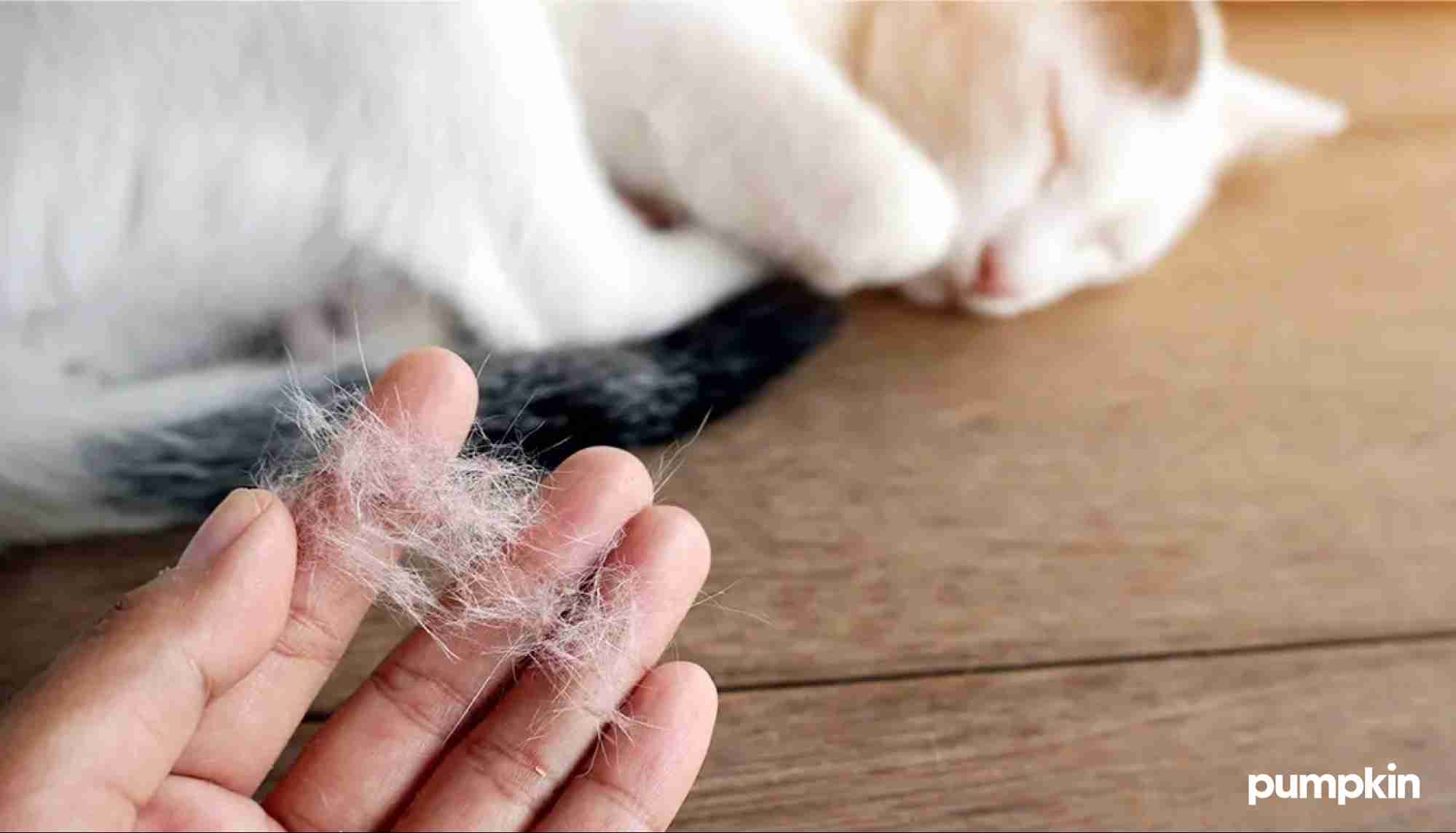
Credit: www.pumpkin.care
Frequently Asked Questions
Why Do Cats Groom Themselves So Much?
Cats groom to clean fur, remove dirt, and regulate body temperature. Grooming also reduces stress and strengthens their bond with other cats.
Can Excessive Grooming Indicate Health Issues?
Yes, excessive grooming can signal allergies, parasites, or skin infections. Consult a vet if grooming leads to hair loss or skin damage.
How Often Should A Healthy Cat Groom Daily?
Healthy cats typically groom 30-50% of their waking hours, about 2-3 hours daily. This keeps their coat clean and skin healthy.
Does Grooming Help Cats With Anxiety?
Yes, grooming acts as a self-soothing behavior that reduces stress and anxiety in cats. It provides comfort and emotional relief.
Conclusion
Cats grooming often is normal and healthy behavior. It helps them stay clean and cool. Sometimes, too much grooming means stress or health issues. Watch your cat’s habits closely. If grooming seems excessive or causes hair loss, seek advice from a vet.
Understanding your cat’s grooming helps keep them happy and well. Regular care and attention make a big difference. Trust your instincts and care for your furry friend.




Leave a Reply