
Choosing the perfect cat breed for your home can feel overwhelming. You want a furry friend that matches your lifestyle, personality, and space.
But how do you know which cat will be the best fit for you? Imagine having a companion that brings you joy without adding stress or extra work. You’ll discover key traits of popular cat breeds and find out which one suits your daily routine and preferences.
By the end, you’ll be closer to welcoming the purrfect cat into your life. Keep reading—your ideal feline friend is waiting!
Personality Traits To Consider
Choosing a cat means matching its personality with your lifestyle. Cats have unique traits that affect how they behave. Some cats love to play and explore. Others prefer quiet and calm times. Understanding these traits helps you find a cat that fits your home. Think about how much time you spend with your pet. Consider if you want a cat that enjoys company or one that is happy alone.
Active Vs. Laid-back Cats
Active cats are playful and full of energy. They enjoy toys, climbing, and exploring. These cats need time for exercise and mental stimulation. Laid-back cats prefer resting and slow-paced activities. They are calm and relaxed most of the day. Your daily routine should match the cat’s energy level. Active cats suit busy homes with lots of interaction. Laid-back cats fit quiet homes with less activity.
Social And Affectionate Breeds
Some cats love being around people. They seek attention and enjoy petting. These cats often follow their owners and purr a lot. They do well in homes with children or other pets. Social cats need regular interaction to stay happy. Breeds like Ragdolls and Siamese are known for being friendly. They thrive on love and companionship every day.
Independent And Reserved Options
Independent cats prefer to spend time alone. They do not demand much attention. These cats are perfect for busy owners or small spaces. They enjoy quiet corners and gentle petting. Reserved cats may take time to trust new people. Breeds such as the Russian Blue and British Shorthair show this calm nature. They offer companionship without being overly demanding.
Living Space And Environment
The living space and environment play a big role in choosing the right cat breed. Cats need a space that matches their activity level and personality. Some breeds are perfect for small homes, while others need more room to roam. Understanding these needs helps you pick a cat that will be happy and healthy in your home.
Cats For Small Apartments
Small apartments need cats that adapt well to limited space. Cats with calm and quiet temperaments fit best. Breeds like the British Shorthair and Scottish Fold enjoy lounging and do not require much exercise.
These cats are happy with indoor play and simple toys. They also handle solitude better, which suits busy apartment dwellers. Compact breeds do not need large climbing areas or outdoor access.
Breeds Suited For Large Homes
Large homes offer space for active and energetic cats. Breeds like the Maine Coon and Abyssinian love to explore and climb. They need room to run and play to stay healthy and happy.
Big homes allow for multiple play zones and scratching posts. These cats enjoy interaction and often prefer company. They thrive with plenty of mental and physical stimulation.
Indoor Vs. Outdoor Preferences
Some cats prefer staying indoors, while others like outdoor freedom. Indoor cats benefit from safety and protection from dangers. Breeds such as the Persian and Ragdoll suit indoor living well.
Outdoor cats enjoy hunting and exploring their surroundings. Breeds like the Bengal and Norwegian Forest Cat often show strong outdoor instincts. Owners must ensure outdoor safety with secure yards or supervised time.
Allergy-friendly Breeds
Choosing a cat breed that fits your lifestyle is important, especially if you or someone in your household has allergies. Some cat breeds are better suited for allergy sufferers because they produce fewer allergens or shed less fur. Understanding these breeds can help you enjoy the company of a feline friend without the constant sneezing or itchy eyes.
Low-shedding Cats
Shedding plays a big role in triggering allergies. Cats that shed less fur usually spread fewer allergens around your home. Breeds like the Russian Blue, Cornish Rex, and Siamese are known for minimal shedding.
These breeds also require less frequent grooming, which means less dander in the air. Have you noticed how much dander builds up just from brushing a typical cat? With low-shedding cats, you’ll spend less time cleaning and more time enjoying your pet.
Hypoallergenic Options
Some breeds are labeled hypoallergenic because they produce lower levels of the Fel d 1 protein, the main allergen in cats. The Siberian and Balinese cats are great examples. They don’t cause as many allergic reactions for many people.
Though no cat is 100% allergy-free, these breeds can be a game-changer. Before you decide, spend time with the breed to see how your allergies respond. Would you be willing to test a cat’s allergen level before adopting?
Managing Allergies With Cats
Even if you pick an allergy-friendly breed, managing your environment matters a lot. Regular vacuuming with a HEPA filter, washing your hands after petting, and using air purifiers can reduce allergen levels.
Creating cat-free zones, like your bedroom, can also help minimize symptoms. If you’ve struggled with allergies but love cats, these small changes might make all the difference. Are you ready to adjust your home to live comfortably with a cat?

Credit: medium.com
Grooming Needs
Choosing the right cat breed involves understanding their grooming needs. Cats vary greatly in their grooming requirements. Some breeds need daily care. Others require less frequent attention. Knowing the grooming needs helps in choosing the right cat for you.
Short-haired Breeds
Short-haired cats are easier to groom. They shed less and need less brushing. Breeds like the American Shorthair or British Shorthair are good choices. Weekly brushing often suffices for these cats. This helps to keep their coat healthy and shiny.
Long-haired Breeds
Long-haired cats require more grooming. Their coats can mat and tangle easily. Breeds such as the Persian or Maine Coon need daily brushing. It prevents tangles and keeps the fur smooth. This grooming routine strengthens the bond with your cat.
Shedding And Maintenance
Shedding varies among cat breeds. Short-haired breeds typically shed less. Long-haired breeds may shed more, especially during seasonal changes. Regular grooming reduces shedding and keeps your home cleaner. Consider your time commitment before selecting a breed. Proper grooming ensures a happy and healthy pet.
Energy Levels And Activity
Energy levels and activity are key factors to consider when choosing a cat breed. Some cats love to play and explore constantly. Others prefer quiet and calm environments. Understanding these traits helps find a cat that fits your daily life. Matching a cat’s energy with your lifestyle creates a happier home for both.
Playful And Energetic Cats
These cats enjoy lots of movement and games. They need daily playtime to stay happy and healthy. Breeds like Siamese, Bengal, and Abyssinian are known for their high energy. They love climbing, chasing toys, and interactive play. These cats do well in active homes with time for fun.
Calm And Relaxed Breeds
Calm cats prefer resting and gentle activities. They enjoy quiet spaces and soft petting. Breeds such as British Shorthair, Ragdoll, and Persian are often more relaxed. These cats fit well in homes seeking a peaceful companion. They require less active play but still enjoy affection.
Matching Energy With Lifestyle
Choose a cat breed that fits your daily routine. Active people benefit from playful, lively cats. Less active or busy owners may prefer calm, low-energy breeds. Consider your home size and time for play. Balancing energy levels helps reduce stress for you and your cat.

Credit: www.customprecious.com
Health And Lifespan
Choosing the right cat breed means thinking about more than just looks or personality. Health and lifespan play a huge role in your experience as a cat owner. Knowing what health challenges different breeds face and how long they typically live can help you pick a cat that fits your lifestyle and expectations.
Common Health Issues By Breed
Each cat breed comes with its own set of health concerns. For example, Persian cats often struggle with respiratory issues due to their flat faces. Maine Coons are prone to hip dysplasia and heart problems.
Some breeds like Siamese cats might suffer from dental issues and cross-eyes, while Scottish Folds can have joint problems. Understanding these risks helps you prepare for potential vet visits and care routines.
- Bengal:May develop hypertrophic cardiomyopathy (heart disease).
- Sphynx:Requires regular skin care to avoid infections.
- Ragdoll:Known for heart conditions like hypertrophic cardiomyopathy.
Longevity Expectations
How long your cat lives matters. Some breeds naturally live longer than others. For instance, mixed-breed cats often have a lifespan of 12 to 15 years.
Breeds like the Siamese and Burmese can live well into their late teens or early twenties. On the other hand, larger breeds like the Maine Coon might have a shorter average lifespan of around 10 to 13 years.
Are you ready for a long-term commitment that could span two decades? Knowing lifespan helps you plan emotionally and financially for your cat’s future.
Choosing A Healthy Cat
Picking a healthy cat starts with the breeder or shelter. Ask about the cat’s medical history and any screenings for breed-specific diseases. A responsible breeder will provide health clearances for the parents.
Look for signs of good health: clear eyes, clean ears, and a shiny coat. If possible, observe the cat’s behavior—active and curious cats often indicate good health.
- Request vaccination and vet records.
- Check for any signs of respiratory or joint problems.
- Consider adopting from shelters that do health checks.
Your choice impacts not only the cat’s quality of life but also your peace of mind. What health factors are non-negotiable for you?
Compatibility With Children And Pets
Choosing a cat breed that fits well with your family environment is crucial, especially if you have children or other pets. Understanding how different breeds interact can save you from future challenges and help create a harmonious home. Let’s look closely at which cats tend to be more compatible with kids and other animals, and how to make introductions smoother.
Kid-friendly Cat Breeds
Some cats naturally enjoy the energy and noise children bring. Breeds like the Ragdolland Birmanare known for their gentle and patient nature. These cats often tolerate handling well and rarely scratch or bite, making them great companions for young kids.
The Maine Coonis another excellent choice. They are playful but calm, and their large size means they can handle enthusiastic hugs without feeling threatened. If your children love interactive play, these breeds can keep up without getting stressed.
Have you noticed how some cats hide whenever children approach? That’s a sign to consider a more reserved breed or to teach your kids gentle handling skills. Your family’s lifestyle should guide your choice.
Cats That Get Along With Dogs
Many cats and dogs can live peacefully, but some cat breeds adapt more easily to canine companions. The Scottish Foldand Turkish Vanare known for their sociable and tolerant personalities around dogs.
Introducing a dog-savvy cat doesn’t guarantee harmony, though. It helps if the dog has a calm temperament and respects the cat’s space. Think about your dog’s behavior before selecting your cat breed.
Do you have a dog that is curious but gentle? Breeds like the Burmesethrive in such environments, often forming close bonds with dogs. On the other hand, very energetic or aggressive dogs might stress even the most easygoing cats.
Introducing Cats To Other Pets
Bringing a new cat into a home with existing pets requires patience and planning. Start by keeping them separated, allowing them to sniff each other’s scent under a door or on a blanket. This helps reduce surprise and stress during face-to-face meetings.
Make sure each pet has its own safe space to retreat to. Gradually increase their time together while watching closely for signs of anxiety or aggression. Some breeds, like the American Shorthair, are more adaptable and tend to adjust faster in multi-pet homes.
Have you considered how your pets communicate? Cats and dogs use different body language, and misunderstanding can lead to conflict. Teaching your children to recognize these signs helps everyone get along better.
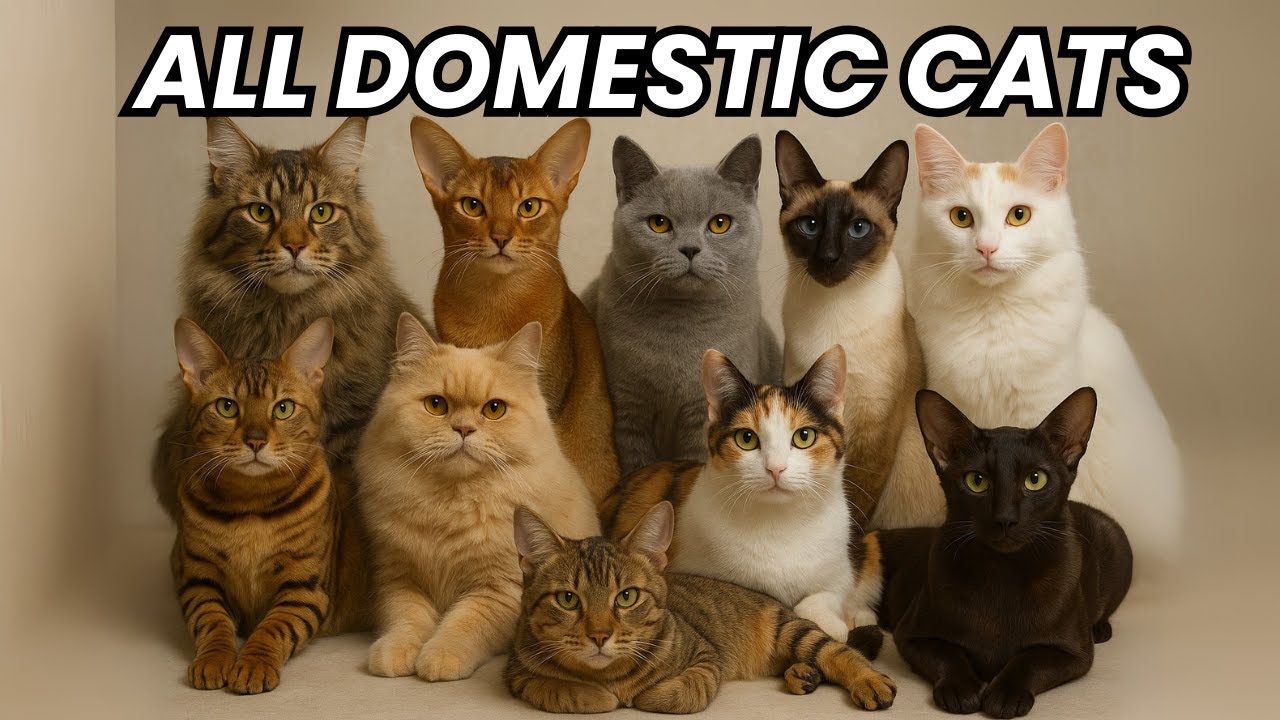
Popular Cat Breeds And Their Traits
Choosing the right cat breed for your home is more than just picking a pretty face. Each breed comes with its own set of characteristics that can match—or clash—with your lifestyle. Understanding these traits can help you make a more informed decision and ensure a harmonious relationship with your feline friend.
Siamese
Siamese cats are known for their striking blue eyes and sleek bodies. They are highly social and love to engage in conversations, often following you around the house. If you’re looking for a cat that acts more like a dog, a Siamese may be your perfect match.
Maine Coon
Often referred to as the “gentle giants” of the cat world, Maine Coons are large, fluffy, and full of love. They get along well with children and other pets, making them great family cats. Their curious nature means they enjoy interactive play and exploring their surroundings.
Ragdoll
True to their name, Ragdolls tend to go limp when you pick them up, making them ideal for those who love to cuddle. They are laid-back and affectionate, preferring to be around people. Ragdolls are perfect for someone looking for a low-maintenance, loving companion.
Bengal
Bengals are like having a mini leopard in your home, complete with a playful and energetic personality. They are highly intelligent and require lots of stimulation to keep them happy. If you enjoy an active lifestyle, a Bengal might be the perfect partner in crime.
Scottish Fold
Scottish Folds are easily recognizable by their unique folded ears, giving them an owl-like appearance. They are typically calm and enjoy lounging around, but they also have a playful side. If you’re looking for a cat that offers the best of both worlds—relaxed yet playful—a Scottish Fold could be ideal.
So, which cat breed aligns with your lifestyle and personality? The answer could lead to a lifelong friendship filled with love and purrs.

Credit: www.customprecious.com
Frequently Asked Questions
What Cat Breeds Suit Apartment Living Best?
Breeds like the British Shorthair, Ragdoll, and Scottish Fold adapt well to apartments. They are calm, friendly, and require moderate exercise, making them perfect for smaller spaces and indoor life.
Which Cat Breeds Are Best For Families With Children?
Maine Coons, Bengals, and Burmese cats are great with kids. They are playful, patient, and social, ensuring a safe and fun environment for children and the cat.
What Cat Breeds Need Low Grooming Maintenance?
Sphynx, British Shorthair, and American Shorthair require minimal grooming. Their short or hairless coats reduce shedding and brushing time, ideal for busy owners or those new to cat care.
Which Cat Breeds Are Hypoallergenic For Allergy Sufferers?
Siberian, Balinese, and Russian Blue cats produce fewer allergens. They are suitable for allergy sufferers, allowing them to enjoy a pet without severe allergic reactions.
Conclusion
Choosing the right cat breed depends on your lifestyle and personality. Some cats need lots of attention, while others enjoy quiet time. Think about your home, schedule, and energy level. Each breed has unique traits that fit different people. Finding a cat that matches your life brings joy and comfort.
Take time to learn about breeds before deciding. A well-chosen cat can become a loyal and loving friend. Your perfect feline companion is out there, waiting for you.


Leave a Reply