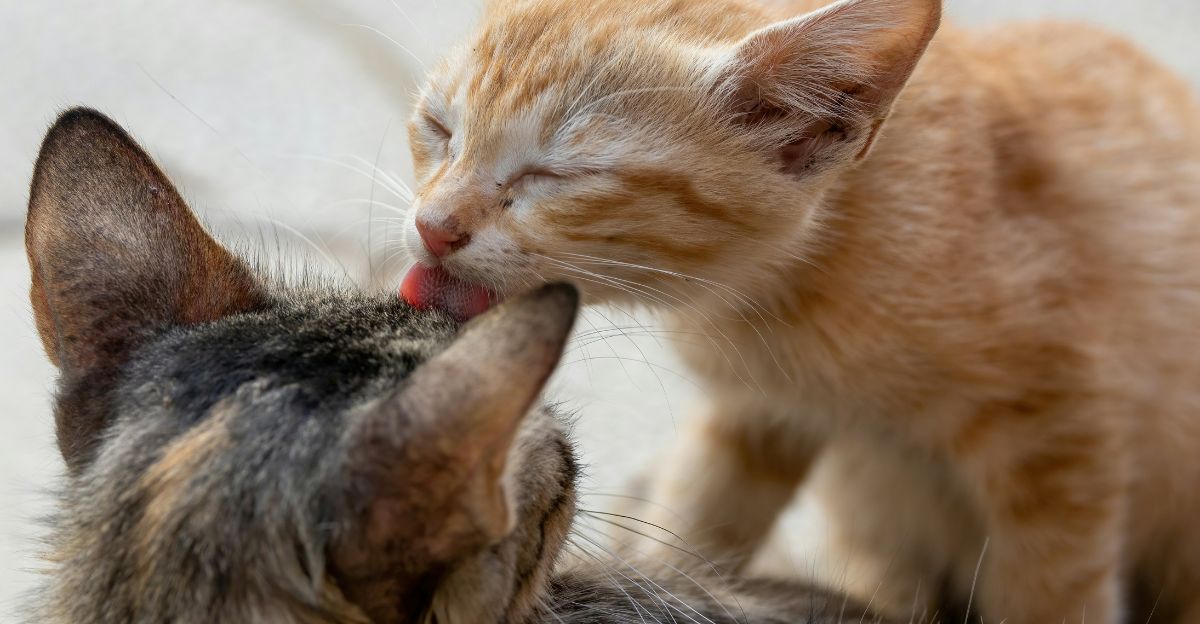
Have you ever wondered why cats spend so much time grooming each other? It’s not just about staying clean.
Grooming plays a special role in how cats connect and build trust. If you have more than one cat, understanding this behavior can help you create a peaceful, happy home. Keep reading to discover how grooming can strengthen the bond between your cats and what it means for their relationship.
You might be surprised by what you learn!

Credit: catgroomerla.com
Social Behavior In Cats
Cats are social animals with unique ways to interact. Their behavior shows complex social patterns. Understanding these helps us see how grooming affects their bonds. Cats use many signals to communicate feelings and intentions. These signals guide their relationships in groups. Grooming plays a key role in building trust and friendship among cats.
Cat Communication Signals
Cats speak through body language and sounds. Their tails, ears, and eyes tell a lot. Soft purring means comfort and safety. Slow blinking shows trust and calmness. A raised tail signals friendliness and welcome. Hissing or growling warns to keep distance. Grooming also acts as a silent signal of care. It helps cats show they accept each other.
Role Of Grooming In Cat Groups
Grooming strengthens social bonds within cat groups. Cats lick and clean each other’s fur. This behavior is called allogrooming. It reduces stress and creates a sense of belonging. Grooming helps cats share scents, marking group members. It also stops fights by calming tensions. Cats that groom together often form close friendships. Grooming is not just about cleanliness but also about connection.
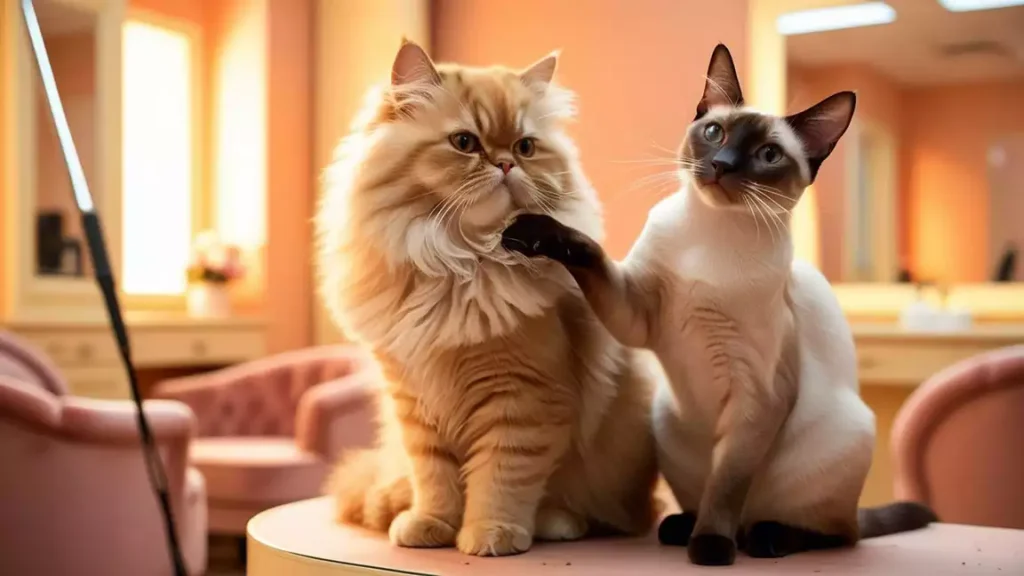
Credit: catgroomerla.com
Why Cats Groom Each Other
Cats groom each other for several important reasons. It is a natural behavior that helps build social bonds. Grooming is not just about cleanliness. It also serves as a way to show trust and affection between cats. Through grooming, cats share comfort and feel closer to one another.
Benefits Of Mutual Grooming
Mutual grooming strengthens the connection between cats. It helps reduce tension and promotes harmony within a group. Cats often groom areas that are hard to reach alone, like the head and neck. This shared care improves their overall hygiene.
Grooming also signals friendship. Cats that groom each other tend to be more relaxed and cooperative. This behavior creates a sense of belonging and security.
Grooming And Stress Reduction
Grooming lowers stress levels in cats. The act releases calming chemicals in their brains. Cats that groom together often appear calm and content.
This activity can reduce anxiety and fear. It helps cats feel safe in their environment. Grooming between cats acts as a natural comfort during stressful times.
Grooming As A Bonding Tool
Grooming plays a key role in how cats connect with each other. It is more than just cleaning fur. Grooming helps cats build and maintain strong social ties. This shared activity creates comfort and closeness among cats in the same group.
Strengthening Social Bonds
Cats groom each other to strengthen their social bonds. This act shows acceptance and belonging. Cats that groom each other often spend more time together and relax side by side. Grooming helps reduce tension and creates peace within the group.
Through grooming, cats express care and friendship. It signals that they trust and respect one another. This shared behavior helps form lasting friendships among cats.
Grooming And Trust Building
Trust is important in any relationship, including between cats. Grooming helps build this trust slowly and naturally. When cats groom each other, they expose vulnerable areas like the neck and head. Allowing this shows a high level of trust.
Regular grooming sessions create a safe space for cats. They learn to rely on each other for comfort and support. Over time, grooming deepens the bond and reduces stress.
Observing Grooming Patterns
Observing how cats groom each other reveals much about their relationships. Grooming is more than cleanliness; it builds trust and social bonds. Cats use grooming to show affection, reduce stress, and strengthen friendships. Watching their grooming patterns helps understand their social connections and comfort levels.
Common Grooming Behaviors
- Mutual licking of the head, neck, and ears
- One cat grooming the other’s face or paws
- Gentle nibbling or licking around the tail base
- Resting close during or after grooming sessions
These behaviors usually indicate strong social ties. Cats rarely groom each other without trust. Grooming often happens between cats that share space comfortably.
What Grooming Frequency Indicates
Frequent grooming means a close bond. Cats that groom each other often feel safe together. Less grooming may signal distance or tension. Sudden changes in grooming habits can show stress or health issues. Pay attention to how often and how long grooming lasts.
Factors Affecting Grooming Habits
Cats show affection through grooming. This behavior helps them bond. Various factors influence their grooming habits. Understanding these can enhance cat relationships. Let’s explore these factors further.
Age And Grooming
Young cats groom often. They learn this from their mothers. Older cats may groom less. Their energy levels drop with age. This affects their grooming habits. Kittens and young cats are more active. They bond through frequent grooming sessions.
Personality Differences
Cats have unique personalities. Some are more social. These cats groom others often. Shy cats might groom less. They prefer solitude. Understanding a cat’s personality helps predict grooming behavior. Social cats bond more through grooming.
Environmental Influences
The environment affects grooming too. A stressful home reduces grooming habits. Cats feel uneasy and groom less. A calm home promotes grooming. Cats feel safe and bond better. Provide a peaceful environment for happy cats.
When Grooming Signals Problems
Grooming is often a sign of affection and bonding among cats. However, sometimes grooming behavior can indicate underlying problems rather than harmony. Paying attention to these signals can help you understand your cats better and address any issues early.
Over-grooming And Stress
When a cat grooms excessively, it might be more than just keeping clean. Over-grooming can signal stress or anxiety. Cats may lick or bite their fur until it becomes sore or patchy, which is a clear sign something is wrong.
Think about your cat’s environment—are there new changes, loud noises, or conflicts with other pets? Stress can show up through grooming habits, so watching for sudden increases in grooming helps you catch problems early.
Avoiding Grooming And Social Issues
On the other hand, if cats stop grooming each other, it can mean social tension or discomfort. Grooming avoidance often points to conflicts or a breakdown in their relationship. When cats don’t groom one another, it suggests they might be feeling threatened or stressed around each other.
Have you noticed your cats ignoring each other or even growling during grooming attempts? This behavior may indicate deeper social issues that need your attention. Helping them feel safe and comfortable together can encourage positive grooming and rebuild their bond.
Encouraging Positive Grooming
Encouraging positive grooming helps cats build trust and friendship. Grooming acts as a social bridge between cats. It reduces stress and promotes calm behavior. Creating the right setting supports grooming habits. Proper introductions increase chances of mutual grooming.
Creating A Comfortable Environment
Comfort is key to good grooming between cats. Provide quiet, safe spaces away from loud noises. Soft bedding invites cats to relax and feel secure. Keep feeding areas separate but nearby to encourage closeness. Use gentle lighting to avoid startling cats. Clean litter boxes regularly to reduce tension. Familiar smells help cats feel at home. Offer toys to ease nervous energy and promote play.
Introducing Cats To Each Other
Slow introductions help cats accept each other. Start by letting them smell each other’s scent through a door. Swap bedding between cats to share familiar smells. Use short, supervised visits in a neutral room. Watch body language carefully for signs of stress or aggression. Reward calm behavior with treats and praise. Increase visit time gradually as cats show comfort. Avoid forcing interaction to prevent fear or fights. Positive grooming will grow naturally with patience and care.

Credit: basepaws.com
Frequently Asked Questions
Does Grooming Strengthen The Bond Between Cats?
Yes, grooming helps cats build trust and affection. It creates a shared positive experience and reinforces social bonds among them.
How Does Grooming Reduce Cat Aggression?
Grooming calms cats by releasing endorphins. It lowers stress and promotes peaceful interactions, reducing territorial disputes and aggression.
Can Grooming Improve Cats’ Social Skills?
Grooming teaches cats to communicate and cooperate. It helps them understand social cues and develop harmonious relationships within their group.
Why Do Cats Groom Each Other?
Cats groom each other to clean hard-to-reach areas. It also serves as a social activity that strengthens their bond.
Conclusion
Grooming plays a key role in helping cats build strong bonds. It shows trust and comfort between them. Cats groom each other to feel close and safe. This behavior helps reduce stress and creates friendship. Watching cats groom reveals their social nature.
It is a simple, natural way they connect. So, grooming does help cats become friends. It keeps their relationships healthy and happy. Understanding this can improve how we care for cats. Close bonds make cats feel loved and calm.




Leave a Reply