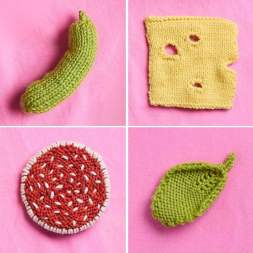
Do you want to spoil your cat with fun, safe, and homemade toys? Making knitted cat toys is easier than you think.
With just a few simple materials and easy steps, you can create toys that your furry friend will love. Plus, knitting your own toys means you know exactly what goes into them—no harmful chemicals or small parts to worry about.
Keep reading, and you’ll discover how to make colorful, soft, and engaging toys that will keep your cat entertained for hours. Your cat’s new favorite toy is just a few stitches away!
Materials Needed
Gathering the right materials sets the foundation for making durable and fun knitted cat toys. Knowing what to choose helps you avoid wasted time and ensures your cat will love the toy. Let’s look at the key items you’ll need before you start knitting.
Choosing The Right Yarn
Pick yarn that’s safe and soft for your cat’s paws and mouth. Natural fibers like cotton or wool work best because they are non-toxic and less likely to irritate your pet’s skin.
Avoid yarn with synthetic fillers that could cause choking if ingested. Also, thicker yarn creates sturdier toys that hold up better against playful biting and scratching.
Essential Knitting Tools
- Knitting needles:Choose a size that matches your yarn weight for tight, secure stitches.
- Scissors:Sharp enough to cut yarn cleanly without fraying.
- Yarn needle:For weaving in ends neatly and closing up toy openings.
- Measuring tape:To keep your toy size consistent and suitable for your cat.
Having these tools ready will make your knitting smoother and faster. Are you set up with all the basics you need?
Optional Add-ons For Texture
Adding texture can make toys more exciting for your cat. Consider sewing in crinkly fabric, small bells, or catnip pouches.
These extras encourage play and stimulate your cat’s senses. Just make sure all add-ons are securely attached to prevent choking hazards.
What creative textures will you add to your knitted cat toys to keep your feline friend engaged?
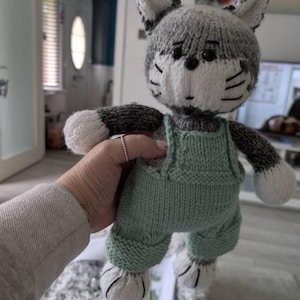
Credit: www.etsy.com
Basic Knitting Techniques
Knitting cat toys is simple with a few basic skills. Start with easy techniques to create fun, soft toys your cat will love. Knowing these basics helps you finish projects faster and with better results. Practice these simple steps to build confidence before moving on to complex patterns.
Casting On
Casting on is the first step in knitting. It creates the stitches on your needle to start your work. Use a slip knot to make a secure first stitch. Then loop the yarn around the needle to add more stitches. Keep the tension even for neat rows.
Knit And Purl Stitches
The knit stitch forms a smooth, flat fabric. Hold the needle with stitches in your left hand. Insert the right needle from front to back through the first stitch. Wrap the yarn around the right needle and pull it through.
The purl stitch looks like tiny bumps. It is the opposite of knit. Insert the right needle from back to front. Wrap the yarn over and pull through the stitch. Combine knit and purl to make different textures.
Binding Off
Binding off finishes your knitting project. It secures stitches so they do not unravel. Knit two stitches. Use the left needle to lift the first stitch over the second. Knit one more stitch and repeat until one stitch remains. Cut the yarn and pull it through the last stitch to secure.
Simple Patterns For Cat Toys
Simple knitted cat toys bring joy to your feline friend and are easy to create. These patterns use basic stitches and minimal yarn. They are perfect for beginners and quick projects. Knitting small toys lets you try new shapes and textures. Cats love toys they can bat, chase, and carry around.
Choose soft yarn that is safe for pets. Avoid tiny parts that could be swallowed. Keep toys small but durable enough to last through play.
Knitted Balls
Knitted balls are classic and fun cat toys. Use simple stockinette or garter stitch for a smooth surface. Knit a small tube, then stuff it firmly with soft filling. Close the ends tightly to keep the stuffing inside. You can add a little bell for sound. Knit in bright colors to attract your cat’s attention.
Mini Mice
Mini mice are easy to shape with basic knitting. Start with a small rectangle or oval piece. Fold and sew it to form the mouse body. Add a tail with a knitted cord or yarn strand. Sew on tiny ears and embroider eyes with yarn. Fill the mouse with stuffing and a pinch of catnip for extra fun.
Fish Shapes
Fish shapes make a playful toy for cats. Knit two identical fish outlines using simple stitches. Sew the edges together, leaving a small gap for stuffing. Fill the fish with soft stuffing and sew the gap closed. Use different colors or stripes for variety. Add embroidered details like fins and eyes for charm.
Adding Catnip And Fillings
Adding catnip and fillings to knitted cat toys makes them more fun and attractive for cats. Catnip excites and entertains cats, while the fillings give the toy shape and texture. Both elements must be safe and suitable for your pet. Proper selection and handling ensure the toy lasts longer and stays safe for play.
Safe Catnip Use
Choose high-quality, organic catnip without chemicals. Avoid using too much catnip; a small pinch works well. Fresh catnip is more potent but dries quickly. Dried catnip lasts longer but may lose strength. Store catnip in an airtight container away from sunlight. Use catnip in moderation to prevent overstimulation or allergies.
Choosing Fillings
Pick soft, non-toxic fillings like polyester fiberfill or cotton. Avoid small beads or stuffing that can be swallowed. Natural materials like wool can work if your cat is not allergic. Keep fillings lightweight to maintain the toy’s shape. Test the filling material for durability before use. Avoid anything sharp or hard that might hurt your cat.
Sealing The Toy
Sew the toy shut tightly to keep fillings inside. Use small, secure stitches to prevent leaks. Double-stitching the seams adds extra strength. Avoid leaving gaps where catnip or filling can escape. Check the toy regularly for loose threads or holes. Repair any damage quickly to keep the toy safe.
Customizing Your Toys
Creating knitted cat toys is a fun way to personalize playtime for your feline friend. Choose soft yarn and simple patterns to craft safe, durable toys. Your cat will love the attention and unique toys, enhancing their play experience.
Customizing your knitted cat toys adds a personal touch. It makes each toy unique and special. This process allows you to tailor toys to your cat’s preferences. It also lets your creativity shine through. Below are some ways to customize your knitted cat toys effectively.Color Combinations
Choose colors that appeal to your cat. Cats can see shades of blue and green. Use these colors to catch their attention. Mix and match bright and soft shades. Create patterns like stripes or spots. This makes the toys visually appealing.Adding Bells And Ribbons
Include bells for added fun. Cats love the sound of bells. Sew small bells inside or outside the toy. Attach ribbons for extra flair. Use soft, durable ribbons. This adds movement and texture. It enhances the play experience.Personalized Embellishments
Add unique embellishments. Sew your cat’s name onto the toy. Use fabric paint for designs. Attach small charms or beads. Ensure all embellishments are secure. This prevents choking hazards. Personal touches make the toy one-of-a-kind.Care And Maintenance
Knitted cat toys bring joy to your pet and charm to your home. Keeping these toys clean and in good shape extends their life. Proper care also keeps your cat safe and happy. Simple maintenance helps maintain the soft texture and bright colors of the toys. Regular attention makes the toys look fresh and inviting.
Cleaning Knitted Toys
Hand wash knitted toys with mild soap in cold water. Avoid hot water to prevent shrinking or damage. Gently squeeze out excess water without twisting the toy. Lay flat on a towel to dry completely. Keep toys away from direct sunlight to avoid fading. For a quick clean, use a lint roller or brush to remove fur and dirt.
Repairing Wear And Tear
Check toys often for loose threads or holes. Use a needle and matching yarn to stitch small tears. Knot yarn securely to avoid unraveling. Trim any frayed edges carefully. Replace stuffing if it becomes lumpy or falls out. Regular repairs keep toys safe and enjoyable for your cat.
Tips For Engaging Playtime
Keeping your cat interested in knitted toys takes a little effort. Playtime should be fun and safe for your furry friend. Small changes can keep your cat curious and active. Follow these tips to make playtime exciting and secure.
Introducing New Toys
Present new toys slowly to your cat. Let your cat sniff and explore the toy at their own pace. Use gentle movements to catch their attention. Avoid overwhelming your cat with many toys at once. A new toy feels special when it arrives alone.
Rotating Toy Selection
Keep playtime fresh by rotating toys regularly. Put some toys away for a few days and then bring them back. This makes old toys feel new again. Offer a variety of shapes and textures to keep your cat interested. Rotate toys weekly or biweekly to maintain excitement.
Safe Play Guidelines
- Check toys for loose threads or parts before play.
- Remove any damaged toys immediately.
- Supervise playtime with small knitted toys.
- Use non-toxic yarn to avoid health risks.
- Keep toys clean by washing them regularly.
Safe toys protect your cat and prolong toy life. Always watch your cat while playing to prevent accidents.

Credit: www.amazon.com
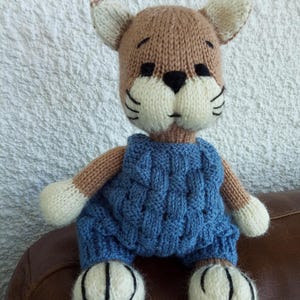
Credit: www.etsy.com
Frequently Asked Questions
What Materials Are Best For Knitted Cat Toys?
Use soft, non-toxic yarn like cotton or acrylic. Avoid wool as it may irritate cats. Include catnip or bells for extra fun.
How Do I Safely Add Catnip To Knitted Toys?
Place dried catnip inside a small fabric pouch. Sew it securely into the toy. This prevents loose catnip from spilling and keeps cats safe.
How Long Does It Take To Knit A Cat Toy?
Most simple knitted cat toys take 1-2 hours to complete. Time varies based on complexity and knitting skill level.
Can Beginners Easily Knit Cat Toys?
Yes, beginners can knit simple shapes like balls or mice. Use basic stitches and patterns for quick, easy projects.
Conclusion
Knitting cat toys can be a fun and simple project. You only need some yarn and basic knitting skills. These toys keep your cat happy and active. Making them yourself saves money and lets you choose safe materials. Plus, they make great gifts for other cat lovers.
Try different shapes and colors to find what your cat likes best. Enjoy crafting while giving your pet a new favorite toy. Keep knitting and watching your cat play with joy.




Leave a Reply