Have you ever wondered why some cats go wild over catnip while others barely react? If you’re a cat owner, understanding which cat breeds enjoy catnip the most can help you bring out the playful side of your furry friend.
Imagine seeing your cat light up with joy, rolling and purring like never before. You’ll discover the breeds that are most likely to respond to catnip and learn how to use it safely to keep your pet happy. Keep reading—you’re about to unlock a secret that can deepen the bond with your cat and make playtime more exciting!
How Catnip Affects Cats
Understanding how catnip affects cats can help you decide if it’s a fun addition to your pet’s playtime. Not all cats react the same way, and the effects can vary widely. Let’s break down what catnip really is, how it changes your cat’s behavior, and why some cats just don’t respond to it.
What Is Catnip
Catnip is a plant from the mint family, known scientifically as Nepeta cataria. It contains a compound called nepetalactone, which triggers a reaction in a cat’s brain. This reaction is similar to a natural high, but only certain cats have the genetic makeup to respond to it.
Catnip’s Impact On Behavior
When your cat smells or eats catnip, you might see sudden bursts of energy. They could start rolling, rubbing, purring loudly, or even become playful and hyperactive. Some cats seem calmer after exposure, showing relaxed behavior instead of excitement.
One time, my usually shy cat transformed into a playful bundle of joy after a pinch of catnip. It was like watching a different personality emerge. Have you noticed your cat acting oddly after catnip? This change happens because the nepetalactone binds to receptors in their noses, stimulating sensory neurons.
Why Some Cats Ignore Catnip
Not all cats react to catnip. About 30-50% of cats don’t have the gene needed to enjoy its effects. Kittens and older cats are also less likely to respond.
If your cat doesn’t care about catnip, don’t worry. Other plants like silvervine or valerian root might get their attention instead. Have you tried different options to see what your cat enjoys? Sometimes, it’s a matter of experimenting to find what excites your feline friend.
Credit: www.zezelife.com
Traits That Boost Catnip Response
Cats react differently to catnip based on certain traits. Some cats show strong excitement, while others ignore it completely. These differences come from genetics, age, and breed traits. Understanding these factors helps explain why some cats enjoy catnip more than others.
Genetic Factors
Genetics play a major role in catnip response. A specific gene controls sensitivity to catnip’s active compound, nepetalactone. Cats without this gene do not react to catnip at all. This trait is inherited, so some cats naturally enjoy catnip more.
Age And Sensitivity
Young kittens and older cats often show less interest in catnip. Sensitivity usually starts around three to six months of age. Adult cats tend to have the strongest reactions. Sensitivity can decrease as cats grow older or with repeated exposure.
Breed-specific Tendencies
Some breeds are more likely to respond to catnip. For example:
- Maine Coons often show high sensitivity.
- Bengal cats tend to be very playful with catnip.
- Siamese cats sometimes react less strongly.
Breed tendencies vary but genetics and age remain key influences.
Top 7 Cat Breeds That Love Catnip
Catnip has a magical effect on many cats, sparking bursts of playful energy and moments of pure joy. But not all cats respond to it the same way. Some breeds seem to have a stronger love for catnip, showing more excitement and engagement than others.
If you’re curious about which feline friends are most likely to enjoy catnip, here are the top 7 cat breeds that often go wild for it. Knowing your cat’s breed can help you predict their reaction and choose the best toys or treats infused with catnip.
Maine Coon
Maine Coons are known for their friendly and playful nature. Many owners report their Maine Coons absolutely adore catnip, responding with enthusiastic rolling, pawing, and even vocalizations.
If you want to see your big, fluffy buddy light up with excitement, catnip is usually a winning choice. Their large size doesn’t slow down their playful energy when catnip is involved.
Siamese
Siamese cats are highly social and curious. Their love for stimulation means catnip often triggers lively play sessions and interactive moments with their humans.
Have you noticed your Siamese suddenly zooming around or batting at toys? Catnip can be a great way to boost their natural energy and engagement.
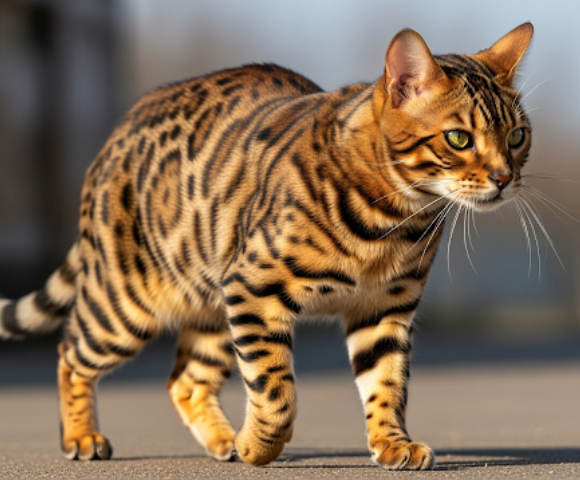
Bengal
Bengals are active and intelligent cats that thrive on mental and physical challenges. Catnip often sparks their hunting instincts, leading to intense play and focused attention.
If your Bengal seems to go into “hunt mode” with catnip toys, you’re witnessing their natural predatory behavior amplified.
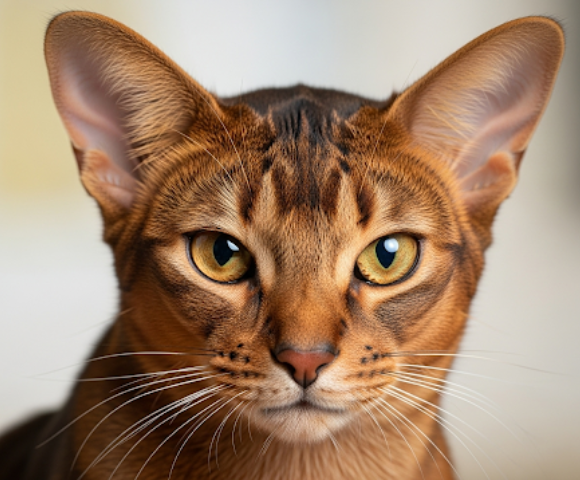
Abyssinian
Abyssinians are curious and adventurous, often eager to explore new sensations. Catnip usually excites them, encouraging playful antics and bursts of energy.
Watching an Abyssinian react to catnip can be a delight—they often combine curiosity with energetic play in unique ways.
Ragdoll
Ragdolls are typically calm and affectionate, but many still enjoy catnip’s stimulating effects. Their reactions might be gentler, involving relaxed rolling and purring rather than wild play.
Does your Ragdoll respond to catnip with a blissful, mellow vibe? That’s their way of enjoying the herb without getting overly hyper.
Sphynx
The hairless Sphynx is known for its playful and social personality. Catnip often triggers lively behavior, turning these affectionate cats into animated playmates.
Because they lack fur, you might notice their skin twitching or their muscles rippling more clearly during a catnip session.
British Shorthair
British Shorthairs are calm and sturdy, but many have a surprising fondness for catnip. Their response can vary from relaxed enjoyment to energetic play.
Have you seen your British Shorthair suddenly perk up with a catnip toy? It’s a reminder that even the calmest cats have a playful side.

Credit: www.companionanimalpsychology.com
Tips To Use Catnip Safely
Catnip brings joy and excitement to many cats, but using it safely is key. Knowing how to handle catnip helps keep your feline friend happy and healthy. Careful use also prevents unwanted side effects and ensures a positive experience every time.
Moderation Matters
Use catnip in small amounts. Too much can upset your cat’s stomach or cause them to lose interest. Limit play sessions to 10-15 minutes. Give breaks between sessions to keep catnip special. Observe how your cat reacts and adjust the amount accordingly.
Different Forms Of Catnip
Catnip comes in many forms: dried leaves, sprays, toys, and fresh plants. Dried catnip is great for sprinkling on toys or scratching posts. Sprays can refresh old toys and bedding. Fresh catnip plants offer a natural and interactive experience. Choose the form that suits your cat’s preference and your lifestyle.
Recognizing Overstimulation
Watch for signs of overstimulation. These include biting, scratching, or sudden aggression. Your cat may also drool or run away. Stop catnip use if these signs appear. Allow your cat to calm down before trying again. Safe play means knowing your cat’s limits and respecting them.
Alternatives To Catnip For Cats
Certain cat breeds like Bengals, Siamese, and Maine Coons often show more interest in catnip. Some cats prefer alternatives like silvervine or valerian root for similar playful reactions. Preferences vary, so offering different options helps find what your cat enjoys most.
Alternatives to Catnip for Cats Not all cats respond to catnip, and even those that do might appreciate a bit of variety. If you’re looking to spice up your feline friend’s playtime, exploring alternatives to catnip can be a great idea. These alternatives can offer similar stimulating effects, ensuring your cat remains happy and entertained.Silvervine
Silvervine is a popular choice in Asia and has recently gained attention worldwide. Known to be more potent than catnip, it often attracts cats that show no interest in catnip. Offering it in powdered form or as chew sticks can provide your cat with a delightful experience.Valerian Root
Valerian Root is another effective alternative. While its strong scent might be off-putting to humans, many cats find it irresistible. Just a small amount can lead to playful and energetic behavior, making it a worthy addition to your pet’s toy box.Cat Thyme
Cat Thyme is lesser-known but can be just as effective. It’s a great option for cats that may not react to other herbs. Planting cat thyme in your garden or using it in dried form can help to invigorate your cat’s senses. These alternatives offer unique benefits and can be a refreshing change for your furry companion. Have you tried any of these with your cat? If not, it might be time to see which one becomes their new favorite!
Credit: felinefancy.co.uk
Frequently Asked Questions
Which Cat Breeds Love Catnip The Most?
Breeds like Maine Coons, Bengals, and Siamese often show strong reactions to catnip. These cats enjoy the scent and playfulness it induces, making catnip a favorite stimulant for them.
How Does Catnip Affect Different Cat Breeds?
Catnip affects cats by triggering playful and euphoric behaviors. Sensitivity varies by breed and individual genetics, with some breeds more responsive and others indifferent to catnip.
Are All Cats Attracted To Catnip?
No, about 30% of cats do not respond to catnip. Sensitivity is inherited, so kittens and some breeds may show little or no interest in catnip.
Why Do Some Cat Breeds Ignore Catnip?
Ignoring catnip is genetic. Cats lacking a specific gene do not react. Some breeds naturally lack sensitivity, so they show no interest or reaction to catnip.
Conclusion
Catnip brings joy to many cat breeds, but reactions vary widely. Some cats love the scent and play actively. Others may show little or no interest at all. Genetics play a key role in how cats respond. Enjoying catnip is just one way cats express their unique personalities.
Watching your cat’s reaction can be fun and revealing. Try offering catnip safely and see how your cat reacts. Every cat is different, making each experience special and enjoyable.




Leave a Reply