If you have a cat, you know how important it is to keep them happy and healthy. But did you know that grooming plays a big role in your cat’s well-being?
You might wonder, what grooming do cats need to stay comfortable and clean? Whether your cat has short hair or long fur, regular grooming can prevent problems like mats, shedding, and even health issues. You’ll discover simple, effective grooming tips that will make your cat feel loved and look their best.
Keep reading to find out how you can make grooming easy and enjoyable for both you and your furry friend.
Credit: alicias-petcare.com
Daily Grooming Basics
Daily grooming helps keep cats clean and healthy. It reduces hairballs and skin problems. Grooming also builds trust and strengthens your bond. A short daily routine makes grooming easy and pleasant for your cat.
Brushing Techniques
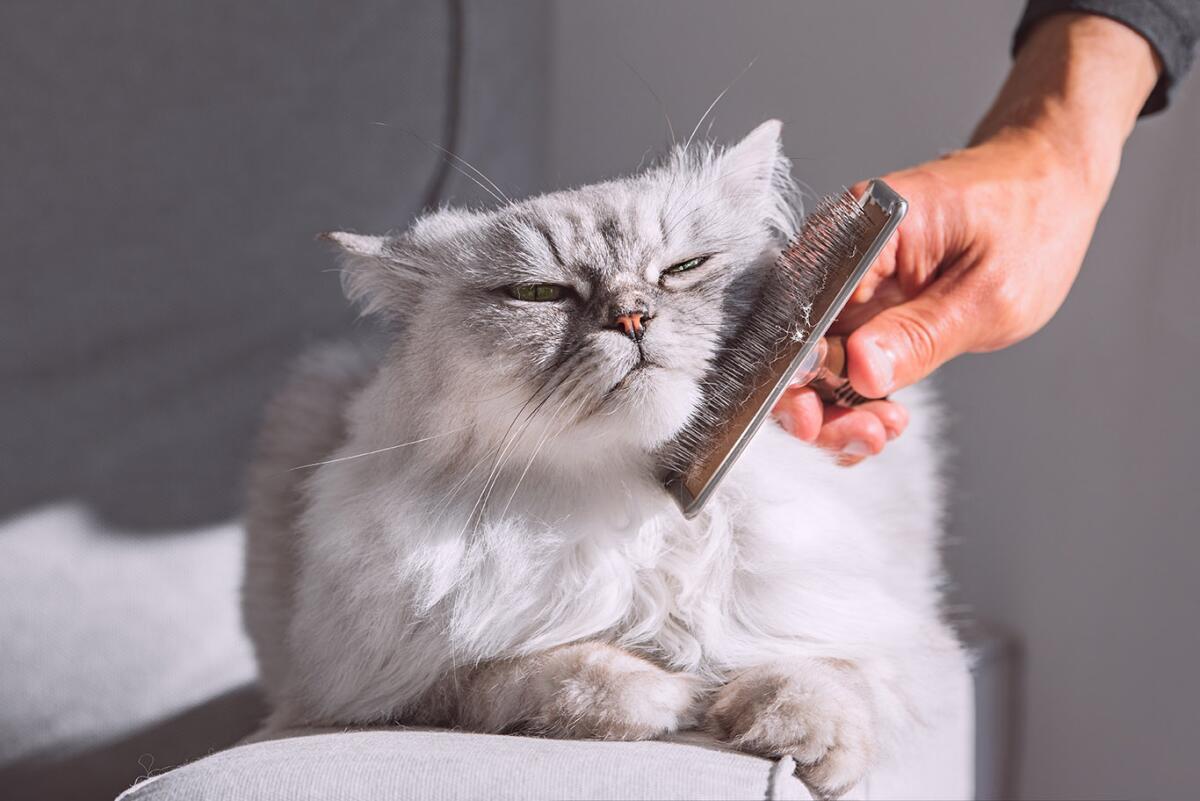
Choose a brush suited for your cat’s fur type. Use gentle strokes from head to tail. Brush in the direction of hair growth. Focus on areas with loose fur or mats. Stop if your cat shows discomfort. Brushing removes dirt and loose hair effectively.
Cleaning Ears And Eyes
Check ears for dirt, wax, or odor. Use a soft cloth or cotton ball dampened with a vet-approved cleaner. Wipe gently inside the ear flap. Avoid deep ear canal cleaning at home. For eyes, remove any discharge with a damp cloth. Use a separate cloth for each eye to prevent infection.
Nail Trimming Tips
Use a sharp nail clipper made for cats. Hold your cat’s paw gently but firmly. Trim only the sharp tip of each nail. Avoid the pink part called the quick. If unsure, trim a small bit at a time. Reward your cat after trimming to create a positive experience.
Bathing Your Cat
Bathing a cat can be a tricky task. Most cats clean themselves well, but sometimes baths become necessary. Bathing helps remove dirt, grease, and allergens from their fur. It also keeps their skin healthy and can reduce shedding. Knowing how and when to bathe your cat ensures a calm experience for both.
When To Bathe
Bathing is not needed often for cats. Only bathe if your cat is very dirty or smells bad. Cats with oily fur or skin problems may need baths more often. If your cat gets into something sticky or toxic, a bath is necessary. Kittens and elderly cats usually need fewer baths.
Choosing The Right Shampoo
Use a shampoo made specifically for cats. Human shampoos can irritate their skin. Look for shampoos that are gentle and free from harsh chemicals. Avoid products with strong perfumes or dyes. If your cat has sensitive skin, choose a hypoallergenic shampoo. Always read the label to make sure it suits your cat’s needs.
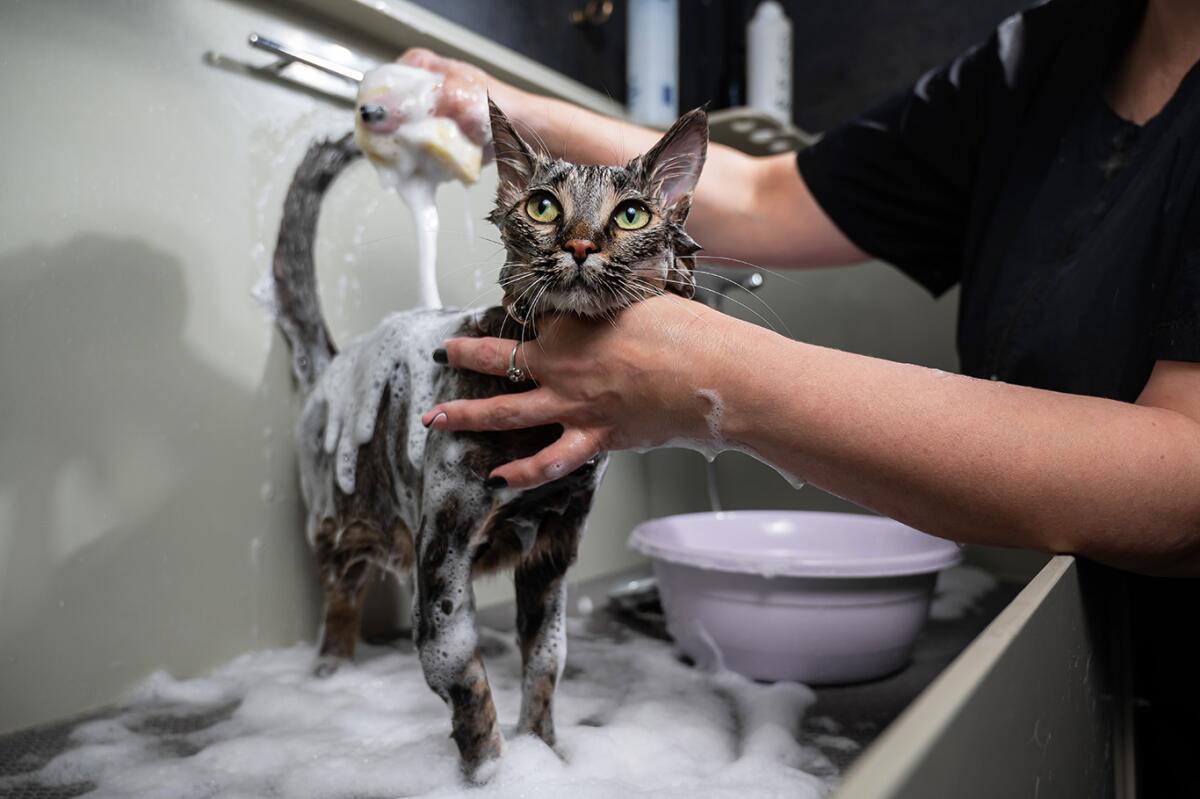
Step-by-step Bathing Process
- Brush your cat gently to remove loose fur and mats.
- Fill a sink or tub with warm water, about 3-4 inches deep.
- Place your cat in the water calmly and speak softly.
- Use a cup or sprayer to wet your cat’s body, avoiding the head.
- Apply cat shampoo and lather gently, focusing on dirty areas.
- Rinse thoroughly to remove all shampoo residue.
- Use a towel to dry your cat as much as possible.
- Keep your cat warm until fully dry, avoiding drafts.
Managing Shedding And Hairballs
Managing shedding and hairballs is essential for a cat’s comfort and health. Cats naturally shed fur throughout the year, but shedding can increase during certain seasons. Excess hair in their stomach can cause hairballs, which may lead to discomfort or digestive issues. Regular grooming helps reduce shedding and hairball problems, keeping your cat happy and clean.
Seasonal Shedding Patterns
Cats shed more in spring and fall. This helps them adjust to temperature changes. During these times, you may find more fur around your home. Brushing your cat daily removes loose hair. It also prevents mats and tangles in their coat. Short-haired cats shed less but still need regular grooming.
Preventing Hairballs
Hairballs form when cats swallow loose fur while grooming. Frequent brushing lowers the amount of fur they ingest. Use a soft brush or grooming glove to remove dead hair. Hairball remedies like gels or treats can help move fur through the digestive system. Keep your cat hydrated to support digestion. Monitor your cat for coughing or gagging, signs of hairball trouble.
Diet And Grooming Supplements
A balanced diet supports healthy skin and coat. Foods rich in omega-3 and omega-6 fatty acids reduce shedding. Some cat foods include natural hairball control formulas. Supplements like fish oil or flaxseed oil improve coat shine and reduce hair loss. Consult your vet before starting supplements. Proper nutrition works alongside grooming for best results.
Dental Care For Cats
Caring for your cat’s teeth is as vital as any other aspect of grooming. Just like humans, cats can suffer from dental issues that affect their overall health. Ignoring dental care can lead to pain, infection, or even serious systemic diseases. Let’s dive into how you can maintain your cat’s dental health effectively.
Brushing Teeth Safely
Brushing your cat’s teeth might sound daunting, but it’s easier than you think. Start by getting your cat accustomed to having its mouth touched. Use a cat-specific toothbrush and toothpaste, as human products can be harmful to them.
Brush gently in a circular motion. Aim to brush at least a few times a week. It might take some time for your cat to get used to this routine, so be patient and offer plenty of praise and treats.
Dental Treats And Toys
If your cat resists brushing, dental treats and toys can be a helpful addition to their dental care routine. These products help in reducing plaque and tartar build-up. Choose treats specifically designed for dental health.
- Crunchy dental treats that help scrape off plaque.
- Chew toys that promote gum health.
Incorporating these into playtime can make dental care a fun experience for your cat. Have you tried using these tools to keep your cat’s teeth clean?
Recognizing Dental Issues
Regularly checking your cat’s mouth can help catch problems early. Look for signs like bad breath, red gums, or difficulty eating. These could indicate dental issues that need a vet’s attention.
Consider scheduling regular veterinary dental check-ups. Early detection can save your cat from pain and more serious health issues. Remember, your cat can’t tell you when something’s wrong, so it’s up to you to be vigilant.
Special Grooming For Different Cat Types
Different types of cats need different grooming routines to stay healthy and happy. Understanding your cat’s specific grooming needs helps prevent common problems like matting, skin issues, and discomfort. Let’s look at how grooming changes based on coat length and age, so you can give your cat the care they truly need.
Long-haired Cats
Long-haired cats require daily brushing to prevent tangles and mats. These mats can pull on their skin and cause pain if left untreated. Use a wide-toothed comb followed by a fine-toothed brush to gently remove loose hair.
Regular grooming also helps reduce hairballs, which are common in long-haired breeds. Pay attention to areas behind the ears, under the legs, and around the tail—they tend to mat the most. Have you noticed your long-haired cat hiding when you bring out the brush? Try rewarding grooming sessions with treats to build a positive experience.
Short-haired Cats
Short-haired cats need less frequent brushing, usually once or twice a week. This helps remove dead hair and distribute natural oils that keep their coat shiny. A soft-bristle brush or grooming glove usually works best for these cats.
Despite their short fur, they still benefit from occasional grooming to check for skin problems or parasites. Have you ever found unexpected lumps or bumps while petting your short-haired cat? Regular grooming gives you the chance to spot these early and consult your vet if needed.
Senior Cats And Grooming Needs
Older cats often groom themselves less due to arthritis, dental issues, or reduced flexibility. You may need to step in with more frequent brushing and gentle baths. Focus on keeping their fur clean and free of mats, especially around the belly and hind legs.
Senior cats can also develop dry skin or flaky patches, so consider using moisturizing sprays recommended by your vet. Do you notice your older cat grooming less than before? Helping with grooming can improve their comfort and overall wellbeing.
Signs Of Grooming Problems
Cats usually keep themselves clean. Still, they may face grooming problems. These problems can affect their health and comfort. Watching for signs helps catch issues early. Early action can prevent bigger problems later.
Skin Irritations
Redness or swelling on a cat’s skin is a warning sign. Look for dry patches, scabs, or sores. These may appear from allergies or infections. Skin irritations often cause discomfort and need attention.
Excessive Scratching
Scratching more than usual can signal trouble. It may mean fleas, mites, or allergies. Cats scratch to relieve itching, but too much can hurt them. Check for hair loss or wounds from scratching.
Behavioral Changes
A cat with grooming problems may act differently. They might hide more or seem restless. Some stop eating or become less active. Changes in behavior often point to pain or stress.
Professional Grooming Services
Professional grooming services can be a game changer for your cat’s health and happiness. While many cat owners manage basic grooming at home, professionals offer specialized care that can address specific needs and challenges. Their expertise helps keep your cat’s coat clean, skin healthy, and nails properly trimmed, reducing the risk of common issues like matting and infections.
When To Seek Help
Not all cats require professional grooming, but some situations clearly call for it. If your cat has a thick or long coat that mats easily, a professional can safely detangle and trim it without causing stress or injury. Also, older cats or those with health problems might struggle with self-grooming, making professional care essential.
Have you noticed your cat avoiding grooming or developing skin problems? These signs suggest it’s time to book an appointment. Professionals can also handle nail trimming if your cat is too anxious or aggressive during home sessions.
Choosing A Groomer
Finding the right groomer means considering experience, environment, and reviews. Look for groomers who specialize in cats, not just dogs, since feline behavior and needs differ. Visit the facility if possible to check cleanliness and observe how staff interact with cats.
Ask about the services offered and whether they use gentle, cat-safe products. Personal recommendations or online reviews can reveal a lot about a groomer’s reliability and care quality. Remember, your cat’s comfort and safety should be the top priority.
Preparing Your Cat
Getting your cat ready for professional grooming can reduce their anxiety and make the experience smoother. Before the appointment, try to gently brush your cat to get them used to handling. If your cat is nervous, short, calm sessions with treats can build positive associations.
On the day of grooming, keep your cat calm by providing a quiet environment and familiar toys or blankets. Communicate any special needs or behavioral quirks to the groomer ahead of time. How you prepare your cat can make a big difference in their grooming experience.
Credit: www.latimes.com

Credit: www.latimes.com
Frequently Asked Questions
What Basic Grooming Do Cats Need Regularly?
Cats need regular brushing to remove loose fur and prevent mats. Nail trimming and ear cleaning are essential. Bathing is rarely needed unless very dirty. Regular grooming helps keep cats healthy and reduces shedding in your home.
How Often Should I Groom My Cat?
Most cats benefit from brushing at least twice a week. Long-haired cats may need daily grooming. Nail trimming is usually needed every 2-3 weeks. Regular grooming keeps your cat comfortable and reduces hairballs.
Can Grooming Improve My Cat’s Health?
Yes, grooming helps detect skin issues early and improves coat condition. It reduces hairballs and prevents infections in ears and nails. Grooming also strengthens the bond between you and your cat.
What Tools Are Best For Cat Grooming?
Use a soft brush for short hair and a comb for long hair. Nail clippers designed for cats are safest. Avoid human grooming tools to protect your cat’s skin and fur.
Conclusion
Cats need regular grooming to stay healthy and happy. Brushing removes loose fur and prevents hairballs. Nail trimming keeps claws safe and comfortable. Cleaning ears and teeth helps avoid infections. Watch your cat’s skin for signs of problems. A clean, well-groomed cat feels better every day.
Simple care routines make a big difference. Keep grooming gentle and consistent for best results. Your cat will thank you with purrs and love. Small daily efforts lead to a happier pet.


Leave a Reply