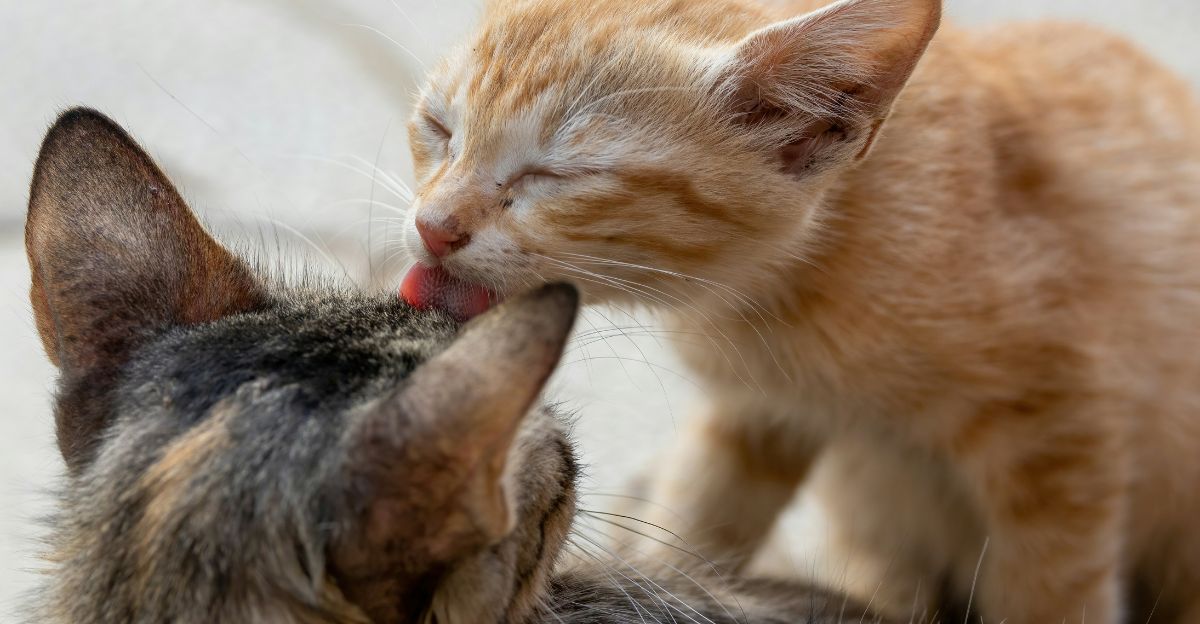
Have you ever watched two cats gently licking each other and wondered what’s really going on? When cats groom each other, it’s more than just cleaning—it’s a powerful way they connect and communicate.
Understanding this simple act can reveal a lot about your cat’s feelings and their bond with others. If you want to know why your cat spends time grooming a friend or even you, keep reading. This insight will change the way you see their behavior and deepen your connection with your furry friend.

Credit: www.youtube.com
Why Cats Groom Each Other
Cats grooming each other is more than just cleaning. It shows their feelings and connections. This behavior tells us a lot about their relationships and emotions.
Social Bonding Benefits
Grooming helps cats build strong friendships. It creates trust and closeness between them. Cats feel safer and happier with grooming partners. This act strengthens their group bonds and keeps peace.
Hierarchy And Dominance
Grooming also shows who leads the group. Higher-ranking cats often groom lower-ranking ones. This shows control and respect in their social order. Sometimes, grooming helps reduce conflicts and keeps order stable.
Stress Relief And Comfort
Grooming calms cats and lowers stress. The gentle licking feels soothing and safe. It helps them relax during tense moments. Cats also groom each other to share comfort and care.

Credit: www.companionanimalpsychology.com
How Cats Choose Grooming Partners
Cats do not groom each other randomly. They select grooming partners with care. This choice reveals much about their social bonds. Grooming helps cats build and maintain these connections. It also shows which cats feel safe and close to each other.
Family And Kinship
Many cats groom their family members first. Mothers groom their kittens to keep them clean and safe. Siblings often groom one another to strengthen their bond. This behavior helps keep the family group tight. It creates a sense of belonging and security.
Friendship Among Cats
Cats can form friendships beyond family ties. They choose friends who share space and time. Grooming is a way to show affection and trust. Friends often groom each other in quiet moments. This mutual care makes the friendship stronger.
Trust And Familiarity
Grooming requires trust between cats. Cats only groom those they feel comfortable with. It is a sign of respect and acceptance. Strangers or unfamiliar cats rarely get groomed. Familiarity builds over time through shared experiences.
Physical And Emotional Effects Of Mutual Grooming
Mutual grooming among cats is more than a simple act of cleaning. It creates strong physical and emotional benefits for them. This behavior helps maintain their health, lowers stress, and builds close bonds.
Health And Cleanliness
Cats groom each other to remove dirt and loose fur. This keeps their coats clean and reduces the risk of skin problems. Grooming helps spread natural oils across their fur, which keeps it soft and shiny. It also helps cats reach areas they cannot clean alone.
Calming And Anxiety Reduction
Mutual grooming releases calming hormones like endorphins in cats. This lowers their stress and anxiety levels. The gentle touch and rhythmic motion soothe cats, making them feel safe. Grooming sessions often happen after tense moments to help cats relax.
Strengthening Relationships
Grooming builds trust and friendship between cats. It shows care and acceptance within the group. Cats that groom each other often have stronger social bonds. This behavior helps reduce conflicts and creates a peaceful environment.
When Grooming Signals Trouble
Grooming between cats is usually a sign of trust and bonding, but sometimes it can signal that something is wrong. When grooming changes from a gentle, caring behavior to something more intense or uncomfortable, it’s a warning sign. Paying attention to these shifts can help you understand your cats better and intervene before problems grow.
Excessive Grooming
If you notice one cat grooming another nonstop or for unusually long periods, it might be a sign of stress or anxiety. Excessive grooming can irritate the skin and cause discomfort. Sometimes, cats over-groom to cope with changes in their environment or tension between them.
Have you ever seen your cat licking another so much that the fur looks worn or patchy? That’s a clear signal to watch closely and possibly consult a vet or behaviorist. It’s not just about cleanliness—too much grooming can hurt your cat’s well-being.
Avoidance And Rejection
When one cat starts avoiding or rejecting grooming from another, it may indicate a problem in their relationship. Cats usually accept grooming as a social gesture, so refusal can mean discomfort or distrust. This behavior often appears before more obvious conflicts arise.
Think about your cats’ body language during grooming sessions. Is one cat turning away, flattening its ears, or moving out of reach? These signs suggest your cat is not feeling safe or happy with the interaction. Ignoring these signals can lead to increased tension.
Aggression During Grooming
Grooming that suddenly turns into biting, swatting, or growling is a clear sign that something is wrong. Aggression during grooming can stem from overstimulation, pain, or fear. It’s important to watch for these behaviors to prevent injuries and stress.
Have you experienced a peaceful grooming session that ended in a sudden hiss or scratch? This shift means your cat’s comfort level changed quickly. Respecting their boundaries and understanding these moments can improve their relationship and reduce conflict.
How Owners Can Encourage Positive Grooming
Cats grooming each other shows trust and friendship. Owners can support this by creating a calm, safe space for their pets. Encouraging gentle play and bonding helps promote positive grooming habits.
Cats grooming each other is more than a cute display; it’s a sign of affection and social bonding. Encouraging this positive grooming behavior can enhance your cats’ relationship and create a harmonious household. How can you support this natural behavior? Let’s dive into some practical strategies that will help you foster a loving environment for your furry friends.Creating A Stress-free Environment
Cats are sensitive creatures. They thrive in a calm and peaceful setting. Ensure that your home is a sanctuary where they feel safe and secure. Provide plenty of hiding spots and cozy resting places. This gives them the freedom to retreat when they need a break. Maintain a consistent routine. Cats appreciate knowing what to expect, and this predictability reduces stress.Introducing New Cats Carefully
Bringing a new cat into the home can disrupt existing dynamics. A slow and careful introduction is key to encouraging positive interactions. Start with scent swapping. Rub a cloth on each cat and place it in the other’s space to familiarize them with each other’s scent. Use a baby gate or cracked door for initial meetings. This allows them to see and smell each other without direct contact.Recognizing And Supporting Bonds
Pay attention to your cats’ interactions. Recognizing when they are developing a bond can help you support it effectively. Reward positive behavior with treats or affection. When you see them grooming each other, offer a gentle pet or a tasty treat. Observe their body language. Cats often communicate their feelings through subtle cues. Be supportive when they show signs of wanting to be close. By creating a supportive and nurturing environment, you can play a crucial role in helping your cats form strong, positive bonds. What measures are you taking to encourage your cats to groom each other and strengthen their relationship?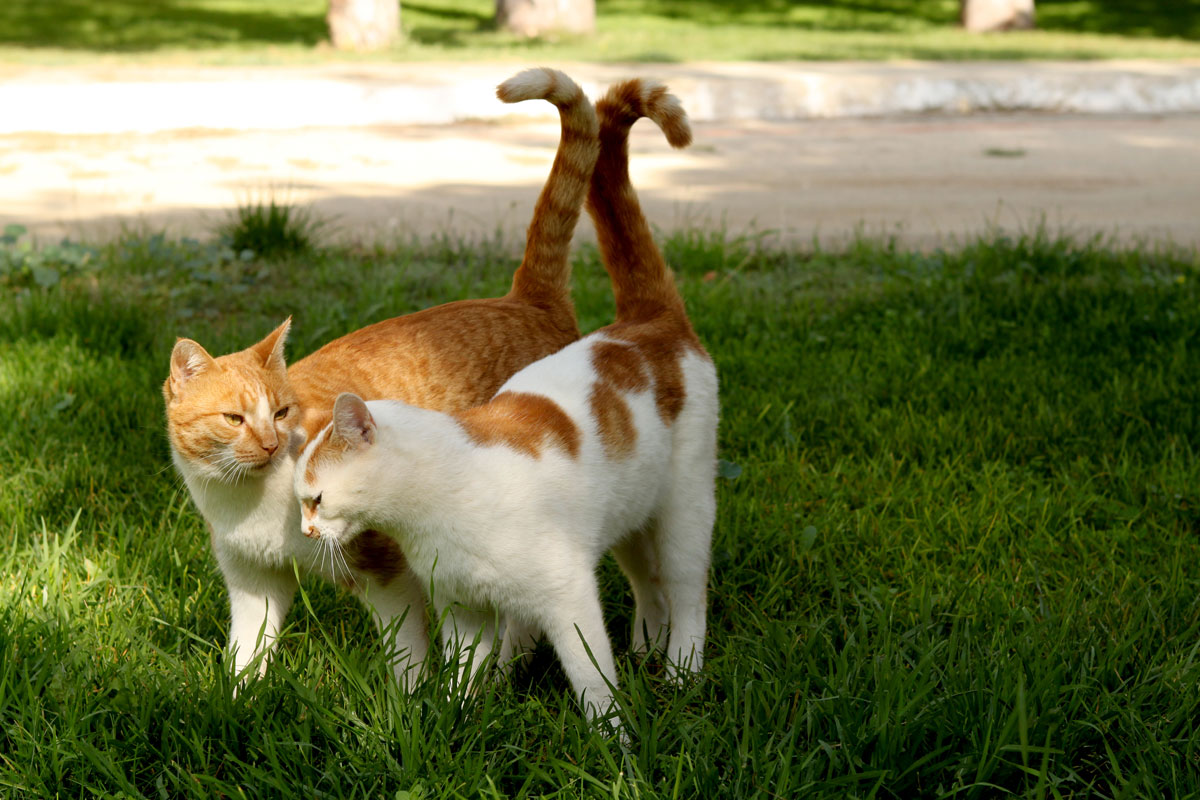
Credit: www.companionanimalpsychology.com
Frequently Asked Questions
Why Do Cats Groom Each Other Frequently?
Cats groom each other to strengthen social bonds and show affection. This behavior promotes trust and reduces stress in their group. It also helps keep their fur clean and free of parasites. Mutual grooming is a sign of a healthy, friendly relationship between cats.
Does Mutual Grooming Mean Cats Are Close Friends?
Yes, mutual grooming usually indicates strong social bonds between cats. It shows they trust and feel comfortable with each other. Cats often groom close friends or family members to reinforce their connection. This behavior is common among cats living together peacefully.
Can Cats Groom Each Other To Reduce Stress?
Absolutely. Grooming helps cats relax and reduces stress hormones. When cats groom each other, it creates a calming effect and promotes a peaceful environment. This social grooming helps cats feel safe and secure within their group.
Is Grooming A Way Cats Communicate Affection?
Yes, grooming is a key form of affectionate communication in cats. It shows care, love, and acceptance between cats. This behavior helps maintain harmony and social structure within their group. Grooming is a natural way cats express positive feelings.
Conclusion
Cats grooming each other shows trust and friendship. It helps them feel safe and calm. This behavior builds strong bonds between cats. Grooming also keeps their fur clean and healthy. Watching cats groom is a sign of their love. It tells you they enjoy each other’s company.
So, when cats groom each other, it means a lot more than just cleaning. It is a way they say, “You matter to me. ” Understanding this helps you see your cats’ feelings better.




Leave a Reply