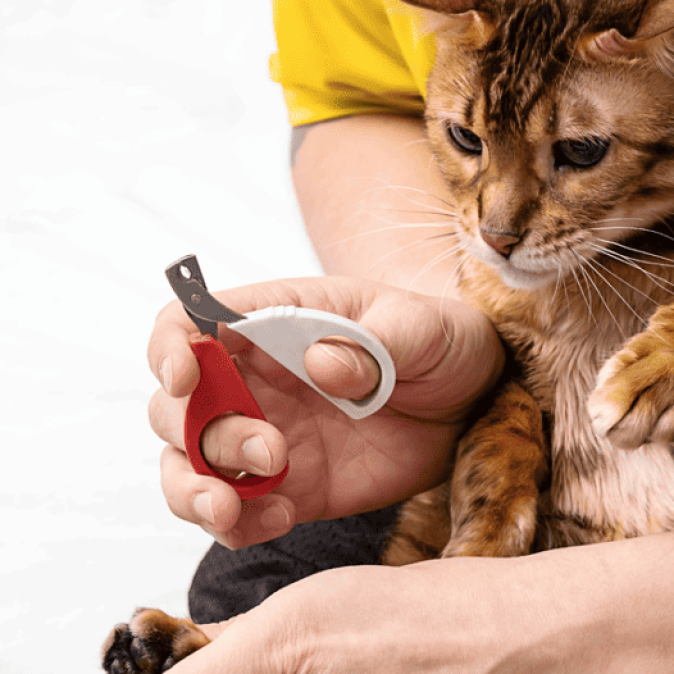
Are your cat’s sharp claws causing scratches on your furniture or even your skin? You’re not alone.
Luckily, there’s a simple and fun way to help keep your cat’s claws dull—using the right toy. By choosing and using the perfect toy, you can protect your home and keep your furry friend happy at the same time. Ready to discover how to make your cat’s claws less sharp without any stress?
Keep reading, and you’ll learn easy steps that really work.
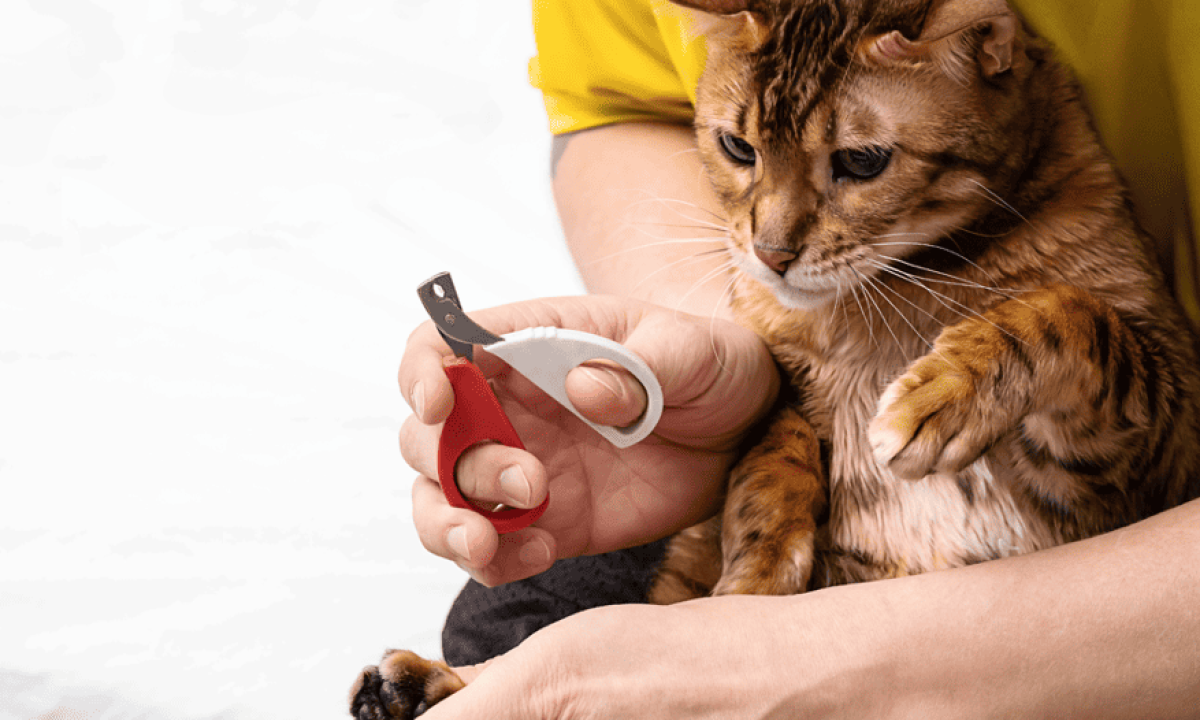
Credit: getodie.com
Choosing The Right Toy
Choosing the right toy is key to keeping your cat’s claws dull and healthy. The right toy not only entertains but also encourages natural scratching behavior that files down sharp tips. It’s about finding something that fits your cat’s preferences and helps protect your furniture at the same time.
Materials That Soften Claws
Look for toys made from soft yet durable materials like sisal, felt, or natural fibers. These materials gently wear down your cat’s claws without causing pain or damage.
For example, sisal-covered scratching posts are great because they provide resistance that trims claws effectively. Felt or fabric-covered toys can also help, especially for cats who like to bat and scratch.
Have you noticed your cat’s reaction to different textures? Their preference can guide your choice toward materials that work best to keep claws dull.
Interactive Toys For Engagement
Toys that move or respond to your cat’s actions encourage more frequent play and scratching. Interactive toys like feather wands, motorized mice, or laser pointers keep your cat active and focused.
More activity means more opportunities for your cat to file their claws naturally. Plus, you get to bond with your pet during playtime.
Try watching how your cat interacts with various toys — do they prefer chasing or swatting? Your observation will help select toys that keep their claws in check.
Size And Shape Considerations
Choose toys that are easy for your cat to grip and scratch. Toys that are too small might be ignored, while overly large ones can be cumbersome.
Long, slender toys like wand teasers allow cats to stretch and scratch effectively, which helps dull claws. Alternatively, sturdy blocks or pads that stand upright offer surfaces for deep scratching.
Does your cat like to scratch vertically or horizontally? Aligning the toy’s shape with their natural behavior makes claw maintenance easier.

Credit: www.purina.com
Encouraging Play Behavior
Encouraging your cat to play regularly is key to naturally dulling their claws with a toy. Play behavior not only keeps your cat engaged but also helps wear down sharp nails as they scratch and pounce. Understanding how to time play sessions, use treats effectively, and create a playful environment can make a big difference in your cat’s claw care routine.
Timing Play Sessions
Catch your cat when they’re most active, usually early morning or evening. Short, frequent play sessions of about 10-15 minutes work best to keep their interest high. Avoid long sessions that tire them out quickly or short ones that leave them unfulfilled.
Have you noticed your cat’s energy spikes at certain times? Align your play sessions with these moments for better results. Consistency in timing helps your cat expect play, making them more eager to engage.
Using Treats As Motivation
Treats can boost your cat’s enthusiasm during play, especially if they are hesitant at first. Use small, healthy treats as rewards when your cat interacts with the toy or scratches on it. This positive reinforcement encourages them to repeat the behavior.
Try pairing treats with new toys to spark curiosity. If your cat loves a particular flavor, reserve those treats only for playtime to make the experience special. What kind of treats does your cat respond to best?
Creating A Playful Environment
Set up a space that invites your cat to play with their toys. Place scratching posts or toys in quiet, well-lit areas where your cat feels safe. Rotate toys regularly to keep things fresh and exciting.
Adding climbing structures or hiding spots can make play more interactive and satisfying. Have you thought about how your cat’s environment affects their willingness to play? Small changes can lead to big improvements in their claw-dulling activity.
Techniques To Dull Claws
Keeping your cat’s claws dull is key to protecting your furniture and skin. Toys play a huge role in this by providing the right kind of resistance and texture. Using the right techniques with toys helps your cat naturally wear down their claws without stress or harm.
Scratching Surfaces On Toys
Look for toys with rough or coarse surfaces like sisal, cardboard, or wood. These materials encourage your cat to scratch vigorously, which helps shed the outer layers of their claws. Place these toys where your cat likes to hang out to boost their interest.
Have you noticed how cats prefer certain textures for scratching? Offering a variety of scratching surfaces on toys can keep them engaged longer, making claw dulling a fun activity. This also reduces their urge to scratch your couch or curtains.
Rolling And Biting Actions
Toys that roll or can be bitten provide dynamic interaction, wearing down claws from different angles. Balls with textured surfaces or soft chew toys invite your cat to paw and bite, naturally dulling their claws over time. These movements mimic hunting behavior, keeping your cat mentally and physically active.
Try observing how your cat uses their paws and mouth when playing. Toys that encourage these combined actions can be more effective for claw maintenance. This also adds variety, preventing boredom and increasing the chance your cat will regularly use their toys.
Safe Claw-wearing Activities
Not all claw-wearing activities are safe, so choose toys designed with your cat’s health in mind. Avoid toys with sharp edges or small parts that could break off and be swallowed. Soft, durable toys that resist tearing protect your cat’s paws and claws while providing effective claw dulling.
Encourage your cat to interact with toys that promote gentle scratching and biting rather than aggressive clawing. This reduces the risk of injury to both your cat and your belongings. Do you know which toys your cat prefers that also keep their claws in check?
Maintaining Claw Health
Maintaining your cat’s claw health is more than just keeping them dull—it’s about ensuring your feline friend stays comfortable and injury-free. Sharp claws can cause discomfort or accidentally harm you, while overly dull or neglected claws might lead to infections or difficulty in climbing and playing. Using toys to naturally wear down claws is a smart, gentle way to support claw health, but it should be paired with attentive care and good habits.
Regular Inspection And Cleaning
Check your cat’s claws regularly—look for cracks, splits, or debris stuck around the nail bed. Dirt and litter can accumulate and cause infections if left unattended. Gently clean your cat’s paws with a damp cloth during these checks to keep the area fresh and healthy.
I once found a small splinter hidden under my cat’s claw during a routine check. It wasn’t visible until I inspected closely, and removing it prevented a painful infection. Could you be overlooking similar signs?
When To Trim Claws
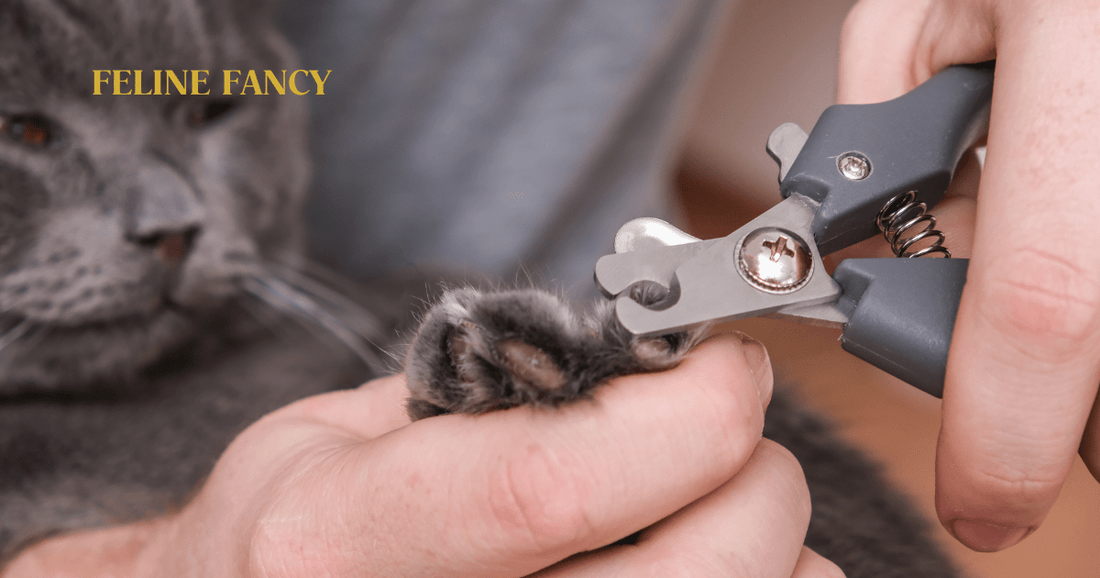
Even with toys to help dull claws, trimming is necessary sometimes. Trim when you notice claws curling under or when they extend past the pad. Overgrown claws can get caught and cause injury.
Use sharp, cat-specific nail clippers and cut only the sharp tip to avoid hitting the quick—the sensitive part inside the claw. If you’re unsure, ask your vet or groomer to show you the right technique. Have you checked if your cat’s claws need a trim today?
Avoiding Overuse Of Toys
Toys are great for claw maintenance but too much can cause wear and tear on your cat’s paws. Overuse might lead to soreness or even bruising, making your cat avoid playtime altogether. Balance play sessions with rest to keep claws healthy and your cat happy.
Notice how your cat reacts after vigorous play—if you see limping or licking paws excessively, it’s a sign to cut back. What signs does your cat show when it’s had enough? Paying attention can prevent injury and keep claw health on track.
Signs Of Effective Claw Dulling
Understanding the signs of effective claw dulling is essential for cat owners. Dulling your cat’s claws with toys can lead to a more harmonious home. Here are some indicators that the process is working well.
Reduced Sharpness
Gently touch your cat’s claws. You should notice less sharpness. This means the toys are helping to dull them. Observe any changes in scratch marks on furniture or skin. Softer claw tips mean less damage.
Behavioral Changes
Watch for positive changes in your cat’s behavior. A cat with duller claws is less likely to scratch aggressively. You might see less anxiety and more playfulness. This suggests they feel more comfortable.
Improved Comfort For Cat And Owner
Both you and your cat will experience greater comfort. Handling your cat becomes easier and safer. Less worry about getting scratched. Your cat enjoys a stress-free environment with fewer reprimands.
Credit: felinefancy.co.uk
Frequently Asked Questions
How Does A Toy Help Dull A Cat’s Claws?
A toy encourages cats to scratch and play, naturally wearing down their sharp claws. This prevents damage to furniture and keeps claws healthy.
What Types Of Toys Are Best For Dulling Claws?
Scratching posts, cardboard scratchers, and interactive toys are ideal. They provide surfaces that safely file down claws during play.
How Often Should Cats Use Toys To Dull Claws?
Daily play sessions of 10-15 minutes help maintain claw sharpness. Consistent use prevents nails from becoming too long or sharp.
Can Dulling Claws With Toys Prevent Scratching Damage?
Yes, dull claws reduce the risk of scratches on furniture and skin. Toys redirect scratching behavior to appropriate surfaces.
Conclusion
Using a toy to dull your cat’s claws helps protect your furniture. It keeps your cat happy and active while trimming nails naturally. Choose toys that encourage scratching and playing often. This way, your cat’s claws stay healthy and less sharp.
Remember, patience and consistency bring the best results. Enjoy a safer home and a content cat.




Leave a Reply