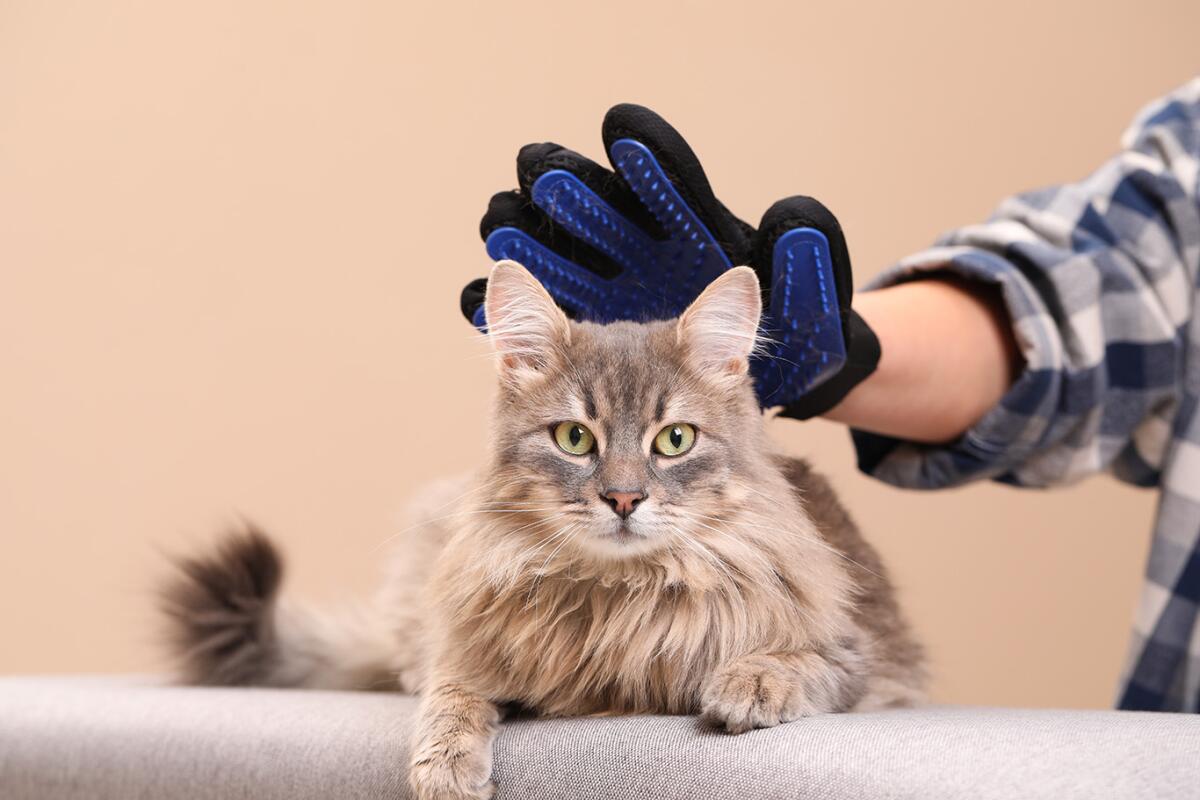
Have you noticed your cat spending more time licking or biting its fur than usual? Excessive grooming in cats might seem like a harmless habit, but it could be a sign that something isn’t quite right.
Understanding what counts as too much grooming can help you protect your furry friend from discomfort and potential health problems. You’ll discover the key signs of excessive grooming and what you can do to keep your cat happy and healthy.
Keep reading to learn how to spot the difference between normal care and a problem that needs your attention.
Causes Of Excessive Grooming
Excessive grooming in cats can be puzzling and concerning for any cat owner. Understanding the causes helps you address the root problem rather than just the symptoms. Grooming is normal, but when it crosses into excess, it often signals something deeper.
Medical Reasons
Health issues are a common cause of over-grooming. Skin allergies from food or fleas can irritate your cat’s skin, prompting them to lick or chew excessively. Pain from arthritis or an injury can also make grooming a way to soothe discomfort.
Sometimes, underlying infections or parasites are the hidden culprits. If your cat suddenly starts grooming more than usual, a vet visit to check for these medical conditions is crucial. Ignoring medical causes can lead to worsening symptoms and more stress for your cat.
Behavioral Triggers
Stress and anxiety often push cats into repetitive grooming habits. Changes in the household, like a new pet or moving, can make your cat feel unsettled. Grooming becomes a coping mechanism, similar to how some people bite their nails when nervous.
Have you noticed your cat grooming more after a loud noise or during a thunderstorm? That’s a sign behavioral triggers are at play. Addressing these triggers through environmental enrichment or calming products can help reduce excessive grooming.
Environmental Factors
Sometimes, the environment itself encourages over-grooming. Dry air, harsh cleaning chemicals, or even certain fabrics can irritate your cat’s skin. Outdoor cats may encounter allergens or irritants that lead to increased grooming.
Think about your cat’s daily surroundings. Is their bedding clean and soft? Are there new plants or cleaners in the house? Small changes in the environment might be the key to stopping excessive grooming before it escalates.

Credit: www.reddit.com
Recognizing The Signs
Spotting excessive grooming in your cat can be tricky, especially if you’re used to their regular cleaning habits. But recognizing when grooming turns from normal to excessive is crucial for your cat’s health. You might notice subtle signs before the problem becomes serious.
Physical Symptoms
Look closely at your cat’s skin and fur. Excessive grooming often leads to bald patches, redness, or sores. You might also see scabs or crusty spots where your cat has been licking or biting too much.
Have you ever felt the fur on your cat’s belly or legs and noticed it was thinner than usual? That’s a strong indicator of over-grooming. Sometimes, the skin looks shiny or irritated, signaling discomfort your cat tries to soothe.
Behavioral Changes
Pay attention to shifts in your cat’s daily routine. Is your cat grooming more frequently or intensely than before? Excessive licking or chewing often replaces normal play or rest time.
Your cat might also seem restless or anxious, pacing or hiding more. These changes can point to stress or discomfort causing the grooming behavior. Ask yourself if there have been recent changes in your cat’s environment or routine that might trigger this.
Common Areas Affected
Excessive grooming usually targets specific spots. You’ll often find hair loss or irritation on the belly, legs, or around the tail. Cats may also focus on one paw or a particular side of their body.
Notice if your cat repeatedly licks the same area, like the chest or underarms. This focused grooming can reveal where the problem lies, whether it’s allergies, pain, or stress. Understanding these patterns helps you address the root cause faster.
Health Risks Linked To Over Grooming
Excessive grooming in cats isn’t just a harmless habit—it can lead to serious health problems. When your cat overgrooms, it damages their skin and fur, making them vulnerable to a range of issues. Understanding these risks helps you recognize when your cat needs help before things get worse.
Skin Irritations
Over grooming often causes redness and soreness on your cat’s skin. The constant licking removes natural oils that protect the skin, leaving it dry and irritated. Have you noticed your cat scratching or rubbing a specific spot repeatedly? That could be a clear sign of skin irritation from over grooming.
Hair Loss
One of the most visible signs of excessive grooming is hair loss. Your cat might develop bald patches where they’ve licked too much. This not only affects their appearance but also exposes sensitive skin to environmental damage.
Infections
Open sores from over grooming create entry points for bacteria and fungi. This can lead to painful infections that require veterinary treatment. If your cat’s skin looks swollen, has a bad smell, or your cat seems uncomfortable, infections could be the culprit.
Diagnostic Steps
Understanding what counts as excessive grooming in your cat starts with careful diagnosis. It’s not just about seeing bald spots or raw skin; it’s about uncovering the root cause behind your cat’s behavior. The diagnostic steps involve a detailed look at physical health, possible allergies, and behavioral patterns.
Veterinary Examination
A thorough veterinary exam is the first must-do. Your vet will look for skin infections, parasites, or wounds that might be causing discomfort. Don’t be surprised if they check your cat’s overall health too—sometimes underlying illness triggers grooming issues.
Notice if your cat reacts strongly to touch or shows signs of pain. These clues help your vet pinpoint if the grooming is due to a physical problem or something else entirely.
Allergy Testing
Allergies often hide behind excessive grooming. Your vet might suggest allergy tests to identify environmental or food allergens. Pinpointing specific triggers can be a game-changer for your cat’s comfort.
Think about your cat’s environment—have you recently changed their food, litter, or cleaning products? Tracking these changes alongside test results can help you and your vet make informed decisions.
Behavioral Assessment
Sometimes, excessive grooming is a sign of stress or boredom. A behavioral assessment looks at your cat’s daily routine, interactions, and environment. Are there new pets, loud noises, or changes in the household?
Reflect on your cat’s activity levels and mental stimulation. Adding puzzle toys or extra playtime might reduce stress-driven grooming. Have you noticed your cat grooming more when you’re away or during quiet moments? This insight can be crucial.
Treatment Options
Excessive grooming in cats might indicate stress or skin issues. Treatment options include addressing underlying health problems, reducing stressors, and providing environmental enrichment. Regular vet check-ups can help identify and manage these behaviors effectively.
Understanding what constitutes excessive grooming in cats is crucial for ensuring their health and well-being. Excessive grooming can lead to skin problems and hair loss, causing discomfort to your feline friend. If your cat is showing signs of over-grooming, it’s important to explore the various treatment options available to help them return to a normal grooming routine. Here’s how you can address this issue effectively.Medical Interventions
Sometimes, excessive grooming is due to underlying health issues such as allergies, infections, or parasites. A visit to the vet can help diagnose these problems. Treatment might involve medications like antihistamines or antibiotics to tackle the root cause. In some cases, hormonal imbalances could be the culprit. Your vet might suggest hormone therapy to regulate their system. Regular check-ups can be beneficial in monitoring your cat’s progress.Behavioral Therapies
Stress and anxiety can lead to over-grooming in cats. Identifying triggers is the first step in behavioral therapy. Consider consulting with a pet behaviorist who can offer strategies tailored to your cat’s specific needs. Training your cat to engage in alternative activities can also help. Introduce interactive toys and play sessions to keep their mind occupied. Have you noticed if your cat grooms excessively when you’re away? Addressing separation anxiety might be key.Environmental Adjustments
Your cat’s environment plays a significant role in their grooming habits. Ensure they have a safe, quiet space to retreat to. Reducing environmental stressors can make a big difference. Consider adding scratching posts or climbing structures to give them a physical outlet. Are there enough opportunities for mental stimulation? Simple changes like these can reduce stress-induced grooming. How do you ensure your cat feels secure and comfortable at home? Small changes can have a big impact on their overall happiness and reduce excessive grooming.Preventing Excessive Grooming
Preventing excessive grooming in cats requires a balanced approach. Cats may groom too much due to stress, health issues, or poor nutrition. Reducing these triggers helps keep grooming normal and healthy. Careful attention to your cat’s environment and needs can stop problems before they start.
Stress Reduction Techniques
Stress often causes cats to groom excessively. Creating a calm space helps your cat feel safe. Provide quiet areas where your cat can relax without disturbance. Use gentle playtime to reduce anxiety and build trust. Consistent routines also lower stress and promote comfort. Avoid sudden changes in the home to keep your cat calm.
Regular Health Checks
Health problems can lead to over-grooming. Regular vet visits catch skin issues or allergies early. Check for fleas, ticks, or infections that cause itching. Your vet can suggest treatments if medical problems exist. Keeping vaccinations and parasite control updated supports skin health. Early action prevents grooming from becoming excessive.
Proper Nutrition
Good food supports healthy skin and fur. Balanced diets give essential vitamins and fatty acids. Omega-3 and omega-6 help reduce inflammation and dryness. Avoid feeding foods with fillers or allergens. Fresh water should always be available to keep skin hydrated. Healthy nutrition lowers the chance of skin irritation and over-grooming.
When To Seek Professional Help
Excessive grooming in cats can cause serious health problems. Knowing when to seek professional help is crucial. Early intervention prevents worsening issues and ensures your cat stays healthy and comfortable.
Warning Signs
- Visible bald spots or raw skin patches
- Constant licking or biting in one area
- Redness, swelling, or sores on the skin
- Changes in behavior, such as restlessness or hiding
- Excessive hair loss beyond normal shedding
Spotting these signs early helps prevent infections and pain. Persistent grooming beyond normal cleaning needs professional advice.
Choosing A Specialist
- Look for a veterinarian with experience in feline dermatology
- Check credentials and reviews from other pet owners
- Consider specialists who use gentle, cat-friendly techniques
- Ask about diagnosis methods and treatment options
A qualified specialist will identify underlying causes like allergies or stress. The right expert can tailor treatments for your cat’s needs.
Follow-up Care
- Monitor your cat’s skin and behavior daily
- Keep all vet appointments for progress checks
- Follow medication and treatment instructions carefully
- Provide a calm environment to reduce stress
- Report any new or worsening symptoms promptly
Consistent follow-up ensures healing and prevents relapse. Your involvement supports your cat’s recovery and well-being.

Credit: www.latimes.com
Credit: vogdog.com
Frequently Asked Questions
What Signs Indicate Excessive Grooming In Cats?
Excessive grooming in cats shows as bald spots, skin redness, or sores. Cats may lick or bite one area repeatedly. Notice if your cat grooms more than usual or seems restless.
Why Do Cats Groom Themselves Excessively?
Cats may groom excessively due to stress, allergies, parasites, or skin infections. It can also be a response to pain or boredom. Identifying the cause helps in proper treatment.
How Can Excessive Grooming Affect My Cat’s Health?
Excessive grooming can cause skin irritation, hair loss, and infections. It may lead to open wounds or scabs. This behavior can impact your cat’s comfort and overall well-being.
When Should I Consult A Vet About Grooming Habits?
Consult a vet if your cat has bald patches, wounds, or persistent itching. Seek help if grooming disrupts their daily life or causes distress. Early diagnosis ensures effective treatment.
Conclusion
Excessive grooming in cats can signal stress or health issues. Watch for bald spots, redness, or wounds on your cat’s skin. Early action helps prevent serious problems. Consult a vet if grooming seems obsessive or causes harm. Your cat’s comfort and health depend on your care.
Stay patient and observe changes closely. Helping your cat feel calm reduces over-grooming risks. Small steps make a big difference in their well-being.

Leave a Reply