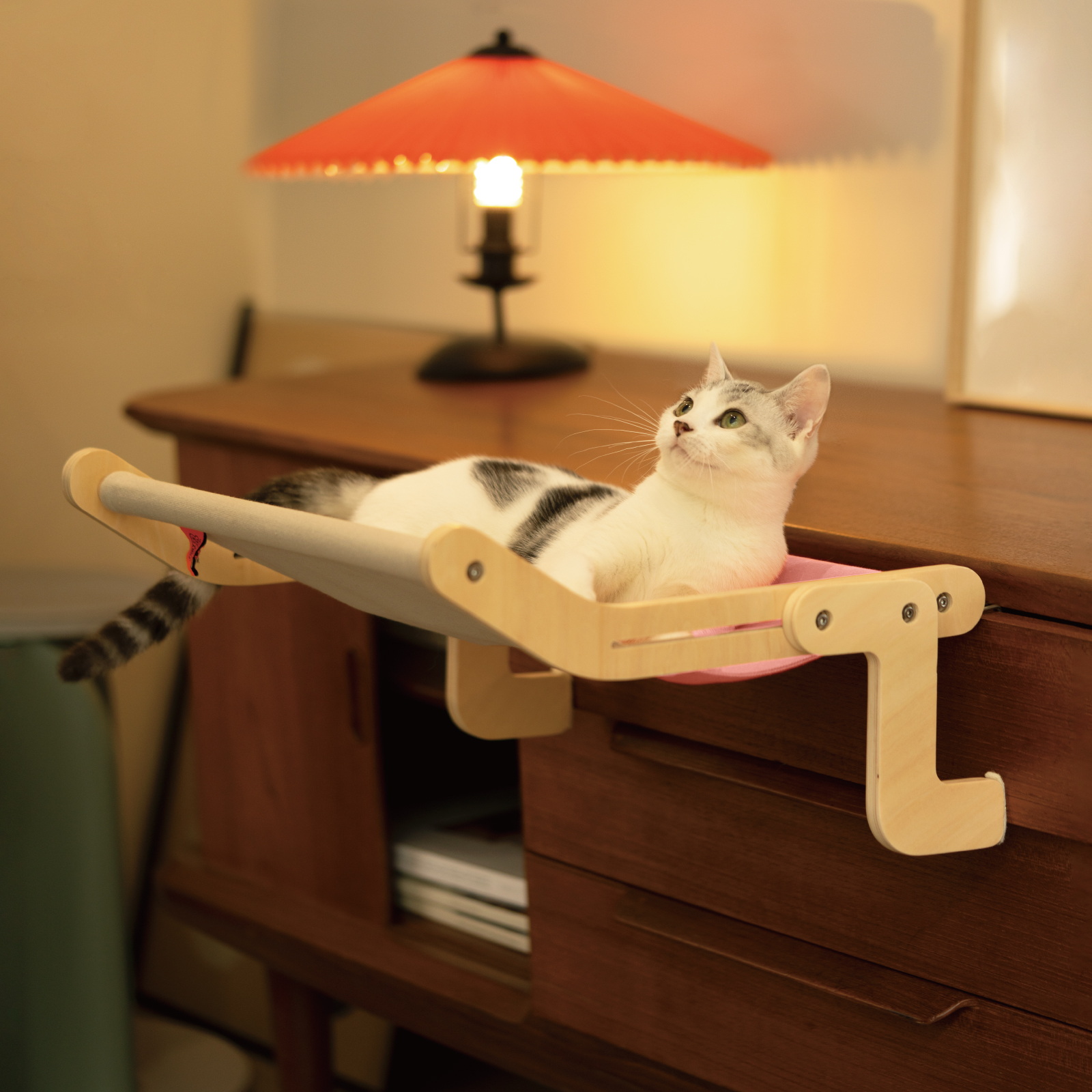
Choosing the right toys for your cat can feel overwhelming. You want to keep your furry friend happy, active, and entertained, but with so many options out there, how do you know what’s best?
Understanding your cat’s unique personality and play style is key. You’ll discover simple tips to identify the perfect toys that match your cat’s needs. Keep reading to unlock the secrets to making playtime fun and rewarding for both you and your cat.
Cat Play Styles
Understanding your cat’s play style can transform the way you choose toys for them. Cats don’t all play the same way, and recognizing their unique preferences helps you pick toys they’ll truly enjoy. Have you noticed how your cat reacts to different toys? This insight can guide you to the perfect playtime match.
Active Hunters
Active hunters thrive on toys that mimic prey. They love chasing, pouncing, and stalking. Toys like feather wands, laser pointers, and small moving objects appeal to their natural instincts.
If your cat darts around the room or crouches before attacking, they’re likely an active hunter. These cats need toys that move unpredictably to keep them engaged. You might even try timed or motorized toys that simulate erratic prey movements to satisfy their hunting drive.
Cautious Observers
Cautious observers prefer to watch before they play. They might hesitate to chase or pounce immediately, instead choosing to study their toys from a distance. Toys with subtle movement or gentle sounds often attract their attention.
For these cats, try soft balls, crinkle toys, or small stuffed animals. They might enjoy toys that don’t overwhelm their senses. Patience is key—offer these toys slowly and watch if curiosity grows over time.
Interactive Players
Interactive players enjoy toys that invite you to join the fun. They seek social play and often respond well to games involving their human companions. Toys like wand teasers, puzzle feeders, and treat-dispensing gadgets work well here.
Have you seen your cat bring toys over to you or nudge your hand? That’s a sign they want you involved. Engaging with your cat using these toys not only entertains them but strengthens your bond too.

Credit: www.happypet.care
Toy Materials
Choosing the right toy materials is key for your cat’s safety and enjoyment. Cats interact with toys by biting, scratching, and pawing. The material affects how long the toy lasts and how much your cat likes it. Some materials feel soft, others are rough or smooth. Understanding these differences helps pick the best toy.
Safe And Non-toxic Options
Always select toys made from safe, non-toxic materials. Cats often chew and swallow small parts. Avoid toys with harmful chemicals or sharp edges. Natural materials like cotton, wool, and untreated wood are good choices. Many plastic toys can be safe if marked non-toxic. Check labels carefully before buying.
Durability Factors
Toys must resist your cat’s claws and teeth. Durable materials last longer and save money. Hard plastics and thick fabrics withstand rough play. Soft materials like felt or thin fabric wear out fast. Consider your cat’s play style. Aggressive chewers need tougher toys. Gentle players enjoy softer options.
Texture Preferences
Cats enjoy different textures in their toys. Some like soft and fluffy, others prefer smooth or crinkly. Toys with varied textures stimulate senses and keep cats interested. Rough surfaces can help clean claws. Smooth toys are easy to carry. Observe your cat’s reactions to find favorite textures.
Popular Toy Types
Choosing the right toys for your cat can transform playtime into a fun and stimulating experience. Different toys appeal to different cat personalities and energy levels. Knowing popular toy types helps you pick what will keep your feline friend engaged and happy.
Feather And Wand Toys
Feather and wand toys mimic the movement of birds, triggering your cat’s natural hunting instincts. You can control the wand to make the feathers flutter and dart, encouraging your cat to jump, pounce, and chase. These toys provide excellent interactive play, strengthening the bond between you and your pet.
Many cat owners notice their pets become more active and less bored with feather toys. If your cat enjoys stalking and pouncing, this toy type will likely be a hit. Have you tried varying the speed or height of the feathers to keep your cat guessing?
Balls And Chasers
Balls and chasers are perfect for cats who love to bat and chase objects around the room. These toys often come with bells or textured surfaces to grab your cat’s attention. They encourage independent play, so your cat stays entertained even when you’re busy.
Some cats prefer lightweight plastic balls, while others like soft fabric ones. Pay attention to what your cat prefers and rotate toys to maintain interest. Do you notice how your cat’s energy changes when playing with different types of chasers?
Puzzle And Treat Toys
Puzzle and treat toys add a mental challenge to playtime by combining fun with rewards. Your cat must figure out how to release treats or kibble, which keeps their mind sharp and prevents boredom. These toys are great for slow feeders and cats that need extra stimulation.
Try different puzzle complexities to find what suits your cat’s problem-solving skills. You’ll see your cat’s excitement grow as they master new challenges. How often do you introduce new puzzles to keep your cat’s brain active?
Age And Health Considerations
Choosing the right toys depends a lot on your cat’s age and health. Different life stages need different types of play. Health also shapes what toys keep your cat safe and happy. Knowing these needs helps you pick toys that suit your cat best.
Kittens’ Needs
Kittens are full of energy and curiosity. They need toys that encourage movement and exploration. Soft toys that they can bite and carry work well. Toys with feathers or small balls stimulate their hunting instincts. Avoid toys with small parts that they can swallow.
Adult Cat Preferences
Adult cats enjoy toys that challenge their skills. Puzzle toys or interactive toys keep their minds sharp. Balls, laser pointers, and wand toys encourage exercise. They prefer toys that mimic prey movements. Rotate toys regularly to keep interest high.
Senior Cat Safety
Senior cats need gentle toys that don’t strain their bodies. Soft, lightweight toys are ideal. Avoid toys that require jumping or quick moves. Toys that encourage slow play help maintain mobility. Monitor their health and adjust toys as needed.
Diy Toys And Homemade Options
Understanding your cat’s play style is essential for choosing toys. Observe if your cat prefers chasing, batting, or pouncing activities. Create simple DIY toys like cardboard boxes or feather wands to match their playful instincts.
DIY toys for cats offer a fun and cost-effective way to engage your feline friend. Homemade options allow you to customize toys to suit your cat’s preferences. They can be as simple or as creative as you like. Plus, using household items can often reduce waste and save money.Simple Household Items
Cats love exploring new textures and sounds. Everyday items can become exciting toys. Here are a few ideas:- Paper bags: Cats enjoy hiding and playing inside them.
- Cardboard boxes: Create a playhouse or tunnel for your cat.
- Old socks: Fill them with catnip for an instant toy.
- Wine corks: Cats like batting them around the floor.
- String or yarn: Supervised play with string can be engaging.
Creative Craft Ideas
Unleash your creativity with these simple craft ideas for cat toys:- Feather wands: Attach feathers to a stick for a fun chase toy.
- Pom-pom balls: Easy to make and soft for batting.
- Fabric mice: Sew small stuffed mice using scrap fabric.
- Catnip pillows: Sew small fabric squares filled with catnip.
- Toilet paper rolls: Cut them into rings for rolling toys.

Credit: www.amazon.ca
Monitoring Playtime
Monitoring playtime is essential to understanding what toys truly capture your cat’s interest. Observing how your cat interacts with different toys helps you tailor their play sessions to match their unique preferences and energy levels. This careful attention not only keeps your cat entertained but also prevents frustration or boredom that might arise from unsuitable toys.
Signs Of Engagement
Watch for clear signs that your cat is enjoying a toy. Is your cat batting, pouncing, or chasing it eagerly? These actions show genuine interest and excitement.
Look for focused attention, such as your cat staring intently or stalking the toy. Sometimes, a slight twitch of the tail or playful meows also indicate engagement.
If your cat carries the toy around or returns to it repeatedly, it’s a strong sign they’ve found a favorite. Have you noticed any toys your cat prefers over others during playtime?
Avoiding Overstimulation
It’s easy to get carried away with play, but too much can stress your cat. Signs like frantic darting, excessive vocalizing, or abrupt stops might mean your cat is overstimulated.
Give your cat breaks between play sessions to calm down. Short, frequent playtimes work better than long, intense ones.
Try rotating toys to keep play fresh but avoid overwhelming your cat with too many choices at once. How often do you pause play to check if your cat needs a breather?
Toy Maintenance
Keeping your cat’s toys in good shape is more important than you might think. Well-maintained toys stay safe and fun for your furry friend, and they last longer too. Neglecting toy care can lead to hygiene issues and even injuries for your cat.
Cleaning Tips
Regular cleaning keeps toys free from germs and dirt. Soft toys can usually be washed in warm, soapy water. Rinse well and air dry completely before giving them back to your cat.
Hard toys, like plastic or rubber, can be wiped with a damp cloth and mild detergent. Avoid harsh chemicals that might harm your cat if ingested. For interactive toys with batteries, check the manufacturer’s cleaning instructions to avoid damage.
Have you ever noticed your cat losing interest in a toy? Sometimes, a quick clean can renew their excitement. Try cleaning toys weekly, especially those your cat chews or bats around a lot.
When To Replace Toys
Inspect toys regularly for signs of wear and tear. Torn fabric, loose parts, or broken pieces can be dangerous if swallowed or cause choking. Replace toys immediately if you spot any damage.
Cats often show clear signs when a toy is no longer fun or safe. If your cat stops playing with a toy or seems frustrated, it might be time for a new one. Think about the toy’s durability—some materials last longer than others.
Remember, keeping your cat’s playthings safe is part of responsible pet care. What’s the last toy you tossed out because it was worn? That’s a good reminder to check your cat’s collection regularly.

Credit: www.amazon.ca
Frequently Asked Questions
What Are The Best Toys For Different Cat Personalities?
Choose toys based on your cat’s personality. Active cats enjoy interactive toys, while shy cats prefer soft, quiet ones. Observe your cat’s behavior to find the best fit. Variety keeps cats engaged and happy.
How Do I Identify Safe Toys For My Cat?
Safe cat toys are non-toxic, free of small parts, and durable. Avoid toys with sharp edges or loose strings that can be swallowed. Always supervise playtime to ensure your cat’s safety.
Why Do Cats Prefer Certain Types Of Toys?
Cats choose toys that mimic prey, like feathers or moving objects. Their hunting instincts drive this preference. Toys that stimulate stalking, chasing, and pouncing satisfy their natural behaviors and keep them entertained.
How Often Should I Rotate Cat Toys?
Rotate cat toys weekly to maintain interest. This prevents boredom and keeps your cat mentally stimulated. Introducing new toys or changing old ones renews excitement during playtime.
Conclusion
Choosing the right toys helps keep your cat happy and healthy. Watch how your cat plays to find their favorites. Toys that match their energy and style work best. Simple toys often bring the most joy and exercise. Change toys often to keep your cat curious and active.
Pay attention to safety and avoid small, breakable parts. A playful cat is a joyful cat. Enjoy the fun moments with your furry friend!




Leave a Reply