
Choosing the right dog for your family can feel overwhelming, especially when you want a pet that gets along well with both your kids and cats. You want a dog that’s gentle, patient, and friendly—one that fits smoothly into your busy home.
But how do you find that perfect match? You’ll discover which dog breeds are known for being great companions to children and feline friends alike. Keep reading to find the best furry addition for your loving household.
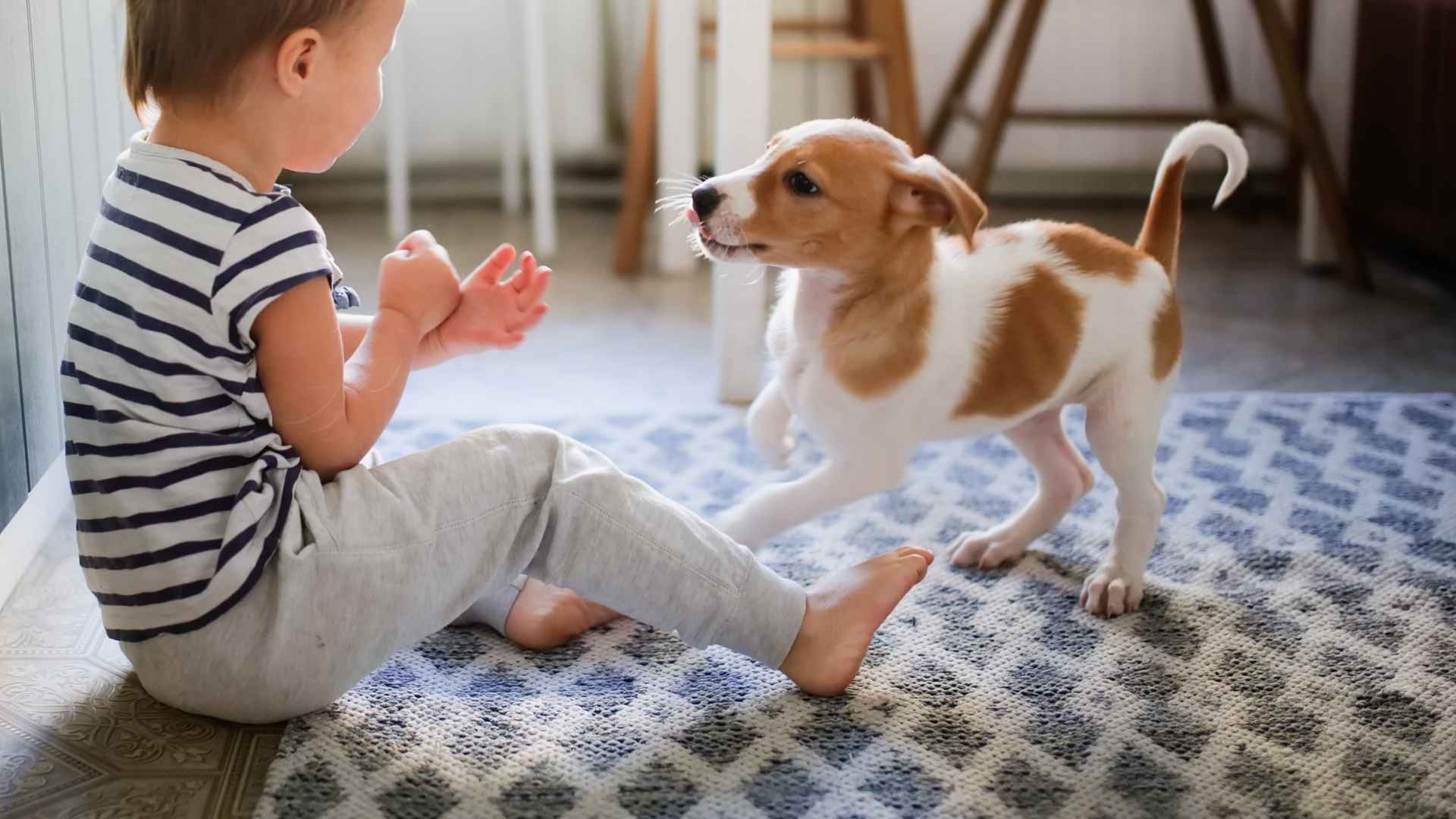
Credit: worldanimalfoundation.org
Traits Of Family-friendly Dogs
Choosing a dog that fits well with your kids and cats means looking beyond just breed names. Family-friendly dogs share certain traits that make them easier to live with in a busy home. Understanding these traits helps you find a pet that will blend smoothly into your household and create lasting bonds.
Temperament And Patience
Dogs that are calm and patient tend to do better around children and cats. A dog’s ability to tolerate noise, sudden movements, and sometimes rough play is crucial. You want a companion who won’t get easily frustrated or reactive, even if your kids are still learning how to interact gently.
Think about a dog that remains calm when a child accidentally pulls its tail or a cat darts across the room. Such patience prevents stress and accidents, fostering a safer environment for everyone. Have you noticed how some dogs naturally seem to “read the room” and adjust their behavior accordingly?
Energy Levels And Playfulness
Matching your dog’s energy with your family’s lifestyle is key. High-energy dogs can keep up with active kids who love running and playing outside. On the other hand, dogs with moderate or low energy might be better if your household enjoys quieter, indoor activities.
Playfulness is another important factor. Dogs that enjoy interactive games can become your children’s best playmates, while those less interested in play might prefer gentle affection. How often do you see your kids wanting to engage with a dog? That energy match can make all the difference.
Size Considerations
Size affects safety and comfort for both kids and cats. Large dogs might accidentally knock over small children during play, while tiny dogs can be fragile and get hurt by rough handling. Medium-sized dogs often strike a good balance, being sturdy yet manageable.
Also, think about your cat’s comfort. Some cats might feel intimidated by a very large dog, while others are fine with dogs of any size. Observing your pets’ reactions to different dog sizes can guide you in making a choice everyone will enjoy.
Top Dog Breeds Good With Kids
Choosing a dog that gets along well with kids can make a big difference in your family life. Kids need a dog that is patient, gentle, and playful without being overly energetic or aggressive. Here are some breeds known for their kid-friendly nature, helping you find the perfect furry friend for your household.
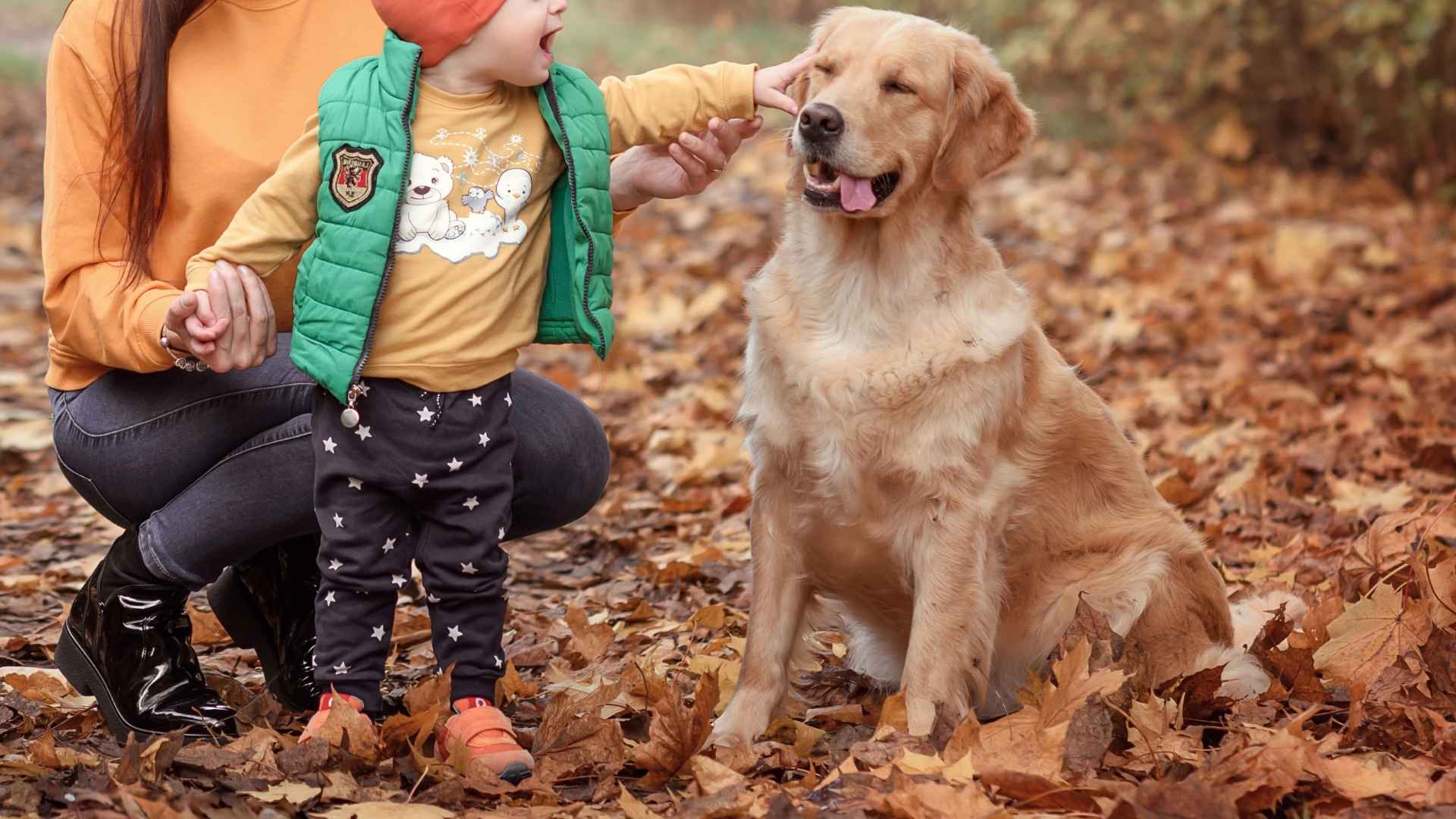
Golden Retriever
Golden Retrievers are famous for their friendly and tolerant attitude. They love being part of family activities and are patient with children’s unpredictable behavior. Their calm nature makes them great companions for both playtime and quiet moments.
Labrador Retriever
Labradors are energetic and affectionate dogs that thrive on interaction with kids. They enjoy outdoor games and are usually very protective without being aggressive. Labs also adapt well to different living environments, making them a versatile choice.
Beagle
Beagles bring a lot of energy and curiosity into the home. They are small to medium-sized dogs, making them easier for kids to handle. Their social nature means they enjoy being part of the family and get along well with children.
Bulldog
Bulldogs are known for their sturdy build and calm temperament. They are less excitable than some other breeds, which can be a good match for younger kids. Despite their tough look, they are gentle and protective.
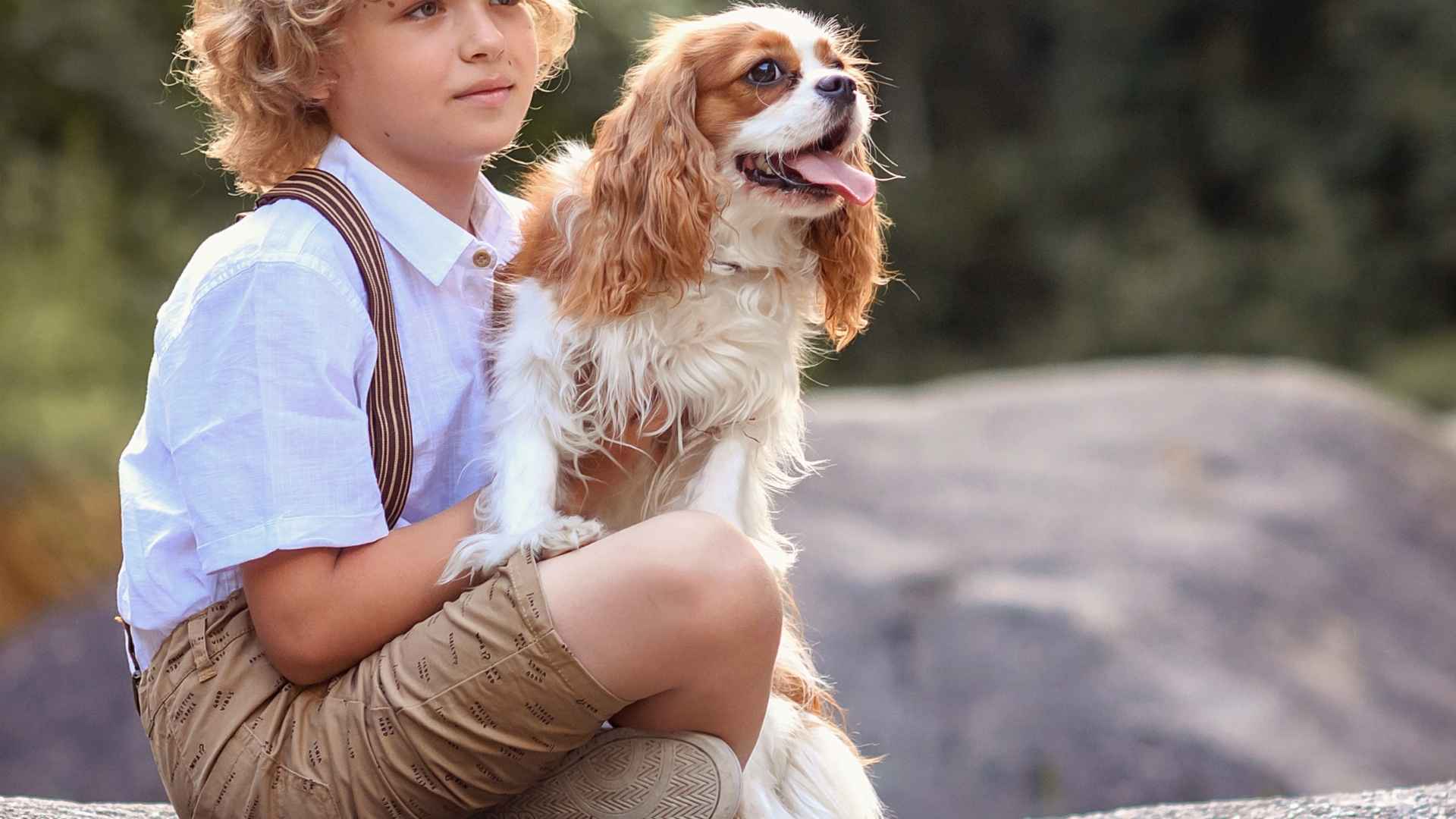
Cavalier King Charles Spaniel
This breed is affectionate and gentle, often forming strong bonds with children. Their smaller size means they fit well into families with limited space. Cavaliers are great for kids who want a cuddly companion that enjoys quiet play.
Breeds That Get Along With Cats
Some dog breeds naturally get along well with cats. These dogs tend to have calm and gentle personalities. They can live peacefully in homes with feline friends. Choosing the right breed helps create a happy environment for kids, cats, and dogs alike.
Basset Hound
Basset Hounds are calm and laid-back dogs. They rarely chase cats and enjoy quiet company. Their gentle nature makes them patient with children and cats. Basset Hounds adapt well to homes with feline pets.
Maine Coon Dog Mixes
Maine Coon mixes combine dog loyalty and cat-like traits. These dogs often show curiosity without aggression toward cats. Their social and friendly behavior suits families with both kids and cats. They enjoy being part of a peaceful pet group.
Collie
Collies are intelligent and friendly dogs. They show kindness and respect to cats and children. Their protective nature helps keep all pets safe. Collies quickly learn to live alongside feline companions.
Papillon
Papillons are small dogs with big hearts. They tend to be gentle and playful with cats. Their size and temperament make them good for homes with kids and cats. Papillons enjoy socializing and sharing space peacefully.
Pug
Pugs have loving and easy-going personalities. They usually get along well with cats and children. Pugs enjoy being part of a family and show great tolerance. Their friendly nature helps maintain harmony in mixed pet homes.
Credit: worldanimalfoundation.org
Tips For Introducing Dogs To Kids And Cats
Introducing a new dog to your kids and cats can be a delicate process. It requires patience, careful planning, and attention to the personalities involved. Handling these introductions thoughtfully sets the stage for a peaceful and happy household where everyone feels safe and respected.
Safe Introduction Techniques
Start by allowing your dog, kids, and cats to observe each other from a distance. Use baby gates or leashes to keep control during these first meetings. This helps reduce stress and prevents sudden movements that might scare any party.
Let your dog sniff an item that belongs to your cat, and let your cat explore an area where the dog has been. This helps them get used to each other’s scent without direct contact.
Supervising Interactions
Never leave your dog and children or cats alone until you are confident they understand boundaries. Stay close and watch body language carefully—signs like stiff tails or flattened ears can indicate discomfort.
Teach your kids how to approach the dog gently and explain why they should avoid loud noises or sudden grabs. Encourage calm, slow movements to keep the dog relaxed. Remember, you are the bridge between your dog and family members.
Training And Socialization
Train your dog to follow basic commands such as “sit,” “stay,” and “leave it.” These commands give you control during interactions and can prevent unwanted behaviors.
Socialize your dog with a variety of people and pets before fully integrating them into your home. This exposure helps your dog learn how to behave in different situations and with different individuals.
Have you noticed how a well-trained dog can transform the energy in your home? Training doesn’t just teach commands—it builds trust and respect between your dog, children, and cats.
Common Challenges And How To Handle Them
Choosing a dog that gets along with kids and cats can be tricky. Some dogs need extra training to behave well around small children and other pets. Patience and consistent rules help keep everyone safe and happy.
Bringing a dog into a home with kids and cats can be a joyful experience, but it can also come with its own set of challenges. Understanding these common hurdles and learning how to manage them is crucial for creating a harmonious environment. With some proactive measures, you can ensure that your furry and human family members live together peacefully.Managing Dog’s Excitement
Dogs, especially certain breeds, can become overly excited around children and other pets. This excitement can sometimes lead to unintentional rough play, which can be overwhelming for both kids and cats. To handle this, establish a routine that includes daily exercise for your dog to burn off excess energy. Consider interactive toys or scheduled playtimes that encourage calm behavior. Training sessions using positive reinforcement can also teach your dog how to behave gently around kids and cats.Dealing With Jealousy
Jealousy can arise if your dog feels they’re not getting enough attention due to the presence of kids or cats. This can lead to attention-seeking behaviors or even sulking. Make sure to allocate dedicated time for each pet, ensuring they feel loved and valued. Simple actions, like cuddle sessions or playtime, can reassure your dog. Encourage your children to participate in these activities, fostering a sense of teamwork and inclusion.Addressing Fear Or Aggression
Fear or aggression towards cats or kids can be distressing. It’s essential to address these behaviors early on to prevent them from escalating. Start by identifying triggers that cause fear or aggression. Gradually introduce your dog to these situations in a controlled manner, rewarding calm behavior. Seek professional help if needed, as a trainer can offer tailored advice and strategies. Understanding these challenges and being proactive in addressing them can make all the difference. What steps will you take to ensure a peaceful coexistence in your household?Choosing The Right Dog For Your Family
Choosing the right dog for your family shapes your home’s happiness. Each dog breed has unique traits that fit different households. Picking a dog that blends well with your kids and cats creates a peaceful environment. Consider your family’s lifestyle and space before making a choice. The right match brings joy and safety to everyone.
Assessing Your Home Environment
Your home size affects the dog’s comfort. Small spaces suit smaller breeds with low energy. Larger homes allow active dogs room to roam. Consider if you have a yard or nearby park. Noise levels matter for sensitive dogs. Think about current pets and their personalities.
Matching Dog Temperament To Family Needs
Choose a dog temperament that fits your kids’ ages. Gentle, patient dogs handle young children best. Some dogs are more tolerant of cats and other pets. Friendly and calm breeds reduce stress in mixed homes. Avoid overly protective or aggressive dogs around kids. Observe how the dog reacts to new people and animals.
Considering Age And Activity Level
Match the dog’s energy with your family’s activity. Active families benefit from playful, energetic breeds. Older or less active families suit calm, low-energy dogs. Puppies need time and training to adapt. Older dogs may already have set habits and temperaments. Balance playtime and rest for everyone’s wellbeing.
Credit: worldanimalfoundation.org
Frequently Asked Questions
Which Dog Breeds Are Best With Kids And Cats?
Golden Retrievers, Labradors, and Beagles are great family dogs. They are gentle, patient, and sociable with kids and cats. These breeds adapt well to family life and usually get along with other pets, making them ideal for homes with children and cats.
Are Small Dog Breeds Good With Children And Cats?
Yes, many small breeds like Cavalier King Charles Spaniels and Bichon Frises are good with kids and cats. They are affectionate, friendly, and less intimidating to children and smaller pets. Proper training and socialization ensure harmony in multi-pet households.
How To Introduce Dogs To Cats Safely?
Introduce dogs to cats gradually and in a controlled environment. Use leashes and allow short, supervised meetings. Reward calm behavior with treats. This helps build trust and reduces stress, leading to a peaceful cohabitation between dogs, cats, and children.
Can Adult Dogs Adapt To Homes With Kids And Cats?
Yes, many adult dogs can adapt well with patience and training. Choose calm, socialized dogs with a history of living with children and cats. Gradual introductions and positive reinforcement help adult dogs adjust smoothly to new family members.
Conclusion
Choosing the right dog breed makes a big difference for families. Some dogs enjoy playing with kids and get along well with cats. Friendly, gentle, and patient breeds create a happy home. Always teach children how to treat pets with kindness and respect.
Spend time helping pets and kids build trust together. A loving dog can bring joy to your family life. Remember, every pet has its own personality. Take time to find a dog that fits your home and lifestyle. Peace and fun grow with the right furry friend.




Leave a Reply