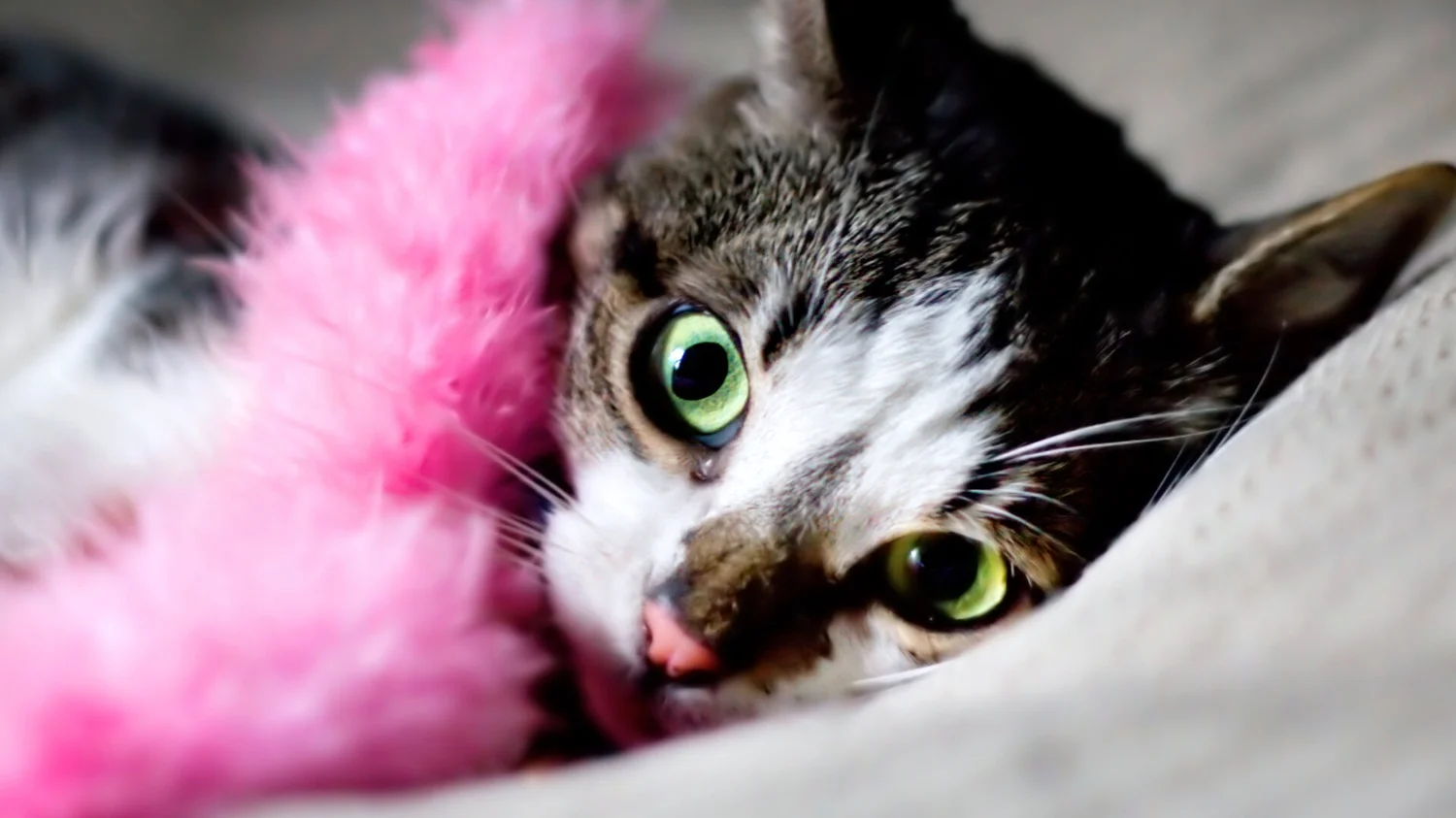
Have you ever wondered why your cat meows at toys? It might seem strange when your furry friend talks to a ball or a stuffed mouse.
But there’s more behind those meows than just playtime fun. Understanding this behavior can help you connect better with your cat and make play sessions even more enjoyable. Keep reading to discover the surprising reasons your cat chats with their toys and what it means for your bond.

Credit: moderncat.com
Cat Communication Basics
Cats use meowing as a primary way to communicate with humans, but the reasons behind each meow can vary widely. Understanding the basics of cat communication can help you interpret why your cat might be meowing at toys. This knowledge not only strengthens your bond but also helps you respond appropriately to your feline friend’s needs and emotions.
Different Meow Types
Your cat’s meow is not just a random noise; it carries specific meanings depending on its tone, pitch, and length. Some common types include:
- Short, soft meows:Often a friendly greeting or a request for attention.
- Long, drawn-out meows:Can indicate hunger or demand for something.
- Repeated meows:May express excitement or frustration.
- High-pitched meows:Sometimes signal stress or discomfort.
Have you noticed if your cat changes its meow when it’s near a toy? That variation might tell you more than you realize.
How Cats Use Vocalization
Cats primarily meow to communicate with humans, not other cats. They learn early that vocalizing gets your attention and can influence your actions.
Besides meowing, cats use other sounds like purring, hissing, and chirping to express different feelings. When your cat meows at a toy, it might be trying to engage you in play or express curiosity.
Think about the last time your cat meowed at a toy—was it trying to tell you something, or was it just inviting you to join the fun? Paying attention to these vocal cues can help you understand your cat’s mood and intentions better.
Toys As Play Partners
Cats often treat their toys as more than just objects—they see them as play partners. This behavior explains why your cat might meow at their toys, as if trying to communicate or interact with them. Understanding this interaction can help you enhance playtime and strengthen your bond with your feline friend.
Simulating Prey Behavior
Your cat’s toy often represents prey, triggering their natural hunting instincts. When your cat meows at a toy, it’s a sign they are fully engaged in the hunt. They may be mimicking the sounds they would make when catching or stalking real prey.
Have you noticed your cat pouncing and then vocalizing? This combination shows they treat toys as living creatures. You can encourage this behavior by moving toys in unpredictable ways, keeping your cat’s attention sharp.
Engaging Instincts
Meowing at toys is a way your cat expresses excitement and involvement during play. It’s their way of saying, “I’m focused and ready!” This vocalization can also be an invitation for you to join in the fun.
Try responding to your cat’s meows by interacting with the toy together. This turns playtime into a shared experience, satisfying both your cat’s need to hunt and their desire for social connection.
Seeking Attention
When your cat meows at toys, it’s often more than just a random noise. Cats use meowing as a way to communicate, and one common reason is to seek your attention. Understanding this behavior can help you build a stronger bond with your feline friend and respond better to their needs.
How Cats Get Noticed
Cats quickly learn that meowing grabs your focus. If your cat meows at a toy, they might be trying to show you something exciting or get you involved in their playtime. This is their way of saying, “Look at this!” or “Play with me!”
Think about a time when your cat sat by their favorite toy and started meowing persistently. You probably turned your attention to them, picked up the toy, or joined in the fun. Your cat notices this reaction and repeats the behavior to keep getting your engagement.
Meowing To Interact
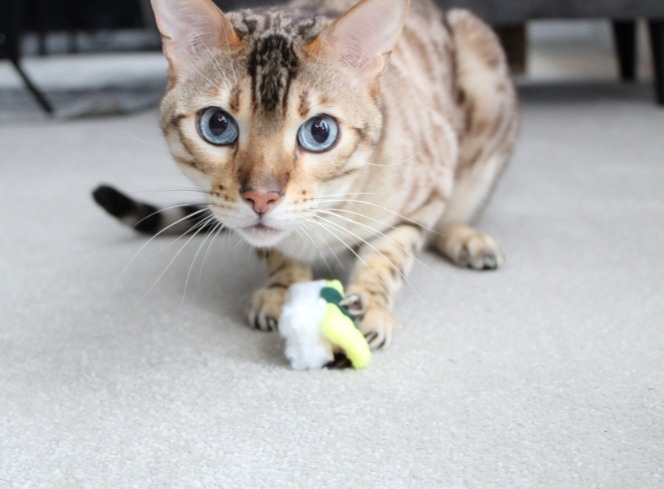
Meowing can be a direct invitation to interact. Your cat might want you to chase the toy along with them or toss it so they can pounce. They are not just playing alone; they want you to be part of the action.
Next time your cat meows at a toy, try responding by tossing it gently or waving it in front of them. Notice how their meowing changes or stops once you engage. Your cat’s vocalization is a simple but effective way to keep your attention and share their excitement.
Credit: www.lordsandlabradors.co.uk
Expressing Frustration Or Excitement
Cats often meow at toys to show strong feelings. These sounds can mean excitement or frustration. Toys trigger their hunting skills and emotions. Sometimes, play becomes so intense that cats express themselves loudly. Their meows help communicate what they feel during playtime.
When Play Becomes Intense
Play can quickly turn into a serious event for cats. They focus deeply on the toy, as if it were real prey. Meowing happens because their excitement builds up. It’s a natural response to the thrill of the chase. The louder or more frequent the meow, the more intense their play.
This intensity shows how much the cat enjoys or wants to catch the toy. Sometimes, the meow is a way to encourage interaction. Cats might want you to join in or make the game more challenging.
Signs Of Overstimulation
Too much play can make cats feel frustrated or stressed. Meowing may change from happy to sharp or high-pitched. Watch for these signs that your cat is overstimulated:
- Rapid tail flicking
- Flattened ears
- Sudden biting or scratching
- Restlessness or pacing
Recognizing these signals helps prevent stress. It also keeps playtime fun and safe. When your cat shows these signs, it’s time to pause the game. Let them calm down before starting again.
Mimicking Hunting Calls
Cats often meow at toys because they mimic hunting calls. These toys trigger their natural instincts to hunt. This playful behavior helps them practice essential skills in a safe environment.
Cats are fascinating creatures with behaviors that often leave us puzzled. One such behavior is their tendency to meow at toys. This isn’t just random noise—it’s a deep-rooted instinct. Cats often mimic hunting calls, which can be both intriguing and enlightening for us as pet owners.Natural Predatory Sounds
Cats are natural hunters. Even the most pampered indoor feline retains these primal instincts. When your cat meows at its toys, it might be echoing the sounds they’d make in the wild when catching prey. These meows can mimic the chirps or calls they’d use to communicate during a hunt. It’s a way for them to engage with the toy, much like they would with a real mouse or bird. Have you ever noticed how your cat’s meow changes when they’re playing? It’s a fascinating glimpse into their wild side.Why Cats Vocalize At Toys
When cats vocalize at toys, they’re practicing their hunting skills. This vocalization can also be a sign of excitement or frustration when they can’t “catch” the toy. Some cats are more vocal than others, and their personalities shine through in these moments. You might find your cat has a specific toy they meow at more than others, indicating a special attachment or challenge. This behavior is a reminder of your cat’s complex nature. Next time your cat meows at a toy, consider it an invitation to engage and play.Stress And Anxiety Signals
Cats use meowing to communicate many feelings, including stress and anxiety. When your cat meows at toys, it might be a sign of emotional distress. Stress can make cats vocalize more as they try to express discomfort or seek comfort.
Stress-related meows tend to be different from playful or happy sounds. They might sound urgent, loud, or persistent. Understanding these signals helps in creating a calm space for your pet.
Identifying Stress-related Meows
Stress meows often have distinct traits:
- Louder or more frequent than usual
- Higher pitch or strained sound
- Accompanied by restless behavior
- Repeated meowing without play
Watch your cat’s body language too. Signs like flattened ears, tail flicking, or hiding support the idea of anxiety.
Managing Cat Anxiety
Reduce stress by providing a quiet, safe area for your cat. Toys can help, but choose soft, comforting ones. Avoid sudden changes in environment or loud noises.
Routine is important. Feed and play at the same times daily. This predictability calms your cat’s nerves.
Consider calming aids like pheromone sprays or diffusers. These can create a soothing atmosphere.
Encouraging Healthy Play
Encouraging healthy play is key to understanding why your cat meows at toys. Playtime is more than just fun—it keeps your cat mentally sharp and physically active. When you engage your cat properly, you can turn their meowing into a positive interaction that benefits both of you.
Choosing The Right Toys
Not all toys are created equal for cats. Your cat might meow at toys that spark their curiosity or mimic prey. Look for toys with varied textures, sounds, and movements to hold their attention longer.
Think about what excites your cat the most. Some cats prefer feathers, while others go wild for small balls or laser pointers. If your cat meows at a toy, it could mean they want you to join the play or that the toy is just right for their hunting instincts.
Interactive Play Techniques
Active involvement from you turns toy time into bonding time. Try moving the toy like a real animal—quick, unpredictable movements often trigger your cat’s natural chase instincts.
Have you noticed your cat meowing more when you’re part of the game? This is a great chance to respond. Use toys that allow you to control the action, like wand toys or string toys, and watch how your cat reacts.
Interactive play also helps reduce boredom and stress, which can cause excessive meowing. Make sessions short but frequent, keeping your cat eager and engaged without tiring them out.

Credit: moderncat.com
Frequently Asked Questions
Why Does My Cat Meow At Toys Often?
Cats meow at toys to express excitement or frustration. They may want your attention or signal playtime. It’s a way to communicate their interest or invite interaction.
Is Meowing At Toys A Sign Of Stress?
Not usually. Meowing at toys mostly shows curiosity or playfulness. However, if excessive, it might indicate anxiety or boredom. Observe your cat’s behavior for other stress signs.
Can Meowing At Toys Mean My Cat Is Hungry?
Sometimes, yes. Cats may meow at toys when they confuse them with prey or signal hunger. Ensure your cat is well-fed and gets enough playtime.
How Can I Reduce My Cat’s Meowing At Toys?
Provide regular play sessions and interactive toys. Engage your cat to satisfy its hunting instincts. Avoid ignoring their signals to reduce excessive meowing.
Conclusion
Cats meow at toys to express excitement or curiosity. They see toys as playmates or small prey. Meowing helps them communicate their feelings to you. This behavior shows their natural hunting instincts. It also means your cat feels happy and engaged.
Paying attention to these sounds can strengthen your bond. Toys and meows keep your cat active and entertained. Enjoy these moments—they reveal your cat’s unique personality.




Leave a Reply