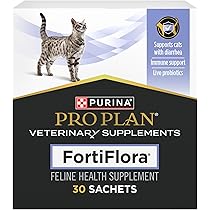
If your cat has been struggling with digestive issues, you know how tough it can be to see them uncomfortable. You want to help, but figuring out what to give your cat for gastrointestinal health can feel confusing.
What foods, supplements, or remedies truly support your furry friend’s tummy? You’ll discover simple, effective ways to improve your cat’s digestive well-being. Keep reading to learn how to ease your cat’s discomfort and keep their digestive system happy and healthy.

Credit: www.amazon.com
Common Causes Of Cat Digestive Issues
Understanding why your cat experiences digestive issues is key to helping them feel better. Many factors can upset their stomach, and pinpointing these causes can guide you in choosing the right care and diet. Let’s look at some common triggers that might be affecting your cat’s gut health.
Dietary Triggers
Your cat’s diet plays a huge role in their digestive health. Sudden changes in food can cause stomach upset, diarrhea, or vomiting. Some cats are sensitive to certain ingredients like dairy, grains, or artificial additives.
Have you noticed your cat reacting badly after eating new treats or meals? That could be a sign to check the label carefully or stick to a limited ingredient diet. Feeding small, frequent meals often helps reduce digestive stress.
Infections And Parasites
Infections caused by bacteria, viruses, or parasites are common culprits behind digestive problems in cats. Parasites like worms or protozoa can lead to diarrhea and weight loss if untreated.
Regular vet check-ups and fecal tests can catch these issues early. If your cat suddenly shows signs of digestive distress, it’s worth considering an infection or parasite as the cause.
Stress And Environment
Stress doesn’t just affect humans; cats are sensitive to changes in their environment too. Moving homes, new pets, or loud noises can upset their digestive system.
Have you noticed your cat’s tummy troubles flare up after a stressful event? Creating a calm and stable environment with hiding spots and routine can make a big difference. Sometimes, simple changes in their surroundings ease their digestive discomfort.

Credit: www.amazon.com
Signs Of Gastreal Intestinal Problems In Cats
Gastreal intestinal problems in cats can affect their overall health and happiness. Spotting signs early helps protect your pet. Cats often hide discomfort, so watch closely for changes. Understanding symptoms aids in timely care and treatment.
Changes In Appetite
A sudden drop in appetite often signals digestive issues. Cats may eat less or refuse food completely. Sometimes, they avoid certain foods or vomit after eating. Loss of interest in meals is a red flag. Keep track of their eating habits daily.
Vomiting And Diarrhea
Frequent vomiting or diarrhea shows the gut is upset. Occasional vomiting might be normal but repeated episodes are not. Diarrhea can cause dehydration and weakness quickly. Note the color and frequency of vomit and stool. Both symptoms need prompt attention to avoid complications.
Lethargy And Weight Loss
Low energy and weight loss often follow intestinal problems. Cats may sleep more and move less than usual. Muscle loss and a thinner body are warning signs. These changes indicate that the cat is not absorbing nutrients well. Early veterinary checkups can prevent serious illness.
Diet Adjustments For Better Digestion
Adjusting your cat’s diet can make a big difference in managing gastrointestinal health. Small changes to what your cat eats can improve digestion and reduce discomfort. Understanding which foods support your cat’s gut helps you make smarter choices for their meals.
High-quality Protein Sources
Protein is essential for your cat’s overall health, but quality matters more than quantity. Choose proteins that are easy to digest, such as chicken, turkey, or fish. Avoid fillers like by-products or low-grade meat, which can irritate your cat’s stomach.
Have you noticed your cat reacting poorly to certain meats? Switching to a single, high-quality protein source might help pinpoint the problem. It also supports muscle maintenance without overloading their digestive system.
Limited Ingredient Diets
Limited ingredient diets reduce the number of components your cat consumes, making it easier to identify and avoid allergens or irritants. These diets typically focus on one protein and one carbohydrate source.
This approach can be particularly helpful if your cat suffers from food sensitivities or chronic digestive issues. It simplifies meals and lowers the chance of triggering flare-ups. Would your cat benefit from a simpler, cleaner meal plan?
Increased Fiber Intake
Fiber helps regulate your cat’s digestion by supporting healthy bowel movements and feeding beneficial gut bacteria. Adding sources like pumpkin or psyllium husk can improve stool consistency and ease constipation or diarrhea.
Be cautious with the amount; too much fiber can cause bloating or gas. Start with small additions and observe how your cat responds. Have you tried adding a small spoonful of canned pumpkin to your cat’s food? Many pet owners find it works wonders.

Credit: www.amazon.com
Natural Remedies To Support Gut Health
Cats need a healthy gut for overall well-being. Natural remedies can help. These options support digestion and nutrient absorption. They also maintain a balanced gut flora. Let’s explore some effective solutions.
Probiotics And Prebiotics
Probiotics are live bacteria that boost gut health. They maintain a balanced microbiome in cats. Prebiotics feed these beneficial bacteria. Together, they improve digestion and nutrient uptake. Add them to your cat’s diet through supplements or specific foods.
Herbal Supplements
Herbs can support a cat’s digestive system. Slippery elm soothes the gut lining. Licorice root reduces inflammation. Chamomile calms the stomach. Always consult a vet before using herbal treatments. Ensure they are safe for your feline friend.
Omega-3 Fatty Acids
Omega-3s reduce inflammation in the gut. They are found in fish oil and flaxseed oil. These fatty acids support a healthy digestive tract. Add them to your cat’s diet to enhance gut health. Check with your vet for the right dosage.
Over-the-counter Products For Intestinal Relief
When your cat faces digestive troubles, finding the right over-the-counter (OTC) products can provide quick and effective relief. These products support your cat’s intestinal health by easing discomfort and restoring balance. But which OTC options are safe and truly helpful? Let’s look at some common choices that many cat owners find useful.
Digestive Enzymes
Digestive enzymes help break down food more efficiently, making it easier for your cat’s intestines to absorb nutrients. These supplements can be especially helpful if your cat shows signs of poor digestion like gas, bloating, or undigested food in their stool.
You’ll find enzyme powders or capsules designed specifically for cats at pet stores or online. Just add the recommended dose to your cat’s food and observe how they respond. Have you noticed your cat getting less energetic after meals? Digestive enzymes might be worth trying.
Anti-diarrheal Medications
Diarrhea can quickly dehydrate your cat and cause serious health issues. OTC anti-diarrheal medications can help firm up your cat’s stool and reduce irritation in the intestines. However, it’s crucial to use these products carefully and not as a long-term solution without vet guidance.
Products containing kaolin and pectin are often safe choices for cats. Always read the label and dosage instructions closely. If your cat’s diarrhea lasts more than a day or worsens, it’s time to consult your veterinarian.
Hydration Solutions
Keeping your cat hydrated supports intestinal health and aids recovery from any digestive upset. Specialized electrolyte solutions for pets can restore lost fluids and essential minerals quickly and safely.
You can find these hydration products as flavored gels or liquids that cats usually find palatable. Offering water-rich foods or broths alongside these solutions also encourages hydration. Have you noticed how a well-hydrated cat bounces back faster from illness? That’s no coincidence.
When To Seek Veterinary Care
Knowing when to seek veterinary care for your cat’s gastrointestinal health can make a big difference in their recovery. Some symptoms might seem minor but could signal deeper issues. Paying attention to warning signs helps you act quickly and protect your cat’s well-being.
Persistent Symptoms
If your cat’s vomiting, diarrhea, or loss of appetite lasts more than 24 to 48 hours, it’s time to call the vet. Sometimes mild stomach upset resolves on its own, but ongoing symptoms suggest something more serious. Don’t wait until your cat looks very sick—early intervention can prevent complications.
Severe Dehydration
Dehydration is a major risk when your cat has gastrointestinal problems. Signs include sunken eyes, dry gums, and lethargy. If your cat isn’t drinking or urinating normally, or you notice these symptoms, seek veterinary care immediately. Dehydration can escalate quickly and requires professional treatment.
Underlying Medical Conditions
Does your cat have a history of health issues like kidney disease, diabetes, or inflammatory bowel disease? These conditions can worsen GI symptoms and need special attention. Always consult your vet if your cat’s gastrointestinal health changes, especially with existing medical problems.
Frequently Asked Questions
What Foods Improve My Cat’s Gastrointestinal Health?
Feeding high-quality, easily digestible proteins and fiber-rich ingredients supports your cat’s gut health. Wet food and limited grains help reduce irritation. Probiotics in their diet can also balance gut bacteria for better digestion.
Can Probiotics Help Cats With Digestive Issues?
Yes, probiotics introduce beneficial bacteria that improve digestion and reduce inflammation. They help restore gut flora balance and enhance nutrient absorption. Always choose probiotics formulated specifically for cats for safe and effective results.
Are There Supplements For Cat Intestinal Health?
Supplements like omega-3 fatty acids, digestive enzymes, and prebiotics support intestinal health. They reduce inflammation and improve nutrient absorption. Consult your vet before adding supplements to ensure safety and proper dosage.
How Do I Identify Gastrointestinal Problems In Cats?
Common signs include vomiting, diarrhea, constipation, and loss of appetite. Watch for weight loss, lethargy, or changes in stool consistency. Early detection helps prevent severe issues and ensures timely treatment.
Conclusion
Giving your cat the right food supports their gut health well. Choose gentle, easy-to-digest options with natural ingredients. Probiotics and fiber help keep digestion smooth and balanced. Always watch how your cat reacts to new foods. Consult a vet for advice on special diets or supplements.
Healthy intestines mean a happier, more active cat. Start with small changes and stay consistent. Your cat’s tummy will thank you for the care. Simple steps can make a big difference in your cat’s life.




Leave a Reply