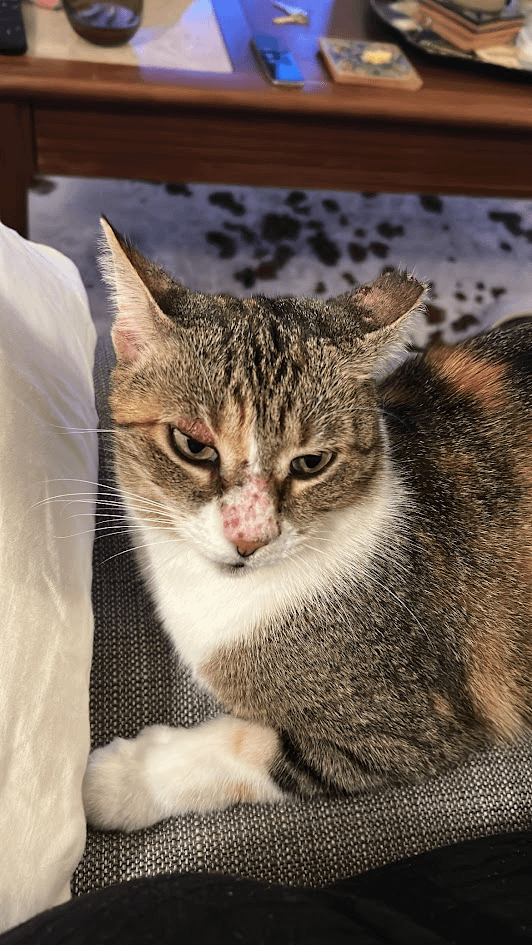
Have you noticed your cat looking less tidy than usual? You might be wondering, “Will a sick cat groom itself?” Grooming is a key sign of your cat’s health and happiness.
When your furry friend stops cleaning, it can be a red flag that something isn’t right. Understanding why your cat might not be grooming can help you spot illness early and take better care of them. Keep reading to learn what to watch for and how you can help your cat feel better fast.
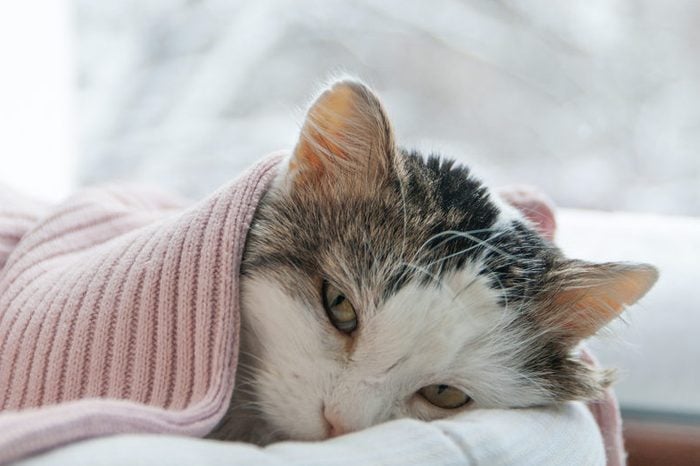
Credit: www.rd.com
Cats And Self-grooming Habits
Cats are known for their meticulous grooming habits, which play a key role in their health and well-being. Watching a cat clean itself can be a sign of comfort and normalcy in its daily routine. But what happens when your cat is sick? Understanding their grooming behavior can help you spot when something might be wrong.
Normal Grooming Behavior
Cats typically spend a significant part of their day grooming. This includes licking their fur to remove dirt, loose hair, and parasites. Grooming also helps regulate their body temperature and stimulates blood flow.
You might notice your cat using its tongue to clean hard-to-reach areas like behind the ears and under the legs. This behavior is a sign that your cat feels well enough to maintain its hygiene. Regular grooming also helps reduce stress and provides comfort.
Signs Of Grooming Changes
If your cat suddenly stops grooming or appears to groom less, it could be a sign of illness. Look for patches of matted fur, oily coat, or an unusual odor. These changes often indicate discomfort or pain that prevents your cat from cleaning properly.
On the other hand, excessive grooming can be a red flag too. It might suggest skin irritation, allergies, or anxiety. Have you noticed your cat licking one spot repeatedly or developing bald patches? These signs deserve a closer look.
Pay attention to changes in grooming patterns—they can tell you a lot about your cat’s health. If you see these signs, it’s a good idea to consult your vet to understand the underlying cause and help your furry friend feel better.
How Illness Affects Grooming
Illness can change how cats groom themselves. Healthy cats spend a lot of time cleaning their fur. When they feel sick, grooming often stops or slows down. This can make their coat look messy or dirty. Poor grooming might signal health problems that need attention. Understanding how illness affects grooming helps pet owners spot issues early.
Common Health Issues Impacting Grooming
Cats with arthritis may find grooming painful. Joint stiffness limits their movement. Skin infections cause itching and discomfort. Cats may avoid grooming sore areas. Dental problems make it hard to lick fur. Kidney disease and diabetes can lower energy levels. Less energy means less time spent cleaning. Parasites like fleas also irritate the skin. These issues often reduce grooming behavior.
Behavioral Changes In Sick Cats
Sick cats often act differently. They may hide more and move less. Grooming requires effort and focus. Ill cats might feel weak or tired. Stress and discomfort reduce their interest in grooming. Some may groom too much in one spot. Others might stop grooming altogether. Watching these changes helps identify health problems early.
Identifying Grooming Problems
Spotting grooming problems in your cat can be more than just noticing a messy coat. It often signals that your cat might be feeling unwell or struggling with pain. Paying attention to these signs early helps you act before the issue worsens.
Mattes And Dirty Fur
Mattes form when your cat cannot groom itself properly, causing fur to tangle and clump. These knots trap dirt and moisture, which can lead to discomfort and skin infections. If you see patches of matted fur or areas that look dull and dirty, your cat might be avoiding grooming due to illness or pain.
Try gently feeling your cat’s fur regularly. Does it feel sticky or thick in some spots? That could mean your cat needs help cleaning those areas. Sometimes, even a healthy cat can struggle with grooming if they have arthritis or other joint issues.
Skin Irritations And Bald Spots
Redness, bumps, or bald spots on your cat’s skin often mean grooming has become painful or impossible. Your cat might be licking or scratching excessively to soothe an itch or irritation. This behavior can make the problem worse, leading to open sores or infections.
Check your cat’s skin by parting the fur gently. Are there any scabs, flakes, or unusual patches? These signs suggest your cat may need a vet’s evaluation. Have you noticed your cat spending more time scratching or hiding? That’s a clue something is wrong beneath the surface.
Essential Grooming Care For Sick Cats
Sick cats often struggle to groom themselves properly. Their illness can cause weakness, pain, or lethargy. This makes regular grooming care essential to keep them clean and comfortable. Proper grooming helps prevent skin problems and infections. It also supports their overall health and well-being.
Helping With Bathing And Brushing
Bathing a sick cat requires gentle care and patience. Use warm water and a mild cat shampoo. Avoid stressing the cat by keeping baths short and calm.
- Brush your cat daily to remove loose fur and dirt.
- Use a soft brush to prevent skin irritation.
- Focus on areas your cat can’t reach, like the back and belly.
- Check for mats and tangles that may cause discomfort.
Regular brushing helps reduce hairballs and keeps the coat healthy. It also gives you a chance to notice any skin changes or wounds.
Maintaining Hygiene Safely
Keep your sick cat’s living area clean and dry. Change bedding often to avoid bacteria buildup. Wipe your cat’s eyes, ears, and bottom gently with a damp cloth.
- Trim nails carefully to prevent scratches and infections.
- Monitor your cat’s skin for redness or sores.
- Use pet-safe wipes for quick cleanups between baths.
- Handle your cat softly to reduce stress and pain.
Good hygiene supports healing and prevents further health issues. Always consult a vet if you notice unusual signs during grooming.
When To Seek Veterinary Help
A sick cat often stops grooming itself, which can signal health problems. Noticeable changes in cleanliness or fur condition mean it’s time to visit a vet. Early help can prevent serious illness and keep your cat comfortable.
When your cat is unwell, it can be challenging to determine when veterinary help is necessary. Cats are masters at hiding their discomfort, making it crucial for you to be vigilant. Understanding when to seek veterinary care ensures your furry friend gets the help they need.Warning Signs To Watch For
Pay attention to changes in your cat’s grooming habits. A sick cat may stop grooming altogether or do so less frequently. Look for physical signs like a matted or greasy coat. Changes in appetite or unusual lethargy are also red flags. If your cat isolates itself or becomes more aggressive, it’s time to consider professional help.Preparing For The Vet Visit
Gather all relevant information about your cat’s recent behavior changes. Note down any symptoms, even if they seem minor. Prepare a list of questions to ask your vet. This ensures you cover all concerns during the visit. Make sure your cat is comfortable in its carrier by placing familiar items inside. This can help reduce their stress during the journey. Remember, early intervention can make a significant difference in your cat’s health. Are you ready to take that crucial step for your feline friend?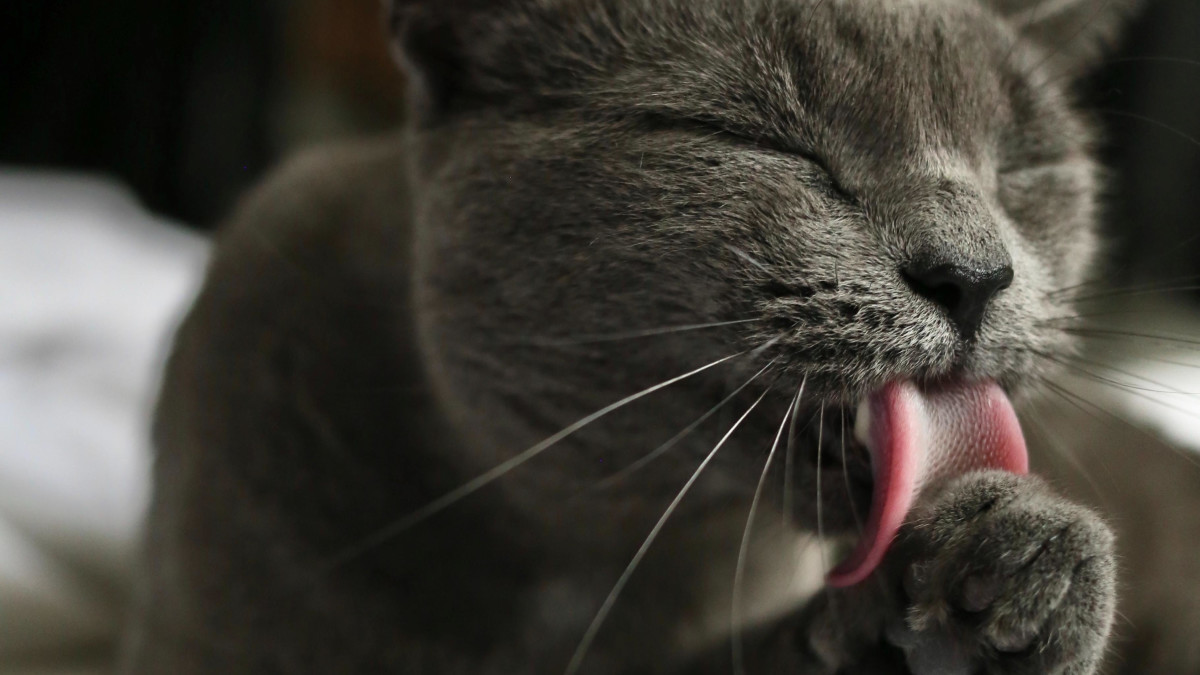
Credit: pethelpful.com
Supporting Recovery Through Grooming
Supporting your sick cat through grooming can play a vital role in their recovery. Grooming isn’t just about keeping your cat looking good—it helps maintain their skin health and comfort, which can speed up healing. It also offers a unique chance to closely observe your cat’s condition and notice any changes early.
Creating A Comfortable Environment
Your cat needs a calm and cozy spot for grooming, especially when they’re not feeling well. Soft blankets, gentle lighting, and a quiet space help reduce stress during grooming sessions. You can even use soothing voices or soft music to make your cat feel safe and relaxed.
Consider the temperature too. Cats recovering from illness often feel chills or discomfort, so keeping the room warm but not too hot is important. This makes grooming easier and more pleasant for your cat, encouraging them to stay calm and cooperative.
Using Grooming To Monitor Health
Regular grooming lets you check your cat’s skin and fur closely. Look for signs like dryness, redness, bald spots, or unusual lumps that could indicate health problems. Noticing these early means you can get your vet involved before the issue worsens.
Grooming also helps you track your cat’s energy and mood. If your cat resists or seems weak during grooming, it might signal discomfort or pain you hadn’t noticed. How often does your cat groom itself when healthy? Comparing this to their current behavior can guide your care approach.

Credit: petradioshow.com
Frequently Asked Questions
Will A Sick Cat Stop Grooming Itself?
A sick cat may reduce or stop grooming due to low energy or pain. Lack of grooming can indicate illness and needs attention.
How Does Illness Affect A Cat’s Grooming Habits?
Illness can cause discomfort, lethargy, or stress, leading cats to groom less. This often results in matted fur and an unkempt appearance.
Can Grooming Behavior Show Signs Of A Cat’s Health?
Yes, changes in grooming habits can signal health problems. Overgrooming or undergrooming might indicate infections, parasites, or other medical issues.
When Should I Worry If My Cat Stops Grooming?
If your cat suddenly stops grooming and shows other symptoms, consult a vet promptly. Early intervention can prevent worsening health conditions.
Conclusion
A sick cat may stop grooming itself or groom less often. This change can signal health problems that need care. Watch your cat’s behavior closely for signs of illness. Regular grooming keeps cats clean and comfortable. Help your cat by offering gentle care and vet visits.
Early attention can improve your cat’s health and happiness. Always act fast if grooming habits change suddenly. Your cat depends on you to stay healthy and well.




Leave a Reply