Are you worried about your cat’s health, especially when it comes to kidney problems? Kidney disease is a common issue that many cats face as they age, and it can be tough to watch your furry friend struggle.
But what if there were natural ways to support your cat’s kidneys and improve their quality of life? Understanding what causes kidney disease and how natural health options can help might be the key to giving your cat a happier, healthier future.
Keep reading to discover simple, effective steps you can take to protect your cat’s kidneys and keep them thriving.
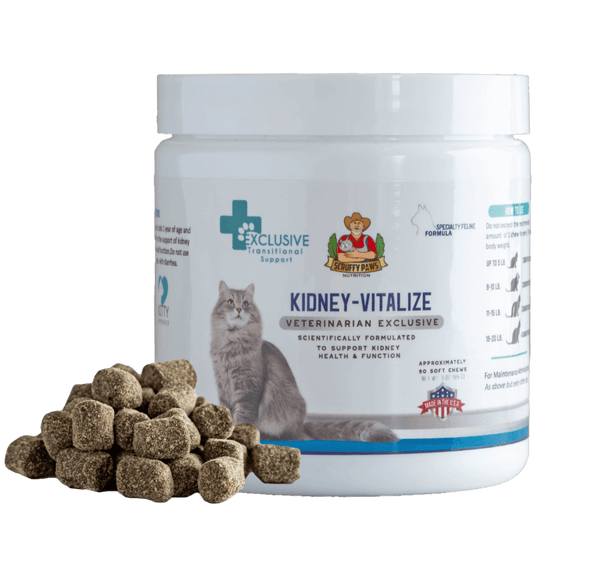
Credit: scruffypawsnutrition.com
Causes Of Kidney Disease In Cats
Understanding what causes kidney disease in cats is essential for any cat owner who wants to protect their furry friend’s health. Kidney disease doesn’t happen overnight; it often develops due to a mix of factors that harm the kidneys over time. Recognizing these causes can help you spot risks early and take action to support your cat’s well-being naturally.
Common Risk Factors
Age is a significant risk factor—older cats are more prone to kidney issues. Cats over the age of seven often start showing signs of declining kidney function. Other risks include dehydration, high blood pressure, and infections that strain the kidneys.
Diet plays a role too. Cats fed on low-quality food or those with poor water intake may have an increased chance of kidney problems. Have you noticed if your cat drinks enough water daily? This simple habit can make a big difference.
Genetic Predispositions
Some cat breeds have a higher likelihood of developing kidney disease due to inherited traits. Persian, Siamese, and Abyssinian cats often face more kidney challenges than others. This genetic predisposition means you might need to be extra vigilant if you own these breeds.
Understanding your cat’s lineage can guide your health choices. Knowing if kidney issues run in the family allows you to monitor symptoms closely and consult your vet early.
Environmental Influences
Environmental toxins are a hidden threat to your cat’s kidneys. Exposure to chemicals like antifreeze, pesticides, or certain household cleaners can cause kidney damage. Even something as simple as accidentally ingesting a poisonous plant can have serious effects.
Stress and lack of exercise also impact kidney health indirectly by weakening your cat’s overall immune system. Could your cat’s living space be exposing them to risks you hadn’t considered?
Signs Of Kidney Disease In Cats
Kidney disease in cats is a common health issue that needs early attention. Recognizing signs early helps protect your cat’s health. Cats often hide illness, so spotting symptoms can be tricky. Knowing what to watch for can lead to faster care and better outcomes.
Early Symptoms To Watch
- Increased thirst and frequent urination
- Loss of appetite or refusal to eat
- Weight loss without clear cause
- Vomiting or nausea
- Weakness or low energy
Behavioral Changes
- More hiding or less social interaction
- Less grooming, leading to a dull coat
- Restlessness or discomfort
- Changes in sleeping patterns
Physical Indicators
- Bad breath with a chemical smell
- Dehydration signs like dry gums
- Pale or yellowish gums
- Swollen abdomen
Natural Remedies For Kidney Health
Cats often face kidney issues as they age. Natural remedies can support kidney health. These remedies can be gentle and effective. Let’s explore ways to help your cat.
Herbal Supplements
Herbs can promote kidney health in cats. Some herbs like dandelion root and nettle leaf can be beneficial. These herbs help flush toxins and support kidney function. Always consult your vet before starting supplements. Herbal remedies should complement, not replace, veterinary care.
Dietary Adjustments
Diet plays a crucial role in kidney health. Feeding cats a kidney-friendly diet can make a difference. Low-phosphorus diets can reduce stress on kidneys. High-quality protein sources are essential. Avoid foods high in sodium and phosphorus. Consult your vet for the best dietary plan.
Hydration Tips
Proper hydration is vital for cats with kidney issues. Encourage your cat to drink more water. Fresh water should always be available. Consider a pet water fountain; cats love running water. Wet food can increase water intake. Monitor your cat’s water consumption closely. Consistent hydration supports kidney health significantly.

Credit: www.zealandiapets.com
Foods To Support Cat Kidney Function
Supporting your cat’s kidney function through diet is a powerful way to manage kidney disease naturally. Certain foods can ease the burden on their kidneys and improve their quality of life. Understanding which ingredients help and which harm can make all the difference for your furry friend’s health.
Kidney-friendly Ingredients
Look for foods low in phosphorus and protein but rich in omega-3 fatty acids. Ingredients like boiled chicken, pumpkin, and cooked carrots provide essential nutrients without overwhelming the kidneys.
Omega-3s from fish oil supplements can reduce inflammation and support kidney health. Adding a small amount of these to your cat’s diet can have noticeable benefits over time.
Also, antioxidants like vitamin E and C help fight oxidative stress in kidney cells. Feeding foods with these vitamins, such as blueberries or specially formulated kidney support cat food, can assist recovery.
Foods To Avoid
Avoid high-phosphorus foods such as red meat and dairy products, as they strain the kidneys. Excess protein can accelerate kidney damage, so keep protein levels moderate.
Stay away from salty treats or processed foods, which can increase blood pressure and worsen kidney function. Even small amounts of onions or garlic should be off-limits, as they are toxic to cats.
Have you checked your cat’s treat drawer recently? Sometimes what seems harmless can have hidden ingredients harmful to kidney health.
Homemade Diet Ideas
Preparing meals at home lets you control exactly what your cat eats. Try boiling skinless chicken with pumpkin and a dash of fish oil, then mash it into small, manageable portions.
Mix in cooked green beans or carrots for fiber and vitamins. Avoid seasoning or adding salt—cats don’t need it, and it’s harmful to their kidneys.
Before changing your cat’s diet, discuss it with your vet to ensure the balance meets your cat’s specific health needs. Have you ever tried making your cat’s meals? It can be rewarding and reassuring to know exactly what they’re eating.
Lifestyle Changes For Kidney Care
Helping your cat manage kidney disease naturally includes simple lifestyle changes. These changes support kidney function and improve your cat’s well-being. Small daily habits can make a big difference. Focus on keeping your cat active, calm, and monitored.
Exercise And Activity
Regular play helps your cat stay healthy and strong. Light exercise improves blood flow to the kidneys. Use toys or gentle games to encourage movement. Avoid overexertion to prevent stress on the body. Short, frequent play sessions work best for cats with kidney issues.
Stress Reduction
Stress affects your cat’s health and kidney function. Create a calm and safe environment at home. Provide quiet resting spots away from noise and activity. Use calming products like pheromone diffusers if needed. Gentle handling and routine help reduce anxiety. A relaxed cat supports better kidney health.
Regular Vet Checkups
Frequent vet visits catch kidney problems early. Schedule checkups every few months for monitoring. Blood tests and urine analysis track kidney function. Your vet can adjust treatments based on results. Early action slows kidney disease progression. Keep all appointments to ensure your cat’s care.
Monitoring And Managing Kidney Disease
Keeping a close eye on your cat’s kidney health is essential once they’ve been diagnosed with kidney disease. Regular monitoring and careful management can slow the progression and improve their quality of life. Understanding what to watch for and how to respond helps you become a proactive caregiver.
Tracking Symptoms
Watch for changes in your cat’s behavior and daily habits. Increased thirst and urination, loss of appetite, weight loss, and lethargy often signal kidney issues. Keep a simple journal or app to note these symptoms and any new developments.
Don’t ignore subtle shifts like vomiting or bad breath. These signs can be early warnings. Have you noticed your cat drinking more water or skipping meals lately? These observations are vital for your vet.
When To Seek Veterinary Help
Contact your vet immediately if your cat shows sudden weakness, severe vomiting, or refuses to eat for more than 24 hours. These can indicate a crisis requiring urgent care. Regular check-ups are still crucial even if symptoms seem stable.
Ask your vet about blood and urine tests to assess kidney function. Early intervention can make a difference. Would you be comfortable performing minor at-home checks, like monitoring weight or hydration status?
Long-term Care Strategies
Managing kidney disease involves diet changes, hydration support, and sometimes medications. Feeding a kidney-friendly diet low in protein and phosphorus helps reduce kidney workload. You can add fresh water stations or wet food to encourage hydration.
Keep stress low and maintain a consistent routine. Regular exercise suited to your cat’s energy level supports overall health. Have you tried natural supplements recommended by your vet? Some cats respond well to them, but always check first.

Credit: www.amazon.com
Frequently Asked Questions
What Causes Kidney Disease In Cats Naturally?
Kidney disease in cats often results from aging, genetics, or toxins. Natural causes include dehydration, infections, and poor diet. Early detection is vital for managing symptoms and slowing progression.
How Can Natural Health Support Cats With Kidney Disease?
Natural health supports kidney function through hydration, balanced nutrition, and herbal supplements. Foods rich in omega-3 fatty acids and antioxidants help reduce inflammation and improve kidney health.
Are There Natural Remedies To Prevent Cat Kidney Disease?
Yes, ensuring clean water intake, feeding high-quality diets, and avoiding toxins can help prevent kidney disease. Regular vet check-ups also catch early signs and support prevention.
Can Diet Improve Kidney Disease Outcomes In Cats?
A kidney-friendly diet lowers protein, phosphorus, and sodium, reducing kidney workload. Specialized diets enhance nutrient absorption and improve quality of life in affected cats.
Conclusion
Cats can develop kidney disease from many natural causes. Aging and genetics play a big role. Poor diet and dehydration also increase risks. Early signs may be subtle and easy to miss. Regular vet visits help catch problems sooner. Feeding a balanced, kidney-friendly diet supports their health.
Providing fresh water encourages better hydration. Natural care can improve quality of life. Watch your cat closely for changes in behavior. Small steps make a big difference in managing kidney health. Stay informed and proactive to help your cat thrive.




Leave a Reply