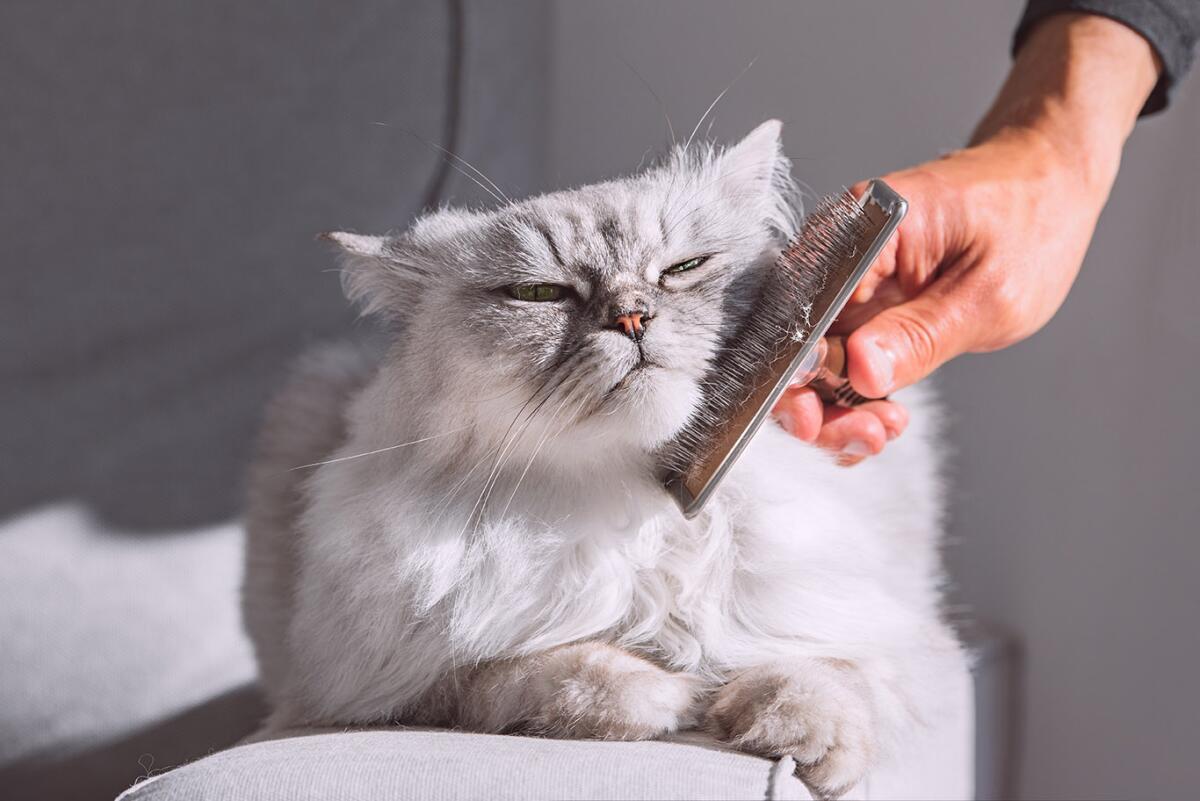
If you have a long-haired cat, you know how important it is to keep their coat clean and tangle-free. Grooming your cat at home might sound tricky, but with the right steps, it can be simple and even enjoyable for both of you.
Imagine your cat feeling comfortable, looking shiny, and spending less time dealing with painful mats. In this guide, you’ll discover easy tips and tricks to make grooming stress-free and effective. Ready to become your cat’s favorite groomer? Let’s get started!
Choosing The Right Grooming Tools
Choosing the right grooming tools is essential for caring for a long-haired cat at home. Using the proper tools makes the process easier and more comfortable for your cat. The right equipment helps remove loose fur, prevent mats, and keep the coat shiny and healthy. A well-groomed cat stays happy and clean.
Brush Types For Long Hair
Brushes come in different shapes and sizes. A slicker brush works well for removing loose hair and small tangles. It has fine, short wires close together. A pin brush is gentle and helps smooth the coat without pulling. Use a bristle brush to finish grooming and add shine. This brush removes dirt and spreads natural oils.
Combs And Dematting Tools
A wide-tooth comb helps untangle knots and prevent mats. Use it gently to avoid hurting your cat. Dematting tools are designed to cut through tough mats carefully. They have rounded tips to protect the skin. Keep these tools handy if your cat’s fur tends to mat easily. Regular combing prevents painful tangles.
Additional Grooming Supplies
- Cat-safe grooming wipes for quick cleanups
- Scissors with rounded tips for trimming mats
- Nail clippers made for cats
- Styptic powder to stop nail bleeding
- Soft towels to calm your cat during grooming
Having these supplies ready makes grooming sessions smoother. Keep everything close to avoid interruptions and stress.

Credit: tryfurgo.com
Preparing Your Cat For Grooming
Preparing your long-haired cat for grooming is essential to make the experience smooth and stress-free for both of you. Cats are sensitive creatures, and rushing into grooming without proper preparation can cause anxiety or resistance. Taking time to set the stage helps your cat feel safe and cooperative during the process.
Creating A Calm Environment
Choose a quiet spot free from loud noises or distractions. Turn off any TVs, radios, or other devices that might startle your cat. Soft lighting and a comfortable temperature help your cat relax before grooming begins.
Some cats respond well to gentle background music or the sound of a ticking clock. Observe what soothes your cat best and use it to create a peaceful atmosphere. Avoid grooming in busy areas where other pets or children may interrupt.
Getting Your Cat Comfortable
Spend a few minutes petting and talking to your cat before grooming. This builds trust and reassures your cat that grooming is not a threat. Use slow, deliberate strokes along your cat’s fur to mimic the sensation of being groomed.
If your cat allows, gently introduce the grooming tools by letting them sniff or touch them. This lowers fear of unfamiliar objects. Reward your cat with small treats or praise during this stage to create a positive association.
Timing Your Grooming Sessions
Pick times when your cat is naturally calm, such as after a meal or a play session. Avoid grooming when your cat is hyperactive or sleepy, as this can lead to frustration or resistance. Short sessions of 5 to 10 minutes work best, especially at first.
Watch your cat’s body language closely. If signs of stress appear, pause and try again later. Gradually increase the grooming time as your cat becomes more comfortable with the routine.
Brushing Techniques For Long Hair
Brushing your long-haired cat is more than just a routine task—it’s an opportunity to strengthen your bond and keep their coat healthy. Using the right techniques can make the experience enjoyable for both of you and prevent discomfort caused by tangled fur. Let’s look at how you can brush effectively to maintain that beautiful, silky coat.
Detangling Knots And Mats
Start by gently separating any knots or mats with your fingers before using a brush. If you rush through this, you might hurt your cat or cause more tangles. Use a wide-toothed comb or a special detangling tool designed for cats to carefully work through stubborn mats.
Patience is key here. Hold the fur close to the skin to avoid pulling and work slowly from the edges of the tangle inward. If a mat is too tight or large, consider trimming it carefully or seek professional help to avoid injury.
Brushing Direction And Pressure
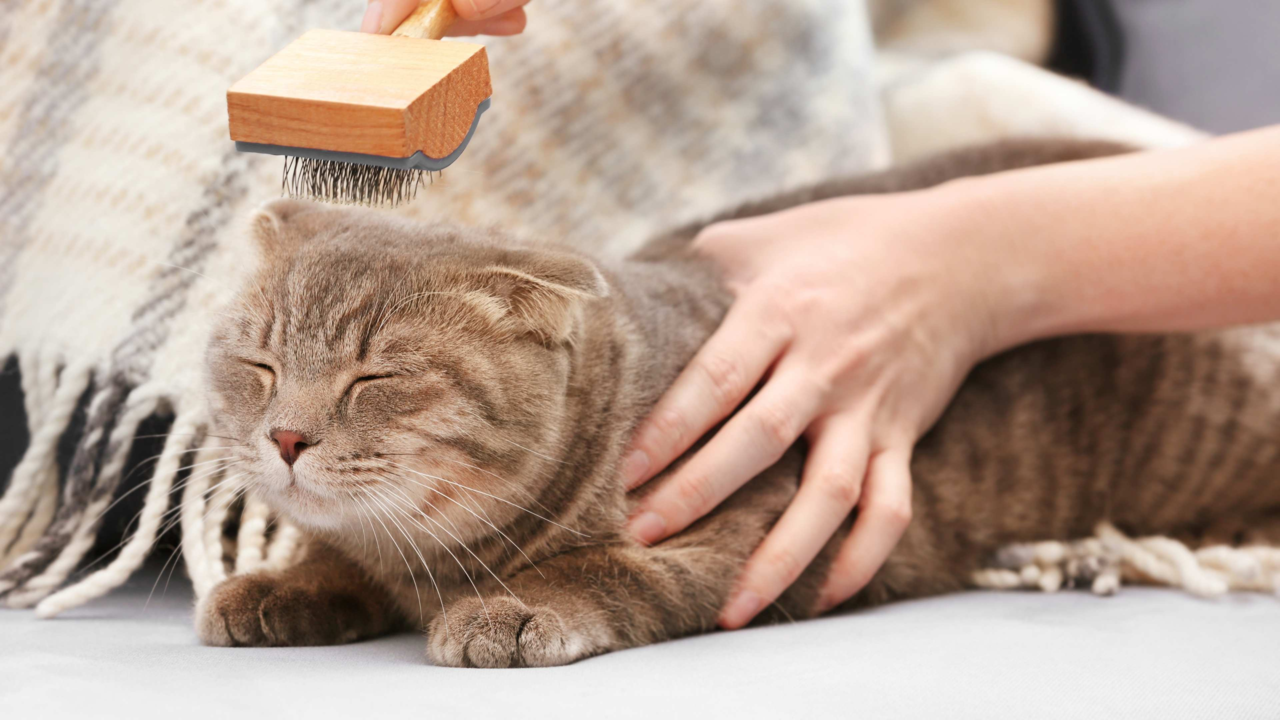
Brush in the direction of your cat’s fur growth. This feels natural and prevents unnecessary pulling. Use gentle, smooth strokes rather than harsh scrubbing.
Pay attention to your cat’s reaction. If they flinch or move away, lighten your touch. The goal is to make brushing a relaxing time, not a struggle. Try to cover all areas evenly, especially behind the ears and under the legs where tangles hide.
Frequency Of Brushing
Long-haired cats need brushing at least once a day to prevent mats and keep shedding under control. If your cat is particularly fluffy or prone to tangles, twice daily sessions might be better.
Watch how your cat’s coat responds. If you notice more mats or shedding, increase the brushing frequency. On the other hand, if your cat seems stressed, shorten sessions but keep them consistent to build tolerance.
Credit: petdirect.co.nz
Bathing Your Long Haired Cat
Bathing your long-haired cat can feel like a big challenge, but it doesn’t have to be stressful for you or your furry friend. With the right tools and a calm approach, you can keep your cat’s coat clean and shiny without causing anxiety. Let’s look at how to make bath time safe and comfortable.
Choosing Cat-friendly Shampoo
Not all shampoos are safe for cats, especially those with sensitive skin. Look for products labeled specifically for cats, free from harsh chemicals, fragrances, and dyes. Ingredients like oatmeal or aloe vera can soothe skin and prevent dryness.
Have you ever tried using a dog shampoo on a cat? It might seem harmless, but it can irritate their skin and even cause allergic reactions. Stick to formulas designed for felines to avoid these problems.
Step-by-step Bathing Process
- Start by brushing your cat thoroughly to remove tangles and loose fur.
- Fill the sink or tub with lukewarm water, about 4-6 inches deep.
- Gently place your cat in the water, talking softly to keep them calm.
- Use a cup or your hand to wet their fur, avoiding the head and ears.
- Apply a small amount of shampoo, lathering carefully and avoiding the face.
- Rinse thoroughly to remove all soap, as residue can irritate the skin.
- Use a washcloth dampened with water to clean the face gently.
Does your cat try to escape when you get the water out? Keep a calm, steady pace and reward them with treats to make the experience less scary.
Drying Methods
Long-haired cats need careful drying to prevent mats and chills. Start by wrapping your cat in a soft, absorbent towel and gently patting to soak up excess water.
If your cat tolerates it, use a hairdryer on the lowest heat and speed setting. Keep the dryer moving and at a safe distance to avoid overheating their skin.
Some cats prefer air drying in a warm, draft-free room. Keep brushing their fur during drying to stop tangles from forming.
Have you noticed how some cats react differently to drying methods? Pay attention to your cat’s preferences and adjust accordingly to keep bath time a positive experience.
Trimming And Nail Care
Regular trimming keeps your long-haired cat’s nails healthy and prevents scratches. Use gentle tools and calm your cat before clipping for a safe grooming session.
Trimming and nail care are crucial for long-haired cats. Regular grooming keeps your cat healthy and comfortable. It prevents matting and overgrown nails. With some practice, you can manage these tasks at home.Safe Hair Trimming Tips
Trimming your cat’s hair needs patience. Always use sharp, pet-safe scissors. Trim the hair slowly to avoid cutting the skin. Focus on areas prone to tangling, like behind the ears and under the belly. Keep sessions short to reduce stress.Nail Clipping Basics
Nail clipping is important to prevent painful breaks. Use cat-specific clippers for safety. Gently press the paw to extend the nails. Trim only the sharp tip, avoiding the quick. The quick is the pink area inside the nail. It contains nerves and blood vessels.When To Seek Professional Help
Sometimes, grooming can be challenging. Seek help if your cat becomes aggressive or anxious. Professional groomers have the skills to handle difficult tasks. They can also check for skin issues or infections. Regular visits can ensure your cat’s coat stays healthy.Maintaining A Healthy Coat
Maintaining a healthy coat is key to your long-haired cat’s well-being. A shiny, soft coat shows your cat is healthy and cared for. Regular grooming supports skin health and prevents mats and tangles. Good care also reduces hairballs and shedding problems.
Nutrition And Hydration
Balanced nutrition helps keep your cat’s fur strong and glossy. Choose high-quality cat food rich in omega-3 and omega-6 fatty acids. These fats improve skin condition and coat shine. Fresh water is essential for hydration. Proper hydration prevents dry skin and dull fur. Offer clean water daily and encourage your cat to drink often.
Regular Vet Checkups
Routine vet visits help catch skin or coat problems early. Parasites, allergies, or infections affect fur health. Your vet can suggest treatments or dietary changes. Vaccines and parasite control keep your cat healthy. Healthy cats have better fur and less shedding. Schedule vet visits at least once a year.
Managing Shedding And Hairballs
Long-haired cats shed more and may get hairballs. Frequent brushing removes loose fur and reduces shedding. Use a slicker brush or wide-tooth comb for best results. Hairballs form when cats swallow loose hair. Help prevent them by grooming regularly and feeding hairball control food. Keep your home clean by vacuuming often.

Credit: pursianpaws.com
Frequently Asked Questions
How Often Should I Groom My Long-haired Cat?
Groom your long-haired cat daily to prevent mats and tangles. Regular brushing reduces hairballs and keeps the coat healthy. Consistent grooming also helps monitor skin issues and strengthens your bond with your cat.
What Tools Are Best For Grooming Long-haired Cats?
Use a wide-toothed comb, slicker brush, and deshedding tool. These tools remove tangles, loose fur, and reduce shedding effectively. Choose pet-safe grooming tools to ensure comfort and safety during grooming sessions.
How Do I Detangle Mats In My Cat’s Fur?
Gently hold the fur and use a detangling spray or conditioner. Carefully comb out mats starting from the edges. For severe mats, consult a professional groomer to avoid hurting your cat.
Can Grooming Prevent Hairballs In Long-haired Cats?
Yes, regular grooming removes loose fur before ingestion. This significantly reduces hairball formation and digestive issues. Frequent brushing is essential for maintaining your cat’s overall health and comfort.
Conclusion
Grooming your long-haired cat at home keeps their coat clean and healthy. Regular brushing stops mats and tangles from forming. It also helps you spot any skin problems early. Use gentle tools and be patient with your cat. Make grooming a calm, positive time for both of you.
Small daily steps will make a big difference over time. Enjoy the bond you build while caring for your furry friend. Simple care at home can keep your cat happy and beautiful.




Leave a Reply