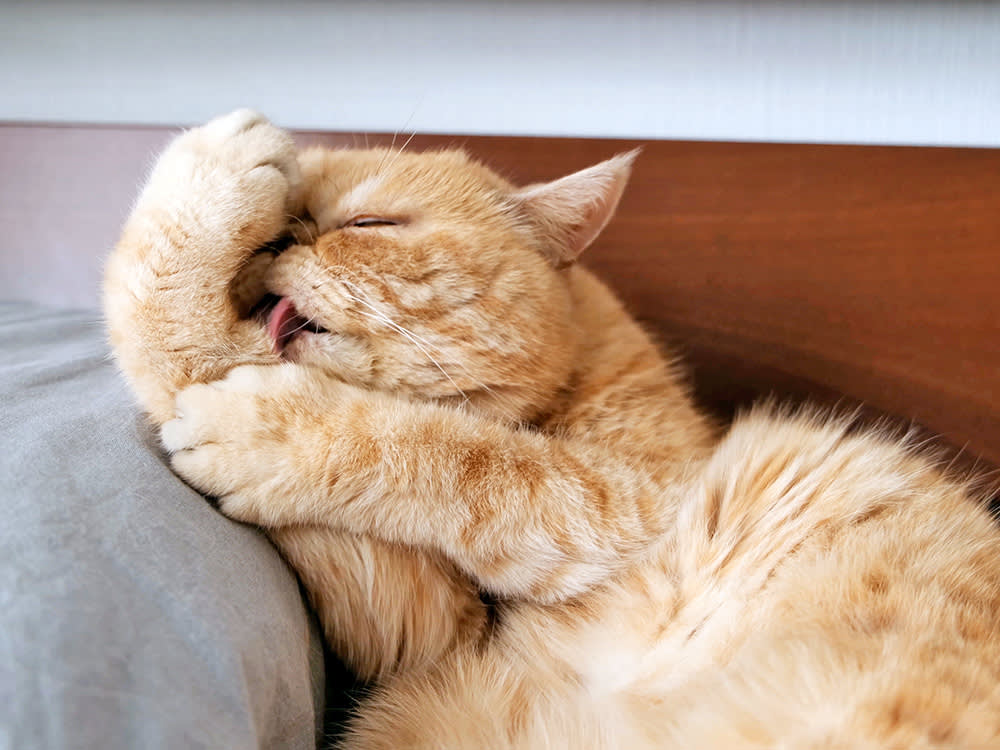
Have you noticed that your cat isn’t grooming herself like she used to? It’s worrying when a pet suddenly stops cleaning her fur.
Grooming is a natural habit for cats, and when it changes, it often signals something is wrong. You might feel confused or concerned, wondering what could be causing this shift. You’ll discover the common reasons behind this behavior and what you can do to help your furry friend feel better again.
Keep reading—your cat’s health and happiness could depend on it.
Common Causes Of Grooming Loss
Noticing your cat suddenly stop grooming herself can be worrying. Grooming is essential for a cat’s health and comfort. When this behavior changes, it often signals an underlying problem. Understanding the common causes of grooming loss will help you act quickly and support your furry friend.
Health Issues
Illness can make grooming difficult or less of a priority for your cat. Conditions like diabetes, kidney disease, or infections drain energy and affect their motivation to clean themselves. If you spot grooming loss alongside other symptoms like lethargy or appetite changes, a vet visit is crucial.
Pain And Discomfort
Pain can stop your cat from reaching certain body parts. Arthritis, injuries, or dental problems might make grooming painful. Watch if your cat avoids touching specific areas or flinches when you pet her—these clues often point to discomfort.
Stress And Anxiety
Stress can disrupt a cat’s normal routines, including grooming. Changes in the home, new pets, or loud noises might cause anxiety. Does your cat hide more or seem restless? These signs suggest that emotional well-being might be affecting her grooming habits.
Age-related Changes
Older cats often groom less due to reduced flexibility or weaker muscles. They might also have decreased senses, making grooming less effective or enjoyable. If your cat is aging, consider gentle help like regular brushing to keep her comfortable and clean.
Skin Conditions
Parasites, allergies, or infections can make grooming uncomfortable or ineffective. Your cat might avoid licking sore spots or show signs of itching and redness. Inspect her fur and skin regularly, and consult your vet if you notice irritation or hair loss.

Credit: www.reddit.com
Signs To Watch For
Noticing that your cat has stopped grooming herself can be worrying. Recognizing the signs early can help you understand what might be wrong and how to help her. Look closely at her coat, behavior, and any physical changes to catch issues before they worsen.
Changes In Coat Appearance
A dull, greasy, or matted coat is often the first visible sign that grooming has stopped. You might see clumps of fur sticking together or bald patches where she’s missed cleaning.
Does your cat’s fur look uneven or unusually dirty? These changes can indicate discomfort or health problems that are preventing her from grooming properly.
Behavioral Shifts
If your cat suddenly seems withdrawn, less active, or hides more than usual, it could signal stress or illness affecting her grooming habits. Cats usually groom to relax, so a lack of this behavior might mean something is wrong.
Have you noticed her avoiding playtime or meals? These changes often go hand-in-hand with grooming neglect and deserve your attention.
Physical Symptoms
Look for signs like swelling, redness, wounds, or excessive scratching. These symptoms can cause pain or irritation, making grooming difficult or unpleasant for your cat.
Is she limping or favoring one side? Pain in joints or muscles can stop her from reaching certain areas to clean.
How Grooming Affects Cat Health
Grooming is more than just a routine for your cat; it plays a vital role in their overall health and well-being. When a cat stops grooming, it can signal underlying health issues or emotional distress. Understanding how grooming affects your cat’s health can help you spot problems early and take the right steps to support your furry friend.
Hygiene And Skin Health
Grooming helps cats keep their fur clean and free from dirt, parasites, and dead skin. Without regular grooming, your cat’s coat can become matted and attract harmful bacteria, leading to skin infections.
Have you noticed bald patches or excessive scratching? These can be signs that your cat’s skin is irritated or infected due to poor grooming habits. Keeping an eye on your cat’s coat condition can help you catch skin problems before they worsen.
Temperature Regulation
Cats use grooming to manage their body temperature. Licking spreads saliva over their fur, which cools them down as it evaporates.
If your cat stops grooming, they might struggle to cool off in warm weather or maintain warmth in colder conditions. This could make them more prone to heat stress or chills, especially if they have a thick or long coat.
Emotional Well-being
Grooming has a calming effect on cats. It reduces stress and helps them feel safe and comfortable.
When your cat suddenly stops grooming, it might be a sign of anxiety, depression, or pain. Have you noticed changes in your cat’s behavior, such as hiding or loss of appetite? These signs often go hand-in-hand with grooming issues.
When To See A Veterinarian
Cats usually groom themselves to stay clean and healthy. When grooming stops, it signals a possible problem. Knowing when to visit a veterinarian helps protect your cat’s health. Early care can prevent bigger issues.
Identifying Serious Problems
Look for signs that need urgent attention:
- Patchy or missing fur
- Red, swollen, or sore skin
- Visible wounds or scabs
- Unusual lumps or bumps
- Changes in appetite or behavior
- Excessive scratching or licking
These signs often show pain, infection, or illness.
Diagnostic Tests
The veterinarian will examine your cat thoroughly. Tests may include:
- Skin scrapings to check for mites or infections
- Blood tests to assess overall health
- Allergy tests to find irritants
- Fungal cultures for ringworm
- X-rays if injury or internal issues are suspected
These tests help pinpoint the exact cause of grooming loss.
Treatment Options
Treatment depends on the diagnosis. Common options include:
- Medicated shampoos and topical ointments
- Antibiotics or antifungal medicines
- Anti-parasitic treatments for fleas or mites
- Diet changes for allergies or nutritional support
- Pain relief or anti-inflammatory drugs
Follow the vet’s advice closely for best recovery. Regular check-ups may be necessary to track progress.
At-home Care Tips
Cats may stop grooming due to pain, stress, or illness. Watching for changes helps spot problems early. Gentle care and vet visits support your cat’s health.
Cats are typically meticulous groomers, so noticing a change in this behavior can be concerning. If your cat has stopped grooming, there are some at-home care tips you can try to encourage them to return to their regular grooming habits. These tips focus on creating a conducive environment and managing potential stressors for your feline friend.Encouraging Grooming
Encouraging your cat to groom herself again can start with a gentle brushing session. Use a soft brush that mimics the sensation of her own tongue, which can be soothing and encourage her to take over the task. Consider setting aside a specific time each day for this activity to help establish a routine. Make grooming a positive experience by offering your cat treats or affection after each session. This reward system can motivate her to resume grooming on her own. Observe her preferences; some cats may prefer grooming in a quiet room away from noise, while others might enjoy the presence of their favorite toy nearby.Managing Stress
Stress can be a significant factor if your cat has stopped grooming herself. Identify potential stressors in your home, such as new pets, changes in routine, or even loud noises. Once identified, work to minimize or eliminate these stressors. Create a peaceful environment by providing safe spaces where your cat can retreat. Consider using cat-friendly pheromone diffusers, which can help reduce anxiety levels. Regular playtime can also be beneficial, as it not only reduces stress but also strengthens the bond between you and your cat.Maintaining Skin And Coat
While your cat is not grooming herself, you can help maintain her skin and coat health. Regular brushing helps distribute natural oils, keeping her coat shiny and skin healthy. Opt for a brush appropriate for her fur type, whether short or long. Incorporate a balanced diet rich in omega-3 and omega-6 fatty acids to promote healthy skin and fur. Consult with your vet about supplements if necessary. Regular check-ups are crucial to rule out underlying health issues that might be affecting her grooming habits. Have you noticed any other changes in her behavior? These observations can provide important clues to help you and your vet identify the root cause.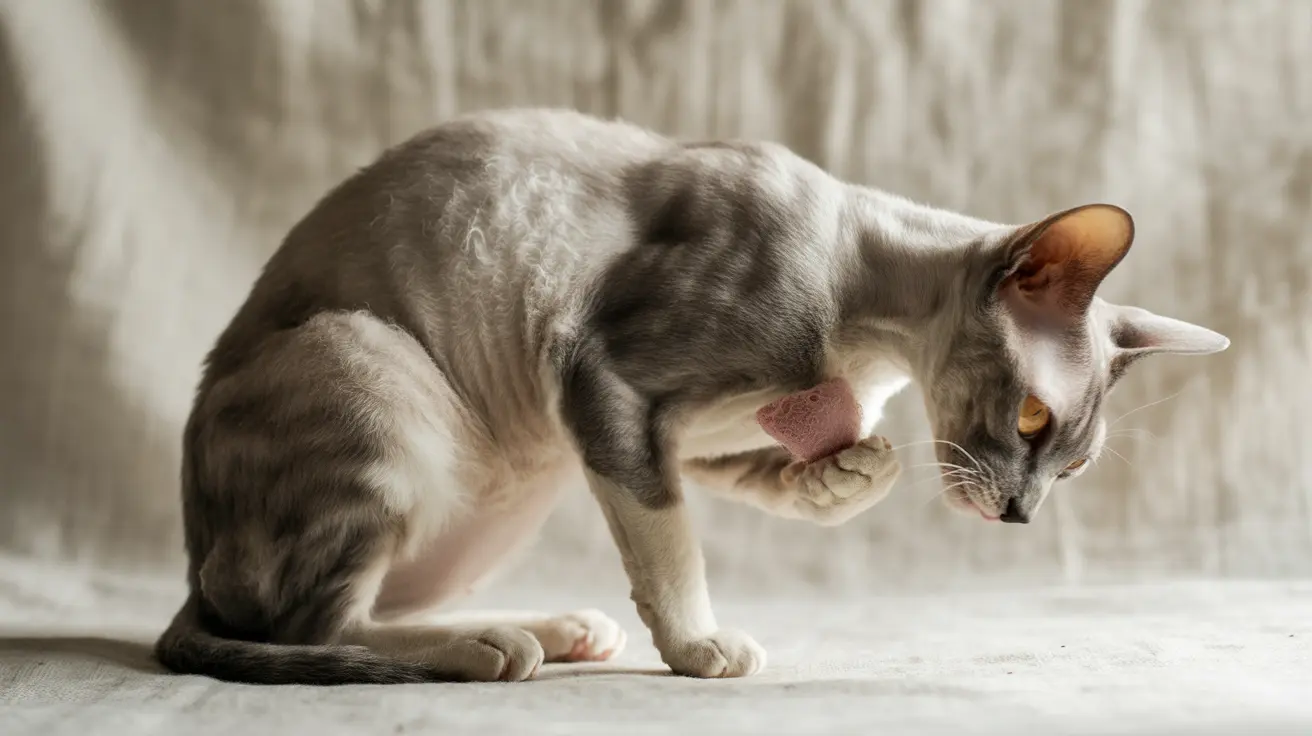
Credit: www.petscare.com
Preventing Grooming Issues
Preventing grooming issues in your cat is key to keeping her healthy and happy. Grooming is more than just a beauty routine; it helps regulate body temperature, keeps the coat clean, and reduces stress. When your cat stops grooming, it signals something could be wrong, so taking steps to prevent this is crucial.
Regular Vet Checkups
Regular vet visits help catch health problems before they affect your cat’s grooming habits. Skin conditions, dental issues, or pain can stop your cat from grooming herself. You might not see these problems right away, but your vet can spot them early.
Have you noticed your cat licking less or looking uncomfortable? Don’t wait to get professional advice—it can make a big difference.
Healthy Diet
Your cat’s diet directly impacts her skin and coat health. Nutrient-rich food with the right balance of proteins, fats, and vitamins supports natural grooming. Lack of omega-3 fatty acids, for example, can cause dry skin and dull fur.
Try adding foods or supplements that improve coat shine. Have you checked if your cat’s food meets all her nutritional needs lately?
Environmental Enrichment
Stress and boredom can cause your cat to stop grooming. Providing toys, scratching posts, and safe spaces can reduce anxiety. A calm, stimulating environment encourages your cat to take care of herself.
Think about your cat’s daily routine—does she have enough interaction and playtime? Small changes here can lead to big improvements in grooming behavior.

Credit: www.reddit.com
Frequently Asked Questions
Why Did My Cat Suddenly Stop Grooming Herself?
Cats may stop grooming due to illness, pain, stress, or depression. Skin conditions and dental problems also affect grooming habits. A vet visit can identify underlying causes and provide treatment. Early intervention helps restore normal grooming behavior and keeps your cat healthy.
Can Stress Cause A Cat To Stop Grooming?
Yes, stress can cause cats to stop grooming. Changes in environment, routine, or new pets can trigger anxiety. Stress impacts their behavior and health. Reducing stress through comfort and routine helps improve grooming habits. Consult a vet if stress persists.
How Does Illness Affect A Cat’s Grooming?
Illness can reduce a cat’s grooming ability. Pain or discomfort may limit movement and grooming. Conditions like arthritis, infections, or dental issues are common causes. Treating the illness often restores grooming behavior. Regular vet checkups prevent grooming problems caused by health issues.
When Should I See A Vet For Grooming Issues?
See a vet if your cat stops grooming for more than a day. Also, seek help if you notice skin problems, hair loss, or behavioral changes. Prompt veterinary care can diagnose and treat underlying health or stress issues affecting grooming.
Conclusion
Cats stop grooming for many reasons like illness, stress, or pain. Notice changes in your cat’s habits and check her skin and fur. Seek help from a vet to find the real cause. Early care can keep your cat happy and healthy.
Watching your cat closely helps you act quickly. Caring for your cat’s grooming shows you love her well. Keep her comfort and health as your top priority.




Leave a Reply