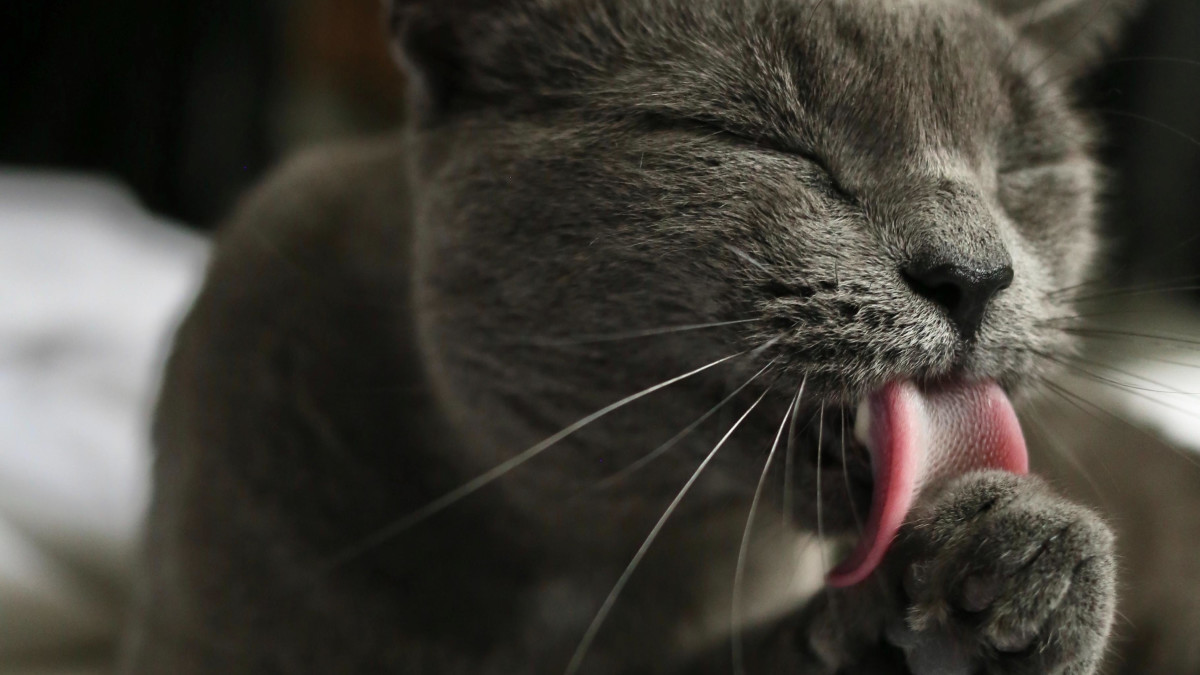
Have you noticed your cat spending more time licking and cleaning than usual? Excessive grooming can be more than just a quirky habit—it might be a sign that something is bothering your furry friend.
You want to make sure your cat is happy and healthy, but understanding why they groom so much can be tricky. Keep reading to discover the surprising reasons behind your cat’s constant grooming and what you can do to help.
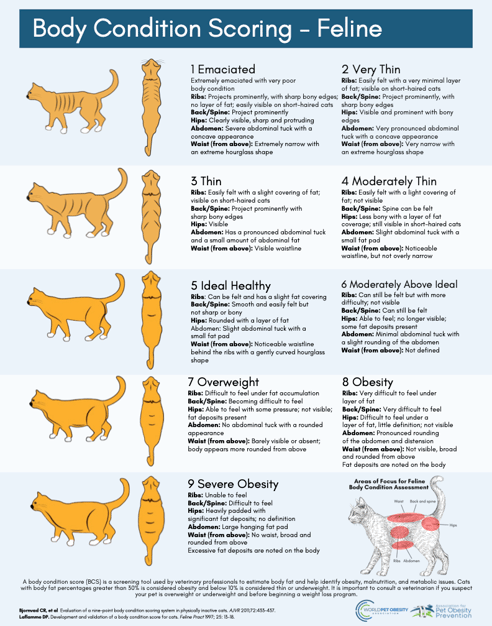
Credit: www.preventivevet.com
Signs Of Excessive Grooming
Excessive grooming in cats can signal underlying issues that need attention. Recognizing the signs early helps prevent serious health problems. Cats groom themselves to stay clean, but too much grooming may indicate stress, allergies, or skin conditions.
Watch for changes in your cat’s normal grooming habits. Notice if grooming becomes frequent or intense. Identifying these signs helps you understand your cat’s needs better.
Behavior Patterns To Watch
- Repeated licking or biting the same area
- Restlessness or irritability during grooming
- Grooming that interrupts sleep or play
- Sudden increase in grooming time each day
- Hiding or avoiding interaction after grooming
Physical Symptoms On Fur And Skin
- Redness or inflammation on the skin
- Bald patches or thinning fur
- Scabs, sores, or crusty areas
- Wet or greasy fur from constant licking
- Signs of irritation like swelling or bumps

Credit: pennypaws.com
Common Medical Causes
Excessive grooming in cats often signals an underlying medical issue. Identifying common medical causes helps in understanding why your cat licks or scratches too much. Many health problems can trigger this behavior, affecting your cat’s comfort and skin health.
Allergies And Skin Irritations
Allergies are a frequent cause of excessive grooming. Cats can react to food, pollen, or dust mites. These allergies cause itchy and irritated skin. Your cat may lick or bite the irritated areas to find relief. Skin irritations like rashes or dry patches also lead to more grooming. Constant licking can worsen the irritation, creating a cycle of discomfort.
Parasites And Infections
Fleas, mites, and ticks cause intense itching and discomfort. Parasites bite and irritate the skin, prompting your cat to groom more. Infections from bacteria or fungi can also cause skin problems. These infections make the skin sore and inflamed. Grooming increases as the cat tries to soothe the infected spots. Treating parasites and infections is essential to stop this behavior.
Pain And Discomfort
Pain from injuries or arthritis can cause excessive grooming. Cats may lick painful areas to ease discomfort. Internal problems like dental pain or abdominal issues also lead to more grooming. This behavior is a way to cope with stress or pain. Noticing where your cat grooms most can help find the source of pain.
Behavioral Reasons
Behavioral reasons often cause cats to groom themselves too much. Grooming is natural for cats, but when it becomes excessive, it may signal a problem. Understanding these behaviors helps you care for your cat better.
Stress And Anxiety Triggers
Cats feel stress from changes in their environment or routine. Moving to a new home, new pets, or loud noises can upset them. Excessive grooming helps cats calm down or feel safe. It acts like a coping mechanism during tough times. Watch for signs like hiding, restlessness, or changes in appetite.
Boredom And Lack Of Stimulation
Cats need mental and physical activities to stay happy. Without enough play or interaction, they get bored easily. Bored cats may groom themselves too much to pass time. This behavior fills the gap left by missing stimulation. Providing toys, playtime, and company can reduce excessive grooming.

Credit: petcube.com
Environmental Factors
Excessive grooming in cats can often be linked to environmental factors. Changes in your cat’s surroundings can create stress or anxiety. This might lead to overgrooming as a way to cope. Let’s explore some common environmental factors that might trigger this behavior.
Changes In Home Environment
Cats are creatures of habit and love routine. A slight change in their environment can cause stress. Moving to a new home or rearranging furniture can unsettle them. New scents or loud noises can also contribute to their anxiety. As a result, they may groom excessively to comfort themselves.
Impact Of Other Pets
Introducing a new pet to the household can be challenging for cats. They may feel threatened or jealous, leading to stress. This tension can manifest in increased grooming as a coping mechanism. Ensuring a smooth introduction can help reduce this stress.
When To See A Vet
Excessive grooming in cats can sometimes be more than just a quirky habit. It may signal underlying health problems that need professional care. Knowing when to take your cat to the vet can make a big difference in their comfort and well-being.
Critical Signs Needing Attention
Watch for bald patches or raw, red skin caused by over-grooming. These signs often mean your cat is in pain or discomfort.
If your cat suddenly starts grooming more than usual, it could be stress, allergies, or even parasites. Pay attention to changes in behavior like restlessness or aggression, which can also point to health issues.
Has your cat lost weight, stopped eating, or seems lethargic alongside excessive grooming? These are urgent signals that you should not ignore. Your cat might be trying to tell you something serious is wrong.
Diagnostic Tests And Procedures
At the vet, several tests help identify the cause of excessive grooming. Skin scrapings and allergy tests can reveal parasites or allergic reactions.
Blood tests might be needed to check for hormonal imbalances or infections. Sometimes, your vet may recommend a biopsy if they suspect a skin condition that needs closer examination.
Imaging, like X-rays or ultrasounds, can uncover hidden issues such as pain from arthritis or internal problems. Remember, these tests provide clues that guide effective treatment.
Treatment Options
Excessive grooming in cats can be distressing for both you and your furry friend. Finding the right treatment is key to easing your cat’s discomfort and stopping the behavior from worsening. Treatment options vary depending on the cause, so it’s important to understand what might work best for your cat’s unique situation.
Medical Interventions
Sometimes, excessive grooming is a sign of an underlying medical issue. Your vet might check for skin infections, allergies, parasites, or pain that could be triggering the behavior. Treatments could include antibiotics, anti-inflammatory medications, or allergy relief.
If your cat has a skin condition, topical ointments or medicated baths may help soothe irritation. Don’t hesitate to ask your vet about options like flea control or special diets designed to reduce allergic reactions. Have you noticed any patterns in your cat’s grooming that coincide with changes in their health?
Behavioral Therapies
Excessive grooming can sometimes be a response to stress or anxiety. Behavioral therapies aim to reduce these triggers and teach your cat healthier ways to cope. Techniques may include positive reinforcement training and distraction with toys or puzzles.
Engaging your cat in regular play sessions can redirect their focus away from grooming. You might also try calming products like pheromone diffusers or anxiety wraps. How often do you engage your cat in activities that challenge their mind and body?
Environmental Adjustments
Your cat’s surroundings play a big role in their grooming habits. Simple changes can lower stress and help prevent over-grooming. Adding cozy hiding spots, scratching posts, or interactive toys can make your home more stimulating and comforting.
Consider whether loud noises, new pets, or changes in routine might be upsetting your cat. Creating a calm, predictable environment often reduces anxiety-driven grooming. What small changes could you make today to help your cat feel safer and more relaxed?
Preventing Excessive Grooming
Excessive grooming in cats can be a sign that something is off balance in their lives. Preventing this behavior means addressing the root causes and offering your cat a healthier way to cope. By focusing on daily care, stress reduction, and mental stimulation, you can help your cat feel comfortable and less driven to over-groom.
Routine Care Tips
Keeping your cat’s coat clean and healthy is a simple way to reduce the need for excessive grooming. Brush your cat regularly to remove loose fur and prevent mats, especially if they have long hair.
Check your cat’s skin for any signs of irritation or parasites like fleas, which can cause itching and trigger over-grooming. Regular vet visits are also important to catch underlying health issues early.
Reducing Stress Factors
Stress is a major trigger for excessive grooming, so look closely at your cat’s environment. Changes like new people, pets, or loud noises can make your cat anxious.
Create a calm and predictable space. Consider using pheromone diffusers or calming sprays to help your cat feel secure.
Have you noticed if your cat grooms more after a stressful event? Identifying these moments helps you prevent or ease anxiety before it escalates.
Enhancing Play And Enrichment
Boredom can push cats toward over-grooming. Offer a variety of toys and interactive play sessions to keep your cat’s mind active and body moving.
Try puzzle feeders, climbing trees, or even simple cardboard boxes to spark curiosity and engagement.
Engagement doesn’t just reduce grooming—it strengthens your bond. What new activity can you try today to make your cat’s world more exciting?
Frequently Asked Questions
Why Does My Cat Groom Excessively And Obsessively?
Excessive grooming in cats often signals stress, allergies, or skin infections. It can also indicate pain or parasites. Watch for bald patches or sores, which need veterinary attention to diagnose and treat the root cause properly.
Can Allergies Cause My Cat To Groom Too Much?
Yes, allergies to food, pollen, or fleas can trigger intense grooming. Cats lick to relieve itchiness. Identifying and removing allergens helps reduce excessive grooming and improves your cat’s comfort and skin health.
Is Excessive Grooming A Sign Of Stress In Cats?
Absolutely. Cats groom excessively when anxious or stressed. Changes in environment or routine can cause this behavior. Providing a calm, stable environment and enrichment can help minimize stress-related grooming.
How Do Fleas Contribute To My Cat’s Over-grooming?
Fleas cause itching and irritation, prompting cats to groom excessively. Flea bites lead to skin inflammation and discomfort. Regular flea control prevents this behavior and protects your cat’s skin from damage.
Conclusion
Excessive grooming in cats can signal stress or health problems. Watch your cat’s behavior closely. Note any changes in their skin or fur. Visiting a vet helps find the cause quickly. Treating the issue early keeps your cat happy. Simple care and attention make a big difference.
Remember, your cat relies on you for comfort. Stay patient and supportive as you help them feel better. Small steps lead to a healthier, calmer pet. Trust your instincts and act when needed.




Leave a Reply