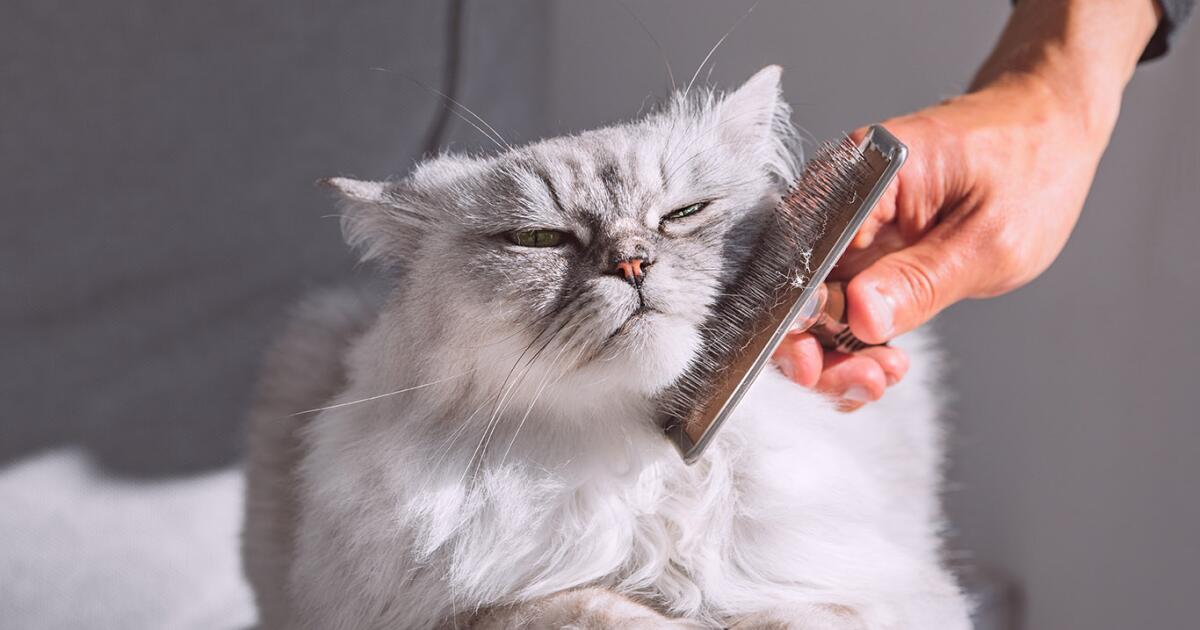
Have you noticed your cat spending more time licking and cleaning than usual? It can be worrying to see your furry friend grooming a lot, and you might wonder if something is wrong.
Your cat’s grooming habits can tell you a lot about their health and happiness. You’ll discover the surprising reasons behind this behavior and what you can do to help your cat feel comfortable and content again. Keep reading to understand what’s really going on beneath all that fur-cleaning!
Normal Grooming Habits
Cats grooming themselves frequently is a natural and healthy behavior. Understanding what counts as normal grooming habits can help you spot when your cat’s licking or cleaning might be excessive. Let’s look at what a typical grooming routine looks like and why your cat invests so much time in it.
Daily Grooming Routine
Your cat spends a significant part of its day grooming. On average, cats dedicate about 30-50% of their waking hours to licking their fur and cleaning their paws. This routine includes:
- Licking their coat to remove dirt and loose fur.
- Cleaning their face and ears carefully with their paws.
- Nibbling or biting gently at areas to untangle fur or remove debris.
Have you noticed your cat stopping mid-groom to scratch or shake? These small breaks are normal and help prevent overdoing it. If your cat suddenly changes this pattern, it might be worth a closer look.
Benefits Of Grooming
Grooming does more than keep your cat looking sleek. It plays a vital role in their health and well-being. Here are some key benefits:
- Temperature Regulation:Grooming spreads natural oils that keep fur waterproof and insulated.
- Stress Relief:The repetitive motion calms your cat, reducing anxiety.
- Social Bonding:Cats groom each other to strengthen relationships, so self-grooming supports social behavior.
- Parasite Control:Licking helps remove fleas, dirt, and dead skin.
Next time you see your cat meticulously cleaning, ask yourself if you’re witnessing a self-care ritual that’s essential for its happiness and health.
Stress And Anxiety
Stress and anxiety can have a surprising impact on your cat’s behavior, especially when it comes to grooming. If your feline friend suddenly starts licking or grooming themselves more than usual, it might be their way of coping with emotional discomfort. Understanding how stress affects your cat can help you respond in a way that supports their well-being.
Signs Of Stress In Cats
Recognizing stress in your cat is key to addressing excessive grooming. Look out for:
- Restlessness or pacing
- Hiding more than usual
- Changes in appetite or litter box habits
- Increased vocalization or irritability
- Over-grooming leading to bald spots or skin irritation
If you notice these signs alongside frequent grooming, your cat might be reacting to anxiety rather than just maintaining cleanliness.
How Anxiety Triggers Excessive Grooming
When cats feel anxious, grooming releases endorphins that help them feel calmer. However, this coping mechanism can become excessive, turning into a compulsive behavior.
For example, a sudden move to a new home or the introduction of a new pet can trigger anxiety. Your cat might start over-grooming as a way to soothe themselves.
Ask yourself: what recent changes could be unsettling your cat? Addressing these stressors can reduce excessive grooming. Providing a quiet space, interactive toys, or even pheromone diffusers might help your cat regain balance.
Skin Irritations
Cats groom themselves to keep clean and healthy. Excessive grooming can signal skin irritations. These irritations cause discomfort and itching. Your cat might lick or scratch a lot to feel better. Understanding the causes helps you protect your pet’s skin.
Allergies And Sensitivities
Allergies often cause skin irritation in cats. Common allergens include:
- Food ingredients
- Pollen and dust
- Cleaning products
Allergic reactions lead to redness, swelling, and itchiness. Sensitive skin reacts strongly to certain materials or chemicals. Cats may groom more to soothe itchy spots. Identifying allergens can reduce your cat’s discomfort.
Parasites And Infections
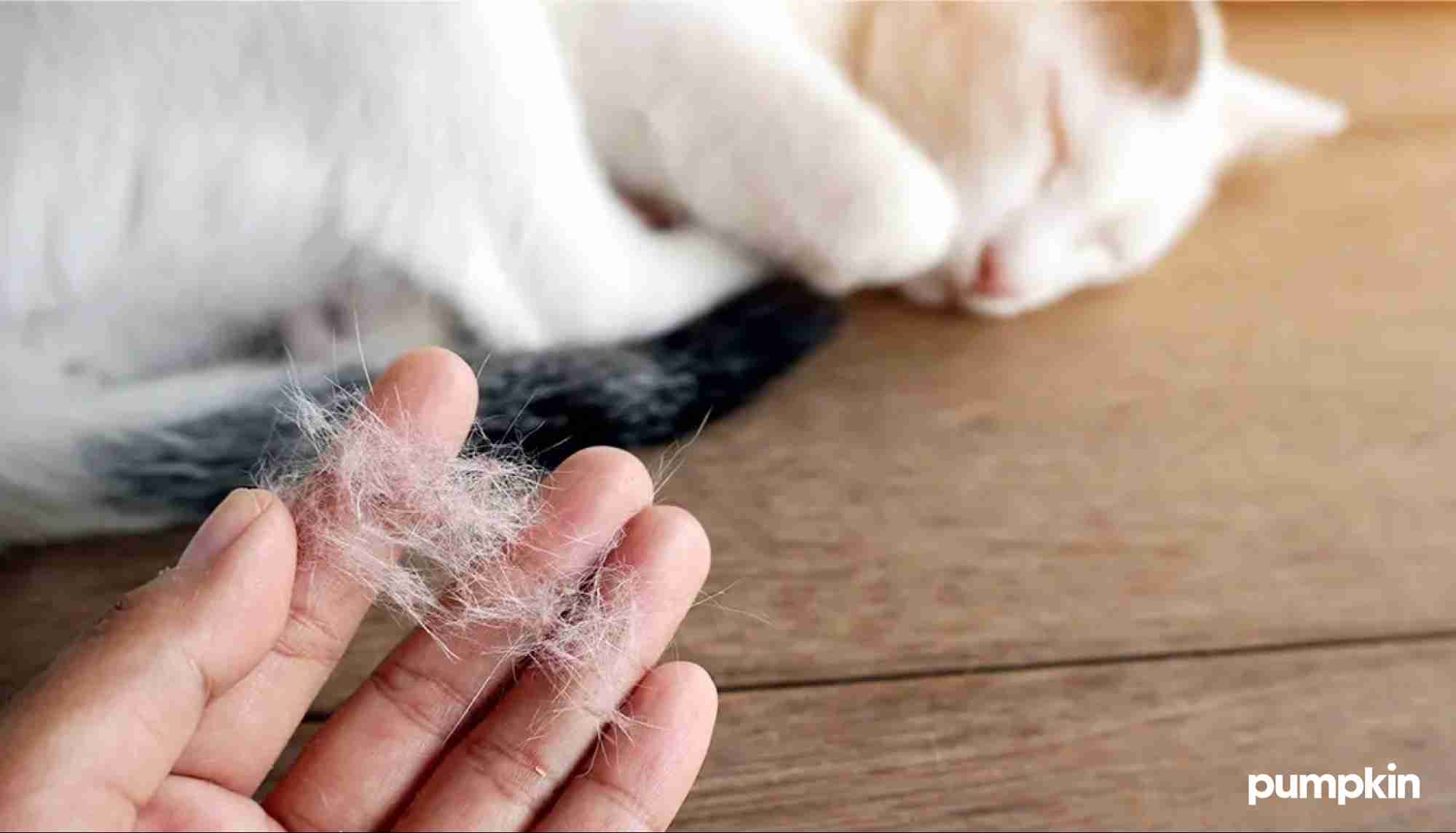
Parasites like fleas and mites cause intense itching. These tiny pests bite and irritate the skin. Infections can develop from constant scratching or licking. Bacterial or fungal infections worsen skin problems. Your cat’s grooming increases to relieve pain and itch. Regular parasite control keeps your cat comfortable and healthy.
Credit: www.pumpkin.care
Health Issues
Excessive grooming in cats can often signal health issues that might need your attention. It’s important to understand what your cat is trying to communicate through this behavior. By identifying the root cause, you can help your feline friend feel more comfortable and prevent further problems.
Pain And Discomfort
Cats may groom excessively when they are experiencing pain or discomfort. This can happen if they have an injury, arthritis, or even dental problems. You might notice your cat licking or biting a specific area repeatedly, which could indicate where it hurts.
Have you ever seen your cat focus intensely on one spot? That’s often a sign of pain. If you observe this behavior, check for swelling, redness, or wounds, and consider a vet visit to diagnose the issue early.
Underlying Medical Conditions
Several medical conditions can cause your cat to groom more than usual. Skin infections, allergies, parasites like fleas, or hormonal imbalances can all trigger this behavior. These issues irritate the skin, making your cat try to soothe itself through grooming.
Think about whether your cat has developed bald patches or scabs. These are red flags that suggest a medical problem. Testing for fleas, allergy treatments, or blood work might be necessary, so don’t hesitate to seek professional advice.
Behavioral Causes
Understanding why your cat grooms a lot can be puzzling. Sometimes, the reasons lie in their behavior. Cats might groom excessively due to stress, boredom, or other factors. Let’s explore some behavioral causes of frequent grooming.
Compulsive Grooming
Cats may groom compulsively due to stress or anxiety. Changes in their environment often trigger this. A new pet or moving to a new home can cause stress. Cats use grooming as a coping mechanism. It provides comfort and relief. If your cat grooms a lot, observe any recent changes. Identifying and addressing stressors can help reduce compulsive grooming.
Boredom And Attention Seeking
Boredom can lead your cat to groom excessively. Cats need mental stimulation and interaction. Without it, they might groom to pass the time. Offering toys or interactive play can reduce boredom. Sometimes, cats groom to get your attention. If they feel ignored, they may resort to excessive grooming. Spend quality time with your cat each day. It can help curb attention-seeking behavior.
When To Seek Help
Knowing when to seek help for your cat’s excessive grooming is key to keeping your furry friend healthy and happy. Grooming is natural, but too much of it can signal underlying problems you shouldn’t ignore. If you notice changes in your cat’s behavior or skin, it’s time to pay close attention.
Identifying Problem Grooming
Is your cat grooming to the point of bald patches or raw skin? That’s a clear warning sign. Watch for constant licking, biting, or scratching that seems to cause discomfort or injury.
Also, consider if the grooming is linked to stress or anxiety. Cats may over-groom when they feel insecure or bored. Have you recently changed your cat’s environment or routine?
Tracking these signs early helps you avoid bigger health issues. Remember, occasional grooming is normal, but persistent, intense grooming is not.
Veterinary And Behavioral Support
Once you spot problem grooming, consulting a veterinarian should be your next step. A vet can check for allergies, parasites, or skin infections that might be causing discomfort.
If health issues are ruled out, a behaviorist can help identify stress triggers. They can suggest environmental changes or enrichment activities to reduce anxiety.
Don’t wait until your cat is injured or distressed. Early professional advice can save your pet from pain and prevent grooming habits from becoming compulsive.
Preventing Excessive Grooming
Excessive grooming in cats can signal stress, allergies, or health issues. Preventing this behavior starts by creating a supportive environment and keeping a close eye on your cat’s health. You want to help your furry friend feel comfortable and happy to reduce the urge to over-groom.
Environmental Enrichment
Does your cat have enough to do? Boredom often leads cats to groom excessively. Adding toys, scratching posts, and climbing spaces can keep your cat’s mind and body busy.
Try rotating toys regularly to keep things fresh. Even simple activities like puzzle feeders can challenge your cat and divert attention from grooming. Consider spending extra playtime with your cat daily—your interaction counts more than you might think.
Regular Health Checks
Have you noticed any skin redness or bald spots on your cat? These signs could indicate allergies or parasites causing discomfort. Regular vet visits help catch these problems early.
Health checks also include monitoring for stress-related issues. Your vet can recommend treatments or behavioral strategies that fit your cat’s unique needs. Don’t wait until the grooming becomes damaging; early action can save your cat from pain and anxiety.
Credit: www.latimes.com

Credit: www.latimes.com
Frequently Asked Questions
Why Is My Cat Grooming Excessively?
Excessive grooming in cats often signals stress, allergies, or skin irritation. It can also indicate parasites like fleas. Observing behavior and consulting a vet helps identify the cause. Early detection prevents skin damage and improves your cat’s comfort.
Can Stress Cause My Cat To Groom More?
Yes, stress triggers over-grooming as a coping mechanism in cats. Changes in environment, new pets, or loud noises may increase grooming. Reducing stressors and providing a calm space helps manage this behavior effectively.
Does Grooming Mean My Cat Is Healthy?
Regular grooming usually shows good health and hygiene in cats. However, excessive grooming may indicate health issues like allergies or infections. Monitoring grooming patterns helps spot potential problems early for timely veterinary care.
How Can I Stop My Cat From Over-grooming?
Identify the underlying cause like allergies, parasites, or stress. Provide a balanced diet, regular vet check-ups, and a calm environment. Using calming sprays or distraction techniques can also reduce over-grooming habits.
Conclusion
Cats groom themselves to stay clean and healthy. Excessive grooming may signal stress or health problems. Watch your cat’s behavior and skin closely. A calm environment helps reduce over-grooming. Regular vet visits catch issues early. Understanding why your cat grooms a lot keeps them happy.
Small changes can make a big difference. Caring for your cat’s needs shows love and attention.




Leave a Reply