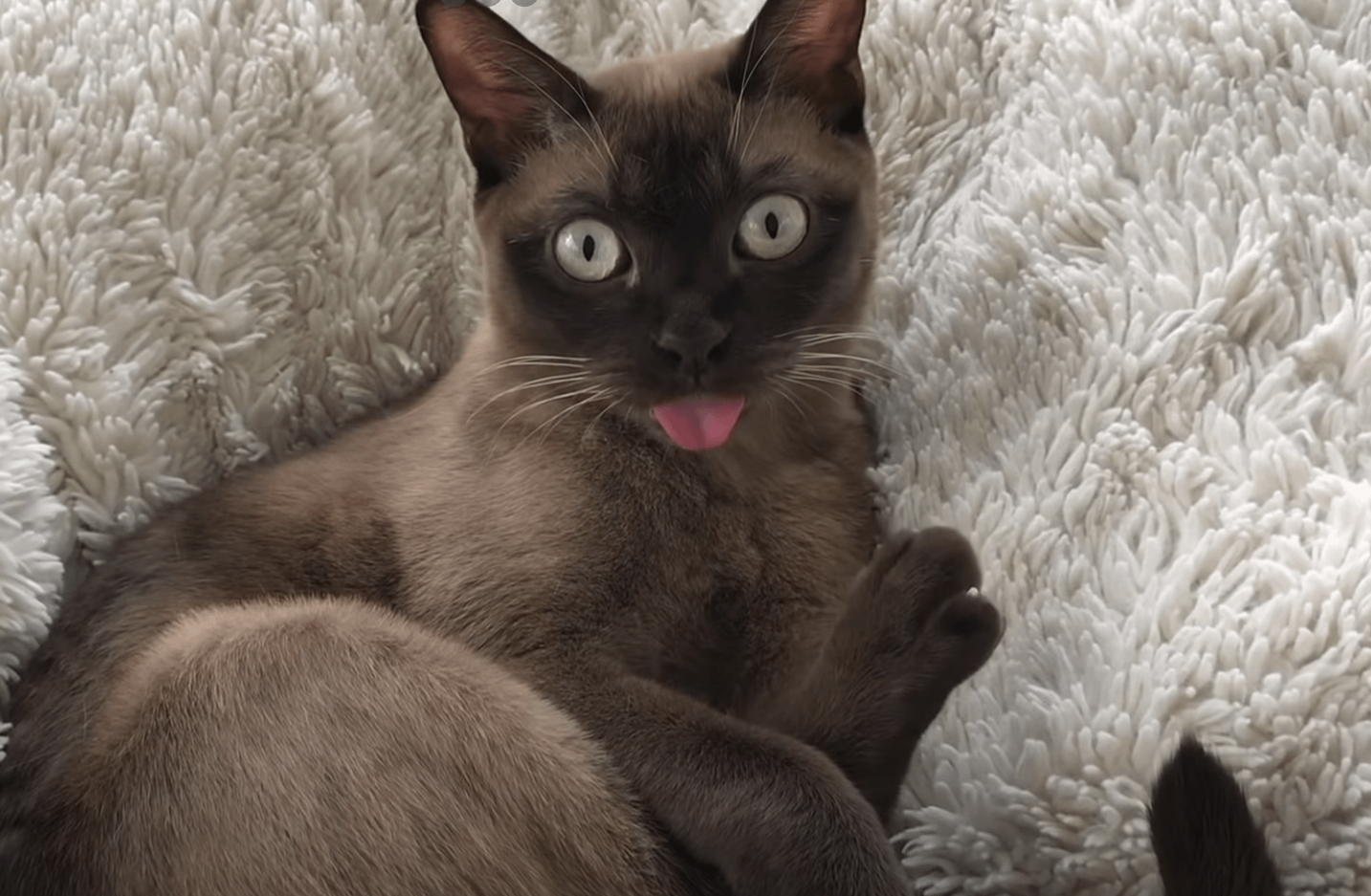
Have you ever caught your cat spending hours licking and cleaning itself and wondered, “Why is my cat always grooming himself?” It’s a common sight that might leave you curious or even a little concerned. Understanding why your feline friend is so focused on grooming can reveal important clues about his health, comfort, and mood.
Keep reading to discover the surprising reasons behind this behavior and learn how you can help your cat feel his best every day.
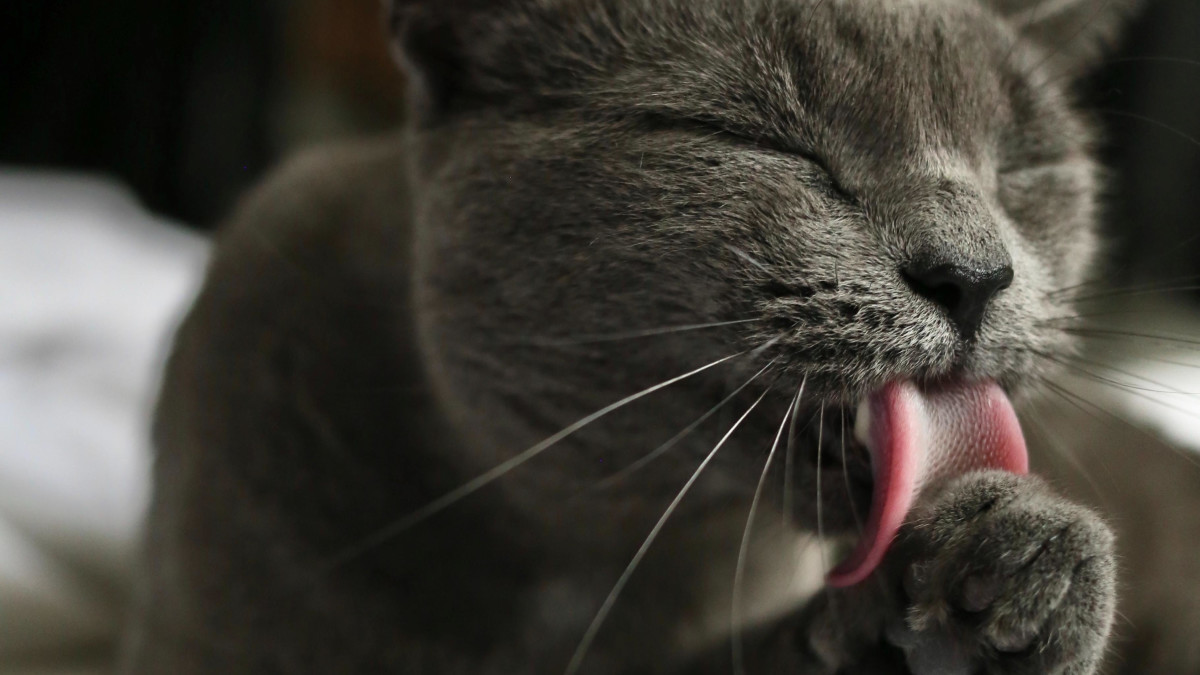
Credit: pethelpful.com
Normal Grooming Habits
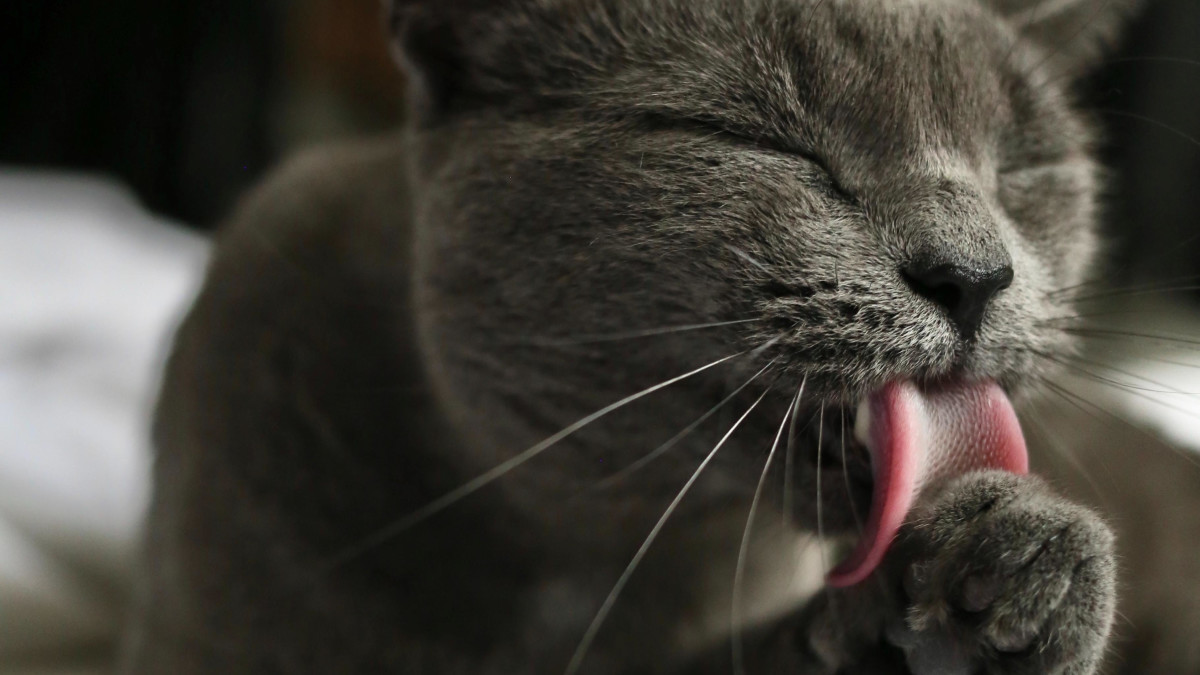
Cats spend a good part of their day grooming themselves. This behavior is normal and natural. Grooming helps cats stay clean and healthy. It also comforts them and helps reduce stress. Understanding normal grooming habits can help you know if your cat is healthy or needs help.
Frequency And Duration
Cats groom themselves several times a day. Each session can last from a few minutes to over half an hour. Kittens and younger cats often groom more frequently. Older cats might groom less but still keep clean. Grooming usually happens after meals, naps, or playtime. This regular routine keeps their fur neat and tidy.
Benefits For Cats
Grooming removes dirt and loose fur from the coat. It also helps spread natural oils, making fur shiny and soft. Grooming cools cats down on hot days by spreading saliva. It can calm them and reduce anxiety. Cats use grooming to check their body for injuries or parasites. It also helps them bond with other cats when they groom each other.
Health Indicators
Cats grooming themselves is normal behavior, but it can reveal health issues. Frequent or intense grooming may signal discomfort or illness. Watching your cat’s grooming habits helps catch problems early. Changes in grooming patterns often relate to skin or health concerns.
Signs Of Skin Problems
Look for redness, swelling, or sores on your cat’s skin. Bald patches or scabs also suggest skin troubles. Excessive licking or biting at one spot can show irritation. Dry, flaky skin or unusual bumps require attention. Skin problems cause your cat to groom more to soothe pain.
Parasites And Allergies
Fleas and ticks cause itching, making cats groom nonstop. Check for small black specks or moving insects on fur. Allergies to food, dust, or pollen also cause itching. Cats with allergies may scratch or lick specific areas. Parasites and allergies often trigger intense grooming as a response.
Emotional Causes
Cats groom themselves for many emotional reasons. Grooming helps them feel calm and safe. Sometimes, emotional issues can cause a cat to groom more than usual. Understanding these feelings is important to help your cat stay happy.
Stress And Anxiety
Stress makes cats groom to soothe themselves. Changes in the home, loud noises, or new pets can trigger stress. Grooming releases calming chemicals in their brain. Too much grooming can show your cat is anxious. Watch for bald spots or red skin from over-grooming.
Boredom And Attention Seeking
Bored cats groom to pass time and feel busy. Lack of play or interaction can lead to extra grooming. Sometimes, cats groom to get your attention. They want you to play or pet them. Providing toys and time can reduce this behavior.

Credit: www.reddit.com
Environmental Factors
Environmental factors play a significant role in your cat’s grooming habits. Changes around your cat can trigger more frequent or intense grooming as a response to stress or discomfort. Understanding these influences helps you support your feline friend better.
Changes In Surroundings
Have you noticed your cat grooming more after moving to a new home or rearranging furniture? Cats are creatures of habit, and even small changes can make them feel uneasy. Grooming acts as a self-soothing mechanism, helping them regain a sense of security.
For instance, introducing new pets or unfamiliar scents might cause your cat to lick excessively. Pay attention to how your cat reacts to these changes. Offering a quiet, safe space can reduce their anxiety and cut down on obsessive grooming.
Household Dynamics
Your cat’s grooming can also reflect the social atmosphere at home. If there’s increased tension between family members or loud noises, your cat might respond by grooming more. It’s their way of coping with stress when they can’t escape the environment.
Think about any recent shifts in your household, like visitors or a new baby. These changes can disrupt your cat’s routine and prompt more grooming. Creating calm moments and maintaining consistent interaction helps your cat feel more balanced and less stressed.
When Grooming Becomes Excessive
Cats groom to stay clean, but too much grooming can signal stress or skin problems. Notice if your cat licks itself often or creates bald spots. This behavior may need a vet’s attention to keep your pet healthy and happy.
When your cat grooms excessively, it might be more than just a quest for cleanliness. While grooming is a natural behavior for cats, doing it too often can signal underlying issues. Have you ever noticed your feline friend spending more time than usual licking and cleaning? It’s time to dig deeper into what might be causing this behavior.Potential Medical Issues
Excessive grooming could be a red flag for medical problems. Cats may groom excessively to soothe skin irritations or allergies. Look for signs like redness, swelling, or hair loss. Fleas or other parasites can also be culprits. If your cat’s grooming is accompanied by intense scratching, a trip to the vet might be in order. Stress-related health issues, such as urinary tract infections, might also manifest through over-grooming. Early detection is key, so pay attention to any changes in your cat’s behavior.Behavioral Concerns
Cats often groom to relieve stress or anxiety. Changes in their environment, like a new pet or moving house, can trigger this behavior. Boredom may also lead to over-grooming. Does your cat have enough toys or interaction to keep them engaged? Grooming can become a compulsive behavior if left unchecked. Ensuring your cat feels secure and entertained can help manage this issue. Have you noticed your cat grooming more than usual? Identifying the root cause is crucial. Addressing any potential medical issues and ensuring a stimulating environment can make a world of difference for your furry friend.
Credit: medium.com
Ways To Help Your Cat
Seeing your cat constantly grooming can be puzzling. While grooming is natural, too much of it might signal discomfort or stress. Helping your cat means understanding their needs and offering support in ways that truly make a difference.
Improving Environment
Your cat’s surroundings play a big role in their behavior. Is their space calm and stimulating enough? Adding cozy spots, scratching posts, and interactive toys can reduce boredom and anxiety.
Think about quiet corners where your cat can relax without interruptions. Cats love routine—try keeping feeding and playtimes consistent. Have you noticed if changes in your home trigger more grooming? Observing these details helps you create a safer, happier environment.
Veterinary Care Options
Sometimes, excessive grooming points to medical issues like allergies, skin infections, or parasites. A vet visit can uncover hidden problems that you might miss. Don’t wait if you see redness, hair loss, or sores on your cat’s skin.
Your vet might suggest treatments such as medicated shampoos or allergy management. In some cases, they could recommend behavior therapy or medication for anxiety. Would you consider a vet checkup as soon as grooming seems unusual, rather than waiting? Early care often prevents bigger problems.
Frequently Asked Questions
Why Does My Cat Groom Itself So Often?
Cats groom frequently to keep their fur clean and remove loose hair. Grooming also helps regulate body temperature and reduce stress. It is a natural behavior essential for their health and comfort.
Can Excessive Grooming Indicate Health Problems?
Yes, excessive grooming can signal skin allergies, parasites, or infections. It may also indicate anxiety or pain. If your cat grooms obsessively, consult a vet for a proper diagnosis and treatment.
How Does Grooming Benefit My Cat’s Skin And Coat?
Grooming distributes natural oils evenly, keeping the coat shiny and healthy. It removes dirt and dead skin cells, preventing matting. This process helps maintain your cat’s overall skin and fur health.
Is Grooming A Sign Of Cat’s Emotional State?
Yes, grooming can reflect a cat’s mood. Cats groom when relaxed or to self-soothe during stress. Changes in grooming habits might indicate emotional or physical discomfort needing attention.
Conclusion
Cats groom themselves to stay clean and healthy. It helps remove dirt and loose fur. Grooming also soothes their skin and reduces stress. Sometimes, too much grooming may mean a problem. Watch your cat’s behavior to spot issues early. Regular vet visits keep your cat happy and safe.
Understanding grooming helps you care for your pet better. Keep an eye on changes and act if needed. Your cat’s grooming is normal, natural, and important.

Leave a Reply