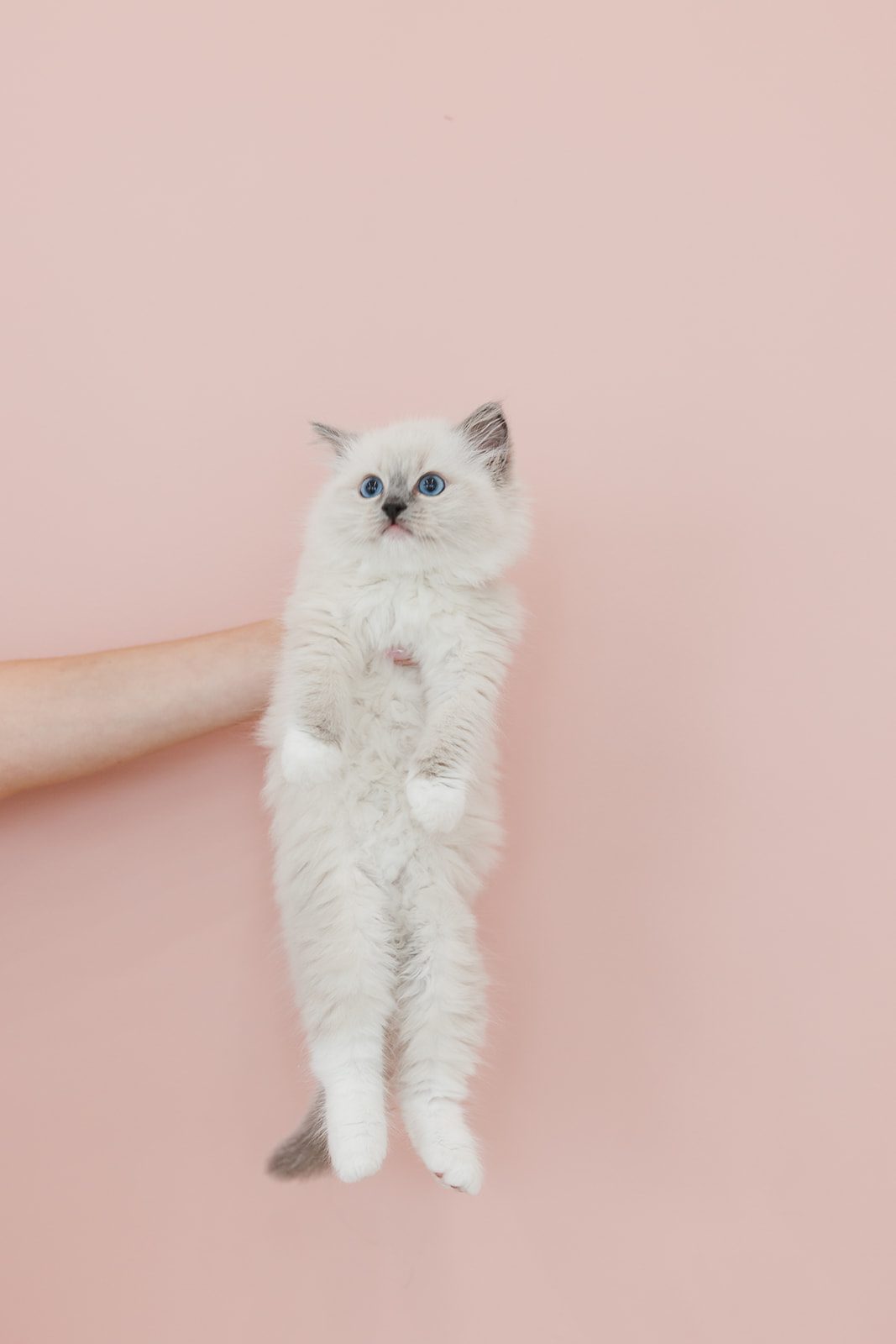
Are you dreaming of a beautiful, gentle Ragdoll cat but wondering how to get one through mixing breeds? You’re not alone.
Many cat lovers want to know which breeds to combine to create that perfect Ragdoll look and personality. You’ll discover the key breeds to mix and why these combinations work. By the end, you’ll have a clear idea of how to bring your ideal Ragdoll companion to life.
Keep reading to unlock the secrets behind this lovable feline!
Ragdoll Cat Traits
The Ragdoll cat is loved for its striking looks and gentle nature. Understanding the traits of a Ragdoll can help you decide if this breed suits your lifestyle. Their unique combination of physical and behavioral characteristics makes them stand out in the feline world.
Physical Characteristics
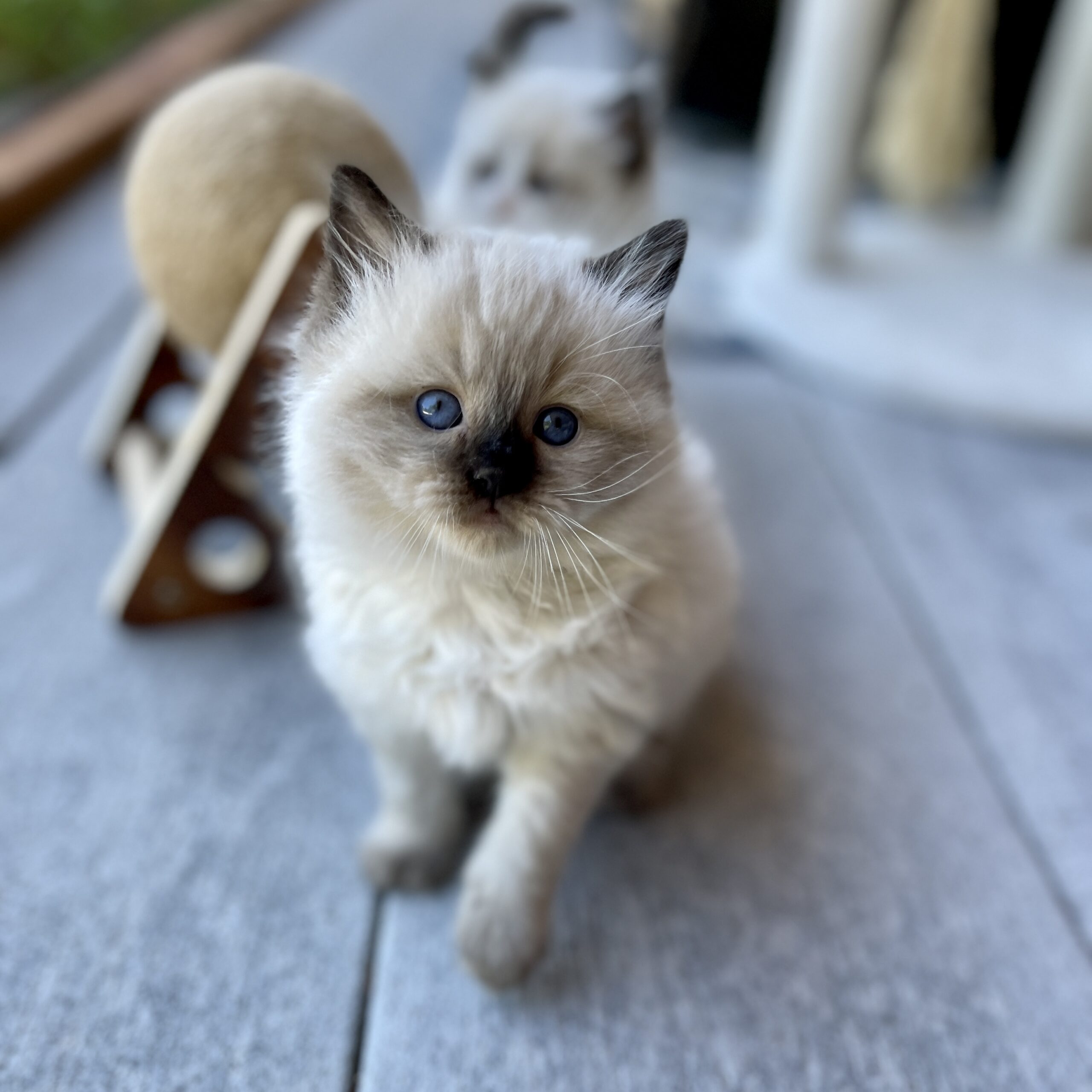
Ragdolls are large, sturdy cats with a soft, silky coat that feels like a plush toy. Their fur is medium to long, and they often have striking blue eyes that draw immediate attention.
One of their most notable features is their color-point pattern, which means their ears, face, paws, and tail are darker than the rest of their body. This pattern comes in various colors such as seal, blue, chocolate, and lilac.
Temperament And Behavior
Ragdolls are famously laid-back and affectionate. They tend to go limp when you pick them up, which is why they earned the name “Ragdoll.”
These cats enjoy being around people and often follow their owners from room to room. Their calm and gentle nature makes them great companions for families, including those with children or other pets.
Have you noticed how some cats prefer solitude while others crave attention? Ragdolls clearly fall into the latter category, thriving on interaction and love.
Common Health Issues
While generally healthy, Ragdolls can be prone to certain genetic health problems. Hypertrophic cardiomyopathy (HCM), a heart condition, is one of the most common concerns in this breed.
Regular veterinary check-ups and responsible breeding practices can help reduce the risk of such issues. Keeping an eye on your cat’s weight and activity level also plays a key role in maintaining their health.
Credit: www.masterpieceragdolls.com
Origins Of Ragdoll Cats
The Ragdoll cat is famous for its gentle nature and striking appearance. Its origins trace back to selective breeding that combined specific traits from different cats. Understanding the roots helps appreciate why Ragdolls are so unique and loved.
Founding Breeds
The Ragdoll breed began with a few key cats. Mainly, a domestic long-haired cat named Josephine played a big role. She was bred with other cats that had calm and friendly temperaments. Some traits came from Burmese and Persian cats. These breeds contributed to the Ragdoll’s soft coat and relaxed personality.
Early Breeding Efforts
In the 1960s, a breeder named Ann Baker started the first Ragdoll breeding program. She focused on cats that stayed limp when held—like a ragdoll toy. This unusual trait was rare and became the breed’s hallmark. Early breeders selected cats with blue eyes and color-pointed coats. They worked to keep the Ragdoll’s sweet and docile nature.
Genetic Background
The Ragdoll’s genes come from a mix of long-haired and color-pointed cats. This mix creates their plush fur and striking blue eyes. The breed is mostly linked to the Siamese gene for color points. Their calm personality may come from the Burmese and Persian genes. This blend creates a cat that is both beautiful and gentle.
Best Breeds To Mix
Choosing the best breeds to mix is key if you want to create a Ragdoll cat with those signature traits: the gentle temperament, striking blue eyes, and plush coat. You need breeds that complement the Ragdoll’s calm nature and physical features. Mixing the right breeds can enhance qualities like friendliness, coat texture, and even size.
Persian Cats
Persians bring a luxurious coat and a laid-back attitude that pairs well with the Ragdoll’s relaxed personality. Their thick fur adds to the plushness you expect in a Ragdoll. If you’ve ever held a Persian, you know their calm and affectionate nature makes them great companions, just like Ragdolls.
Mixing Persians can also influence the face shape, giving you that sweet, rounded look. Have you noticed how Persian cats seem to melt into your lap? That same cozy vibe often comes through in their crossbreeds.
Birman Cats
Birmans share the Ragdoll’s striking blue eyes and colorpoint pattern, making them a natural choice for mixing. Their friendly and social behavior adds to the Ragdoll’s easy-going personality. You might find that Birman mixes have a slightly shorter coat but just as much softness.
Birman cats are known for their gentle nature, which can help maintain the calm demeanor in the mix. Are you looking for a cat that’s both beautiful and easy to handle? Birmans could be your answer.
Siamese Cats
Siamese cats contribute a touch of elegance and a vocal, curious personality that can make your Ragdoll mix more interactive. Their slender frame contrasts with the Ragdoll’s bulk, sometimes resulting in a balanced body type. The striking color points from Siamese genes often enhance the visual appeal.
Mixing Siamese can add intelligence and playfulness, making your cat more engaging. Have you considered how a more active cat might fit into your lifestyle? Siamese mixes often bring that energy.
Other Compatible Breeds
- Maine Coon:Adds size and friendliness, boosting the Ragdoll’s sociability.
- Scottish Fold:Brings unique ear shapes and a mellow personality.
- British Shorthair:Offers a sturdy build and calm temperament, complementing Ragdolls well.
Choosing any of these breeds depends on what traits you want to highlight in your Ragdoll mix. What qualities matter most to you in a cat? Knowing this helps you pick the perfect combination.

Credit: vetslovepets.com.au
Breeding Techniques
Breeding a Ragdoll cat involves careful techniques to ensure the unique traits and gentle temperament are passed on. The process is more than just mixing breeds; it requires precision and a deep understanding of genetics and health. Let’s look at the key breeding techniques that help you achieve the perfect Ragdoll cat.
Selective Breeding
Selective breeding focuses on choosing parent cats that exhibit the best Ragdoll characteristics, such as their striking blue eyes, soft coat, and calm nature. Breeders often start with purebred Ragdolls or mix them with breeds like Birman or Burmese to enhance certain traits.
Pay attention to personality and physical attributes when selecting breeding pairs. This ensures offspring maintain the Ragdoll’s signature look and temperament. Would you prioritize personality over appearance, or aim for a balance?
Genetic Testing
Genetic testing helps identify the presence of specific genes responsible for coat color, pattern, and even health risks. This step reduces surprises and supports healthier litters by avoiding genetic defects.
Tests for traits like the pointed coat pattern or the mutation causing the Ragdoll’s docile behavior can guide your breeding choices. Imagine preventing a common genetic issue just by running a simple test—how much peace of mind would that give you?
Health Screening
Health screening is crucial to identify hereditary diseases common in Ragdolls, such as hypertrophic cardiomyopathy (HCM) and kidney problems. Routine checks on the breeding cats improve the chances of raising strong, healthy kittens.
Screening includes heart ultrasounds, kidney function tests, and overall physical exams. Would you skip these tests and risk your kittens’ health, or invest upfront to avoid future heartbreak?
Challenges In Breeding
Mixing breeds to create a Ragdoll cat involves strategic pairing of breeds like Burmese and Persian. Challenges include ensuring desired traits, such as the Ragdoll’s gentle temperament and striking blue eyes, while maintaining health and vigor. Breeders must carefully select parents to achieve the ideal Ragdoll characteristics.
Breeding the ideal Ragdoll cat is not easy. It involves matching different breeds for specific traits. Each decision impacts the cat’s future health and behavior. Below, we explore several challenges breeders face.Maintaining Temperament
Ragdoll cats are known for their gentle nature. Breeding for temperament requires careful selection. Parents must both exhibit calm and friendly behaviors. This ensures kittens inherit these traits. Unpredictable temperaments can result from poor choices. Breeders need to monitor parent interactions closely. Socialization plays a crucial role too. Kittens should experience human contact early.Physical Traits Consistency
Ragdolls possess distinct physical traits. Blue eyes, a soft coat, and large size are key features. Maintaining these requires selecting parents with desired traits. Inconsistent traits often appear in mixed breeds. Breeders must avoid this by choosing compatible pairs. Regular assessments of kitten development are important. This helps ensure desired traits manifest properly.Avoiding Genetic Disorders
Genetic disorders pose a significant risk in breeding. Certain mixes may increase these risks. Breeders should conduct health screenings for parent cats. Testing for common disorders can prevent future problems. Avoiding closely related breeding pairs is crucial. This reduces the chance of genetic issues. Careful planning helps maintain a healthy lineage. Breeding Ragdoll cats involves many challenges. Success relies on strategic choices and constant vigilance.Care Tips For Mixed Ragdolls
Mixed Ragdolls combine the gentle temperament of the classic Ragdoll with traits from other breeds, creating unique companions. Caring for them means understanding their specific needs, which can vary depending on the mix. Paying attention to diet, grooming, and activity levels helps your mixed Ragdoll thrive and stay happy.
Diet And Nutrition
Your mixed Ragdoll’s diet should focus on high-quality protein to support their muscular build. Look for cat food with real meat as the first ingredient and avoid fillers like corn or soy.
Because mixed Ragdolls can inherit different metabolism rates, watch their weight closely. Overfeeding can lead to obesity, which affects their health and mobility.
Do you know the right portion size for your cat’s age and activity? Adjust meals based on their energy levels and consult your vet for tailored advice.
Grooming Needs
Mixed Ragdolls often have medium to long fur that can mat if not brushed regularly. Brush your cat at least twice a week to prevent tangles and reduce shedding.
Bathing is rarely necessary but can help if they get particularly dirty or oily. Use a gentle cat shampoo and avoid water in their ears and eyes.
Check their ears and trim nails every few weeks. These small steps prevent infections and keep your cat comfortable.
Exercise And Play
Mixed Ragdolls enjoy playtime but may not be as energetic as some breeds. Interactive toys like feather wands and laser pointers keep them engaged and active.
Set aside daily play sessions to encourage movement and mental stimulation. Even 10-15 minutes can make a difference.
Have you noticed your cat’s favorite game? Tailor playtime to their preferences to keep them excited and healthy.
Finding Responsible Breeders
Finding responsible breeders is key when you want to mix breeds to get a Ragdoll cat with the best qualities. Not all breeders prioritize health and temperament, so your choice affects your future pet’s well-being and happiness. Knowing what to look for and how to communicate with breeders helps you avoid surprises and ensures a smooth experience.
What To Look For
Look for breeders who specialize in Ragdoll cats or the specific breeds you want to mix. They should provide health clearances for their cats, showing tests for common genetic issues. A clean, safe environment where cats are socialized and cared for is a must.
Check if the breeder is registered with recognized cat associations. This often means they follow ethical breeding standards. You want someone who welcomes visits and is transparent about their breeding practices.
Questions To Ask
- What health tests have been done on the parent cats?Health clearances reduce the risk of genetic diseases.
- Can I meet the kittens and their parents?Meeting them shows the cats’ temperament and living conditions.
- How do you socialize the kittens?Early socialization affects behavior and bonding with you.
- What support do you offer after adoption?Good breeders stay available for questions and guidance.
Asking these questions reveals the breeder’s dedication. It also helps you understand what to expect from your future Ragdoll mix.
Avoiding Common Pitfalls
Beware of breeders who sell kittens without proper documentation or health guarantees. If the price seems too low, it might indicate poor breeding practices. Avoid breeders who rush the adoption process or refuse visits.
Trust your instincts. If something feels off, it probably is. A responsible breeder respects your questions and takes time to ensure a good match between you and the cat.
.png?v=1752471050539)
Credit: vetslovepets.com.au
Frequently Asked Questions
What Breeds Are Best To Mix With Ragdoll Cats?
Mixing Ragdolls with breeds like Siamese or Birman enhances their sociable and gentle traits. These combinations maintain Ragdoll’s calm nature while adding unique coat patterns and colors.
Can You Mix Ragdoll Cats With Persian Cats?
Yes, mixing Ragdolls with Persians creates affectionate cats with plush coats. This mix combines Ragdoll’s laid-back personality with Persian’s luxurious fur and calm temperament.
Is It Safe To Breed Ragdoll Cats With Other Breeds?
Breeding Ragdolls with other breeds is safe if done responsibly. It requires health checks to avoid genetic diseases and to ensure the kittens inherit desirable traits.
What Traits Do Ragdoll Mixes Usually Inherit?
Ragdoll mixes often inherit their gentle temperament, striking blue eyes, and semi-long fur. They tend to be affectionate, calm, and sociable, making great family pets.
Conclusion
Mixing the right breeds helps create a beautiful Ragdoll cat. Choose cats with gentle temperaments and soft coats. Crossbreeding with breeds like Birman or Persian can work well. Focus on health, personality, and appearance when selecting breeds. Patience is key to achieving the perfect mix.
Enjoy the process of watching your unique cat grow. A well-planned mix brings joy and companionship for years.




Leave a Reply