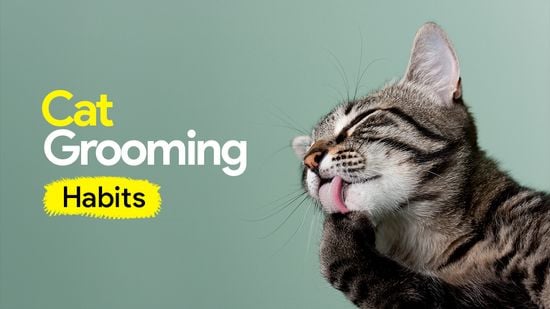
Have you ever wondered how much time your cat spends grooming itself each day? Understanding your feline friend’s grooming habits can reveal a lot about its health and happiness.
Cats are known for their cleanliness, but just how much of their day do they dedicate to licking, cleaning, and preening? If you’re curious about what’s normal and what might be a sign of something more, keep reading. This article will uncover the surprising percentage of time cats spend grooming themselves and why it matters to you and your pet.

Credit: www.latimes.com
Cats’ Grooming Habits
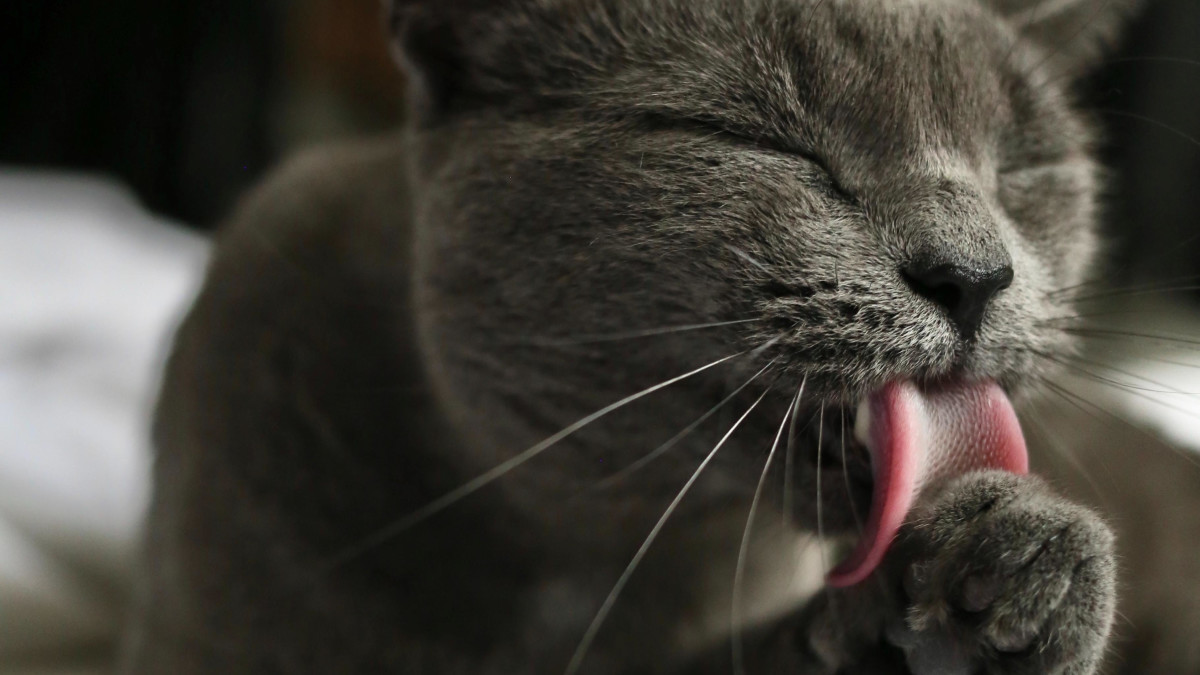
Cats are known for their clean and shiny coats. Grooming is a key part of their daily life. It helps them stay healthy and comfortable. Cats use their tongues and paws to clean themselves. This behavior also lowers stress and helps them cool down. Understanding how much time cats spend grooming reveals their natural habits.
Daily Grooming Duration
On average, cats spend about 30% to 50% of their awake time grooming. This means a cat may groom for 3 to 5 hours a day. Grooming is not done all at once. Cats break it into small sessions throughout the day. They clean their face, fur, and paws carefully. This routine keeps their coat free of dirt and parasites.
Factors Influencing Grooming Time
Several factors affect how long a cat spends grooming:
- Age:Younger cats groom more often than older cats.
- Health:Cats with skin problems may groom less or more.
- Breed:Long-haired cats need more grooming time.
- Environment:Outdoor cats may groom more to remove dirt.
- Stress:Stressed cats might groom excessively or avoid it.
Understanding these factors helps pet owners support their cats better. Grooming is more than cleaning; it is a vital habit for cats.
Credit: www.latimes.com
Why Cats Groom
Cats spend a surprising amount of their day grooming themselves, but have you ever wondered why they do it so often? Grooming is not just about staying clean. It plays a crucial role in their overall well-being, affecting their health, social interactions, and emotional state.
Health Benefits
Grooming helps cats keep their fur free from dirt, parasites, and loose hair. This reduces the risk of skin infections and keeps their coat shiny and healthy.
When cats lick themselves, they also spread natural oils across their fur. These oils protect their skin and regulate body temperature. If you’ve noticed your cat grooming after eating, it’s because they want to clean their face and paws, which can get messy during meals.
Social And Emotional Reasons
Cats groom to calm themselves when they feel stressed or anxious. You might see your cat licking its paws or face after a loud noise or a visit to the vet. This behavior helps them relax and regain a sense of control.
Grooming also plays a social role, especially among cats that live together. They often groom each other to build trust and strengthen bonds. If your cat licks you, consider it a sign of affection and acceptance.
Grooming Patterns By Age And Breed
Cats spend a significant amount of time grooming themselves. This behavior varies with their age and breed. Understanding these patterns helps in providing better care. Grooming keeps cats clean, healthy, and calm. Younger and older cats show different grooming habits. Breeds also differ in how much they groom. Let’s explore these patterns.
Kittens Vs Adult Cats
Kittens groom less than adult cats. Their muscles and coordination are still developing. They rely on their mother for cleaning during the first weeks. As they grow, they start grooming themselves more often. Adult cats spend about 30-50% of their awake time grooming.
Older cats may groom less due to health issues. Joint pain or dental problems can reduce grooming frequency. Some senior cats still groom regularly but may need help from their owners.
Breed Differences In Grooming
Different cat breeds groom at different rates. Long-haired breeds like Persians spend more time grooming. Their thick coats require extra care to avoid mats and tangles. Short-haired breeds groom less since their fur is easier to maintain.
Some breeds, like the Sphynx, have little to no fur. They groom less but need regular bathing to remove oils from their skin. Grooming habits can also be affected by temperament. Calm breeds may groom more calmly and thoroughly.
Impact Of Environment On Grooming
The environment your cat lives in plays a big role in how much time it spends grooming itself. Cats adjust their grooming habits based on where they are and what’s happening around them. Understanding these changes can help you support your cat’s health and happiness better.
Indoor Vs Outdoor Cats
Indoor cats usually groom more frequently because they stay cleaner and face fewer outdoor hazards like dirt or parasites. They often have more time and a calm space to focus on grooming, which can take up to 30-50% of their waking hours.
Outdoor cats, on the other hand, might groom less due to exposure to weather, dirt, and the need to stay alert. They often need to balance grooming with hunting and avoiding dangers. This can reduce their grooming time but make each grooming session more focused and practical.
Have you noticed your outdoor cat coming inside looking messy or wet? That might explain why they spend more time cleaning up once indoors.
Stress And Grooming Behavior
Stress can either increase or decrease your cat’s grooming time. Some cats groom excessively when anxious, which can lead to bald spots or skin irritation. Others might stop grooming altogether when stressed, which affects their coat health.
Changes in your cat’s environment, like moving house or adding a new pet, can trigger these behaviors. Pay attention to grooming patterns after such changes—they reveal how your cat is coping.
Ask yourself: Is your cat grooming more than usual or less? Both can signal stress and require your attention.
Signs Of Overgrooming
Cats are known for their grooming habits. It is common for cats to spend around 30% to 50% of their waking hours grooming. But excessive grooming can be a problem. Overgrooming occurs when a cat licks or chews itself too much. This can lead to hair loss, skin irritation, and even wounds. Understanding the signs of overgrooming can help in addressing this issue early.
Causes Of Excessive Grooming
Several factors can cause a cat to groom too much.
- Allergies: Cats might groom more if they have allergies. These could be food or environmental allergies.
- Stress: Changes in their environment can make cats anxious. This stress can lead to overgrooming.
- Parasites: Fleas or mites can cause itching. Cats might overgroom to relieve this discomfort.
- Skin conditions: Fungal or bacterial infections can irritate the skin. Cats might groom excessively to soothe the irritation.
When To See A Veterinarian
Monitor your cat’s grooming habits closely. If you notice bald spots or skin wounds, it’s time to consult a vet. Other signs include a change in behavior or loss of appetite. A vet can determine the cause and provide the right treatment. Early intervention can prevent more serious health issues.
Tips To Support Healthy Grooming
Supporting your cat’s grooming habits is key to keeping them healthy and happy. Grooming isn’t just about looking good—it helps prevent skin problems and reduces hairballs. You can make a real difference by paying attention to what your cat eats, their health, and their environment.
Providing Proper Nutrition
Good grooming starts from the inside. High-quality food rich in omega-3 and omega-6 fatty acids helps keep your cat’s skin and coat shiny and healthy.
Have you noticed how your cat’s fur looks after switching to a better diet? Many pet owners see less shedding and softer fur within weeks.
- Choose food with balanced proteins and essential fatty acids.
- Consider supplements like fish oil if recommended by your vet.
- Avoid foods with excessive fillers that can affect skin health.
Regular Vet Checkups
Sometimes grooming issues signal underlying health problems. Regular vet visits help catch conditions like allergies, parasites, or dental issues that might make grooming uncomfortable for your cat.
I once had a cat who suddenly stopped grooming—turns out it was a mild skin infection. Early treatment made all the difference.
- Schedule annual health exams and discuss any changes in grooming habits.
- Ask your vet to check for fleas, mites, or skin infections.
- Keep vaccinations and parasite preventatives up to date.
Creating A Comfortable Environment
Your cat’s grooming can be affected by stress or discomfort in their surroundings. A calm, safe space encourages regular self-care.
Think about your cat’s favorite spots and if they feel secure there. Sometimes small changes like quieter rooms or cozy beds can boost grooming behavior.
- Provide soft bedding and quiet resting places.
- Keep litter boxes clean and in low-traffic areas.
- Use calming pheromone diffusers if your cat seems anxious.
Credit: www.latimes.com
Frequently Asked Questions
How Much Time Do Cats Spend Grooming Daily?
Cats typically spend 30% to 50% of their waking hours grooming themselves. This behavior helps maintain their coat, remove dirt, and regulate body temperature. Grooming also reduces stress and promotes bonding with other cats. The exact time varies depending on the cat’s age, health, and environment.
Why Do Cats Groom Themselves So Often?
Cats groom frequently to keep their fur clean and free from parasites. Grooming stimulates natural oils that protect their skin and coat. It also helps cats cool down and soothe themselves when stressed. This behavior is essential for their physical and emotional well-being.
Does Grooming Time Vary Between Cat Breeds?
Yes, grooming time can vary among breeds due to fur length and texture. Long-haired cats like Persians spend more time grooming than short-haired breeds. Environmental factors and individual personality also influence how much time a cat dedicates to grooming daily.
Can Excessive Grooming Indicate Health Problems?
Excessive grooming may signal health issues such as allergies, skin infections, or anxiety. If a cat grooms too much, leading to bald spots or sores, a vet visit is necessary. Early detection helps prevent worsening conditions and ensures proper treatment.
Conclusion
Cats spend a good part of their day grooming themselves. This habit keeps their fur clean and skin healthy. Grooming also helps cats feel calm and relaxed. Different cats groom for different amounts of time, but many spend about 30 to 50 percent of their waking hours cleaning.
Watching your cat groom can tell you a lot about its health and mood. Remember, grooming is natural and important for all cats. It helps them stay comfortable and happy every day.

Leave a Reply