Looking for a fun and simple way to keep your cat entertained? You don’t need to spend a lot of money on expensive toys.
Making a cat toy at home is easier than you think, and your furry friend will love it! In this guide, you’ll discover easy steps to create safe, exciting toys using items you probably already have. Ready to see your cat’s eyes light up with joy?
Keep reading to find out how you can make the perfect homemade toy today!

Credit: www.youtube.com
Benefits Of Diy Cat Toys
Making cat toys at home offers many benefits beyond just fun. These toys keep cats active and happy. They also let owners save money and create unique playthings. DIY cat toys build a stronger bond between you and your pet.
Cost Savings
Homemade cat toys cost much less than store-bought ones. You can use simple items like fabric scraps or paper. No need to spend a lot on expensive toys. This saves money, especially if you have multiple cats. You can make many toys without breaking the bank.
Customization Options
DIY toys let you choose the size, shape, and texture. You can use materials your cat likes best. Add catnip, feathers, or bells to make toys more fun. Tailor toys to your cat’s play style and preferences. Custom toys keep your cat interested for longer.
Bonding With Your Cat
Making toys together creates special moments with your cat. Cats enjoy playing with toys made by their owners. It shows your care and attention. Playing with these toys strengthens your relationship. It helps your cat feel loved and secure.
Credit: www.green-petfood.com
Safe Materials To Use
Choosing safe materials is the first step to creating a homemade cat toy that your furry friend will love and that won’t cause any harm. Cats explore their world by biting and pawing, so every component needs to be gentle on their health. Let’s look at some key materials that keep playtime safe and fun.
Non-toxic Fabrics
Your cat’s toy should be made from fabrics that won’t irritate their skin or cause poisoning if chewed. Cotton, fleece, and felt are excellent choices because they are soft, durable, and naturally non-toxic.
Stay away from synthetic fabrics like polyester or nylon if your cat tends to chew aggressively—they can cause choking or digestive issues. Did you know some cats are allergic to certain synthetic materials? Opting for natural fibers keeps you on the safe side.
Natural Fillings
Stuffing your toy with natural fillings ensures your cat won’t ingest harmful chemicals. Wool, cotton batting, or dried catnip make great options that add texture and scent without risk.
Many commercial toys use foam or polyester stuffing, which can be dangerous if ingested. I once made a toy with wool filling, and my cat loved the extra fluffiness but never tried to eat it, probably because it felt familiar and safe.
Avoiding Small Parts
Small parts like buttons, beads, or bells may seem fun, but they pose a choking hazard. Instead, sew on embroidered eyes or use fabric paint to create features that can’t be pulled off easily.
Have you ever seen a cat swallow a loose button? It’s scary and can lead to expensive vet visits. Keeping your toy free of detachable small pieces protects your cat from accidental injury.
Simple Toy Ideas
Creating homemade cat toys can be simple and fun. You only need a few household items. These toys keep cats active and happy. They also save money and reduce waste. Here are some easy toy ideas that anyone can make at home.
Sock Mice
Old socks turn into perfect cat mice. Fill a clean sock with cotton or fabric scraps. Add a pinch of catnip inside for extra fun. Sew the open end tightly to keep filling inside. You can add small buttons or beads for eyes. Always supervise your cat during play to avoid swallowing small parts.
Feather Wands
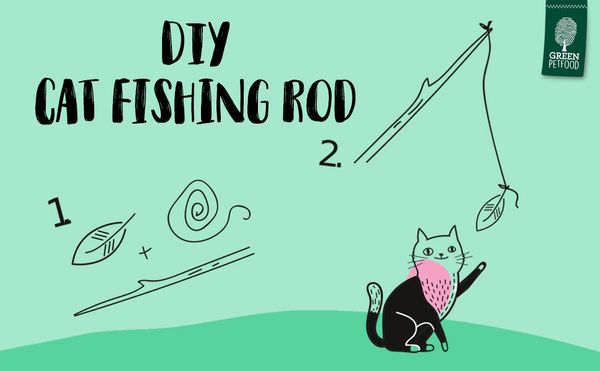
Feather wands attract cats to jump and chase. Attach feathers to one end of a stick or a pencil. Use string or tape to secure the feathers well. Move the wand slowly to mimic bird movements. This encourages natural hunting instincts and provides good exercise.
Cardboard Scratchers
Cardboard scratchers satisfy a cat’s need to scratch. Cut cardboard into strips or layers. Glue or tape the pieces into a thick block or simple shapes. Let your cat scratch and claw safely. This protects your furniture and keeps claws healthy.
Step-by-step Toy Instructions
Creating homemade cat toys can be a fun and rewarding activity. It not only saves money but also allows you to customize toys to fit your cat’s preferences perfectly. Below, you’ll find clear, easy-to-follow instructions for making three popular types of cat toys using common household items.
Making A Sock Mouse
Grab an old sock—preferably a clean one with a fun pattern. Fill it with some dry catnip or cotton balls to give it shape and a scent your cat will love. Sew the open end shut securely with a needle and thread.
Add details by gluing or stitching on small felt pieces for ears and eyes. You can also tie a thin string or ribbon at the end to mimic a tail. Watch how your cat reacts to this simple, soft, and irresistible toy!
Creating A Feather Wand
Find a sturdy stick or a wooden dowel about 12 to 18 inches long. Attach a few colorful feathers to one end using non-toxic glue or by tightly wrapping with string. Make sure the feathers are secure enough to withstand vigorous play.
For extra fun, tie a small bell or a piece of crinkly paper near the feathers. This adds sound and movement that will excite your cat’s hunting instincts. How often do you get your cat moving and jumping with just a few simple materials?
Building A Cardboard Scratcher
Take a large piece of corrugated cardboard and cut it into strips about 2 inches wide. Stack the strips tightly together, aligning the ridges vertically for maximum scratching satisfaction. Secure the stack with strong glue or tape along the sides.
Place the scratcher flat on the floor or prop it at an angle against a wall. You can even sprinkle a little catnip on top to attract your cat. This DIY scratcher can last for weeks and keeps your furniture safe from claws.
Tips For Engaging Your Cat
Creating a homemade cat toy can be simple and fun using everyday items. Cats love toys that move or make noise, sparking their natural curiosity. Crafting toys at home keeps your cat happy and active without extra cost.
Cats love to play. Engaging your feline friend is crucial for their happiness. Homemade toys can captivate their curiosity. Here are some tips to make playtime exciting and enriching.Introducing New Toys
Cats are naturally curious. New toys can spark their interest quickly. Use simple household items. A paper ball or a cardboard box can be fascinating. Let them explore these new objects on their own terms.Rotating Toys Regularly
Cats can get bored easily. Rotate their toys every few days. This keeps things fresh and interesting. Store some toys out of sight. Reintroduce them after a week. It feels like a brand new toy for your cat.Encouraging Active Play
Active play is essential for a cat’s health. Use string toys to mimic prey. Move them like a bird or mouse. This triggers their hunting instincts. Engage them in short play sessions. A few minutes several times a day is ideal.
Credit: www.youtube.com
Maintaining Homemade Toys
Homemade cat toys bring joy and fun to your pet. Keeping these toys clean and safe helps your cat enjoy them longer. Regular care also protects your cat’s health and safety.
Cleaning Methods
Wash fabric toys in warm, soapy water. Use mild soap without strong scents. Rinse well to remove soap residue. Let toys air dry completely before giving them back to your cat.
For toys with small parts, wipe gently with a damp cloth. Avoid soaking toys that can fall apart easily. Clean toys regularly to prevent dirt and germs.
Repairing Wear And Tear
Check toys often for loose threads or broken pieces. Use a needle and thread to fix small tears in fabric toys. Glue small wooden parts securely using non-toxic glue. Trim frayed edges to avoid choking hazards.
Replace any parts that cannot be fixed safely. Keep your cat’s playtime safe and fun by maintaining toys well.
When To Replace Toys
Discard toys if they become too damaged or unsafe. Watch for holes, missing parts, or sharp edges. Replace toys if stuffing or small parts come loose. Worn-out toys can harm your cat or cause choking.
Swap old toys regularly to keep your cat interested and active. Fresh toys encourage play and exercise.
Frequently Asked Questions
What Materials Are Best For Homemade Cat Toys?
Use safe, non-toxic materials like felt, feathers, yarn, and cotton fabric. Avoid small parts that cats can swallow. Natural items like sticks or dried herbs also work well. These materials are durable, easy to clean, and keep cats entertained safely.
How To Make A Simple Cat Toy At Home?
Cut a strip of fabric or yarn, tie it securely, and add feathers or bells. Attach it to a stick or string for interactive play. This quick method creates a fun, engaging toy that stimulates your cat’s hunting instincts.
Are Homemade Cat Toys Safe For Cats?
Yes, if you avoid toxic materials, sharp objects, and small parts. Always supervise your cat when playing with new toys. Regularly inspect toys for wear and tear to prevent choking hazards and keep playtime safe.
How Often Should I Replace Homemade Cat Toys?
Replace toys when they show signs of damage or wear, usually every few weeks. Worn-out toys can break and pose safety risks. Rotating toys regularly keeps your cat interested and promotes active play.
Conclusion
Making a homemade cat toy is simple and fun. It saves money and uses things at home. Cats enjoy playing with new, safe toys. You can create many styles with little effort. This keeps your cat active and happy. Try different ideas and watch your cat play.
Homemade toys bring joy to both you and your pet. Start today and enjoy the bonding time. Easy, safe, and fun for every cat owner.




Leave a Reply