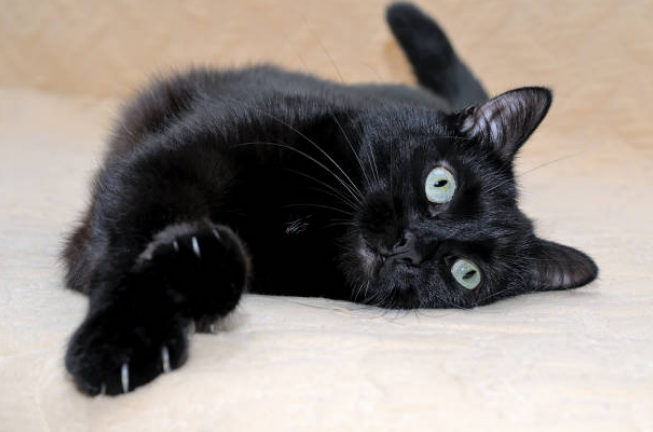
Are you thinking about bringing a Bombay cat into your home? These sleek, black beauties are known for their striking looks and playful nature.
But before you welcome one, it’s important to understand the health risks that could affect your new furry friend. Knowing what to watch for can help you keep your Bombay cat happy and healthy for years to come. Keep reading to discover the key health concerns and how you can protect your pet from them.

Credit: wopet.com
Common Health Issues
Bombay cats are known for their sleek appearance and playful nature. Like all breeds, they face some health challenges. Knowing these common health issues helps owners provide better care. Early detection can improve their quality of life and longevity.
Respiratory Problems
Bombay cats may develop breathing difficulties. Some have sensitive airways prone to infections. Symptoms include coughing, sneezing, and wheezing. These issues can worsen in dusty or smoky environments. Regular vet checks can catch problems early. Proper ventilation and clean living spaces reduce risks.
Heart Conditions
Heart disease is another concern for Bombay cats. Hypertrophic cardiomyopathy (HCM) is the most common. It causes thickening of the heart muscles. Signs include lethargy, rapid breathing, and fainting. Routine cardiac exams help identify this condition. Owners should watch for unusual tiredness or breathing changes.
Joint And Bone Disorders
Joint problems can affect Bombay cats as they age. Arthritis and hip dysplasia may cause pain and stiffness. Cats might limp or avoid jumping. Maintaining a healthy weight supports joint health. Gentle exercise and supplements can ease discomfort. Veterinary advice is important for managing these disorders.
Genetic Concerns
Understanding the genetic concerns of Bombay cats is essential if you want to keep your feline friend healthy. These cats have unique traits, but their genetics can sometimes lead to specific health issues. Knowing what to watch for helps you provide better care and make informed decisions.
Inherited Diseases
Bombay cats can inherit certain diseases passed down through their genes. One common concern is hypertrophic cardiomyopathy (HCM), a heart condition that thickens the heart muscle and affects blood flow. This disease can be silent for years, making regular vet check-ups crucial.
Another inherited problem is retinal atrophy, which can cause vision loss over time. These issues might not show signs early, so staying alert and monitoring your cat’s behavior is important. Have you noticed any changes in your cat’s activity or appetite? These could be subtle hints.
Screening And Testing
Regular genetic screening helps catch inherited diseases early before they cause serious problems. Responsible breeders often test Bombay cats for common genetic conditions to reduce the risk of passing them on. You should ask your breeder for health clearances when adopting a Bombay cat.
Veterinarians can perform DNA tests and ultrasounds to screen for heart disease and other genetic concerns. Early detection through testing means you can manage conditions more effectively. What steps are you taking to ensure your cat’s health stays on track?
Diet And Nutrition
Diet and nutrition play a crucial role in the health and well-being of Bombay cats. Providing the right balance of nutrients helps maintain their sleek coat, high energy levels, and supports their unique physiology. Understanding what to feed your Bombay can prevent many common health issues and keep your feline friend thriving.
Optimal Diet Plans
Bombay cats benefit from a diet rich in high-quality protein because they are active and muscular. Look for cat foods where real meat, such as chicken or fish, is the first ingredient. Protein supports muscle development and repair, which is vital for their energetic lifestyle.
Additionally, fats are essential for energy and a shiny coat. Omega-3 and Omega-6 fatty acids, found in fish oils, help reduce inflammation and improve skin health. You might want to add a small amount of wet food to their diet to increase moisture intake, which supports kidney health.
Consider dividing their daily food into two or three smaller meals rather than one large serving. This approach aligns with their natural hunting behavior and helps maintain steady blood sugar levels. How often do you check the nutritional content of your Bombay’s food?
Foods To Avoid
Certain foods can harm your Bombay cat and should be strictly avoided. Onions and garlic, even in small amounts, can cause anemia by damaging red blood cells. Chocolate and caffeine are toxic and can lead to serious health problems or even death.
Avoid feeding your Bombay too many carbohydrates like bread, rice, or potatoes. Cats are obligate carnivores and have a limited ability to digest carbs. Excess carbs can lead to obesity and diabetes, which are common risks in indoor cats.
Raw fish or eggs might seem natural, but they carry a risk of bacterial infections and can interfere with vitamin absorption. If you’ve ever fed your cat a questionable treat, did you notice any changes in their behavior or health afterward? Paying attention to these reactions can save your pet from future health risks.
Credit: wopet.com
Preventive Care
Preventive care plays a crucial role in keeping your Bombay cat healthy and happy. By focusing on prevention, you can avoid many common health problems and ensure your feline friend enjoys a long life. Taking simple, consistent steps can make a big difference in your cat’s well-being.
Vaccination Schedules
Keeping your Bombay cat’s vaccinations up to date is one of the easiest ways to protect them from serious diseases. Vaccines guard against infections like feline leukemia, rabies, and respiratory illnesses. Ask your vet about the right vaccination timeline for your cat’s age and lifestyle.
Missing or delaying shots can leave your cat vulnerable. Have you ever wondered how often you should visit the vet just for vaccines? Most cats need boosters annually or every three years, depending on the vaccine type.
Regular Vet Checkups
Regular vet visits help catch health issues early before they become serious. Your vet will check your Bombay’s weight, coat, eyes, and overall condition. These visits are a great time to discuss any changes in behavior or appetite you’ve noticed.
Don’t wait for symptoms to appear. Early detection can prevent costly treatments later. How often do you schedule these checkups? Twice a year is ideal for adult cats, but your vet may recommend more frequent visits for older or high-risk cats.
Dental Hygiene
Many cat owners underestimate how important dental care is. Poor dental hygiene can lead to pain, infection, and even affect your Bombay cat’s heart and kidneys. Brushing your cat’s teeth regularly can reduce plaque buildup and keep their breath fresh.
If brushing sounds challenging, try dental treats or toys designed to clean teeth. Have you noticed your cat’s reluctance to eat or bad breath? These can be signs of dental problems. Regular dental checkups at the vet are also essential to maintain oral health.
Behavioral Health
Bombay cats can face health risks like heart disease and respiratory problems. Behavioral health issues may include stress and anxiety, affecting their well-being. Proper care and attention help reduce these risks and keep them happy.
Behavioral Health Understanding behavioral health in Bombay cats is crucial. These cats are known for their playful and affectionate nature. Yet, they can face certain behavioral challenges. Recognizing these challenges early can help ensure a happy and healthy life. Behavioral health involves their emotional and mental well-being. Keeping an eye on their behavior helps manage stress and anxiety.Stress And Anxiety Signs
Bombay cats can show signs of stress and anxiety. These signs can include excessive grooming or hiding. They may also display aggression or changes in appetite. Vocalizing more or less than usual is another indicator. Identifying these signs early can help in managing their stress levels. Observing their daily behavior is key to understanding their needs.Environmental Enrichment
Providing a stimulating environment helps reduce stress. Environmental enrichment involves toys, climbing trees, and scratching posts. Interactive toys can keep them mentally engaged. A variety of textures and heights in their space encourages exploration. Regular playtime with their owners strengthens their bond. This enrichment ensures they remain active and entertained.Lifespan And Quality Of Life
Understanding the lifespan and quality of life of Bombay cats helps owners provide better care. These cats are known for their striking appearance and playful nature. Like all pets, their health and happiness depend on various factors. Knowing what affects their longevity can improve their daily life and overall well-being.
Factors Affecting Longevity
Bombay cats typically live between 12 and 16 years. Several factors influence how long they live:
- Genetics play a major role in health and lifespan.
- Diet quality affects energy and organ function.
- Exercise helps maintain a healthy weight and muscle tone.
- Regular veterinary check-ups catch health problems early.
- Living environment impacts stress levels and safety.
Health issues like heart disease or respiratory problems can reduce lifespan. Early detection and treatment improve survival chances.
Enhancing Well-being
Creating a happy life for a Bombay cat means meeting its physical and emotional needs. Provide a balanced diet with high-quality food. Offer toys and playtime to keep them active and engaged. A calm and safe home reduces stress and anxiety. Regular grooming supports skin and coat health. Social interaction with family members prevents loneliness. Routine health care ensures prompt treatment of illnesses. These steps promote a long, joyful life for your Bombay cat.

Credit: weareallaboutcats.com
Frequently Asked Questions
What Are Common Health Risks For Bombay Cats?
Bombay cats may face health issues like hypertrophic cardiomyopathy, respiratory problems, and dental diseases. Regular vet check-ups help detect and manage these risks early, ensuring a healthy life.
How Can I Prevent Health Problems In Bombay Cats?
Provide a balanced diet, regular exercise, and routine veterinary care. Early vaccinations and dental hygiene also reduce health risks and keep your Bombay cat healthy.
Do Bombay Cats Have Genetic Health Concerns?
Yes, Bombay cats can inherit conditions like heart disease and retinal atrophy. Responsible breeding and genetic testing reduce the chance of passing these issues to kittens.
How Often Should Bombay Cats Visit The Vet?
Schedule veterinary visits at least once a year for vaccinations and health screenings. Older cats or those with health issues may require more frequent check-ups.
Conclusion
Bombay cats can face some health challenges like heart and respiratory issues. Regular check-ups help catch problems early. Feeding them well and giving enough exercise keeps them strong. Watch for any changes in behavior or appetite. Early care leads to a happier, healthier pet.
Knowing these risks helps you care better. Love and attention make a big difference. Bombay cats bring joy, so keep them safe and sound.




Leave a Reply