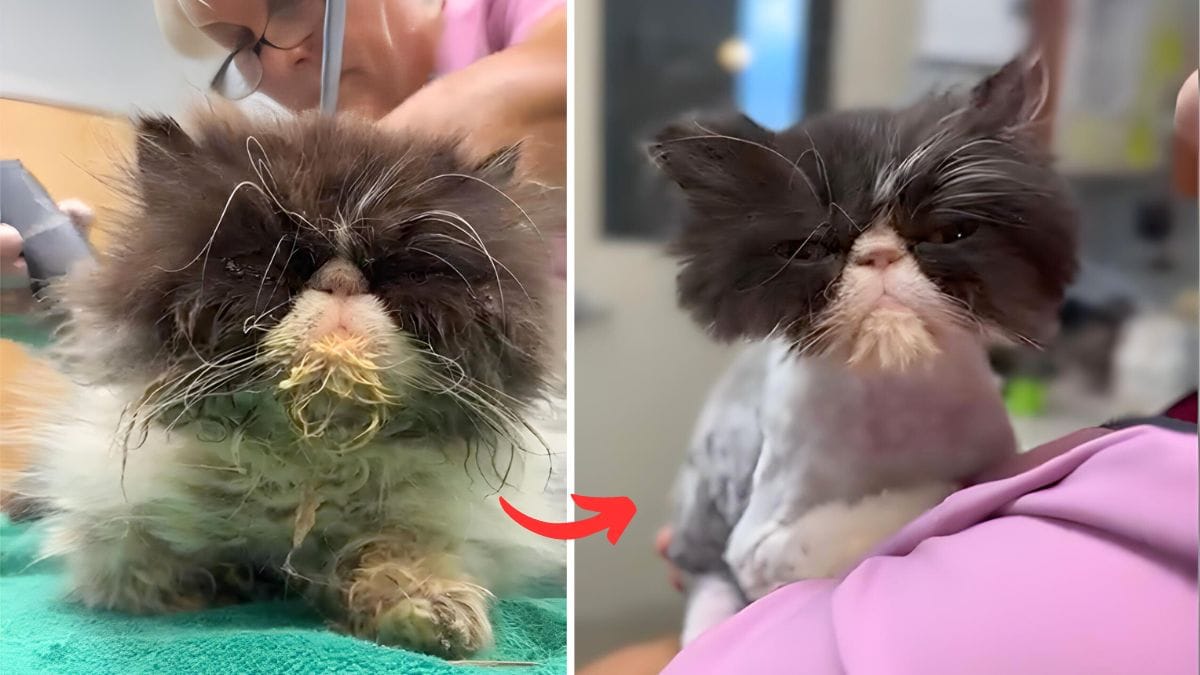
If your cat’s fur is tangled into painful, stubborn mats, you know how distressing it can be for both of you. Matted fur isn’t just uncomfortable—it can cause skin problems and affect your cat’s health.
But don’t worry, you’re not alone, and you can help your furry friend feel better. In this guide, you’ll discover simple, step-by-step ways to safely groom a severely matted cat. With the right approach, patience, and tools, you’ll turn grooming time into a calm, stress-free experience for your cat—and for yourself.
Keep reading to learn exactly what to do and how to avoid common mistakes. Your cat deserves the best care, and you’re about to give it.
Signs Of Severe Matting
Severe matting in cats is more than just a tangled mess. It shows clear signs that need quick attention. Knowing these signs helps protect your cat’s comfort and health. Early spotting can prevent pain and skin problems. Matted fur feels hard and tight against the skin. It often causes discomfort or changes in behavior. Cats with severe mats may stop grooming themselves.
Common Areas For Mats
- Behind the ears
- Under the armpits
- Around the neck
- Under the legs
- Near the tail
- Along the belly
These spots have more friction or less grooming. Cats may find these areas hard to reach. Moisture and dirt build up here, causing mats to form.
Health Risks Of Matted Fur
- Skin irritation and redness
- Infections from trapped bacteria
- Restricted blood flow
- Pain and discomfort
- Difficulty moving
- Hidden wounds or parasites
Mats pull on the skin and trap heat. This leads to sores and infections. Cats may hide pain or become less active. Severe mats can affect your cat’s overall well-being.
Credit: freshlybailey.com
Preparing For Grooming
Preparing to groom a severely matted cat is key for a smooth experience. It sets the stage for safety and comfort for both you and your cat. Taking time to get ready helps reduce stress and makes the process easier.
Start by organizing everything you need. Then, create a quiet space where your cat feels safe. Patience is important. The right setup can make grooming less scary for your cat.
Gathering Essential Tools
- A wide-toothed comb to gently detangle mats.
- Mat splitter or dematting tool for tough knots.
- Sharp scissors with rounded tips for careful cutting.
- Soft brush to smooth fur after detangling.
- Styptic powder to stop bleeding if skin is nicked.
- Towels to wrap your cat if needed.
- Pet-safe wipes or spray to clean the fur.
Creating A Calm Environment
- Choose a quiet room with few distractions.
- Keep the room warm and comfortable.
- Use soft lighting to avoid startling your cat.
- Speak in a soft, soothing voice.
- Have gentle music or white noise to relax your cat.
- Limit the grooming session time to short intervals.
- Keep treats nearby for positive reinforcement.
Assessing Your Cat’s Condition
Before starting to groom a severely matted cat, assessing its condition is essential. This step helps avoid causing pain or injury. It also guides you on how gently to proceed and what tools to use.
Take your time observing your cat’s coat and skin. A calm approach reduces stress for both of you. Understanding your cat’s skin health and sensitive areas will make grooming safer and more effective.
Checking Skin Health
Carefully examine the skin under the mats. Look for redness, swelling, or sores. These signs may indicate infection or irritation. Gently part the fur to get a better view. Avoid pulling or tugging on the mats. Healthy skin should be smooth and free of bumps. If you notice wounds or scabs, stop grooming and consult a vet. Clean skin helps your cat heal faster after grooming.
Identifying Sensitive Spots
Notice areas where your cat reacts nervously or pulls away. Common sensitive spots include the belly, behind the ears, and near the tail. These areas may be tender due to mats or skin problems. Touch these spots lightly to gauge your cat’s comfort. Use soft strokes and watch for signs of pain. Mark these zones to handle them with extra care during grooming. Knowing sensitive spots prevents accidental harm and builds trust.

Credit: www.reddit.com
Step-by-step Grooming Process
Grooming a severely matted cat requires patience and care. The process can be challenging, but breaking it down into manageable steps helps you and your cat stay calm. Let’s walk through the grooming process that can make a big difference in your cat’s comfort and health.
Detangling Techniques
Start by gently feeling your cat’s fur to locate the worst mats. Use your fingers to carefully loosen the edges before introducing any tools. This helps reduce pulling and discomfort.
Use a wide-toothed comb or a mat splitter to work through the tangles slowly. Hold the base of the mat near the skin to avoid tugging on your cat’s skin. If you hit a tough mat, try applying a bit of detangling spray or conditioner designed for cats.
Patience is key here—try not to rush. If your cat becomes stressed, take breaks and offer treats. Have you noticed how even a small pause can make your cat more cooperative?
Using Clippers Safely
Sometimes, clippers are necessary to remove mats that can’t be detangled. Use a quiet, low-vibration clipper to avoid frightening your cat. Keep the blade cool by clipping in short bursts, and always check the blade temperature with your hand.
Hold the skin taut and clip carefully to prevent nicks or cuts. Never clip against the grain of the fur near sensitive areas like the belly or face. If you’re unsure, ask your vet or a professional groomer for a demonstration.
Remember, your cat’s safety comes first. Are you prepared to stop and seek help if your cat shows signs of distress?
Bathing Tips For Matted Cats
Bathing a matted cat can soften mats and make detangling easier. Use lukewarm water and a gentle, cat-safe shampoo. Keep your cat calm by speaking softly and using slow movements.
Apply shampoo carefully, avoiding the face and ears. Rinse thoroughly to remove all soap, which can cause skin irritation. After bathing, gently towel dry your cat and use a low-heat blow dryer if your cat tolerates it.
Do not attempt a bath if your cat is highly stressed or aggressive. Would a calm helper or professional groomer make this step safer and less stressful?
Handling Difficult Situations
Grooming a severely matted cat requires patience and gentle handling. Use a detangling spray to soften mats. Slowly and carefully work through the knots with a wide-toothed comb.
Handling a severely matted cat requires patience and care. These situations can be challenging, especially when mats have become tight and uncomfortable for your feline friend. Understanding how to approach these difficulties can make the process smoother for both you and your cat.When To Stop And Seek Help
Recognize the signs of distress in your cat. If your cat is agitated or in pain, pause grooming. Continuing can cause harm or stress. Know when to seek a professional groomer. They have the right tools and experience to handle severe mats. Consider their help if mats are close to the skin. This prevents accidental cuts or injuries.Dealing With Aggressive Behavior
Cats may become aggressive during grooming. This is often due to discomfort or fear. Stay calm and use a soothing voice. Wearing protective gloves can help prevent scratches or bites. Use treats to calm and distract your cat. If aggression continues, take a break. Try grooming again later or over several sessions.
Credit: nationalcatgroomers.com
Preventing Future Matting
Preventing future matting is key to keeping your cat comfortable and healthy. Matted fur causes pain and skin problems. Regular care helps avoid these issues and keeps your cat happy.
Regular Brushing Routines
Brushing your cat often stops mats before they start. Use a brush made for your cat’s fur type. Long-haired cats need daily brushing. Short-haired cats benefit from brushing a few times a week.
Focus on areas that mat easily, like behind the ears and under the legs. Be gentle to avoid hurting your cat. Make brushing a calm, positive time. Reward your cat with treats or pets.
Diet And Health Considerations
Your cat’s diet affects fur quality. Healthy skin leads to less matting. Provide balanced food rich in omega-3 and omega-6 fatty acids. These improve coat softness and shine.
Keep your cat hydrated. Dry skin can cause fur to tangle. Regular vet visits help catch health issues early. Skin problems and pain can cause excessive grooming or neglect, leading to mats.
Professional Grooming Options
Severely matted cats often need more than just a gentle brushing at home. Professional grooming can make a huge difference in your cat’s comfort and health. Groomers have the right tools and experience to handle tough mats safely, reducing stress for both you and your pet.
Finding A Qualified Groomer
Look for groomers who specialize in cats, not just dogs. Cats have delicate skin and unique grooming needs that require special care. Ask if they have experience dealing with matted fur and how they approach sensitive or anxious cats.
Check online reviews and ask your vet for recommendations. A good groomer will be patient, calm, and willing to explain their process. Don’t hesitate to visit the salon beforehand to see how they interact with animals.
Have you ever noticed how some groomers use sedation or gentle restraint for extremely matted cats? It’s a sign they prioritize safety over speed. Your cat’s well-being should always come first.
Costs And What To Expect
Professional grooming for severely matted cats can be more expensive than regular sessions. Prices vary depending on the severity of the mats and the time needed to remove them. Expect to pay anywhere from $75 to $200 or more.
Some groomers charge extra for services like de-matting, nail trimming, or cleaning sensitive areas. Always ask for a clear estimate before the appointment. It helps you avoid surprises and plan accordingly.
Remember, investing in professional grooming can prevent painful skin problems and costly vet visits later. What’s your budget for keeping your cat comfortable and healthy?
Frequently Asked Questions
How Do I Safely Detangle A Severely Matted Cat?
Use a detangling spray and wide-tooth comb gently. Work in small sections, starting from the edges. Avoid pulling hard to prevent pain or injury. If mats are too tight, consider professional grooming.
Can I Groom A Matted Cat At Home?
Yes, but with caution. Use proper tools like dematting combs and scissors. Take breaks to keep your cat calm. If mats are extensive or tight, seek a professional groomer to avoid harm.
What Causes Severe Matting In Cats?
Severe matting results from neglected grooming, especially in long-haired cats. Lack of brushing allows fur to tangle and clump. Health issues or obesity can also reduce self-grooming, leading to mats.
When Should I See A Vet For Matted Cat Fur?
Visit a vet if mats cause skin irritation, wounds, or infection. Also, seek help if your cat shows pain, swelling, or behavioral changes during grooming. Severe mats might require sedation or medical treatment.
Conclusion
Grooming a severely matted cat takes time and care. Patience helps both you and your cat stay calm. Use gentle tools and work slowly to avoid hurting your pet. Regular grooming prevents mats from coming back. Always check your cat’s skin for signs of irritation.
If mats are very bad, seek help from a vet or groomer. A clean, comfortable cat is a happy cat. Keep grooming a simple, kind routine for best results. Your efforts improve your cat’s health and happiness.




Leave a Reply