Holding your cat the right way for grooming can make all the difference. If you’ve ever struggled to keep your furry friend calm and still, you know how tricky it can be.
But don’t worry—learning how to hold your cat properly will make grooming easier and less stressful for both of you. You’ll discover simple, effective techniques that help your cat feel safe and comfortable. Keep reading to master the art of holding your cat for grooming and turn a challenging task into a peaceful moment you both can enjoy.
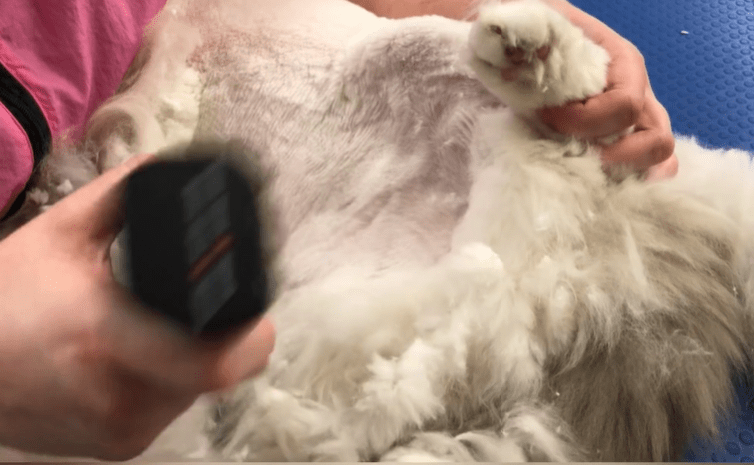
Credit: learncatgrooming.blog
Preparing Your Cat
Getting your cat ready for grooming is the key to a calm and successful session. Proper preparation helps reduce stress for both you and your feline friend. It sets the stage for smooth handling and makes grooming more enjoyable.
Choosing A Quiet Space
Pick a calm spot with minimal noise and distractions. Cats are sensitive to sudden sounds and bustling environments, which can make them anxious. A quiet room with soft lighting can help your cat feel safe and focused.
Think about where your cat usually feels relaxed. Is it a sunny corner or a cozy nook? Use that familiar place to make grooming less intimidating.
Gathering Grooming Supplies
Have all your tools within arm’s reach before you start. This includes brushes, nail clippers, grooming wipes, and treats. Avoid searching for items mid-session—it breaks the flow and can upset your cat.
- Soft-bristle brush for sensitive skin
- Comb to detangle fur
- Nail clippers designed for cats
- Gentle wipes for cleaning
- Favorite treats as rewards
Organizing your supplies ahead of time shows respect for your cat’s patience and keeps the session efficient.
Getting Your Cat Comfortable
Spend a few minutes petting and talking softly to your cat before grooming. This helps build trust and eases nerves. Watch for signs of discomfort and pause if your cat seems stressed.
Try gentle strokes on areas your cat likes, such as behind the ears or under the chin. This can turn grooming into a positive experience rather than a chore.
Have you noticed how your cat reacts to different touches? Use that knowledge to tailor your approach and make grooming a bonding moment.
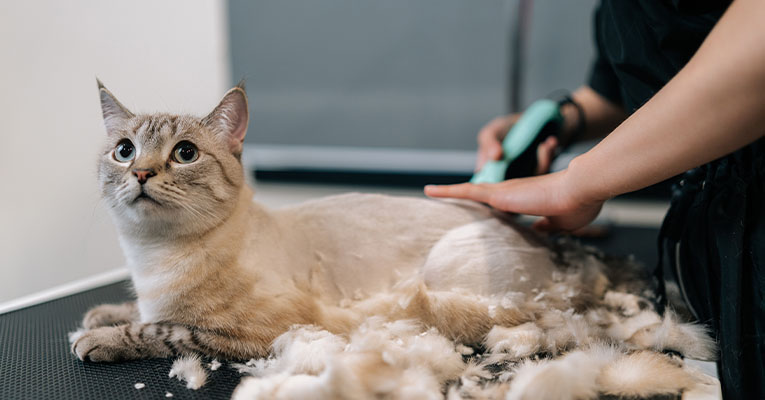
Credit: www.zoomzoomgroom.com
Safe Holding Techniques
Holding your cat safely during grooming is essential to keep both you and your furry friend calm and injury-free. Using gentle but firm techniques helps your cat feel secure without causing stress or discomfort. Let’s look at some practical ways to hold your cat that make grooming easier and safer.
Supporting The Body
Always support your cat’s body fully to prevent struggling. Place one hand under the chest, just behind the front legs, and use your other hand to support the hindquarters. This balanced hold makes your cat feel stable and less likely to squirm.
Imagine holding a fragile package—you wouldn’t grab it by one corner. The same goes for your cat. Supporting the entire body reduces pressure points and helps your pet relax.
Securing The Paws
To avoid scratches, gently hold your cat’s paws during grooming. You don’t need to grip tightly; just enough to keep them from swiping. If your cat resists, try softly wrapping your fingers around the paws one at a time.
Have you noticed how cats often pull back their paws when anxious? Securing the paws calmly can prevent sudden movements that interrupt grooming or cause injury. It also lets you trim nails or clean paws more effectively.
Using A Towel For Control
Wrapping your cat in a towel creates a cozy, secure environment and limits movement. Lay the towel flat, place your cat in the center, and gently wrap it around their body, leaving the head exposed. This technique is great for shy or squirmy cats.
I once used a towel to groom my nervous cat, and the difference was clear—he stayed calm and safe. Do you think your cat might respond better with this extra layer of security? It’s a simple trick that can transform grooming sessions.
Calming Your Cat
Calming your cat is key for smooth grooming sessions. Cats can feel nervous or scared during grooming. A calm cat is easier to hold and groom. Spend time making your cat feel safe and relaxed before you start. Use soft tones and gentle touches to build trust. Watch your cat’s body language closely. Know when to pause or slow down. A peaceful environment helps your cat stay calm.
Using Gentle Voice And Touch
Speak softly and slowly to your cat. Use a calm and soothing voice. Avoid loud or sharp noises. Stroke your cat gently with slow, smooth movements. Focus on areas your cat likes to be touched. This helps your cat feel safe and cared for. Keep your hands relaxed and movements steady. Gentle touch lowers your cat’s stress quickly.
Recognizing Stress Signals
Watch for signs your cat feels stressed. Look for:
- Flattened ears
- Wide eyes or dilated pupils
- Growling or hissing
- Tail flicking or twitching
- Trying to escape or hide
Noticing these signals early helps you stop and calm your cat. Respect your cat’s feelings to avoid fights or scratches.
Taking Breaks When Needed
Pause grooming if your cat shows stress signs. Let your cat rest in a quiet spot. Offer treats or gentle petting to relax them. Short breaks help your cat recover calmness. Return to grooming only after your cat feels better. This keeps grooming safe and pleasant for both of you.
Step-by-step Grooming Hold
Holding your cat properly during grooming makes the whole process smoother and safer for both of you. Each grooming task requires a slightly different hold to keep your cat calm and secure. Understanding these grips helps you avoid scratches and stress, turning grooming into a more pleasant routine.
Holding For Brushing
Start by sitting on the floor or in a comfortable chair with your cat in your lap. Gently wrap one arm around their body to keep them steady without squeezing too tight. Use your free hand to brush, moving in the direction of their fur growth.
If your cat tries to squirm, softly hold their head with your fingers under the chin and thumb on top. This small control helps prevent sudden movements. Have you noticed how a calm hold makes your cat more cooperative during brushing?
Holding For Nail Trimming
Place your cat on a table or your lap, whichever feels more secure for you. Use one hand to cradle their paw gently but firmly—press lightly on the pad to extend the nails. This grip ensures you can see the nail clearly without causing discomfort.
Keep your other hand ready with the clippers. If your cat resists, pause and stroke their head or speak softly to reassure them. Have you tried trimming nails right after a nap when cats tend to be more relaxed?
Holding For Bathing
Bathing requires a firm but gentle hold to keep your cat safe in slippery conditions. Support their body with one arm under the chest and your hand around the neck to prevent sudden jumps. Keep your other hand free to wash and rinse carefully.
Use a non-slip mat in the sink or tub to help your cat feel more secure. Remember, your calm presence and steady hold can reduce your cat’s anxiety during bath time. How do you maintain control without making your cat feel trapped?
Tips For Different Cat Personalities
Cats need gentle support during grooming to stay calm and comfortable. Hold them securely but softly, matching your grip to their personality. Some cats prefer being cradled, while others like a firm but gentle hold.
Grooming your cat is essential for their health and happiness, but each cat’s unique personality can make this task either a breeze or a challenge. Understanding your cat’s temperament is crucial to making grooming a positive experience for both of you. Below are some tailored tips for handling different cat personalities during grooming sessions.Handling Shy Cats
Shy cats often feel anxious and insecure, especially when it comes to grooming. Start by creating a calm environment. A quiet room with minimal distractions can work wonders. Use a gentle voice to reassure them. Patience is key; let them come to you at their own pace. Slow, deliberate movements help build trust. Have you noticed how your cat responds to a soft brush over a firm one? A soft brush can be less intimidating and more comforting.Managing Aggressive Cats
Aggressive cats can make grooming feel like a battle. Safety should be your top priority. Consider using a towel to gently wrap your cat, leaving only the area you’re grooming exposed. Speak in a calm, steady voice. Your cat can sense your energy, and staying calm can help diffuse tension. Offer treats as positive reinforcement. Have you tried associating grooming with something pleasant, like their favorite treat? It can turn a dreaded task into something they might actually look forward to.Working With Older Cats
Older cats often have special needs when it comes to grooming. Their joints might be sore, so a soft touch is crucial. Consider shorter grooming sessions. Does your cat seem restless or tired quickly? Shorter sessions can help keep them comfortable. Regular breaks are beneficial. Allow your cat to stretch and move around if they seem stiff. Have you noticed how a little break can make them more cooperative? Each cat is unique, and understanding their personality can transform grooming from a chore into a bonding experience. What approaches have worked best for your cat?
Credit: icatcare.org
Safety Precautions
Handling your cat carefully during grooming is crucial for both your safety and your cat’s comfort. Cats can become unpredictable when they feel stressed or trapped. Taking the right safety precautions helps prevent scratches, bites, and unnecessary anxiety.
Avoiding Injury To You And Your Cat
Always approach your cat calmly and speak softly to keep them relaxed. Use a towel to gently wrap your cat if they tend to struggle; this protects your hands and helps your cat feel secure.
Keep your nails trimmed to reduce the risk of accidental scratches. Wear long sleeves or protective gloves if your cat is prone to biting or scratching.
Watch your cat’s body language closely. If you notice signs of distress like hissing, growling, or flattened ears, pause and give them a break. Pushing too hard can lead to injury or worsen their fear.
When To Seek Professional Help
If grooming tasks like nail trimming or brushing become too stressful or dangerous, it’s wise to consult a professional groomer or your vet. Some cats have medical conditions or extreme anxiety that require expert care.
Professional groomers have specialized tools and experience to handle difficult cats safely. Your vet can also advise on sedation options if grooming is medically necessary but too challenging at home.
Have you ever tried grooming your cat only to end up with scratches or a scared pet? Knowing when to ask for help can save you both from a bad experience and keep your cat healthy and happy.
Frequently Asked Questions
How Do I Safely Hold A Cat For Grooming?
Gently support your cat’s chest with one hand and their hindquarters with the other. Keep the cat close to your body to help them feel secure and prevent sudden movements during grooming.
What Is The Best Position To Hold A Cat For Grooming?
Hold your cat in a comfortable, relaxed position, either sitting on your lap or a stable surface. Ensure their body is supported and they feel secure to reduce stress and resistance.
How Can I Calm My Cat Before Grooming?
Speak softly and pet your cat gently before grooming. Use treats and a calm environment to reduce anxiety and make the grooming process smoother and more enjoyable.
What Should I Avoid When Holding A Cat For Grooming?
Avoid squeezing or restraining your cat too tightly. Never hold them by the scruff or limbs, as this can cause discomfort or injury and increase stress during grooming.
Conclusion
Holding a cat gently helps make grooming easier for both. Stay calm and patient throughout the process. Support your cat’s body to keep it comfortable. Use slow, soft movements to avoid startling. Practice often to build trust and reduce stress.
Remember, a calm cat means safer grooming time. Keep these tips in mind next time you groom. Your cat will thank you with purrs and love. Simple care creates a happy, healthy pet relationship.




Leave a Reply