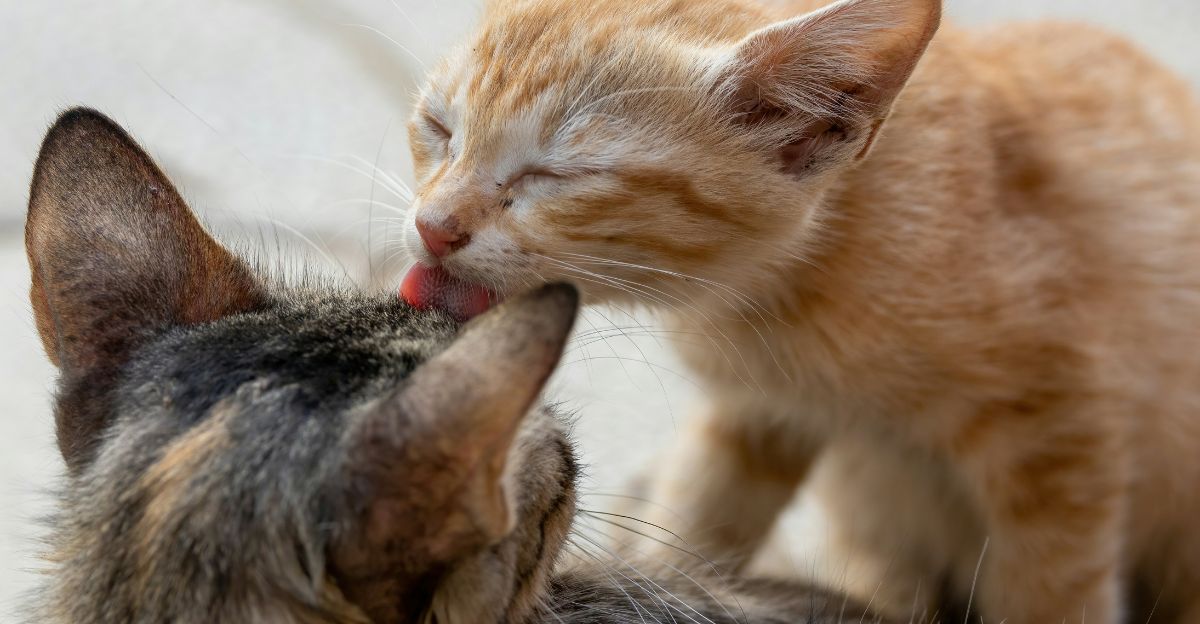
Have you ever watched two cats gently licking each other and wondered what it really means? When cats groom each other, it’s more than just cleaning fur—it’s a special way they show affection and build trust.
If you want to understand your feline friend better and discover the secret language behind their grooming habits, keep reading. This simple act could reveal how deep their bond truly is and why your cat chooses certain companions to share this intimate moment with.
Let’s dive into the fascinating world of cat grooming and affection.

Credit: basepaws.com
Cat Grooming Behavior
Cats spend a lot of time grooming themselves and each other. Grooming is not just about staying clean. It also helps cats build strong bonds. Watching cats groom each other reveals how they show care and trust. This behavior plays a big role in their social life.
What Is Allogrooming
Allogrooming means one cat grooming another. It is a social activity, not just cleaning. Cats lick and nibble their friends’ fur. This helps remove dirt and loose hair. Allogrooming also spreads a cat’s scent. This makes the group smell alike. It helps cats feel safe and united.
Common Grooming Patterns Among Cats
Cats usually groom hard-to-reach places on each other. These spots include:
- Behind the ears
- Neck and head area
- Under the chin
They often take turns grooming one another. Mother cats groom their kittens the most. Adult cats groom each other to keep peace and friendship. Grooming sessions can last a few minutes or longer. It is a calm and gentle behavior. It shows that cats trust and like each other.

Credit: basepaws.com
Grooming And Social Bonds
Cats use grooming to build and maintain social bonds. This behavior goes beyond cleaning. It helps cats feel close and safe with each other. Grooming shows trust and care between cats. It plays a key role in their social lives.
Strengthening Relationships
Mutual grooming helps cats form strong friendships. It lowers stress and makes them feel calm. Cats often groom those they like and trust. This act creates a sense of belonging in the group. It also helps cats stay connected and peaceful.
Hierarchy And Grooming Roles
Grooming reflects the social order within a cat group. Higher-ranking cats often receive more grooming. Lower-ranking cats may groom others to show respect. This routine helps keep balance and reduces fights. Each cat knows its place through these grooming roles.
Affection Or Practical Reasons?
Cats often groom each other, but the reasons go beyond simple affection. This behavior serves both emotional and practical purposes. Understanding these reasons helps us see why grooming is vital in a cat’s life.
Hygiene And Health Benefits
Grooming helps cats keep clean. They reach spots that are hard to clean alone. This reduces dirt, parasites, and loose fur. It also prevents skin infections and matting. Mutual grooming helps maintain a healthy coat for all cats involved.
Stress Relief And Comfort
Grooming creates a calming effect. Cats feel relaxed during and after grooming sessions. It lowers stress levels and builds trust between cats. This behavior strengthens social bonds and creates a sense of safety. Grooming is a way cats comfort each other in their group.
When Grooming Signals Tension
Grooming between cats often shows affection and strengthens bonds. However, sometimes grooming can signal tension instead of comfort. Understanding when grooming crosses into discomfort helps you read your cats’ social cues better.
Forced Grooming And Dominance
Not all grooming is voluntary. Sometimes one cat forces grooming on another to assert dominance.
In such cases, the dominant cat may grab or hold the other while grooming. The submissive cat often looks tense or tries to escape.
Have you seen a cat suddenly stop purring or stiffen during grooming? That can be a sign it’s not enjoying the interaction.
Signs Of Discomfort
Watch closely for subtle signs of stress when cats groom each other. These include:
- Flattened ears
- Tail flicking or twitching
- Avoiding eye contact
- Sudden vocalizations like hissing or growling
- Trying to pull away or swat
If you notice these, it’s a signal to intervene or separate your cats for a while. Your cats’ peace depends on respecting their boundaries.
Human Impact On Cat Grooming
Cats are known for their meticulous grooming habits. Yet, human influence can affect how cats groom each other. Our actions and environment play a role in their social behavior. Understanding this impact helps us foster better relationships between our feline friends.
How Owners Influence Grooming
Owners affect cat grooming through their behavior and household environment. A calm and stress-free home encourages cats to groom each other. Cats mimic their owners’ moods, so a peaceful owner creates peaceful cats. Regular interaction and playtime with cats enhance their comfort levels. This ease often translates into more grooming between cats.
Encouraging Healthy Interactions
Encouraging healthy interactions among cats is crucial. Providing ample space allows cats to feel secure. Offering multiple grooming tools and spaces can promote grooming activities. Observing your cats helps in understanding their social dynamics. Reward positive interactions with treats or affection to reinforce good behavior.
Creating a nurturing environment supports the natural grooming instincts of cats. This not only strengthens their bond but also enriches their lives. With the right guidance, cats can enjoy happy and harmonious grooming sessions.
Surprising Grooming Facts
Cat grooming is more than just a cute behavior. It reveals complex social interactions and surprising habits that many pet owners might not expect. Understanding these facts can deepen your appreciation for how cats communicate and bond with each other.
Grooming Beyond Affection
While grooming often signals affection, it also serves practical purposes. Cats groom each other to remove dirt, loose fur, and parasites, helping maintain their health.
Did you know grooming can strengthen social hierarchies? Dominant cats might groom subordinates, reinforcing their status without aggression. This behavior keeps peace within the group and reduces conflict.
Unexpected Grooming Partners
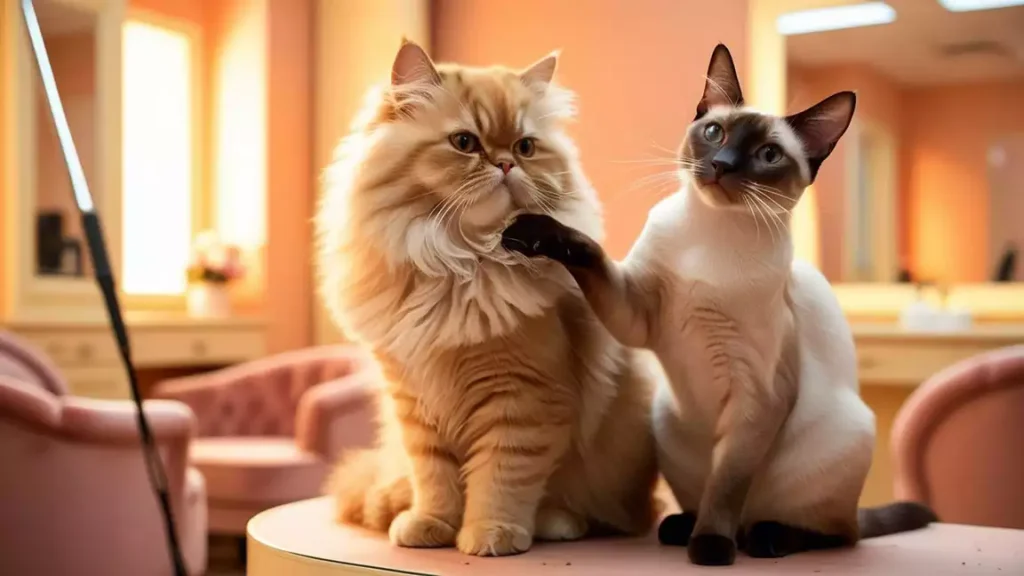
You might expect cats to groom only family or close friends, but they sometimes groom unlikely companions. Cats have been observed grooming other animals like dogs, rabbits, and even humans.
Have you noticed your cat licking your hand or hair? This could be their way of including you in their social circle. It’s a gentle reminder that grooming isn’t just for cats—it’s a bridge for connection.
Credit: catgroomerla.com
Frequently Asked Questions
Why Do Cats Groom Each Other?
Cats groom each other to strengthen social bonds and show affection. It helps build trust and reduces stress among cats in the group.
Is Mutual Grooming A Sign Of Cat Friendship?
Yes, mutual grooming indicates a close bond and friendship. Cats use grooming to communicate comfort and companionship with each other.
Can Cats Groom Strangers Or Only Friends?
Cats usually groom only familiar cats or friends. Grooming strangers is rare and may indicate strong social or territorial ties.
Does Grooming Help Cats Stay Healthy?
Yes, grooming removes dirt and parasites, improving hygiene. It also stimulates circulation and promotes skin health in cats.
Conclusion
Cats grooming each other is more than just cleaning. It shows trust and care between them. This behavior strengthens their bond and helps them feel safe. Grooming also reduces stress and makes cats calm. When cats groom together, they share comfort and friendship.
Watching this can help you understand your cat better. So, next time you see cats grooming, remember it is their way to say “I care. ” It’s a simple, natural act of love among cats.


Leave a Reply