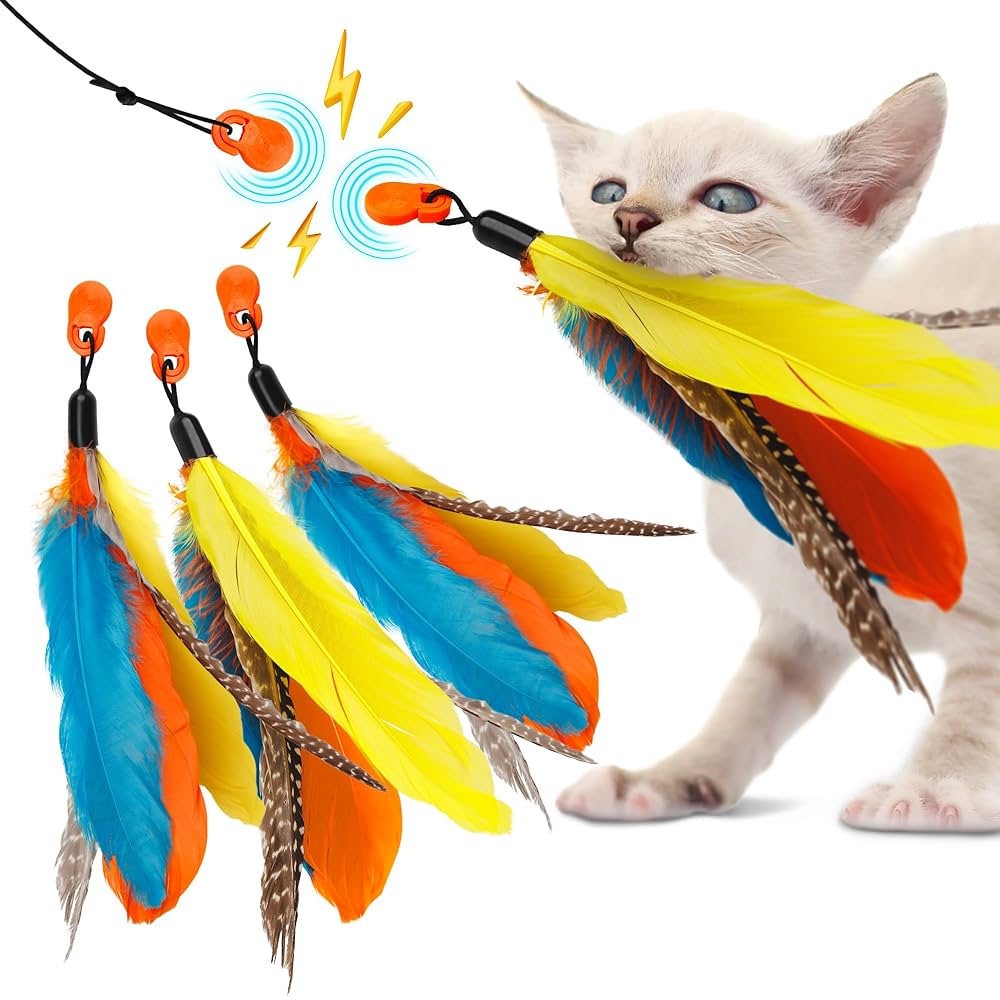
If you want to make your cat’s playtime more exciting, attaching feathers to a toy is a simple and fun way to do it. Feathers catch your cat’s eye and encourage them to jump, pounce, and play like never before.
But how do you attach feathers safely and securely so they don’t fall off or hurt your furry friend? In this guide, you’ll discover easy steps and tips that anyone can follow. Keep reading, and you’ll have the perfect feathered cat toy ready in no time!
Choosing The Right Feathers
Choosing the right feathers is key to making a safe and fun cat toy. Feathers attract cats with their movement and texture. Picking feathers that are both safe and durable keeps your cat happy. The right feathers also make your toy last longer and stay interesting for your pet.
Types Of Feathers
Various feathers suit different cat toys. Some common types include:
- Goose feathers – soft and flexible, good for gentle play.
- Pheasant feathers – colorful and sturdy, great for visual appeal.
- Peacock feathers – eye-catching but delicate, used for decoration.
- Turkey feathers – strong and thick, ideal for rougher play.
Choose feathers based on your cat’s play style. Soft feathers work for shy cats. Tough feathers suit energetic chewers.
Safe Materials For Cats
Safety is the top priority. Feathers must be clean and free of chemicals.
- Natural feathers without dyes or treatments reduce risk.
- Avoid feathers with sharp quills that can hurt your cat.
- Check for loose parts that your cat might swallow.
- Wash feathers gently before use to remove dirt and dust.
Always supervise your cat during playtime. Replace feathers if they become damaged.
Where To Buy Feathers
Feathers can be purchased from several places:
- Craft stores – wide selection of feathers for DIY projects.
- Online retailers – variety and convenience in shopping.
- Pet stores – sometimes offer feathers made for pet toys.
- Farm suppliers – fresh feathers, often untreated and natural.
Choose sources that guarantee clean and safe feathers. Read reviews to find trusted sellers.

Credit: us.amazon.com
Selecting The Base Material
Selecting the right base material is key to making a safe and fun cat toy. The base holds the feathers and shapes the toy. It must be sturdy and light. It also needs to feel nice to cats, inviting them to play. Picking the correct material helps the toy last longer and keeps your cat happy.
Common Base Options
- Wood sticks – lightweight and easy to hold.
- Plastic rods – flexible and durable.
- Foam balls – soft and gentle on paws.
- Fabric strips – soft, can be wrapped tightly.
- Pipe cleaners – bendable, hold feathers well.
Durability Considerations
The base must resist biting and scratching. Wood and plastic usually last longer. Foam and fabric can wear out fast. Choose materials that won’t break into small pieces. Check for safety. Avoid anything with sharp edges. A strong base keeps the toy intact during play.
Comfort For Cats
Soft bases feel better on paws and mouths. Rough or hard materials can scare or hurt cats. Lightweight bases make toys easier to bat and carry. The base should not be too heavy. Cats enjoy toys they can grab and toss around. Comfort encourages longer playtime and more fun.
Attachment Methods
Attaching feathers to your cat toy can be both fun and functional. The right attachment method ensures the feathers stay put while your cat enjoys hours of play. Choosing a secure yet safe way to fix feathers is key to making a toy that lasts.
Using Non-toxic Glue
Non-toxic glue is a quick way to attach feathers without much hassle. Make sure the glue is safe for pets to avoid any health risks. Apply a small amount at the base of the feather and press it firmly onto the toy’s surface.
Let the glue dry completely before giving the toy to your cat. This method works best for lightweight feathers and smooth surfaces. Have you checked if your glue is pet-safe? It’s a small step that protects your furry friend.
Sewing Feathers Securely
Sewing feathers offers a strong hold, especially for toys made from fabric or soft materials. Use a needle and thread to stitch the quill of the feather directly onto the toy. This method keeps feathers in place through rough play and tugging.
Try using a few tight stitches to prevent feathers from loosening. It might take a bit more time, but the durability is worth it. Are you comfortable with a needle, or would you rather try another method?
Tying Feathers With Thread Or String
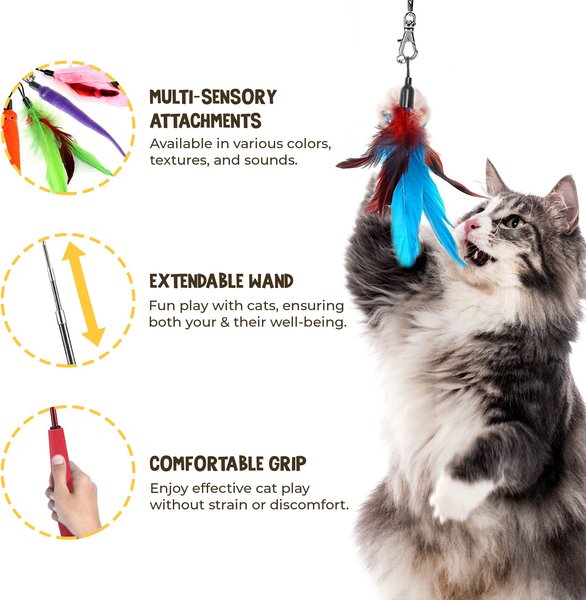
Tying feathers with thread or string is a simple and adjustable option. Wrap the thread tightly around the feather base and secure it to the toy. This allows easy replacement of feathers when needed without damaging the toy.
This method works well if you want to change feather colors or styles often. Just make sure the knots are secure so feathers don’t slip free during play. Could this flexible approach fit your crafting style?
Credit: www.kemurcamp.com
Enhancing Durability
Keeping feathers securely attached to your cat toy is key to making it last longer. Cats can be rough with their toys, so boosting durability helps you avoid constant repairs or replacements. Let’s look at simple ways to strengthen those attachment points and protect the feathers better.
Reinforcing Attachment Points
Focus on the spots where feathers connect to the toy. These points often face the most stress from your cat’s playful bites and swats.
- Use a strong glue designed for fabric or craft projects. It holds better than regular glue and dries clear.
- Add extra stitches around the base of the feathers with a needle and thread. This secures them firmly.
- Consider wrapping a small piece of tape or a rubber band tightly around the feather stems at the attachment point to keep them from loosening.
I once tried just glue, but my cat quickly pulled the feathers off. Adding stitches made a noticeable difference. Have you noticed your cat targets a certain spot on their toy?
Using Protective Coatings
Coatings can shield feathers from wear and tear, especially if your cat drools or scratches aggressively.
- Lightly apply a non-toxic fabric sealant spray to the feathers. It protects without making them stiff or unpleasant to touch.
- Try a thin layer of clear nail polish at the base of the feathers to strengthen them. Test a small area first to ensure it’s safe and doesn’t irritate your cat.
- Be cautious not to overcoat; too much product can make feathers brittle or smell strong to your cat.
After spraying a sealant, my cat seemed more interested because the feathers stayed fluffy longer. Could a small protective step like this improve your toy’s lifespan?
Regular Maintenance Tips
Durability doesn’t stop once you attach the feathers. Regular checks and care keep the toy in top shape.
- Inspect the toy weekly for loose feathers or weak spots. Early fixes prevent bigger damage.
- Clean the toy gently to avoid dirt buildup that can weaken glue or fabric.
- Trim any frayed feather ends to avoid unraveling and discourage your cat from pulling excessively.
Spending just a few minutes each week on your cat’s toy can save you time and money later. What small maintenance habit could you add to your routine?
Safety Precautions
Keep sharp tools away from your cat while attaching feathers. Secure feathers tightly to avoid choking hazards during play.
Attaching feathers to a cat toy can transform playtime into an exciting adventure for your feline friend. However, ensuring their safety is crucial. As you prepare to create a fun and engaging toy, consider several safety precautions to keep your cat happy and healthy.Avoiding Toxic Materials
Before you start, it’s essential to choose non-toxic materials. Cats love to chew and bite, so ensure the feathers and adhesives you use are safe if ingested. Look for labels that confirm the product is free from harmful chemicals. When I made a feather toy for my cat, I opted for child-safe glue. This choice gave me peace of mind, knowing that if my cat decided to gnaw on it, she wouldn’t be exposed to harmful substances.Checking For Loose Feathers
Before handing the toy to your cat, give it a thorough inspection. Tug gently on the feathers to ensure they are securely attached. Loose feathers can be a choking hazard if they come off during play. Regularly check the toy for wear and tear. Replace or repair any loose parts to keep the toy safe and enjoyable for your pet.Supervising Playtime
Always supervise your cat during playtime with feather toys. This allows you to intervene if the toy begins to break or if your cat becomes overly aggressive. Engaging with your cat during play not only ensures their safety but also strengthens your bond. Consider it an opportunity for you both to have fun and unwind together. What safety measures do you take when creating toys for your furry friend?
Credit: www.amazon.com
Creative Design Ideas
Creative design ideas can transform a simple cat toy into an irresistible plaything that keeps your feline friend engaged for hours. Adding feathers is just the start; how you combine colors, textures, and extra accessories can make all the difference. Thinking beyond the basics invites you to tailor toys that match your cat’s unique personality and play style.
Combining Colors And Textures
Mixing different colors grabs your cat’s attention instantly. Bright feathers like red, yellow, or blue stand out and can stimulate your cat’s natural hunting instincts. Pairing soft feathers with rougher materials like felt or burlap adds a tactile variety that cats love to explore.
Try layering feathers of contrasting colors to create depth and movement. Have you noticed how your cat reacts to certain colors or materials? Use those preferences to guide your choices and make a toy your cat won’t want to put down.
Adding Bells Or Other Accessories
Small bells add a sound element that many cats find irresistible. The jingling noise mimics the rustling sounds of prey, sparking your cat’s curiosity. Attach a tiny bell securely near the feathers but ensure it’s not too loud or annoying.
Other accessories to consider include ribbons, small pom-poms, or even a touch of catnip. These extras can turn a simple feather toy into a multi-sensory experience. What accessories have you noticed your cat reacting to most during playtime?
Customizing For Your Cat’s Preferences
Every cat has its own favorite textures, colors, and sounds. Observe how your cat plays with different toys and use those insights to customize your feather attachment. Some cats prefer gentle, slow movements while others love fast, erratic action.
Adjust the length and type of feathers based on what excites your cat the most. Adding a bit of catnip or choosing feathers that mimic the look of real birds can make the toy feel more authentic. How well do you know your cat’s play style? Tailoring toys to those preferences makes all the difference.
Frequently Asked Questions
How Do I Securely Attach Feathers To A Cat Toy?
Use a strong, non-toxic glue or tie feathers with thread. Ensure feathers are tightly fastened to prevent choking hazards. Check regularly for loose feathers to keep your cat safe and entertained.
What Type Of Feathers Are Best For Cat Toys?
Choose natural, non-toxic feathers like turkey or rooster feathers. Avoid dyed or chemically treated feathers to prevent irritation or poisoning. Natural feathers are safer and more appealing for cats.
Can I Use Hot Glue To Attach Feathers?
Yes, hot glue works well if applied carefully. Use a low-temperature glue gun to avoid damaging feathers. Ensure glue is dry and cool before giving the toy to your cat.
How Often Should I Replace Feathers On Cat Toys?
Replace feathers when they become worn or detached. Regular replacement keeps the toy safe and interesting for your cat. Inspect toys weekly to maintain quality and safety.
Conclusion
Attaching feathers to a cat toy is simple and fun. It adds excitement and keeps your cat interested. Use safe materials and secure the feathers well. Watch your cat enjoy the new toy right away. Small steps make a big difference in playtime.
Try different colors or feather types for variety. Your cat will thank you with lots of purrs. Keep the toy clean and check it often. Happy playtime leads to a happy cat.

Leave a Reply