
Are you wondering how often to take your cat to the groomer? You want your furry friend to look and feel their best, but it’s not always easy to know the right schedule.
Taking your cat to the groomer too often can be stressful for them—and too rarely might lead to mats, shedding, or skin problems. You’ll discover simple guidelines to keep your cat comfortable, healthy, and happy. Keep reading to find out the perfect grooming routine tailored just for your pet!
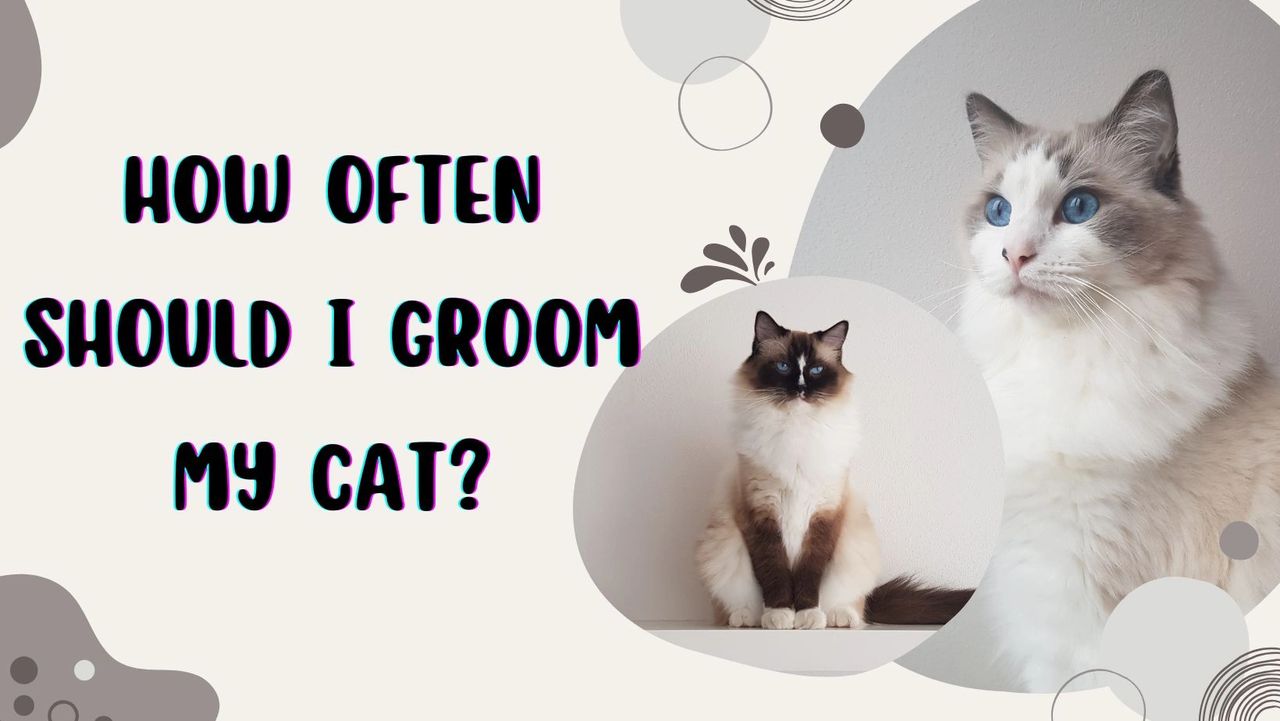
Credit: temeculapetsalonandspa.com
Signs Your Cat Needs Grooming
Knowing when your cat needs grooming can save you from unexpected vet visits and keep your furry friend comfortable. Cats may not always ask for help, but their body and behavior often send clear signals. Paying attention to these signs helps you decide the right grooming schedule and avoid common problems.
Changes In Coat Condition
Watch for dull or matted fur, which often means your cat needs grooming. If your cat’s coat looks greasy or has clumps, it’s time to book a grooming session. Cats who groom themselves less due to age or health issues might develop knots that are painful and hard to remove.
Have you noticed more fur on the floor than usual? Excessive shedding or bald patches can also indicate a need for professional care. Regular brushing at home helps, but sometimes a groomer’s tools are necessary to keep the coat healthy.
Behavioral Indicators
Your cat’s behavior can reveal grooming needs you might miss by just looking. If your cat suddenly starts scratching or biting at their fur, it might be uncomfortable due to dirt or mats. Restlessness or irritability could also mean your cat is struggling with its coat.
Some cats avoid being touched or hide more when their fur is tangled or itchy. Have you seen your cat grooming less or more obsessively? Both can be signs that a groomer’s help is needed to relieve discomfort.
Health Concerns Linked To Grooming
Grooming isn’t just about looks; it’s a key part of your cat’s health. Poor grooming can cause skin infections, parasites, and even urinary problems if fur mats trap dirt near sensitive areas. If you notice redness, swelling, or unusual odors, a groomer can assist before these issues worsen.
Regular grooming can also reveal lumps, bumps, or wounds early. How often do you check your cat’s skin during grooming? Early detection through grooming can prevent serious health problems down the line.

Credit: www.latimes.com
Factors Influencing Grooming Frequency
Knowing how often to take your cat to the groomer depends on several factors unique to your pet. These factors influence not only the grooming frequency but also the type of care your cat needs. Understanding them helps you make better choices for your cat’s comfort and health.
Breed And Coat Type
Different breeds have different grooming needs. Cats with long, thick fur like Persians need more frequent grooming to prevent mats and tangles. Short-haired breeds, such as the American Shorthair, usually require less frequent professional grooming but still benefit from occasional care.
Think about your cat’s coat texture and length. Does your cat shed heavily or have a dense undercoat? These details matter because they affect how often your cat needs brushing and trimming. If you’ve ever struggled with hairballs or mats, you know how important regular grooming can be.
Age And Health Status
Older cats or those with health problems often need more attention. Cats with arthritis or mobility issues might struggle with self-grooming, leading to dirty or matted fur. In these cases, more frequent visits to a groomer can improve your cat’s well-being.
Consider your cat’s overall health when deciding on grooming frequency. A young, healthy cat might only need grooming a few times a year, while a senior cat might require monthly visits. Regular grooming can also help you spot health issues early, like skin infections or lumps.
Indoor Vs Outdoor Lifestyle
Your cat’s living environment plays a big role in grooming needs. Outdoor cats are exposed to dirt, debris, and parasites more often, which can make regular grooming essential. Indoor cats usually stay cleaner but still benefit from occasional grooming to reduce shedding and hairballs.
If your cat enjoys outdoor adventures, you might find yourself scheduling grooming appointments more frequently to keep their coat and skin healthy. On the other hand, indoor cats might only need grooming every few months, unless they have specific coat or health issues.
Recommended Grooming Schedule
Knowing how often to take your cat to the groomer depends a lot on their coat type and individual needs. A clear grooming schedule helps keep your cat comfortable, clean, and healthy. Here’s a breakdown to help you decide the best routine for your furry friend.
Short-haired Cats
Short-haired cats usually need less frequent grooming. Most benefit from a visit every 8 to 12 weeks to keep their coat shiny and reduce shedding. Regular brushing at home can cut down the need for professional grooming, but a trim or bath at the groomer every few months works well.
Have you noticed your short-haired cat shedding more during certain seasons? That’s a good sign to book a grooming session. Keeping up with this schedule helps prevent hairballs and skin issues.
Long-haired Cats
Long-haired cats require more attention to prevent mats and tangles. A visit every 4 to 6 weeks is ideal for trimming, bathing, and thorough brushing. These regular sessions save you from painful mat removal and keep your cat comfortable.
Think about how often you’ve had to deal with knots in your cat’s fur. Scheduling frequent groomer visits can reduce that hassle significantly. Plus, it gives your cat a chance to stay cool and clean, especially in warmer months.
Senior Cats And Special Needs
Senior cats or those with health issues often need more gentle and frequent grooming care. Every 4 to 8 weeks is a good guideline, but it depends on your cat’s specific condition and mobility. Groomers experienced with special needs cats can make a big difference in keeping them comfortable.
Have you ever struggled to groom a senior cat at home? Taking them to a professional can ease stress for both of you. Regular grooming also helps spot health problems early, like skin infections or lumps.
Benefits Of Regular Professional Grooming
Regular professional grooming offers many benefits for your cat’s well-being. It keeps their fur clean and shiny. Groomers use special tools and techniques that owners may not have at home. This care helps your cat feel comfortable and look healthy.
Visiting a groomer often can prevent common problems. It also supports your cat’s overall health. Let’s explore key advantages of regular grooming sessions.
Improved Coat And Skin Health
Professional groomers remove dirt, mats, and loose fur carefully. This helps stop skin irritation and infections. Grooming also spreads natural oils, making the coat soft and shiny. Clean fur reduces risks of fleas and ticks. Healthy skin means your cat feels less itchy and more relaxed.
Early Detection Of Health Issues
Groomers check your cat’s body for lumps, wounds, or infections. They notice changes you might miss at home. Early spotting of problems leads to faster treatment. This can prevent serious illnesses or complications. Regular grooming acts like a health check for your cat.
Reduced Shedding And Hairballs
Brushing by professionals cuts down loose hair. This limits shedding around your house. It also helps stop hairballs from forming in your cat’s stomach. Fewer hairballs mean less vomiting and better digestion. Grooming keeps your cat cleaner and your home tidier.
Diy Grooming Tips Between Visits
Keeping your cat well-groomed between professional visits helps maintain their health and comfort. Regular care prevents mats, reduces shedding, and keeps skin healthy. These simple DIY grooming tips support your cat’s cleanliness and happiness at home.
Brushing Techniques
Brushing removes loose hair and prevents tangles. Use a soft brush or comb suited for your cat’s fur type. Brush gently in the direction of hair growth. Short-haired cats need brushing once or twice a week. Long-haired cats benefit from daily brushing to avoid mats. Pay attention to sensitive areas like the belly and behind ears. Make grooming a calm and positive experience with treats and soft strokes.
Bathing Guidelines
Cats usually groom themselves well, so baths are rarely needed. Bathe only if your cat is very dirty or has skin issues. Use lukewarm water and a shampoo made specifically for cats. Avoid water in the eyes and ears. Rinse thoroughly to remove all soap. Dry your cat with a towel and keep them warm until fully dry. Limit baths to a few times a year to avoid drying out the skin.
Nail And Ear Care
Trim your cat’s nails regularly to prevent damage and discomfort. Use a nail clipper designed for cats and cut only the sharp tip. Avoid the pink quick inside the nail. Check ears weekly for dirt or wax buildup. Clean ears gently with a soft cloth or cotton ball dampened with a vet-approved solution. Never insert anything deep into the ear canal. Healthy nails and ears keep your cat comfortable and reduce risks of infections.
Choosing The Right Groomer
Choosing the right groomer for your cat is important for their health and happiness. A good groomer knows how to handle cats gently and safely. This choice affects how often your cat will enjoy grooming sessions without stress. Understanding what to look for makes finding the right groomer easier and more effective.
Qualifications And Experience
Check if the groomer has formal training in pet grooming. Experience with cats is very important. Cats need special care compared to dogs. Ask about their knowledge of cat breeds and coat types. A skilled groomer can spot skin issues or health concerns early. This helps keep your cat healthy beyond just grooming.
Facility Cleanliness And Safety
Visit the grooming facility before booking an appointment. The place should be clean and organized. Look for separate areas for cats and other animals. This reduces stress and risk of illness for your cat. Safety measures like secure cages and calm handling are key. Clean tools and proper sanitation prevent infections.
Customer Reviews And Recommendations
Read reviews from other cat owners online. Positive feedback shows the groomer’s reliability and skill. Ask friends or your vet for recommendations. Real stories help you understand what to expect. Good communication and friendly service make visits easier for both you and your cat.
Handling Grooming Anxiety
Understanding how often to take your cat to the groomer can ease grooming anxiety. Regular grooming every 4-6 weeks helps keep your cat comfortable and healthy. This routine reduces stress and keeps their coat in top condition.
Handling grooming anxiety in cats is vital for their well-being. Many cats feel stressed when visiting the groomer. This anxiety can make the experience difficult for both cats and owners. Understanding how to ease this stress ensures a smoother grooming process.Preparing Your Cat For Visits
Start by introducing your cat to grooming tools at home. Let them sniff brushes and combs. Reward with treats to create positive associations. Gradually increase the time spent with these tools. This helps in reducing fear during grooming visits. Take short car rides with your cat. This prepares them for the journey to the groomer. Use a comfortable carrier to make them feel secure. Regular exposure to these activities reduces anxiety over time.Calming Products And Techniques
Consider using calming sprays or diffusers. These products release pheromones that soothe cats. Apply them in the carrier or grooming area. They can help reduce stress during the visit. Try gentle music to calm your cat. Soft tunes can create a relaxing environment. Play this music at home and in the car. It can ease tension and make the trip less stressful.Post-grooming Care
After grooming, give your cat some quiet time. Let them relax in a favorite spot. Provide their favorite toys or treats to cheer them up. Positive reinforcement helps associate grooming with rewards. Monitor their behavior for any signs of distress. If they seem upset, give them extra attention. Your calm demeanor reassures your cat and helps them recover from the experience.
Credit: www.reddit.com
Frequently Asked Questions
How Often Should I Take My Cat To The Groomer?
Most cats benefit from grooming every 4 to 6 weeks. Frequency depends on coat length, breed, and shedding. Regular grooming helps reduce hairballs and keeps fur healthy.
Can Indoor Cats Skip Professional Grooming Sessions?
Indoor cats usually need less frequent grooming. However, regular trims and nail care are still essential. Professional grooming every 6 to 8 weeks keeps them clean and comfortable.
What Signs Indicate My Cat Needs Grooming Urgently?
Look for matted fur, excessive shedding, or foul odor. Also, check if your cat scratches or licks excessively. These signs suggest a grooming session is needed soon.
Does Grooming Help With Cat Shedding?
Yes, grooming reduces shedding by removing loose fur. It also prevents hairballs and matting. Regular sessions keep your cat’s coat shiny and healthy.
Conclusion
Regular grooming keeps your cat healthy and happy. Most cats benefit from visits every 4 to 8 weeks. Short-haired cats need less frequent grooming than long-haired ones. Watch your cat’s coat and skin for signs of mats or dirt. Talk to your vet or groomer for advice tailored to your cat.
Grooming helps prevent problems and strengthens your bond. Keep grooming simple and consistent for best results. Your cat will thank you with a soft, shiny coat and less stress.




Leave a Reply