Have you ever watched your cats gently licking each other and wondered if this behavior is good for them? When cats groom each other, it’s more than just a cute moment—it can say a lot about their health and happiness.
Understanding why your cats groom each other can help you see their bond in a whole new light. Keep reading to discover the surprising benefits and what you should watch out for when your furry friends start cleaning each other.
Why Cats Groom Each Other
Cats grooming each other is more than just cleaning fur. It shows deep connection and care between them. This behavior helps cats build friendships and feel secure. Understanding why cats groom each other reveals their social nature and emotional needs.
Social Bonding And Trust
Grooming creates strong bonds between cats. It builds trust and shows friendship. Cats that groom each other often share a close relationship. This act helps them feel safe and accepted in their group.
Mutual Cleaning Benefits
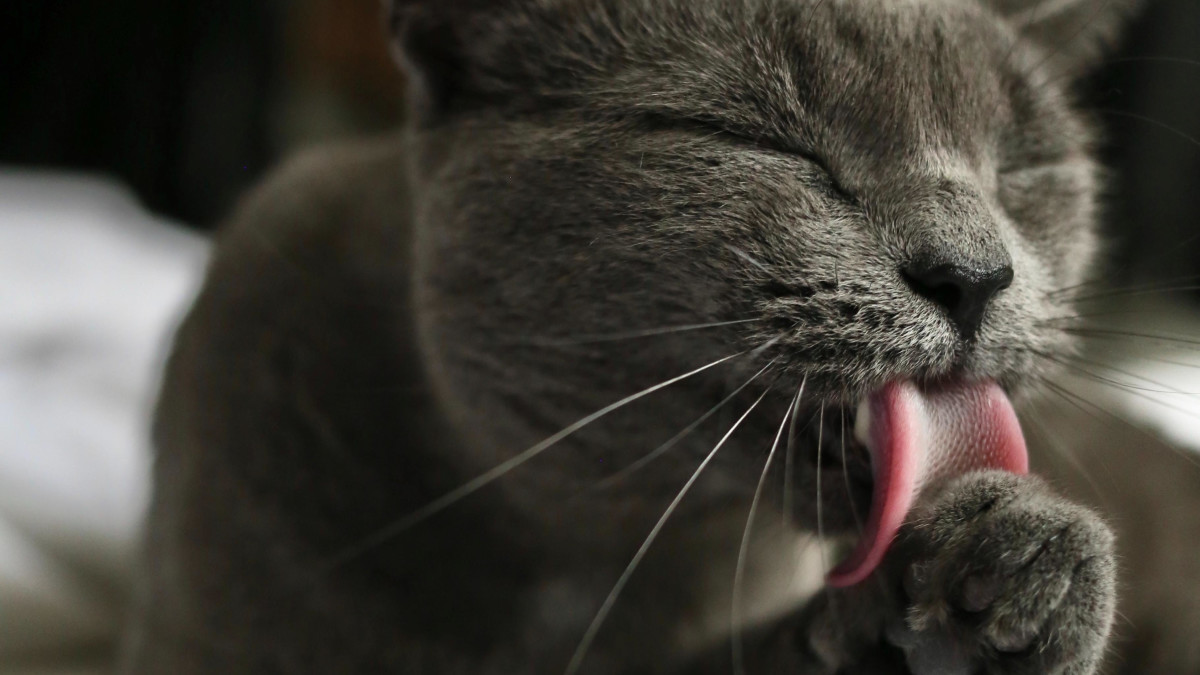
Some spots are hard for cats to reach. Grooming each other helps clean those areas. It keeps their fur neat and free from dirt. This shared cleaning supports their health and hygiene.
Stress Relief And Comfort
Grooming calms cats and reduces stress. It gives them comfort and relaxation. Being groomed by a friend lowers anxiety and fear. This behavior helps cats feel peaceful and cared for.
Health Advantages Of Mutual Grooming
Mutual grooming among cats is more than just a cute behavior; it plays a vital role in their overall health. When cats groom each other, they help maintain cleanliness and support physical well-being. Understanding these health advantages can help you appreciate why this social habit is beneficial for your feline friends.
Improved Skin And Coat Condition
When cats groom each other, they remove dirt, loose fur, and dead skin from hard-to-reach places. This keeps their coats shiny and smooth, reducing the chance of matting or irritation. If you notice your cats grooming together, it’s a good sign they are helping each other stay comfortable and healthy.
Parasite Control
Mutual grooming helps cats detect and remove parasites like fleas and ticks before they become a bigger problem. Cats use their tongues to catch these pests early, reducing the risk of infestations. Have you ever seen your cats intensely grooming one spot? They might be spotting something you can’t see.
Boosted Immune System
Regular grooming lowers stress levels, and less stress means a stronger immune system for your cats. When cats groom each other, they build social bonds that create a calm, secure environment. This emotional support helps their bodies fight off illnesses more effectively.
Behavioral Insights From Grooming
Grooming between cats is more than just cleaning. It reveals their social lives and feelings. Understanding these behaviors helps us see how cats bond and live together.
Hierarchy And Group Dynamics
Cats use grooming to show social order. Higher-ranked cats often groom lower-ranked ones. This action confirms their position in the group. It also helps keep peace among cats living together.
Grooming can also signal acceptance. Cats that groom each other tend to trust and accept their roles. This behavior reduces conflicts and helps create a stable group.
Signs Of Affection And Friendship
Mutual grooming is a clear sign of friendship. Cats groom those they like and feel close to. This creates a strong bond between them.
Grooming helps cats share scents. It makes their group smell alike. This shared scent increases their feeling of belonging and safety.
Reducing Aggression
Grooming calms cats down. It lowers stress and aggression in the group. Cats that groom each other are less likely to fight.
This peaceful behavior helps keep harmony in multi-cat homes. Grooming acts as a natural way to ease tension and build trust.
When Grooming Becomes A Problem
Grooming between cats is usually a sign of affection and bonding. However, there are times when this behavior can signal underlying issues. Recognizing when grooming shifts from healthy to problematic is key to maintaining your cats’ well-being.
Overgrooming And Stress Indicators
When cats groom each other excessively, it might not just be about care—it could be a sign of stress or anxiety. Overgrooming can lead to bald patches and skin damage, which is a red flag. Have you noticed your cats licking one another more than usual or obsessively focusing on certain areas?
This behavior often appears when cats feel insecure or overwhelmed by changes in their environment. Pay attention to other signs of stress like hiding, reduced appetite, or aggression to understand the full picture.
Allergies And Skin Irritations
Sometimes, grooming causes or worsens allergies and skin irritations. If one cat has a skin condition, the other cat’s grooming can spread irritants or bacteria, making problems worse. Watch for redness, bumps, or scabs appearing where your cats groom each other.
Check if your cats show signs of itching or discomfort after grooming sessions. This might mean an allergy to flea treatments, new food, or environmental factors that need addressing.
Intervention Tips For Pet Owners
When you spot problematic grooming, it’s time to step in thoughtfully. Redirect your cats with toys or playtime to reduce stress-driven grooming. Creating safe spaces for each cat can also help minimize tension.
- Keep their nails trimmed to prevent injury during grooming.
- Consider calming aids like pheromone diffusers to ease anxiety.
- Consult your vet if skin problems persist or worsen despite your efforts.
How closely do you observe your cats’ grooming habits? Small changes can tell you a lot about their emotional and physical health. Your attention can make a big difference in keeping their bond healthy and happy.
Encouraging Healthy Grooming Habits
Cats grooming each other is a delightful sight. It strengthens their bond and promotes cleanliness. Encouraging healthy grooming habits between cats ensures they remain clean and happy. Proper grooming can prevent skin issues and matting. Facilitating a safe and comfortable grooming environment is essential. Let’s explore how to nurture these habits effectively.
Creating A Safe Environment
A calm and quiet space encourages cats to groom each other. Remove any distractions or loud noises. Ensure the area is clean and free from hazards. Comfortable resting places like soft beds or cushions are ideal. Cats feel secure in familiar surroundings.
Introducing New Cats
Gradual introductions reduce stress and promote acceptance. Use scent-swapping techniques with blankets or toys. Allow supervised interactions in neutral spaces. Positive reinforcement with treats can help. Patience is key during this process.
Regular Vet Checks
Regular vet visits ensure cats are healthy and free from parasites. Vets can check for skin conditions that may hinder grooming. Up-to-date vaccinations protect against diseases. Discuss any grooming concerns with your vet. A healthy cat grooms more effectively.
Frequently Asked Questions
Why Do Cats Groom Each Other?
Cats groom each other to strengthen social bonds. It helps reduce stress and promotes group harmony. Mutual grooming also keeps their fur clean and free of parasites. This behavior is common among cats that share a strong relationship.
Is Mutual Grooming Healthy For Cats?
Yes, mutual grooming is healthy. It improves skin and coat condition by removing dirt. Grooming also helps cats relax and feel safe. It boosts their emotional well-being and reduces anxiety, making it beneficial for both cats involved.
Can Grooming Prevent Cat Fights?
Yes, grooming can prevent fights. It builds trust and reduces aggression among cats. When cats groom each other, they show affection and acceptance. This behavior often lowers tension and promotes peaceful coexistence in multi-cat households.
How Often Do Cats Groom Each Other?
Cats groom each other several times a day. Frequency depends on their bond strength and environment. Close feline friends groom more often to maintain social ties. Regular grooming helps keep their relationship healthy and stress-free.
Conclusion
Cats grooming each other shows trust and friendship. It helps them stay clean and calm. Grooming also strengthens their bond and reduces stress. Watching cats groom can be soothing for owners too. Not all cats enjoy this, so observe their behavior closely.
Let them decide if they want to groom or be groomed. Overall, mutual grooming is a natural and positive part of cat life. It brings comfort and connection to your feline friends.


Leave a Reply