Have you ever wondered what happens when you take your cat to a pet groomer? You might think it’s just about giving your furry friend a quick trim, but there’s so much more involved.
A skilled pet groomer knows exactly how to make your cat look great while keeping them calm and comfortable. If you want to understand how grooming can improve your cat’s health and happiness, keep reading. This article will reveal the surprising ways a pet groomer cares for your cat—beyond just a haircut.
Cat Grooming Basics
Understanding the basics of cat grooming can change how you care for your feline friend every day. Grooming isn’t just about making your cat look good; it plays a key role in their health and happiness. Knowing what a pet groomer does helps you appreciate the value of regular grooming routines at home.
Daily Care Needs
Daily grooming tasks keep your cat comfortable and reduce the risk of common problems. Brushing your cat’s fur helps remove loose hair and prevents painful mats, especially in long-haired breeds. It also gives you a chance to check for ticks, fleas, or skin issues early on.
Pay attention to your cat’s nails too. Trimming them regularly prevents scratches and keeps furniture safe. Cleaning the eyes and ears gently can stop infections before they start. Are you noticing your cat’s coat looking dull or tangled? That’s a sign to step up your daily care.
Importance Of Regular Grooming
Regular grooming keeps your cat’s skin healthy and fur shiny. It helps distribute natural oils, which protects their coat from drying out. Grooming also reduces shedding, meaning less fur around your home and fewer hairballs for your cat.
A groomer knows how to handle your cat safely and can manage tough spots you might miss. For example, trimming matted fur without hurting your cat requires skill and patience. Have you ever thought about how a groomer’s touch can reduce your cat’s stress during grooming?
Frequent grooming sessions build trust between you and your cat. It makes future care easier and helps your cat feel more relaxed. Can you imagine turning grooming time into a bonding moment rather than a struggle?
Tools Used By Pet Groomers
Pet groomers use many tools to care for cats. These tools help clean, trim, and style the cat’s fur safely. Each tool has a special job to keep cats comfortable and looking good. Understanding these tools shows how groomers work with care and skill.
Combs And Brushes
Combs and brushes remove loose hair and dirt. They help prevent mats and tangles in the cat’s fur. Different brushes suit different fur types. For example, a slicker brush works well on thick fur. A fine-toothed comb helps catch small tangles and debris.
Clippers And Scissors
Clippers and scissors trim the cat’s fur. Clippers are used for quick and even cuts. Groomers choose quiet clippers to avoid scaring cats. Scissors handle delicate areas like around the face and paws. They also shape the fur for a neat look.
Nail Trimmers And Other Accessories
Nail trimmers keep the cat’s claws short and safe. Groomers use special trimmers designed for cats to avoid pain. Other accessories include ear cleaners and grooming gloves. These tools help keep cats clean and calm during grooming.
Step-by-step Grooming Process
The step-by-step grooming process ensures a cat looks clean and feels comfortable. Groomers follow a careful routine to handle cats gently and keep them calm. Each step focuses on a specific part of the cat’s care. This helps maintain the cat’s health and appearance.
Brushing And Detangling
Groomers start by brushing the cat’s fur to remove loose hair. They use special brushes suited for different coat types. Gentle strokes help detangle mats without hurting the cat. This step prevents knots and reduces shedding.
Bathing Techniques
Bathing cleans the cat’s skin and fur deeply. Groomers use warm water and pet-safe shampoo. They avoid getting water in the cat’s ears and eyes. Careful rinsing removes all shampoo to prevent irritation.
Drying And Fluffing
After the bath, groomers dry the cat with soft towels. They often use low-heat dryers to avoid burns. Fluffing the fur helps it look full and soft. Drying also prevents the cat from catching cold.
Nail Care
Trimming nails is important to avoid scratches and damage. Groomers use special clippers to cut only the sharp tips. They check for signs of infection or injury. Nail care keeps the cat safe and comfortable.
Ear And Eye Cleaning
Cleaning ears removes dirt and wax buildup. Groomers use cotton balls with gentle solutions. They wipe around the eyes to clear tear stains or debris. This step helps prevent infections and keeps the cat healthy.
Handling Difficult Cats
Handling difficult cats is one of the trickiest parts of a pet groomer’s job. Cats can be unpredictable, especially when they feel scared or uncomfortable. Knowing how to manage their behavior without causing stress or harm is essential for a smooth grooming session.
Calming Strategies
Keeping a cat calm starts before the grooming begins. Gentle talking and slow movements help reduce anxiety. You might notice how soft voices can soothe even the most restless cats.
Using familiar scents can also make a difference. A small piece of the cat’s blanket or a toy nearby can create a sense of security. You can also try light pheromone sprays designed for cats; these mimic natural calming signals.
Breaking the grooming into short sessions works well too. Instead of tackling everything at once, focus on one part at a time. This prevents overwhelming your feline friend and keeps them more cooperative.
Safety Measures
Safety is crucial when working with a cat that resists grooming. Wearing protective gloves and long sleeves can prevent scratches and bites. You should always have a clear escape route in case the cat suddenly tries to flee.
Using grooming tools designed for cats with sensitive skin is another important step. These tools reduce discomfort and minimize the cat’s urge to struggle. It’s also wise to keep a towel handy; wrapping the cat gently can help control movement without hurting them.
Have you ever considered the importance of reading a cat’s body language? Knowing when a cat is about to lash out can save you from injury and help you adjust your approach immediately. Observing ears, tail, and eyes gives you clues about their mood.
Health Benefits Of Grooming
Pet groomers clean a cat’s fur, remove mats, and trim nails to keep them healthy. Regular grooming helps prevent skin problems and reduces shedding. It also keeps cats comfortable and improves their overall well-being.
Grooming your cat isn’t just about making them look adorable; it’s a crucial aspect of their overall health and well-being. Regular grooming can prevent a host of potential health issues and ensure your feline friend stays happy and healthy. When you take your cat to a professional pet groomer, you’re investing in their long-term health.Skin And Coat Health
A groomer pays close attention to your cat’s skin and coat, which are strong indicators of their general health. Regular brushing removes loose hair and prevents matting, which can lead to skin irritations. It also helps distribute natural oils evenly across the coat, keeping it shiny and healthy. Imagine your cat rolling around in joy, their coat gleaming in the sunlight. This isn’t just aesthetics; a well-maintained coat can prevent issues like hairballs. It’s a simple act that can save you and your cat from future distress.Early Detection Of Issues
During grooming, a professional can spot early signs of health problems that you might miss. Lumps, bumps, or skin abnormalities can be caught early, allowing for timely veterinary care. This proactive approach can make a significant difference in treatment outcomes. Think about the peace of mind knowing that someone is keeping an expert eye on your cat’s health. Wouldn’t you want to catch any potential health issues before they become serious? Ultimately, grooming is more than a beauty treatment—it’s a vital health service for your cat. By integrating regular grooming into your cat’s routine, you’re actively contributing to their longevity and happiness.Frequency Of Grooming Sessions
Frequency of grooming sessions depends on many things. Cats with different needs require different care. Regular grooming keeps cats healthy and happy. It helps prevent mats, skin issues, and reduces shedding. Understanding the right schedule is key to proper pet care.
Factors Affecting Grooming Schedule
Age plays a role in how often cats need grooming. Kittens may require less frequent grooming than older cats. Activity level matters too. Outdoor cats may need more care than indoor cats. Skin condition and health issues influence grooming frequency. Cats with sensitive skin need gentler, less frequent sessions. Seasonal changes can affect shedding and grooming needs. Pets shedding heavily in spring or fall may need more grooming during these times.
Breed-specific Needs
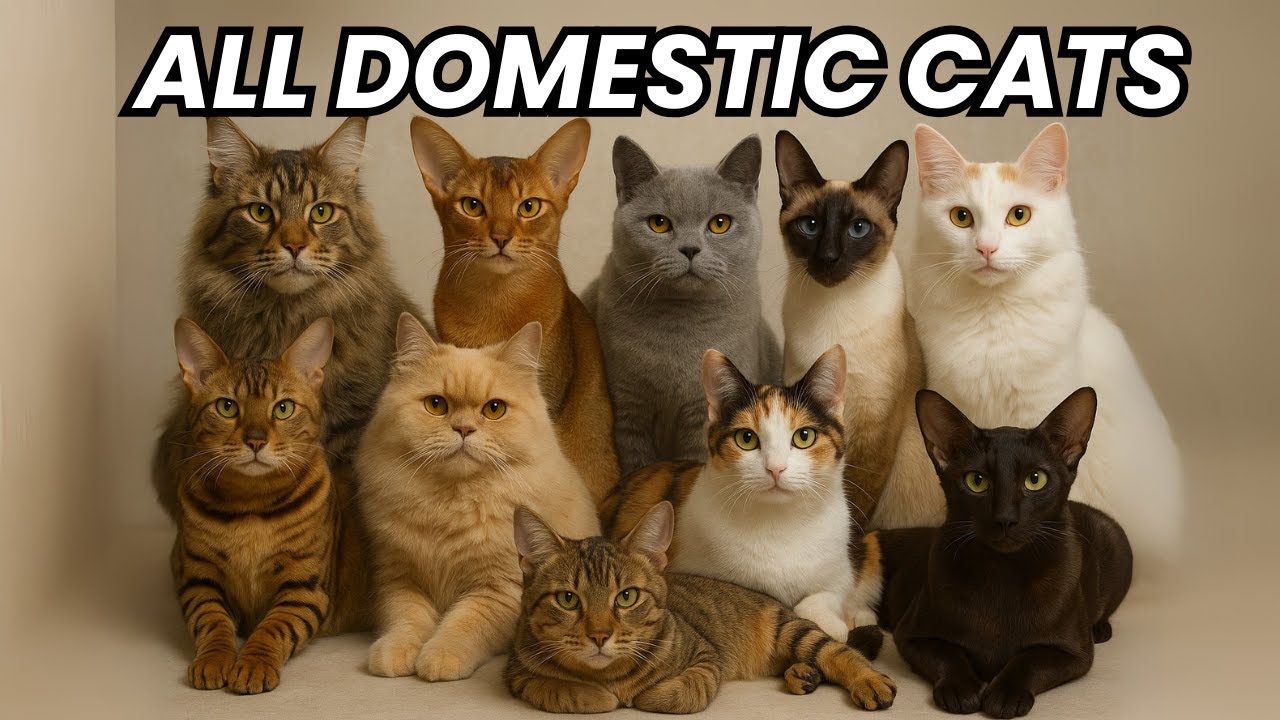
Some breeds need grooming more often than others. Long-haired cats like Persians require weekly grooming. Short-haired cats like Siamese may need grooming once a month. Breeds prone to matting must be checked regularly. Hairless breeds like Sphynx require skin care and bathing. Groomers adjust their routine based on breed traits. Knowing breed needs helps keep cats comfortable and clean.
Common Grooming Challenges
Grooming a cat comes with its unique set of challenges that require patience and skill. Cats can develop mats and tangles quickly, shed in large amounts, and often become stressed during grooming sessions. Understanding these common issues can help you appreciate the careful work pet groomers do to keep cats comfortable and healthy.
Dealing With Mats And Tangles
Mats form when a cat’s fur gets twisted and knotted, especially in long-haired breeds. These can be painful if left untreated and are tough to remove without hurting your cat.
Groomers use special combs and gentle techniques to break apart mats. Sometimes, they need to carefully trim or shave the affected areas to avoid discomfort. Have you noticed your cat avoiding brushing because of painful tangles?
Managing Shedding
Shedding can be overwhelming, especially during seasonal changes. Loose fur not only makes a mess but can cause hairballs and skin irritation for your cat.
Pet groomers tackle shedding by using deshedding tools that reach the undercoat without damaging the top layer. Regular grooming sessions can reduce the volume of shed hair significantly. How often do you brush your cat to keep shedding under control?
Handling Stress In Cats
Many cats dislike grooming and show signs of stress like meowing loudly or trying to escape. Stress can make grooming difficult and unsafe for both the cat and groomer.
Experienced groomers know how to read a cat’s body language and use calming techniques, such as breaks, soft voices, and gentle handling. They might also suggest familiarizing your cat with grooming tools at home to ease anxiety. Could a calmer grooming experience make a difference in your cat’s behavior?
Tips For At-home Cat Grooming
Grooming your cat at home can be a rewarding experience, both for you and your feline friend. Understanding some key techniques can make the process smoother and more enjoyable. Here are a few practical tips to ensure your cat remains both clean and comfortable.
Safe Techniques
When grooming your cat, safety is paramount. Always use a brush designed specifically for cats to avoid damaging their skin or fur. Begin by gently brushing from head to tail, using long strokes to remove loose hair.
Are your cat’s claws clicking on the floor? That might be a sign they need a trim. Use a pair of cat nail clippers to carefully trim the sharp tips, ensuring you avoid the quick, the sensitive part of the nail.
Bathing a cat can be a challenge, but sometimes it’s necessary. Fill the tub with just a few inches of lukewarm water and use a pet-safe shampoo. Speak soothingly to your cat throughout the process to help keep them calm.
When To Seek Professional Help
Sometimes, despite your best efforts, grooming at home might not be enough. If you notice matting that you can’t comb out, it might be time for a professional groomer. They have the tools and expertise to handle tough tangles safely.
Is your cat showing signs of distress during grooming, like excessive meowing or hiding? A professional can help create a more relaxed environment for your pet. Additionally, if your cat has health issues like skin conditions or excessive shedding, a groomer can provide specialized care.
Remember, grooming is not just about keeping your cat looking good. It’s also an opportunity to check for any unusual lumps, bumps, or changes in their skin and coat. When in doubt, don’t hesitate to reach out to a professional.
Frequently Asked Questions
What Services Does A Pet Groomer Provide For Cats?
A pet groomer cleans, brushes, and trims a cat’s fur. They also clip nails, clean ears, and remove mats to keep cats healthy and comfortable.
How Often Should A Cat Be Professionally Groomed?
Most cats benefit from grooming every 4 to 6 weeks. Regular grooming prevents matting, reduces shedding, and promotes good skin health.
Can Groomers Handle Anxious Or Aggressive Cats Safely?
Experienced groomers use gentle techniques and calming tools. They ensure a stress-free, safe grooming session for nervous or aggressive cats.
Why Is Professional Grooming Important For Long-haired Cats?
Long-haired cats need grooming to prevent painful mats and tangles. Grooming also helps avoid skin infections and keeps their coat shiny.
Conclusion
A pet groomer helps keep your cat clean and healthy. They trim fur, clean ears, and clip nails carefully. Grooming also prevents mats and reduces shedding. It helps spot skin problems early. Regular grooming keeps your cat comfortable and happy.
Trusting a groomer supports your cat’s well-being. Simple care makes a big difference in your cat’s life. Regular visits mean a happier, healthier pet. Taking time for grooming shows love and care.

Leave a Reply