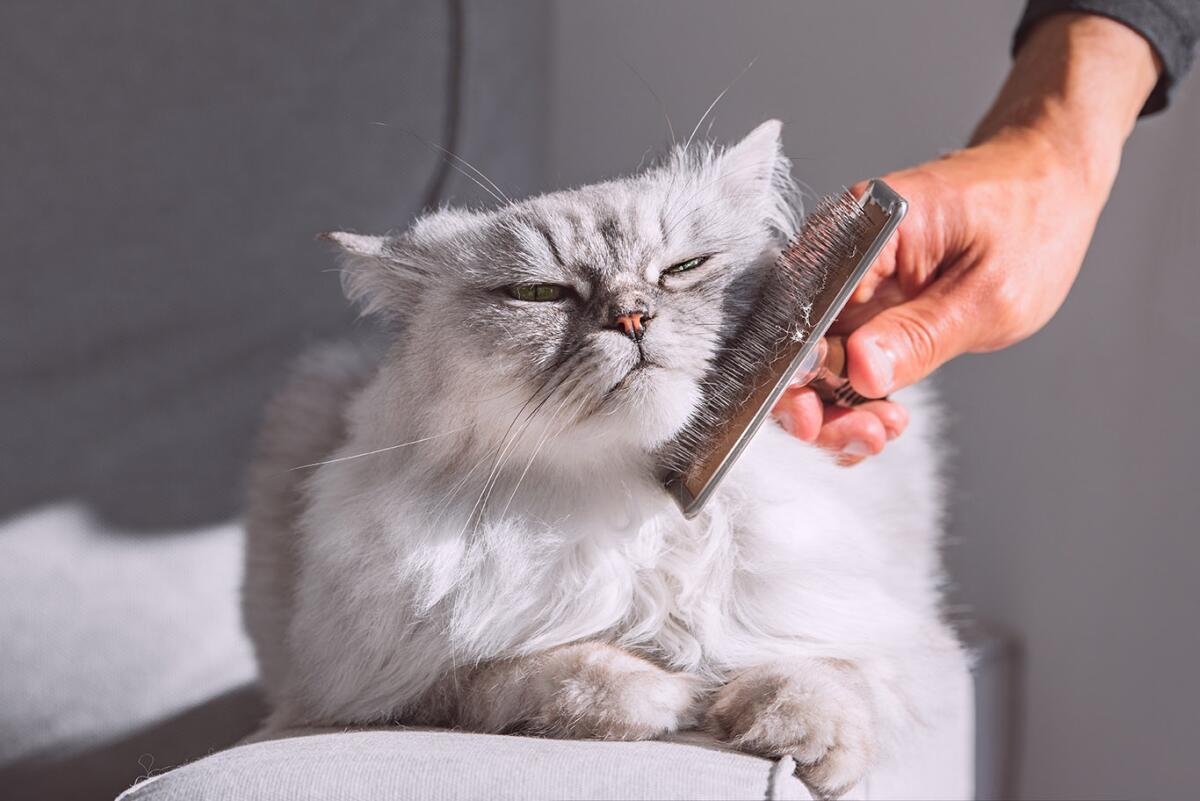
Grooming a long-haired cat at home can feel overwhelming, but it doesn’t have to be. You want your furry friend to look beautiful and stay healthy, and regular grooming is the key.
Imagine how much easier life will be when your cat’s coat is tangle-free, shiny, and soft to the touch. Plus, grooming helps you spot any skin problems early, saving you from costly vet visits. In this guide, you’ll discover simple, effective steps to make grooming a calm and enjoyable experience for both you and your cat.
Ready to become your cat’s favorite groomer? Let’s get started!
Credit: www.purina.com
Choosing The Right Tools
Choosing the right tools makes grooming a long-haired cat easier and safer. The right equipment helps remove tangles, dirt, and loose hair. It also keeps your cat comfortable during grooming sessions. Using poor tools can hurt your cat or damage their fur. Picking quality combs, brushes, nail clippers, and shampoos is important. These tools work well on long fur and maintain your cat’s health.
Combs And Brushes
Long-haired cats need special combs and brushes to prevent mats and tangles. A wide-tooth comb helps gently detangle knots without pulling the fur. Use it before brushing to prepare the coat. A slicker brush removes loose hair and dirt. It also stimulates the skin and spreads natural oils. Choose brushes with soft bristles to avoid irritating your cat’s skin. Regular brushing reduces hairballs and keeps the coat shiny.
Nail Clippers
Keeping your cat’s nails trimmed is part of grooming. Use nail clippers made for cats. These clippers have a small blade designed for delicate nails. Sharp clippers make clean cuts and reduce pain. Avoid using human nail scissors or clippers. They can crush or split the nails. Trim nails carefully, avoiding the quick, which is the sensitive part inside the nail. Regular trimming prevents scratches and helps your cat feel comfortable.
Shampoos And Conditioners
Choose shampoos and conditioners made for cats only. Human products can irritate their skin. Look for gentle, hypoallergenic formulas that clean without drying out fur. Conditioners help keep long hair smooth and tangle-free. Use products that add moisture and shine. Bathing your cat should be a calm experience. Rinse thoroughly to remove all shampoo and conditioner. Clean fur reduces matting and keeps your cat healthy.
Preparing Your Cat
Preparing your long-haired cat for grooming is essential for a smooth experience. Cats feel sensitive during grooming, so preparation helps reduce stress. Taking time to get your cat ready ensures safety and comfort for both of you. Start by creating a calm environment and then focus on getting your cat comfortable.
Creating A Calm Environment
Choose a quiet room with few distractions. Keep noise low to avoid startling your cat. Use soft lighting instead of bright lights. Remove other pets or loud devices from the area. Have all grooming tools ready before you begin. This prevents interruptions and helps your cat stay calm.
Getting Your Cat Comfortable
Spend a few minutes petting your cat gently. Speak in a soft, soothing voice to relax your pet. Offer treats to create positive feelings about grooming. Let your cat explore the grooming tools before using them. Stop and take breaks if your cat shows signs of stress. Patience helps build trust and cooperation during grooming.
Brushing Techniques
Brushing your long-haired cat is more than just a grooming task—it’s a chance to bond and keep your feline friend comfortable. The right brushing techniques can prevent painful mats, reduce shedding, and make grooming a pleasant experience for both of you. Let’s dive into some practical tips that can make brushing easier and more effective.
Detangling Knots
Start by gently feeling your cat’s coat for any tight knots or mats. Use a wide-tooth comb or a specialized detangling brush to work through these areas slowly. If you find a stubborn knot, hold the fur close to the skin to avoid pulling and causing pain.
Have you noticed your cat hiding or avoiding grooming sessions? It could be because of painful mats. Take your time and break knots into smaller sections, brushing each one out carefully. For really tough mats, trimming with scissors might be safer—just be cautious and consider asking your vet if you’re unsure.
Reducing Shedding
Shedding is a natural process, but brushing your cat regularly can help keep loose hair under control. Use a slicker brush or a grooming glove to catch the loose fur before it ends up all over your furniture. Brush in the direction of hair growth for a more comfortable experience.
Try brushing your cat daily or at least several times a week during shedding seasons. This routine not only reduces the amount of hair around your home but also prevents hairballs. Ever wondered why your cat grooms itself so much? Reducing shedding through brushing can ease their self-cleaning efforts and keep their coat healthier.
Handling Sensitive Areas
Long-haired cats often have sensitive spots around the belly, armpits, and behind the ears. Approach these areas with extra care and patience. Use gentle strokes and watch your cat’s reactions to avoid stress or discomfort.
If your cat tenses up or tries to move away, pause and give them a break. You can try distracting them with a treat or a soft voice to make the session more pleasant. Have you ever thought about how your cat’s mood affects grooming? Staying calm and gentle helps build trust and makes future brushing easier.
Bathing Your Cat
Bathing your long-haired cat might feel like a big task, but it’s a key part of keeping their coat shiny and healthy. Unlike short-haired cats, long fur can trap dirt, oils, and loose hair, which can lead to mats and skin problems if not cleaned properly. Getting the timing right and knowing how to handle your cat in the bath can make the experience smoother for both of you.
Frequency And Timing
How often should you bathe your cat? Most long-haired cats only need a bath every 4 to 6 weeks, but this depends on their lifestyle. If your cat goes outdoors or gets into something messy, a bath might be needed sooner.
Choosing the right time matters. Pick a moment when your cat is calm, like after a meal or playtime. Avoid bathing when they’re already stressed or restless, as this can make the process harder.
Safe Bathing Steps
- Prepare everything first: cat shampoo, a cup for rinsing, a towel, and a non-slip mat.
- Use lukewarm water, not hot or cold, to avoid shocking your cat.
- Gently wet your cat’s fur, avoiding the face and ears to prevent irritation.
- Apply a small amount of cat-safe shampoo and lather carefully, focusing on dirty areas.
- Rinse thoroughly to remove all shampoo—leftover soap can cause itching.
- Keep your voice calm and soothing throughout to help your cat feel safe.
Have you noticed how your cat reacts to water? Understanding their cues can help you adjust your approach and keep bath time stress-free.
Drying Tips
Drying your cat properly is just as important as the bath itself. Use a soft towel to pat down the fur gently and absorb as much water as possible.
If your cat tolerates it, a blow dryer on the lowest heat and speed can speed up drying. Keep the dryer moving constantly and hold it a good distance away to avoid overheating the skin.
Never leave your cat wet and cold, especially in cooler weather, as this can make them uncomfortable or sick. Creating a warm, quiet space for drying can also help your cat relax after bath time.
Trimming Nails Safely
Trimming nails gently keeps your cat comfortable and prevents scratches. Use sharp clippers and avoid cutting too close to the quick. Regular nail care supports healthy paws and a calm grooming experience.
Trimming your long-haired cat’s nails safely is an essential part of grooming that helps keep your feline friend comfortable and your furniture intact. A well-timed nail trim can prevent painful breaks and scratches. But how can you ensure you’re doing it right at home?Recognizing The Quick
The quick is a sensitive part of the nail that contains nerves and blood vessels. For cats with lighter-colored nails, the quick is often visible as a pinkish area. However, in cats with dark nails, it can be more challenging to see. You can try shining a flashlight under the nail to make the quick more visible. Always aim to cut just above it to avoid causing pain or bleeding.Proper Clipping Method
Start by choosing the right tool. Cat-specific nail clippers or a small pair of human nail clippers can work well. Gently press each paw to extend the nails. Clip the nail in a swift, decisive motion, trimming only the sharp tip. If you’re unsure, cut less rather than more to avoid any mishaps.Aftercare
After trimming, reward your cat with a treat or some affection. It reinforces positive behavior and helps them associate nail trimming with a pleasant experience. If you accidentally cut into the quick, apply a styptic powder or cornstarch to stop the bleeding. Monitor your cat’s nails regularly to keep them at a healthy length and consider setting a regular schedule for trims. Remember, patience is key. Each cat is unique, and their comfort level with grooming can vary. Have you tried trimming your cat’s nails before? What worked best for you?
Credit: www.petscare.com
Managing Hairballs
Managing hairballs is one of the trickier parts of grooming a long-haired cat. Hairballs happen when your cat swallows loose fur while grooming themselves. These can cause discomfort and sometimes lead to digestive issues if not controlled.
Preventive Grooming
Regular brushing is your best defense against hairballs. Aim to brush your cat daily to remove loose fur before they ingest it.
Use a comb designed for long-haired cats to reach the undercoat where most loose hair hides. I found that brushing my cat every morning not only reduces hairballs but also strengthens our bond.
Check for mats and tangles, as they trap more loose fur. Removing these prevents your cat from swallowing large clumps of hair during self-grooming.
Diet And Hydration Tips
Your cat’s diet plays a big role in hairball control. Foods rich in fiber help move swallowed hair through the digestive tract.
Consider adding special hairball control cat food or supplements with natural fibers. Always consult your vet before changing your cat’s diet.
Hydration is just as important. Make sure your cat drinks plenty of water, as it helps keep the digestive system running smoothly and prevents hair from clumping inside.
Have you noticed your cat licking more after a diet change? Sometimes, adjustments take time but can lead to fewer hairball issues in the long run.
Spotting Skin Issues
Spotting skin issues early helps keep your long-haired cat healthy. Their thick fur can hide problems beneath. Regular checks during grooming reveal signs that need attention. Watch for unusual spots, redness, or flakes on the skin. These signs suggest irritation or infection. Catching problems early makes treatment easier and faster.
Common Problems
- Red, inflamed patches that may itch or burn
- Dry, flaky skin or dandruff flakes in the fur
- Hair loss or bald spots in small or large areas
- Scabs, sores, or wounds that do not heal
- Swelling or lumps under the fur or skin
- Excessive scratching or biting of certain areas
- Oily or greasy skin with a bad smell
- Presence of fleas, ticks, or other parasites
When To Consult A Vet
See a vet if your cat has persistent skin problems. If itching or redness lasts more than a few days, do not wait. Open wounds or bleeding require immediate care. Sudden hair loss or swelling needs professional attention. If your cat shows signs of pain or distress, consult your vet. Early medical help prevents worsening conditions and discomfort.

Credit: pursianpaws.com
Making Grooming A Routine
Grooming a long-haired cat at home can seem daunting. Making it a routine simplifies the process. Routine grooming keeps your cat happy and healthy. It reduces shedding and prevents matting. Consistency is key for success.
Setting A Schedule
Set a regular grooming schedule that fits your lifestyle. Choose a time when your cat is relaxed. Mornings or evenings work best for many. Aim for grooming sessions at least twice a week. Use a calendar to keep track. Consistency helps your cat adjust to the routine.
Rewarding Your Cat
Positive reinforcement is important in grooming. After each session, reward your cat. Use treats they love. Pet and praise them for good behavior. This creates a positive association with grooming. Your cat will look forward to the sessions. Over time, grooming becomes a bonding activity.
Frequently Asked Questions
How Often Should I Groom A Long-haired Cat At Home?
Groom your long-haired cat at least 3-4 times a week. Regular grooming prevents mats and reduces shedding. It also keeps their coat clean and healthy while improving comfort.
What Tools Are Best For Grooming Long-haired Cats?
Use a slicker brush, wide-tooth comb, and grooming scissors. These tools help remove tangles, mats, and loose fur gently. Always choose cat-specific grooming tools to avoid skin irritation.
How Can I Prevent Mats In My Cat’s Fur?
Brush your cat regularly and check for knots daily. Keep the fur clean and dry to avoid matting. If mats form, carefully trim or detangle with a comb.
Is Bathing Necessary For Long-haired Cats?
Bathing is not always required but can help if your cat is dirty. Use cat-safe shampoo and rinse thoroughly. Limit baths to once a month or as needed to avoid skin dryness.
Conclusion
Grooming a long-haired cat at home keeps them healthy and happy. Regular brushing stops mats and tangles from forming. It also helps reduce hairballs and shedding. Use the right tools and stay gentle to avoid hurting your cat. Make grooming a calm and fun time for both of you.
With patience and care, your cat’s coat will stay soft and shiny. Small daily efforts make a big difference in their comfort and health. Keep your cat’s grooming routine simple and consistent for best results.




Leave a Reply