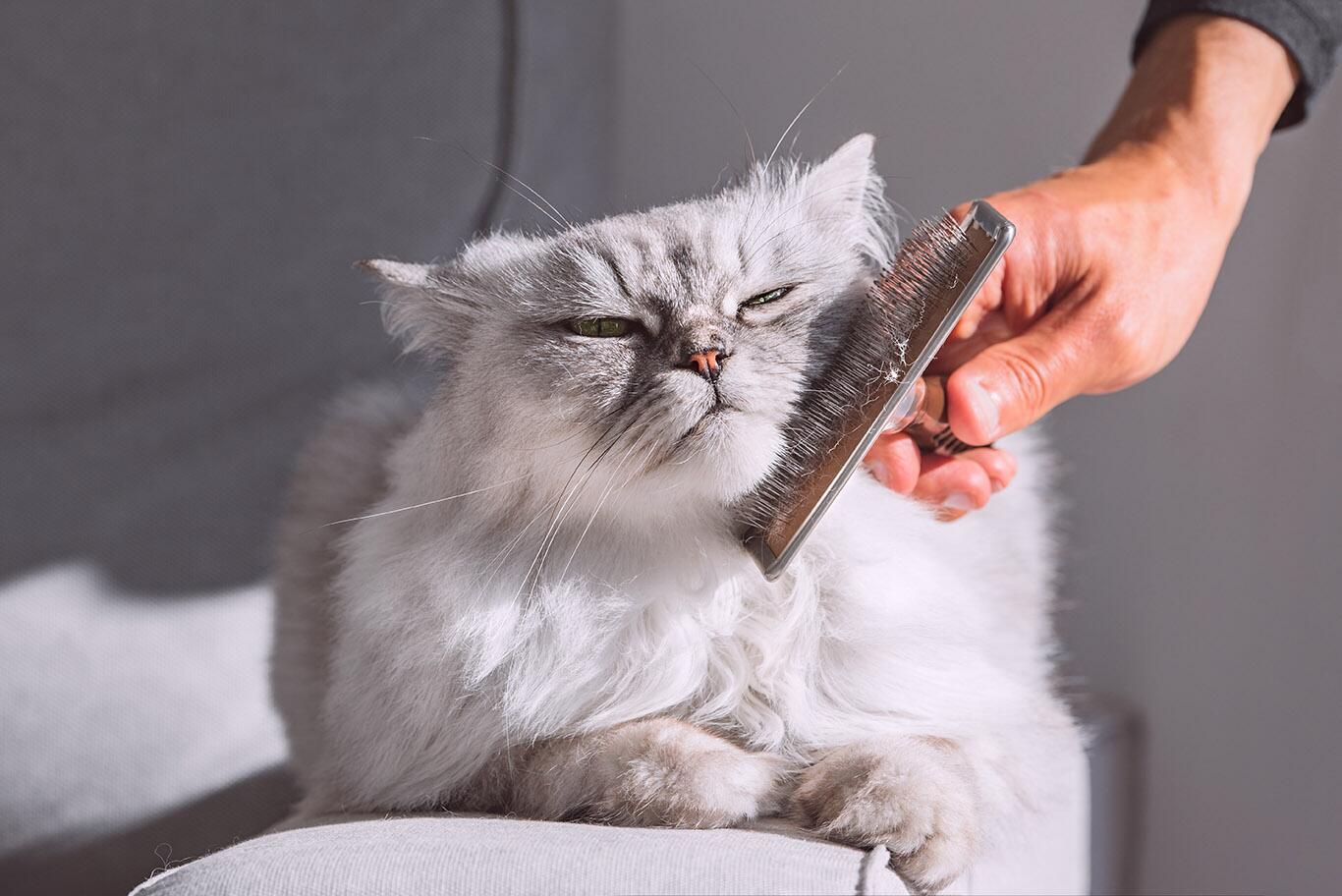
Have you ever wondered if your cat really needs grooming? You might think cats take care of themselves, but there’s more to it than just a quick lick.
Grooming your cat can improve their health, reduce shedding, and even strengthen the bond between you and your furry friend. If you want to keep your cat happy and looking their best, understanding when and how to groom them is key.
Keep reading, and you’ll discover everything you need to know about why grooming matters for your cat’s well-being.
Benefits Of Grooming Cats
Grooming your cat is more than just a way to keep them looking neat. It has multiple benefits that affect their overall health and happiness. By taking time to groom your cat regularly, you help maintain their fur, reduce hairballs, control shedding, and promote healthy skin.
Maintaining Healthy Fur
Regular grooming helps remove dirt, loose hairs, and debris from your cat’s coat. This keeps their fur shiny and smooth, which many cat owners notice right away. When I started brushing my cat twice a week, her coat became noticeably softer and less tangled.
Grooming also distributes natural oils across the fur. These oils protect your cat’s skin and keep the coat waterproof. Have you ever felt how soft a well-groomed cat’s fur can be? That’s the natural oils working their magic.
Preventing Hairballs
Cats groom themselves often, which means they swallow loose fur. This can lead to hairballs, which sometimes cause discomfort or vomiting. By brushing your cat, you remove loose fur before they can swallow it.
Regular grooming reduces the number of hairballs your cat produces. You’ll likely see fewer coughs or hacks related to hairballs. If your cat struggles with hairballs, adding grooming sessions could make a big difference.
Reducing Shedding
Shedding is natural for cats, but it can be overwhelming inside your home. Grooming helps catch loose fur before it falls off furniture or your clothes. This means less cleaning for you and less fur stuck everywhere.
Brushing your cat regularly can control shedding, especially during seasonal changes. It’s a simple way to manage the mess and keep your home cleaner. Do you find yourself constantly vacuuming cat fur? Grooming might lighten that load.
Promoting Skin Health
Grooming isn’t just about fur; it also supports your cat’s skin. Brushing stimulates blood circulation, which can promote healthier skin. It also helps you spot any issues like wounds, parasites, or dry patches early.
When you groom your cat, you get a chance to check their skin closely. Catching problems early can prevent bigger health issues later. Have you noticed any changes in your cat’s skin during grooming sessions? It’s a good habit to keep up.
Grooming Needs By Cat Type
Cats have different grooming needs based on their fur length and age. Understanding these needs helps keep them healthy and comfortable. Grooming also prevents hairballs and skin problems. Each type of cat benefits from a specific grooming routine.
Long-haired Cats
Long-haired cats need daily brushing to avoid mats and tangles. Their thick fur traps dirt and debris easily. Regular grooming helps reduce shedding and hairballs. Baths are occasional but useful for very dirty fur. Pay attention to areas behind ears and under legs. These spots collect the most knots.
Short-haired Cats
Short-haired cats require less grooming but still benefit from weekly brushing. Brushing removes loose hair and stimulates the skin. It also helps spread natural oils for a shiny coat. Bathing is rarely needed unless the cat gets very dirty. Short-haired cats usually groom themselves well.
Senior Cats
Older cats may groom less due to arthritis or dental issues. Their fur can become matted or greasy. Gentle grooming sessions help keep their coat clean and comfortable. Use soft brushes to avoid hurting sensitive skin. Check for lumps, bumps, or skin changes during grooming. Senior cats need extra care and attention.
Essential Grooming Tools
Grooming keeps cats clean and healthy. It removes loose fur and dirt. Grooming also helps spot health issues early. Using the right tools makes grooming easier and safer for cats. These tools suit different needs like brushing, nail care, and cleaning.
Brushes And Combs
Brushes and combs remove loose hair and prevent mats. Choose a brush based on your cat’s fur type. Short-haired cats do well with soft-bristle brushes. Long-haired cats need wide-toothed combs to untangle fur. Regular brushing reduces shedding and hairballs.
Nail Clippers
Nail clippers keep your cat’s claws short and safe. Trim nails to stop scratching and damage to furniture. Use clippers made for small pets. Cut just the sharp tip to avoid hurting the quick. Regular nail care keeps cats comfortable.
Ear Cleaners
Ear cleaners remove dirt and wax buildup. Use gentle solutions made for cats. Avoid using cotton swabs inside the ear canal. Clean ears help prevent infections and discomfort. Check ears regularly for redness or bad smell.
Shampoos And Wipes
Shampoos and wipes clean your cat’s fur and skin. Use shampoos designed for cats; human products can irritate. Wipes work well for quick cleanups or sensitive cats. Bathing too often can dry out the skin. Use grooming wipes to keep fur fresh between baths.

Credit: www.latimes.com
Step-by-step Grooming Routine
Grooming your cat regularly isn’t just about keeping them looking good—it plays a big role in their health and happiness. Establishing a clear grooming routine can make the whole process easier and less stressful for both you and your furry friend. Let’s break down the key grooming tasks so you can feel confident handling each one.
Brushing Techniques
Choose a brush suitable for your cat’s fur length and type. Short-haired cats usually do well with a rubber brush, while long-haired cats benefit from a wide-toothed comb or slicker brush.
Start brushing gently along the direction of hair growth. Watch for mats or tangles and work them out slowly—never pull harshly, as this can hurt your cat.
Try brushing during quiet moments, like while watching TV. This helps your cat associate grooming with relaxation. Have you noticed your cat’s mood change after a good brushing session?
Bathing Tips
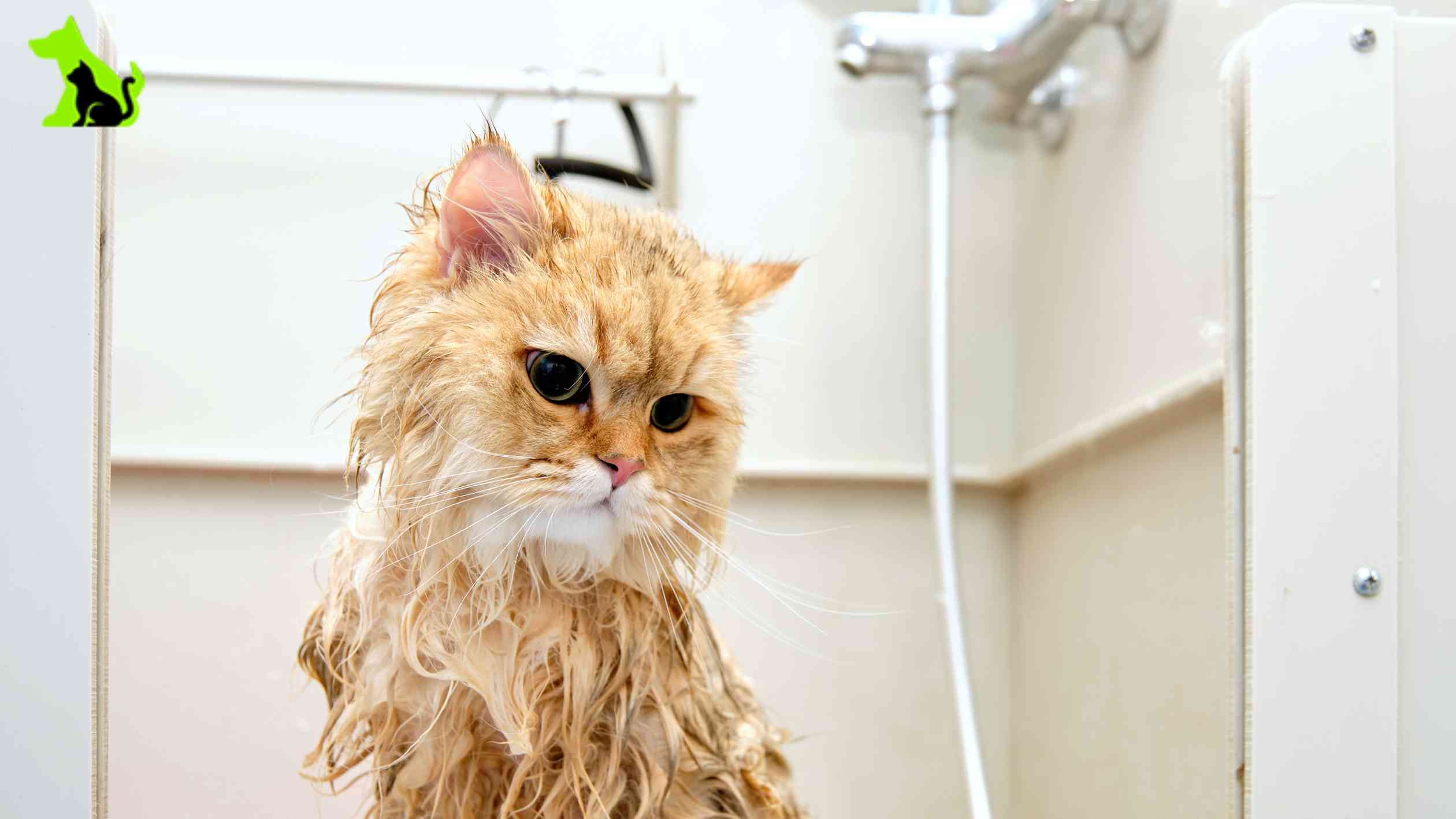
Many cats dislike water, so make baths quick and calm. Use lukewarm water and a cat-safe shampoo designed to protect their skin.
Before the bath, brush your cat to remove loose fur. This reduces shedding and makes washing easier.
Keep a non-slip mat in the sink or tub and hold your cat gently but firmly. Speak softly to keep them calm. How do you usually help your cat feel safe during bath time?
Nail Trimming Guide
Use a pair of sharp, cat-specific nail clippers. Hold your cat’s paw gently and press the pad to extend the nail.
Trim only the clear, white part of the nail. Avoid the pink area called the quick, as cutting it causes pain and bleeding.
If your cat resists, try trimming just one or two nails at a time. Reward them with treats to create a positive experience. Have you found any tricks that make nail trimming easier?
Ear Cleaning Process
Check your cat’s ears weekly for dirt, wax, or odor. Use a cotton ball or soft cloth dampened with a vet-recommended ear cleaner.
Gently wipe the visible parts of the ear without pushing deep inside. Avoid using cotton swabs, as they can damage the ear canal.
If you notice redness, swelling, or a bad smell, consult your vet. Regular ear checks can prevent infections before they start. How often do you inspect your cat’s ears?
Common Grooming Challenges
Cats often face grooming challenges like tangled fur and shedding. Regular grooming keeps their coat healthy and reduces hairballs. Professional grooming can help manage these issues effectively.
Grooming your cat can be a rewarding experience, but it often comes with its own set of challenges. Whether it’s handling an anxious feline or tackling those stubborn mats, each grooming session can feel like an adventure. Understanding these common grooming challenges can help transform your grooming routine into a more pleasant and stress-free experience for both you and your cat.Handling Anxious Cats
Cats can be quite sensitive, especially when it comes to grooming. If your cat gets anxious during grooming, try creating a calm environment. Use soothing tones and gentle strokes to ease their fears. Consider grooming your cat in short sessions. This can help your cat gradually get used to the process without overwhelming them. Some cats respond well to treats or toys, which can be a good distraction and a positive reinforcement.Dealing With Mats And Tangles
Mats and tangles are not just unsightly; they can be uncomfortable for your cat. Regular brushing can prevent these issues from getting out of hand. Use a detangling spray or a specialized comb to gently work through the knots. If mats are particularly stubborn, you may need to carefully cut them out. Ensure you are using sharp, safe grooming scissors and always be cautious not to cut your cat’s skin. Sometimes, seeking professional help might be the best option to avoid potential harm.Avoiding Skin Irritations
Skin irritations can make grooming a dreaded task for your cat. Always use grooming products specifically designed for cats to minimize the risk of allergic reactions. Be gentle during brushing and avoid pulling on the hair too hard. Observe your cat’s skin regularly for any signs of redness or rashes. If you notice any, consult with your vet to address the issue promptly. Keeping your cat’s skin healthy is crucial for a happy grooming experience. Have you ever encountered these grooming challenges with your cat? What strategies have worked best for you? Share your experiences and help fellow cat owners improve their grooming practices.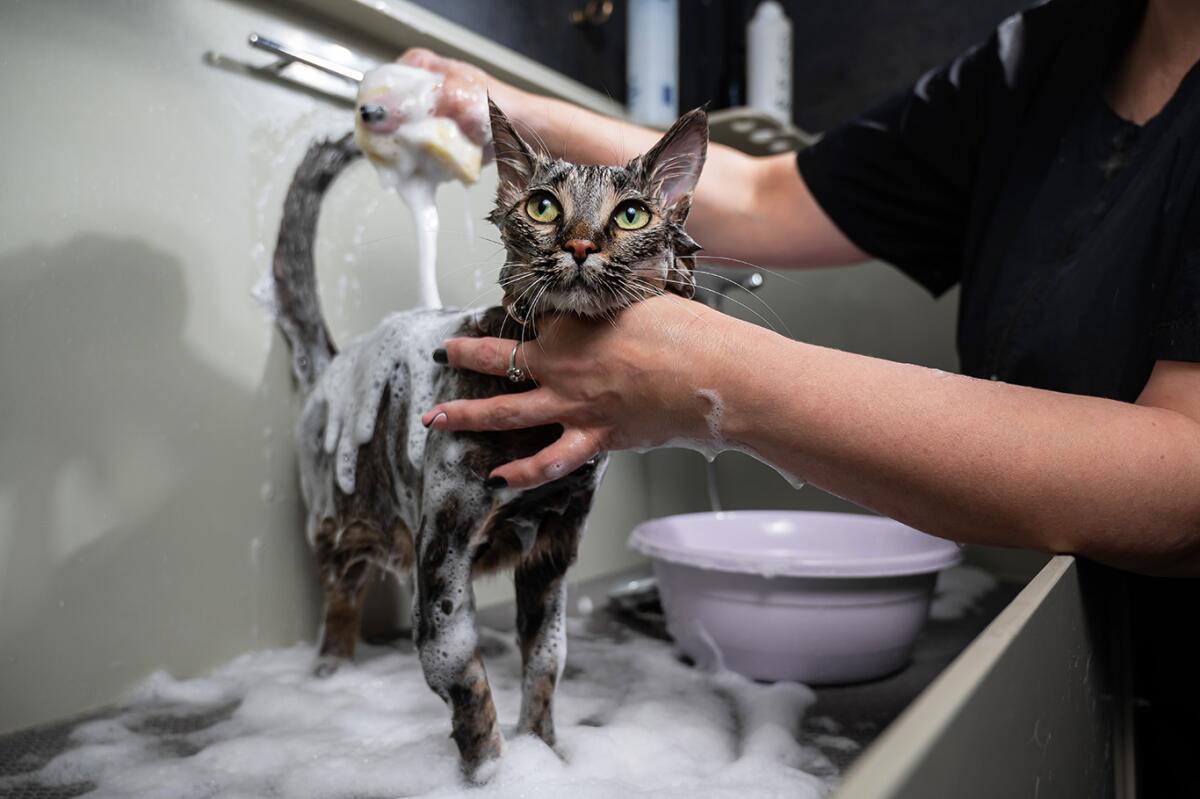
Credit: www.latimes.com
When To Seek Professional Grooming
Knowing when to seek professional grooming for your cat can improve its health and comfort. Some cats manage their grooming well alone. Others may need extra care to avoid mats, dirt, or skin problems.
Professional groomers have skills and tools for a deep, safe clean. They can handle difficult grooming tasks that owners may find hard. Recognizing the right time for grooming can prevent serious issues.
Signs Your Cat Needs Help
- Thick mats or tangles in fur that pull on the skin
- Strong odors from the coat or skin
- Excessive shedding and fur loss
- Visible dirt or debris stuck in fur
- Scratching or biting at the skin often
- Difficulty moving due to fur caught in joints
- Changes in behavior or signs of discomfort
Choosing A Groomer
Select a groomer who knows cat behavior and safety. Check for experience with cats specifically, not just dogs. Look for clean, calm grooming spaces to reduce stress. Ask about grooming methods and tools used. Read reviews or get recommendations from other cat owners. Visit the groomer beforehand to meet staff and observe the environment.
Frequency Of Professional Care
Frequency depends on your cat’s breed, coat type, and health. Long-haired cats often need grooming every 4 to 6 weeks. Short-haired cats may require professional help less often, about every 8 to 12 weeks. Older or sick cats might need more frequent attention. Regular grooming keeps skin healthy and fur shiny.
Grooming And Overall Cat Wellness
Grooming plays a key role in your cat’s overall health and happiness. It is more than just keeping fur clean and shiny. Regular grooming helps spot health problems early, builds trust, and deepens your bond. These benefits support your cat’s wellness every day.
Spotting Health Issues Early
Grooming lets you check your cat’s skin and coat closely. You can notice fleas, ticks, or rashes before they get worse. Look for lumps, bumps, or wounds that need a vet’s attention. Early detection saves your cat from pain and costly treatments.
Building Trust Through Grooming
Gentle grooming creates a calm and safe space for your cat. It helps your cat feel comfortable with touch. Regular sessions teach your cat to trust you more. This trust makes future care easier and less stressful.
Enhancing Bond With Your Cat
Grooming time is a chance to connect and relax together. It shows your cat you care about their comfort. The quiet moments strengthen your relationship. Your cat feels loved and secure, improving their mood and behavior.
Credit: hellopetsinc.com
Frequently Asked Questions
Why Is Grooming Important For Cats?
Grooming helps remove dirt, loose fur, and prevents matting. It also reduces hairballs and keeps the coat healthy. Regular grooming improves skin condition and strengthens the bond between you and your cat.
How Often Should Cats Be Groomed?
Most cats benefit from grooming once or twice a week. Long-haired breeds may need daily grooming to avoid tangles. Adjust frequency based on your cat’s coat type and shedding patterns.
Can Grooming Prevent Cat Hairballs?
Yes, grooming reduces loose hair that cats ingest during self-cleaning. Brushing regularly minimizes hairballs and related digestive issues. It’s an effective way to keep your cat comfortable and healthy.
Are There Health Risks If Cats Aren’t Groomed?
Lack of grooming can cause matting, skin infections, and discomfort. It may lead to excessive shedding and hairballs. Regular grooming helps detect parasites and skin problems early.
Conclusion
Cats benefit from regular grooming for health and comfort. Grooming helps remove dirt, loose hair, and prevents mats. It also supports skin health and reduces shedding. Cats with long fur need grooming more often than short-haired cats. Many cats enjoy gentle brushing as a bonding time.
Always use proper tools and be patient with your cat. Regular grooming keeps your cat happy and clean. Small efforts can make a big difference in your cat’s life. Think of grooming as a simple way to care for your pet.




Leave a Reply