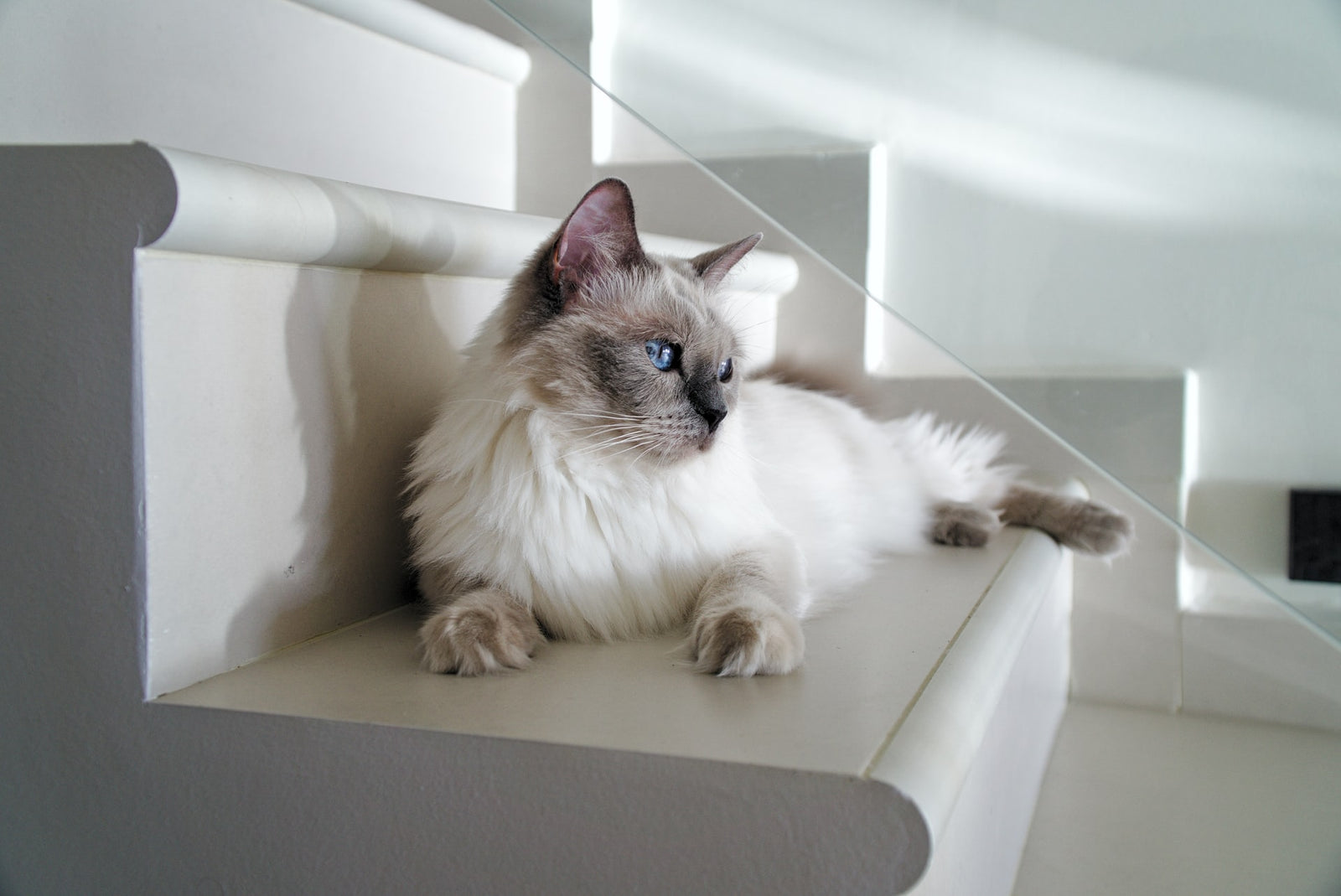
If you have a Ragdoll cat or are thinking about getting one, you probably want to know how to keep your furry friend healthy and happy. Ragdolls are known for their gentle nature and beautiful looks, but like all pets, they can face certain health challenges.
Knowing what health issues your Ragdoll might be prone to can help you spot problems early and give your cat the best care possible. Keep reading to discover the common health concerns for Ragdoll cats and learn how you can protect your beloved companion.
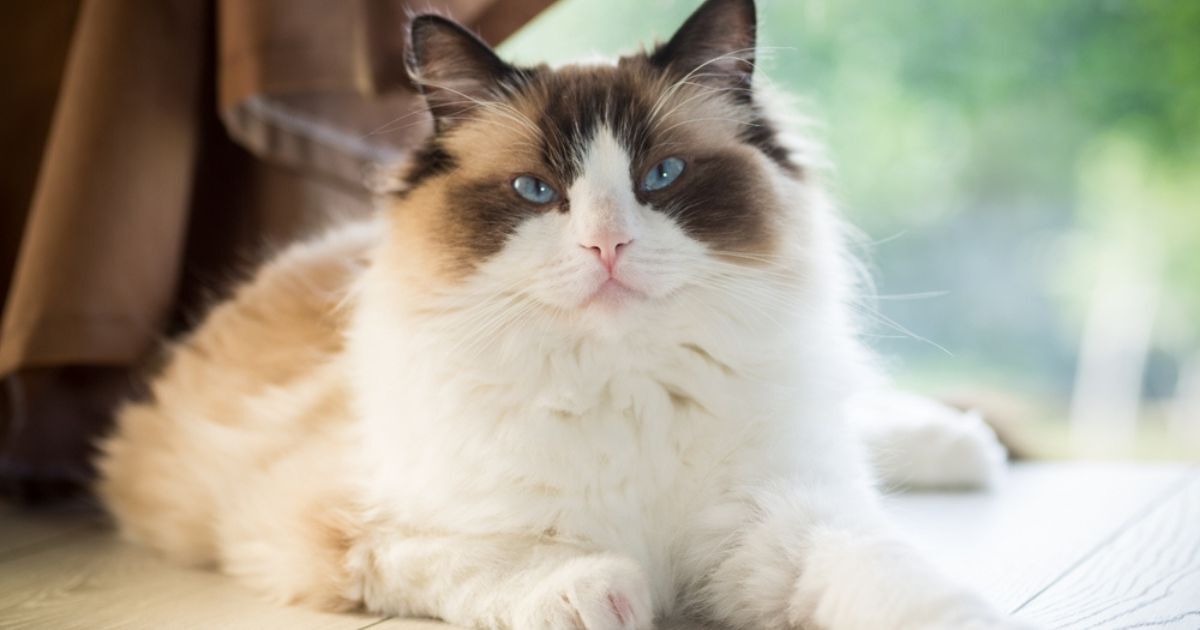
Credit: www.pumpkin.care
Common Health Risks
Ragdoll cats are known for their gentle nature and beautiful looks. Despite their charm, they have some common health risks. Understanding these risks helps owners provide better care. Early detection and regular vet visits can make a big difference.
Hypertrophic Cardiomyopathy
Hypertrophic Cardiomyopathy (HCM) is a heart disease common in Ragdolls. It causes the heart muscle to thicken. This makes it harder for the heart to pump blood efficiently. Symptoms include lethargy, difficulty breathing, and fainting. Regular heart check-ups can catch HCM early.
Polycystic Kidney Disease
Polycystic Kidney Disease (PKD) affects the kidneys by causing cysts to form. These cysts can damage the kidneys over time. PKD may lead to kidney failure if untreated. Signs include weight loss, increased thirst, and frequent urination. Early screening helps manage this condition.
Bladder Stones
Bladder stones are solid crystals that form in the bladder. They can cause pain and difficulty urinating. Ragdolls with bladder stones may show blood in urine or frequent trips to the litter box. Treatment often involves diet changes or surgery. Keeping your cat hydrated helps prevent stones.
Feline Infectious Peritonitis
Feline Infectious Peritonitis (FIP) is a serious viral disease. It affects the immune system and causes fluid buildup in the abdomen or chest. Symptoms include fever, weight loss, and swelling. FIP is often fatal, but early diagnosis can improve care options.
Genetic Factors
Genetic factors play a crucial role in the health of Ragdoll cats. These factors can influence the likelihood of certain inherited diseases and conditions. Understanding these genetic risks can help you take better care of your pet and make informed decisions about their health.
Inherited Conditions
Ragdolls are known to be prone to several inherited health issues. One common condition is hypertrophic cardiomyopathy (HCM), a heart disease that can lead to heart failure. This disease often shows no symptoms until it becomes severe, making regular veterinary check-ups essential for early detection.
Another inherited concern is polycystic kidney disease (PKD), which can cause kidney failure over time. Some Ragdolls may also develop bladder stones or urinary tract issues linked to genetics. Do you know your cat’s family health history? Asking breeders or previous owners can provide valuable insight.
Breeding And Health
Breeding practices have a direct impact on the genetic health of Ragdoll cats. Responsible breeders perform health screenings to reduce the risk of passing on genetic disorders. They test for conditions like HCM and PKD before allowing cats to breed, helping to produce healthier kittens.
Unfortunately, some breeders prioritize appearance over health, which can increase the chance of genetic problems. If you are considering adding a Ragdoll to your family, make sure you ask about health tests and see documentation. Would you trust a breeder who can’t provide clear health records?
Symptoms To Watch For
Ragdoll cats can face certain health problems. Noticing symptoms early helps keep them healthy. Watch for any changes in behavior and physical health. Quick action can prevent serious issues and improve their quality of life.
Behavioral Changes
Ragdolls usually have calm, gentle personalities. Sudden changes in behavior may signal health problems. Look for signs like:
- Less activity or reluctance to move
- Increased hiding or avoidance
- Changes in appetite or drinking habits
- Unusual aggression or irritability
- Excessive vocalization or restlessness
These signs can indicate pain, discomfort, or illness.
Physical Signs
Physical symptoms can reveal many health issues. Check your cat regularly for:
- Weight loss or gain
- Swelling or lumps on the body
- Difficulty breathing or coughing
- Changes in fur quality or bald patches
- Red or watery eyes
- Vomiting or diarrhea
- Excessive scratching or licking
These signs may point to infections, allergies, or other illnesses.
When To Visit A Vet
Seek veterinary care immediately if your cat shows:
- Sudden loss of appetite or water intake
- Difficulty breathing or constant coughing
- Severe vomiting or diarrhea lasting more than 24 hours
- Signs of pain like limping or vocal distress
- Unconsciousness or seizures
Regular vet check-ups help catch problems early. Early treatment improves recovery chances.

Credit: felinefancy.co.uk
Preventive Care Tips
Taking good care of Ragdoll cats helps prevent many common health problems. Simple steps keep them happy and healthy for a long time. Focus on regular checkups, good food, and enough exercise. These habits support their well-being and catch issues early.
Regular Vet Checkups
Visit the vet at least twice a year. Early detection of health issues is vital. Vaccinations, parasite control, and dental care protect your cat. Your vet can spot signs of heart or kidney problems. Regular exams keep your Ragdoll in top shape.
Balanced Diet
Feed your cat high-quality food made for their needs. A balanced diet supports strong bones and shiny fur. Avoid overfeeding to prevent obesity, a common risk for Ragdolls. Fresh water should always be available. Consult your vet for diet advice tailored to your cat.
Exercise And Activity
Encourage daily play to keep muscles strong and joints flexible. Use toys and climbing trees to engage your cat. Exercise helps prevent weight gain and boredom. Active cats have better mental and physical health. Make playtime a fun part of your routine.
Managing Chronic Conditions
Ragdoll cats often face heart disease and kidney problems. Regular vet visits help detect these early. Proper care keeps them healthy and happy.
Managing chronic conditions in Ragdoll cats is essential for maintaining their quality of life. These gentle giants are susceptible to certain health issues such as hypertrophic cardiomyopathy (HCM) and urinary tract problems. By understanding how to manage these conditions, you can ensure your Ragdoll remains happy and healthy.Medication Options
Medications can be a crucial part of managing chronic conditions in Ragdoll cats. Depending on the ailment, your vet might prescribe medications to ease symptoms or slow disease progression. For example, beta-blockers are often used to manage heart conditions like HCM. It’s important to follow the vet’s instructions carefully. Regular check-ups will help monitor your cat’s response to the medication. Have you noticed any side effects? Always report them to your vet immediately.Lifestyle Adjustments
Lifestyle changes can significantly impact your Ragdoll’s health. A balanced diet tailored to their specific needs can support overall well-being. Cats with urinary issues may benefit from a diet rich in moisture. Exercise is another critical aspect. Engage your Ragdoll in light play to encourage movement without overexertion. Have you ever considered interactive toys? They can be a great way to stimulate both mind and body.Supportive Care
Supportive care involves creating a comforting environment that accommodates your cat’s health needs. Soft bedding can help ease joint pain. Ensure their litter box is easily accessible, especially for cats with mobility issues. Consider stress-reducing techniques like pheromone diffusers. These can help keep your Ragdoll calm and content. What small changes can you make today to enhance your cat’s comfort? By focusing on these aspects, you can effectively manage chronic conditions in Ragdoll cats, giving them the best possible quality of life.
Credit: www.pumpkin.care
Frequently Asked Questions
What Common Health Problems Affect Ragdoll Cats?
Ragdoll cats are prone to hypertrophic cardiomyopathy, bladder stones, and kidney issues. Regular vet checkups help detect these early. Proper diet and exercise also support their health.
How Can I Prevent Heart Disease In Ragdoll Cats?
Regular veterinary screenings and genetic testing help identify heart disease risks. Feeding a balanced diet and avoiding obesity reduce strain on their heart.
Are Ragdoll Cats Prone To Genetic Health Issues?
Yes, Ragdolls may inherit hypertrophic cardiomyopathy and polydactyly. Responsible breeding practices minimize these risks significantly.
What Symptoms Indicate Health Problems In Ragdoll Cats?
Watch for lethargy, weight loss, difficulty breathing, or changes in urination. Early vet visits ensure timely diagnosis and treatment.
Conclusion
Ragdoll cats need special care to stay healthy. Watch for signs of heart or kidney problems. Regular vet visits help catch issues early. Feeding them good food supports their well-being. Keep their environment calm and safe. Knowing these health risks helps you protect your pet.
Love and care go a long way. Healthy cats make happy companions. Stay alert, be patient, and enjoy your Ragdoll’s company.


Leave a Reply