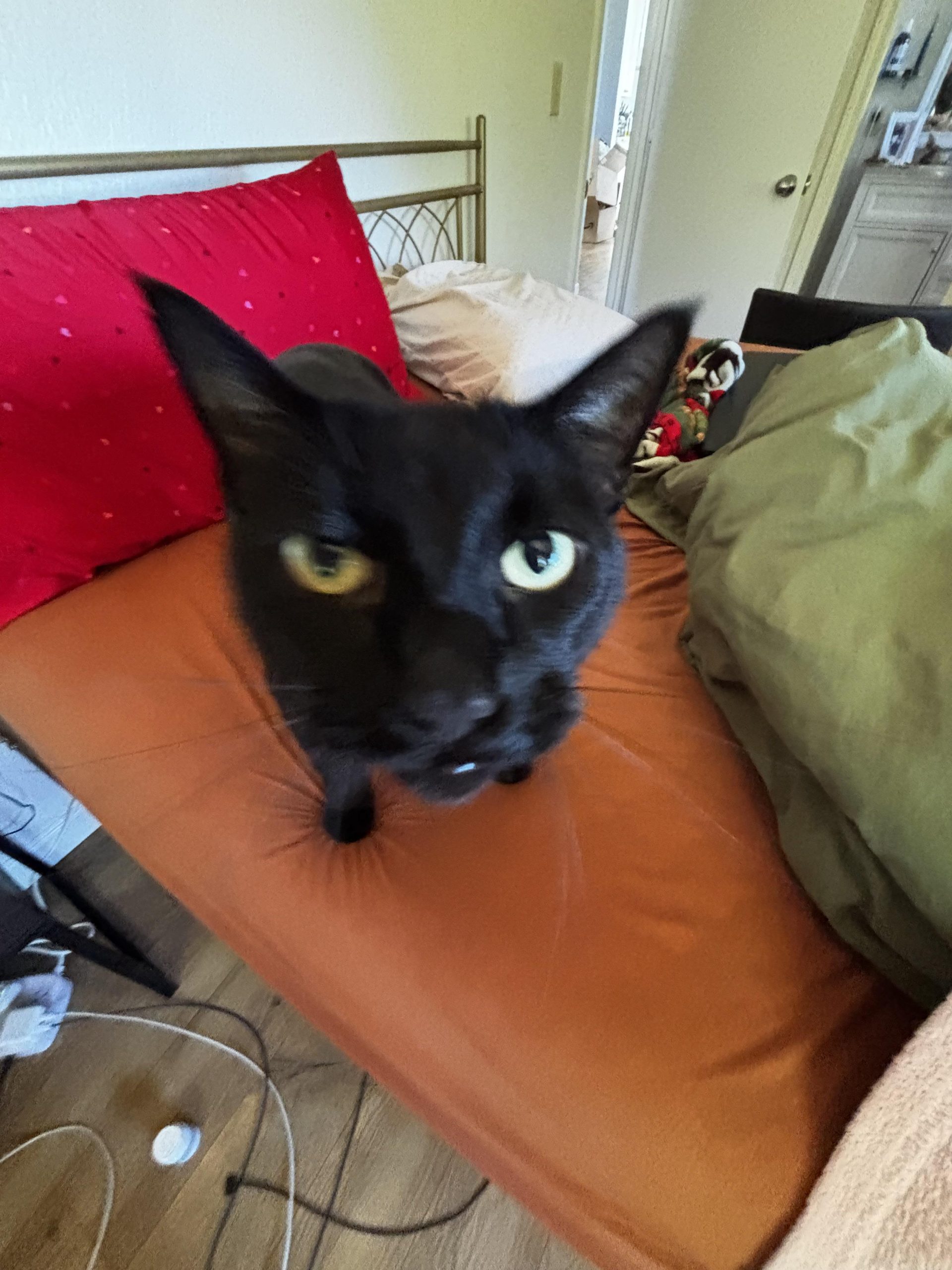
Have you noticed your cat licking or biting his belly more than usual? It might seem like normal grooming, but when your furry friend focuses too much on that spot, it could be a sign of something deeper.
You want your cat to be happy and healthy, and understanding why he’s over grooming his belly is the first step. Keep reading to discover the surprising reasons behind this behavior and how you can help your cat feel comfortable again.
Signs Of Over Grooming
Recognizing the signs of over grooming in your cat helps prevent serious health problems. Cats groom themselves to stay clean and calm, but too much licking can cause harm. Over grooming may signal stress, allergies, or skin issues. Watch your cat closely for these warning signs.
Spotting Excessive Licking
Excessive licking is more than normal cleaning. Your cat may lick the belly repeatedly in short bursts or for long periods. Look for wet or shiny fur patches. The skin might appear red or irritated. Listen for sounds of constant licking or biting at the same spot.
Common Areas Affected
The belly is a frequent area for over grooming, but other spots suffer too. Check these places:
- Under the front legs
- Inner thighs
- Behind the ears
- Base of the tail
Hair loss and raw skin show over grooming. These areas may bleed or have scabs.
Behavioral Changes To Watch
Changes in behavior can hint at over grooming causes. Your cat may seem restless or anxious. It might hide more than usual or avoid petting. Some cats become aggressive or vocal. These shifts can link to discomfort or stress triggering over grooming.
Possible Causes
Understanding why your cat is over grooming his belly is crucial for his health and happiness. Over grooming often signals an underlying issue that needs your attention. Identifying the possible causes can help you take the right steps to provide relief and prevent further problems.
Allergies And Skin Irritations
Allergies are a common trigger for excessive grooming in cats. Your cat might be reacting to something in his environment, such as pollen, dust, or certain foods. Skin irritations caused by contact with chemicals, plants, or even flea bites can also make your cat lick or bite his belly more than usual.
Have you noticed redness, swelling, or bald patches on his belly? These signs often accompany allergic reactions. Checking your cat’s surroundings and diet can help you pinpoint potential allergens.
Parasites And Infections
Parasites like fleas, mites, or ticks often cause itching and discomfort, leading to over grooming. Even if you don’t see the parasites right away, their presence can cause serious irritation. Infections, whether bacterial or fungal, can also cause your cat to focus grooming on his belly to soothe the affected area.
If you spot scabs, sores, or an unpleasant odor, it’s time to get your cat checked by a vet. Parasite prevention treatments and proper hygiene are essential to stop this cycle.
Stress And Anxiety Factors
Stress is a less obvious but powerful cause of over grooming. Changes in routine, new pets, loud noises, or even boredom can make your cat groom excessively as a coping mechanism. This behavior is similar to how some people bite their nails when anxious.
Have you recently moved or introduced a new family member? Observing your cat’s environment and providing calming toys or safe spaces can reduce stress-induced grooming.
Underlying Medical Conditions
Sometimes, over grooming points to deeper health issues like hormonal imbalances or pain from arthritis. Cats may lick their belly to relieve discomfort caused by internal problems. Conditions such as hyperthyroidism or allergies linked to the immune system can also be the root cause.
If your cat’s grooming seems obsessive and persistent, a thorough veterinary examination is necessary. Diagnosing and treating underlying conditions will help your cat feel better and stop the over grooming habit.
Diagnosing The Issue
Diagnosing why a cat over grooms his belly is important for proper treatment. Over grooming can signal health or behavioral problems. Careful diagnosis helps find the root cause quickly. Early detection prevents further skin damage and stress for your cat.
Veterinary Examination
A vet will start with a full physical checkup. They look for redness, sores, or hair loss on the belly. The vet examines your cat’s coat and skin closely. They check for signs of fleas, ticks, or infections. A thorough exam helps rule out common causes of itching and irritation.
Skin Tests And Allergy Screening
Skin tests identify allergies or infections causing over grooming. The vet may take skin scrapings or samples. These tests check for mites, fungi, or bacteria. Allergy screening finds reactions to food or environment. Knowing allergies helps create a safe, comfortable space for your cat.
Behavioral Assessment
Behavioral issues can trigger over grooming too. The vet or a specialist watches your cat’s habits. Stress, boredom, or anxiety often cause excessive licking. They consider changes in the home or routine that affect your cat. Understanding behavior guides effective calming strategies and care.

Credit: www.reddit.com
Home Remedies To Try
Stress or skin irritation often causes cats to over groom their bellies. Gentle home remedies like soothing baths and calm environments can help reduce this behavior. Observing your cat closely may reveal triggers that need attention.
If you’ve noticed your cat obsessively grooming his belly, you’re not alone. This behavior can be concerning, but there’s good news: there are several home remedies you can try to help your furry friend. These remedies focus on soothing their skin, enriching their environment, and adjusting their diet, offering a holistic approach to alleviate their discomfort.Soothing Baths And Topical Treatments
A gentle bath can work wonders. Use a mild, cat-friendly shampoo to soothe irritated skin. Be sure to rinse thoroughly, as residue can cause further irritation. Consider topical treatments, such as aloe vera gel, to moisturize and heal the skin. Aloe vera is natural and safe for cats, but always check with your vet before applying anything new.Environmental Enrichment
Boredom and stress can lead to over-grooming. Increase interactive playtime with toys that stimulate your cat’s hunting instincts. Provide scratching posts and climbing trees to keep them engaged. A well-enriched environment can reduce stress and curtail compulsive grooming.Dietary Adjustments
Food allergies might be the culprit behind your cat’s excessive grooming. Experiment with hypoallergenic or grain-free diets to see if there’s an improvement. Ensure your cat’s diet is rich in Omega-3 and Omega-6 fatty acids, which promote healthy skin and fur. Consult your vet to tailor a diet plan that suits your cat’s needs. Are you ready to help your cat find relief? Small changes can make a big difference in their well-being.When To See A Vet
Knowing when to seek veterinary care for your cat’s over grooming is crucial. Over grooming can sometimes be a sign of an underlying health problem that needs professional attention. If you notice certain signs or behaviors, don’t hesitate to get your cat checked by a vet promptly.
Signs That Require Immediate Attention
Watch for open sores, bleeding, or intense redness on your cat’s belly. These symptoms suggest irritation or infection that needs quick treatment.
If your cat is excessively licking to the point of hair loss or skin damage, that’s a red flag. Also, sudden changes in behavior such as hiding or aggression can indicate pain or discomfort.
Are you seeing swelling or discharge? This could mean an abscess or allergic reaction, both of which require urgent veterinary care.
Treatment Options Available
Once at the vet, they may perform skin tests or blood work to identify allergies, parasites, or infections.
Treatment can include medicated shampoos, antibiotics, or anti-inflammatory medications to ease your cat’s discomfort.
Sometimes, the vet might recommend an Elizabethan collar to prevent your cat from further harming the skin while it heals.
Long-term Management Strategies
Managing over grooming often means addressing the root cause, which can be allergies, stress, or parasites.
You might need to adjust your cat’s diet or environment to reduce allergens and stress triggers.
Regular follow-ups with your vet help monitor progress and tweak treatments as needed. Have you considered tracking your cat’s grooming patterns daily to spot early changes before they worsen?

Credit: www.reddit.com
Preventing Over Grooming
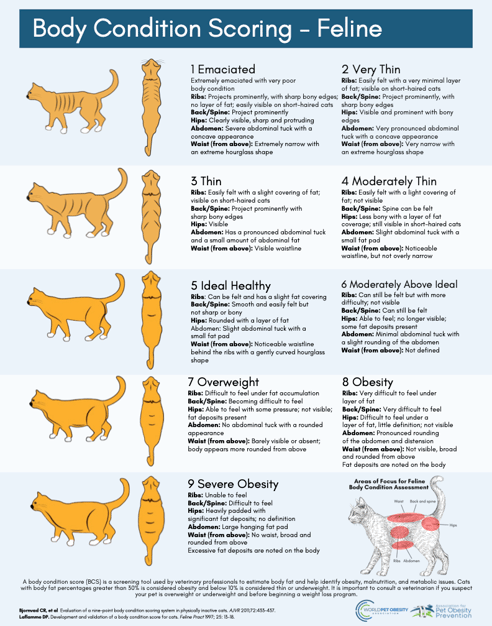
Preventing over grooming in cats is crucial for their well-being. Over grooming can lead to skin damage and discomfort. Taking early steps helps keep your cat healthy and happy.
Regular Health Checks
Schedule frequent visits to the vet. Health issues like allergies or parasites can cause over grooming. Early detection helps treat these problems before they worsen. Keep an eye on any changes in your cat’s behavior or skin condition.
Stress Reduction Techniques
Stress often triggers excessive grooming. Create a calm space for your cat to relax. Use gentle play and soothing sounds to lower stress. Consistent routines help your cat feel safe and secure.
Maintaining A Healthy Environment
Clean the litter box regularly and provide fresh water. Avoid strong scents that might upset your cat. Ensure your cat has cozy spots to rest and hide. A well-kept environment reduces anxiety and prevents over grooming.
Credit: www.preventivevet.com
Frequently Asked Questions
Why Is My Cat Over Grooming His Belly?
Cats often over groom their belly due to stress, allergies, or skin infections. It can also indicate pain or parasites. Identifying the cause early helps prevent further damage. Consult a vet to diagnose and treat the underlying issue effectively.
Can Allergies Cause Belly Over Grooming In Cats?
Yes, allergies are a common cause of over grooming in cats. Environmental factors, food, or flea bites can trigger itchiness. This leads cats to lick their belly excessively. Addressing allergies with proper treatment reduces over grooming and improves your cat’s comfort.
How To Stop My Cat From Over Grooming His Belly?
To stop over grooming, identify the root cause first, such as fleas or stress. Use vet-recommended treatments or calming products. Providing a stress-free environment and regular grooming helps reduce the behavior. Always consult a vet for proper diagnosis and care.
Is Belly Over Grooming A Sign Of Fleas In Cats?
Yes, fleas can cause intense itching, leading cats to over groom their belly. Flea bites irritate the skin, causing discomfort and hair loss. Flea control treatments and regular cleaning help eliminate fleas and reduce over grooming behavior.
Conclusion
Cats over grooming their belly need attention and care. This behavior may signal stress, allergies, or skin problems. Watch your cat closely and note any changes. A visit to the vet can find the cause and help your cat feel better.
Early action prevents serious issues. Keeping your cat calm and comfortable matters a lot. Remember, your cat relies on you for health and happiness. Stay patient and gentle while helping your furry friend.




Leave a Reply