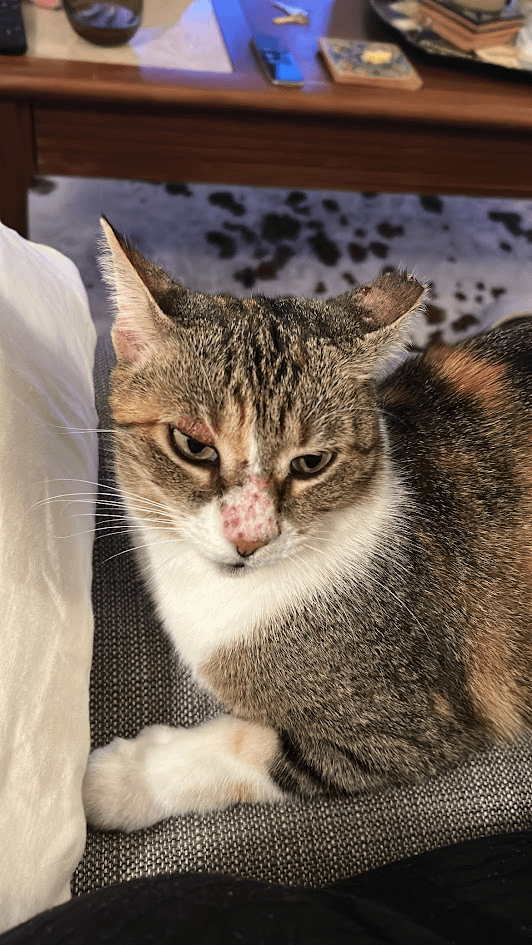
Have you ever watched your cat spend hours licking and cleaning himself and wondered, “Why does my cat constantly groom himself?” It’s more than just a cute habit. Your cat’s grooming tells you a lot about his health, mood, and even his environment.
If you’re curious about what’s behind this nonstop cleaning routine, you’re in the right place. Keep reading to discover the surprising reasons your cat can’t seem to stop grooming—and what it means for you and your furry friend.

Credit: medium.com
Normal Grooming Habits
Cats spend a surprising amount of time grooming themselves, and this behavior is a key part of their daily routine. Understanding normal grooming habits can help you recognize when your cat is healthy and happy, or when something might be wrong. Let’s look at how your cat grooms, how often they do it, and why it’s so important for their well-being.
How Cats Groom Themselves
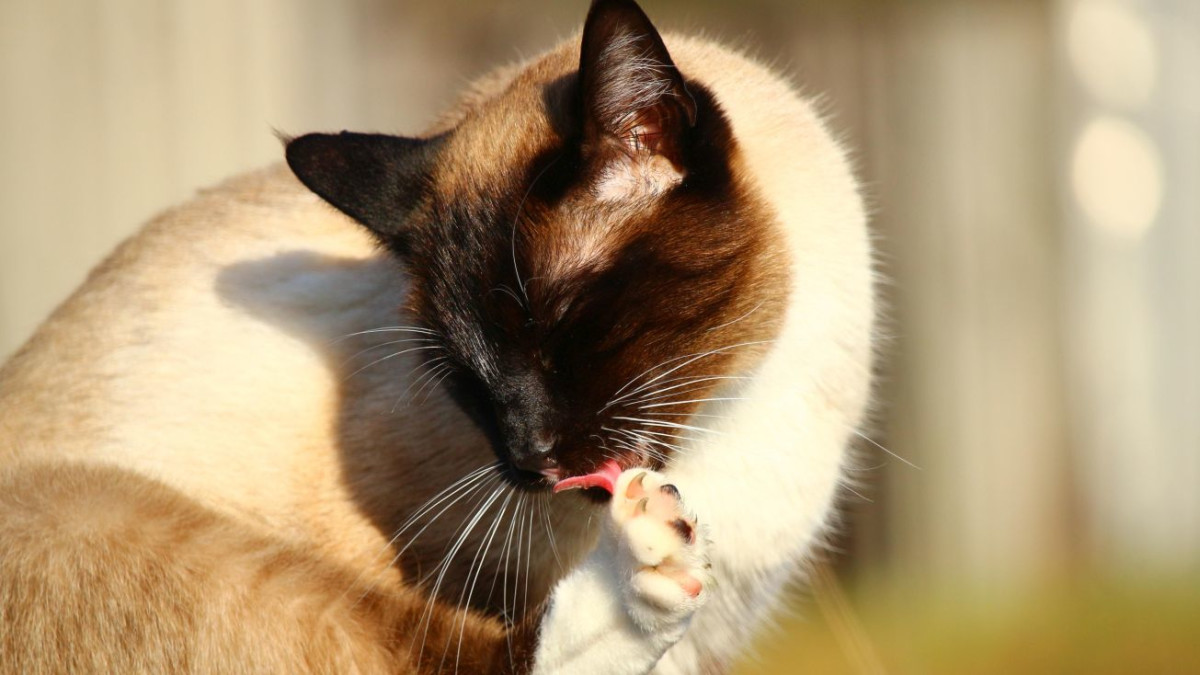
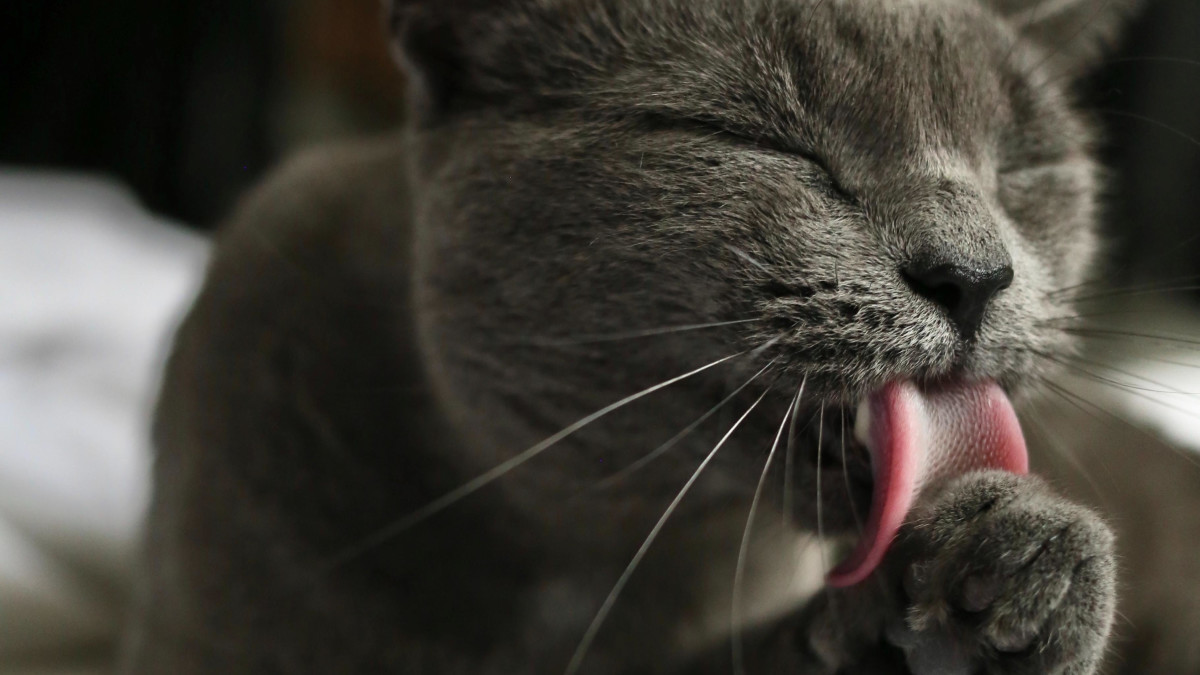
Your cat uses its tongue, teeth, and paws to clean its fur. The tongue’s tiny, hook-like structures act like a comb, pulling dirt and loose fur away. Cats also lick their paws and use them to wipe their face and head, reaching spots their tongue can’t.
Have you noticed your cat pausing mid-groom to nibble on a particular area? That’s a way to remove stubborn debris or untangle knots. This thorough approach keeps their coat sleek and comfortable.
Frequency Of Grooming
Cats typically groom themselves several times a day. Some may spend up to 50% of their waking hours cleaning. The exact amount varies with age, breed, and health.
If you see your cat grooming more than usual, it might mean stress, allergies, or skin irritation. On the other hand, less grooming than normal could indicate pain or illness. Watching how often your cat grooms is a useful way to monitor their health.
Benefits Of Grooming
- Hygiene:Grooming removes dirt, parasites, and loose fur, keeping your cat clean and reducing shedding around your home.
- Temperature Regulation:By spreading saliva on their fur, cats help cool themselves during hot weather.
- Stress Relief:Grooming releases endorphins, which calm your cat and reduce anxiety.
- Social Bonding:Cats groom each other to strengthen relationships, so self-grooming is part of social health too.
Next time you see your cat meticulously cleaning, consider all the ways this simple act supports their health. Have you ever noticed how calm and content your cat looks after a grooming session?
Stress And Anxiety
Stress and anxiety can cause cats to groom themselves more than usual. Grooming helps cats feel calm and safe. It is a natural way for them to handle uncomfortable feelings.
Grooming As A Coping Mechanism
Cats use grooming to reduce stress and anxiety. It gives them a sense of control. Repeated grooming can be a way to soothe their nerves. Sometimes, cats lick or bite their fur to distract from stress.
This behavior can become excessive if anxiety lasts a long time. Over-grooming can lead to bald patches or skin problems. It is important to watch for changes in your cat’s grooming habits.
Signs Of Stress In Cats
- Constant licking or biting of fur
- Hiding or avoiding people and other pets
- Changes in eating or sleeping patterns
- Increased vocalization or restlessness
- Aggression or sudden mood changes
Recognizing these signs helps identify stress early. Providing a calm environment can reduce anxiety. Regular play and attention also improve your cat’s mood.
Health Issues
Excessive grooming in cats often signals underlying health issues that shouldn’t be ignored. When your cat spends more time licking or biting itself than usual, it might be trying to soothe discomfort or react to a problem on its skin. Understanding these health reasons can help you act quickly and keep your furry friend comfortable and healthy.
Skin Allergies And Irritations
Skin allergies are a common cause of constant grooming. Your cat might be reacting to something in its environment—like pollen, dust, or certain foods—that irritates its skin.
Look for redness, bumps, or flaky skin where your cat licks the most. Have you noticed your cat itching more after playing outside or eating new food? Identifying and removing allergens can reduce this behavior and improve your cat’s comfort.
Parasites And Infections
Parasites such as fleas or mites often lead to relentless grooming. Cats instinctively try to remove these pests by licking or scratching the affected areas.
Check for tiny black specks or scabs, especially around the neck and tail base. If you spot these signs, a vet visit is crucial to treat the infestation before it worsens. Have you ever seen your cat obsessively scratch just one spot? That might be a red flag for parasites.
Pain Or Discomfort
Sometimes, grooming is a way for cats to cope with pain or discomfort in a specific area. Injuries, arthritis, or internal issues can cause them to lick the painful spot repeatedly.
Watch for changes in your cat’s movement or behavior alongside the grooming. Does your cat seem restless or avoid jumping? Pain-induced grooming often increases when your cat feels vulnerable or stressed, so keeping an eye on these signs can help you pinpoint the cause early.
Environmental Factors
Your cat’s environment plays a huge role in its grooming habits. Changes around them or a lack of things to do can make grooming more frequent. Understanding these environmental factors can help you figure out why your cat spends so much time cleaning itself.
Changes In Surroundings
Cats are creatures of habit. Sudden changes like moving to a new house, rearranging furniture, or new pets can stress your cat out. This stress often shows up as increased grooming since it’s a way for them to comfort themselves.
Have you noticed your cat licking more after visitors leave or after a loud noise? That’s a sign the environment is affecting them. You can help by keeping their space familiar and calm.
Lack Of Stimulation
A bored cat often turns to grooming to pass time. If your cat doesn’t get enough play or mental challenges, it might over-groom as a way to entertain itself. This can lead to bald patches or skin irritation.
Try adding interactive toys, puzzle feeders, or even short play sessions throughout the day. Giving your cat new things to do can reduce excessive grooming and keep it happy.
Behavioral Causes
Cats are known for their meticulous grooming habits. While grooming is normal, excessive grooming can be a sign of behavioral issues. Understanding these causes can help address your cat’s needs and ensure their well-being.
Obsessive Grooming
Obsessive grooming in cats may indicate stress or anxiety. Cats may feel overwhelmed by changes in their environment. Grooming soothes them, acting as a coping mechanism. This behavior might also arise from a lack of stimulation. Cats need mental engagement to prevent such behaviors. Identifying stressors can help reduce obsessive grooming.
Boredom And Loneliness
Cats left alone often groom to pass the time. Boredom is a common cause of excessive grooming. Without interaction, cats may groom to entertain themselves. Loneliness can also lead to this behavior. Providing toys and playtime can alleviate boredom and reduce loneliness. Engaging activities can help keep your cat’s grooming habits normal.
Credit: pethelpful.com
When To Seek Veterinary Help
Knowing when to seek veterinary help for your cat’s grooming habits is crucial. Grooming is normal, but excessive licking or biting can signal underlying health problems. Recognizing the warning signs early can prevent discomfort and more serious issues for your feline friend.
Signs Of Excessive Grooming
Watch for bald patches, redness, or sores on your cat’s skin. If your cat is grooming so much that the fur looks thin or patchy, that’s a clear red flag. You might also notice your cat seems anxious or restless, grooming more during stressful times.
Ask yourself: Is your cat grooming to clean, or are they obsessively licking one spot? Persistent grooming that leads to skin damage or hair loss is a sign you need to consult a vet.
Diagnostic Steps
Your vet will start with a thorough physical exam to check your cat’s skin and coat condition. They may perform skin scrapings or allergy tests to identify infections, parasites, or allergies. Blood tests might also be needed to rule out hormonal imbalances or other internal issues.
Don’t be surprised if your vet asks about your cat’s environment and diet. These factors can influence grooming behavior, and pinpointing the cause helps in creating an effective treatment plan.
Treatment Options
Treatment varies depending on the diagnosis. If parasites are the cause, your vet will prescribe appropriate medications. Allergies might require dietary changes or antihistamines to reduce itching.
Behavioral causes can be addressed with environmental enrichment or calming aids. Sometimes, a combination of treatments is necessary to get your cat back to normal grooming habits.
Have you noticed any changes in your cat’s behavior or environment that might explain their grooming? Sharing these details with your vet can speed up the healing process.
Preventive Measures
Watching your cat groom constantly might make you wonder if there’s more behind this behavior. Preventive measures can help reduce excessive grooming by addressing the root causes in your cat’s daily life. Taking simple steps can improve your cat’s comfort and well-being.
Creating A Calm Environment
Stress often triggers over-grooming. You can help by setting up quiet, cozy spots where your cat feels safe and undisturbed. Pay attention to loud noises or sudden changes that might unsettle your pet.
My own cat calmed down when I added a soft blanket in a secluded corner. It became her favorite retreat. Could a small change in your home make your cat feel more secure?
Regular Health Checks
Underlying health issues like allergies or skin infections cause discomfort and lead to constant grooming. Scheduling routine vet visits helps catch these problems early. Your vet can recommend treatments that ease your cat’s irritation.
Don’t wait for visible symptoms; sometimes cats hide their pain well. Have you noticed any changes in your cat’s skin or behavior? Sharing these details with your vet can make a big difference.
Providing Enrichment
Boredom and lack of stimulation might cause your cat to groom excessively. Adding toys, puzzle feeders, and interactive playtime keeps your cat mentally and physically active. This distraction reduces the urge to over-groom.
Try rotating different toys weekly to keep things fresh. How often do you engage your cat in play? Small moments of attention can have a big impact on their grooming habits.
Credit: pethelpful.com
Frequently Asked Questions
Why Does My Cat Groom Himself So Often?
Cats groom often to keep clean, remove dirt, and regulate body temperature. Grooming also reduces stress and strengthens their bond with their environment.
Can Excessive Grooming Indicate Health Problems?
Yes, excessive grooming may signal allergies, skin infections, or parasites. It’s important to consult a vet if grooming seems obsessive or causes bald spots.
How Does Grooming Benefit My Cat’s Skin And Coat?
Grooming spreads natural oils, which keeps the coat shiny and skin healthy. It also removes loose fur, preventing matting and hairballs.
Is Grooming A Sign Of Stress In Cats?
Yes, cats may groom excessively when stressed or anxious. It acts as a calming behavior but can become problematic if overdone.
Conclusion
Cats groom themselves to stay clean and healthy. It helps remove dirt and loose fur. Grooming also calms them and reduces stress. Sometimes, too much grooming can mean a problem. Keep an eye on your cat’s habits. If grooming seems excessive, a vet visit may help.
Understanding your cat’s grooming can strengthen your bond. Watch, learn, and care for your furry friend.




Leave a Reply