Has your cat been struggling to clean her rear lately? You might have noticed she’s not as tidy as usual or seems uncomfortable.
When your cat can’t groom her rear, it’s more than just a little mess—it could be a sign of pain or health issues that need your attention. You want to help her feel comfortable again, but where do you start?
Keep reading to discover what might be causing this problem and the simple steps you can take to get your furry friend back to her clean, happy self.
Signs Of Grooming Issues
Noticing that your cat struggles to groom her rear can signal an underlying problem. Cats are usually very clean animals, so any change in grooming habits is important. Recognizing the signs early helps address health issues promptly. Watch closely for changes in behavior and physical symptoms that suggest grooming difficulties.
Behavioral Changes
- Your cat may stop cleaning herself as often as before.
- She might lick the rear area excessively or show discomfort.
- Restlessness or unusual irritability can occur due to irritation.
- Hiding or avoiding contact might indicate pain or stress.
- Sudden changes in activity levels or appetite can also appear.
Physical Symptoms
- Hair loss or thinning near the rear end is a clear sign.
- Redness, swelling, or sores can develop from constant licking.
- Foul odor may come from the affected area.
- Dirt or feces stuck around the rear shows grooming trouble.
- Visible wounds or scabs suggest possible infections or injury.
Common Causes
When a cat cannot groom her rear, several common causes may be responsible. Identifying these reasons helps in providing the right care. Many cats face challenges that stop them from cleaning themselves properly.
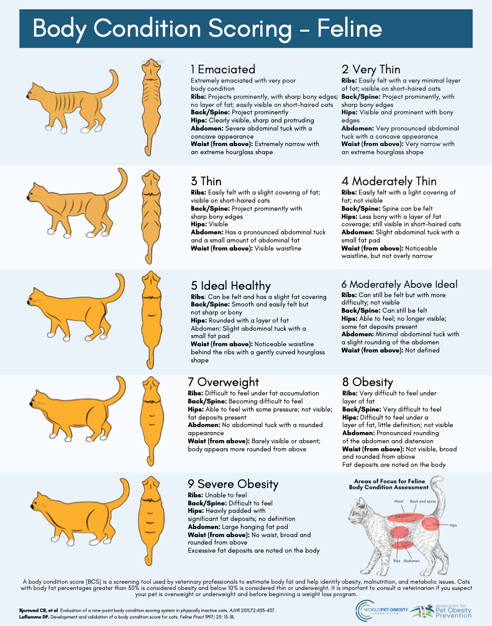
Obesity And Mobility Problems
Excess weight makes it hard for cats to reach their rear. Obesity limits flexibility and movement. Cats with mobility issues may avoid grooming because of discomfort. This problem often worsens as the cat gains more weight.
Arthritis And Pain
Arthritis causes joint pain and stiffness in cats. Pain reduces their willingness to bend and clean. Older cats commonly suffer from arthritis. The discomfort can stop them from grooming their back end properly.
Skin Conditions
Skin problems can cause irritation and soreness. Cats may avoid grooming areas that hurt. Conditions like allergies or dermatitis often affect the rear. These issues lead to poor grooming habits and discomfort.
Infections And Parasites
Infections and parasites cause itching and pain. Fleas, ticks, and mites target the cat’s skin. Infections may cause swelling or wounds. Cats might stop grooming to avoid these painful areas.
At-home Care Tips
When your cat struggles to groom her rear, taking care at home becomes essential. You can help your furry friend stay clean and comfortable with some simple actions. These easy steps support her hygiene and overall health without stressing either of you.
Assisted Cleaning Techniques
Gently wiping your cat’s rear with a damp cloth can make a big difference. Use warm water and a soft towel or pet-friendly wipes to avoid irritation.
Try to keep your cat calm by speaking softly and moving slowly. If she resists, take breaks and try again later. Regular assisted cleaning can prevent infections and discomfort.
Diet And Weight Management
Overweight cats often struggle with grooming due to limited flexibility. Adjust your cat’s diet by offering balanced meals and controlling portion sizes.
Adding fiber-rich foods can improve digestion and reduce constipation, which might affect cleanliness. Have you noticed if your cat’s weight affects her grooming habits?
Regular Brushing
Brushing your cat regularly removes loose fur and dirt, reducing the grooming load on her rear. Use a brush suited for her fur type to make the process comfortable.
Make brushing a bonding time by rewarding her with treats and praise. This habit keeps her coat healthy and minimizes matting around hard-to-reach areas.

Credit: www.reddit.com
When To See A Vet
Knowing when to see a vet is crucial if your cat cannot groom her rear. Grooming is essential for cats to stay clean and healthy. Sometimes, cats struggle due to illness, injury, or pain. Early vet visits can prevent serious problems and ease your cat’s discomfort. Watch your cat closely and act quickly when signs appear.
Persistent Grooming Problems
If your cat stops grooming her rear for several days, it signals a problem. Cats usually clean themselves daily. A lack of grooming might mean she feels unwell or has trouble reaching the area. Notice if the fur looks matted or dirty. Persistent grooming problems need veterinary attention to find the cause and treat it properly.
Signs Of Infection
Infections can cause swelling, redness, or discharge near the rear. Bad smells can also come from infected areas. Your cat may lick the spot more often or seem irritated. Infection can worsen quickly and cause pain. A vet can check for infections and give medicine to help your cat heal fast.
Pain Or Discomfort
Look for signs that your cat feels pain when touching her rear. She might growl, hiss, or pull away. Changes in behavior like hiding or reduced activity can also mean discomfort. Pain can stop your cat from grooming properly. A vet can diagnose the problem and provide pain relief, making your cat comfortable again.
Veterinary Treatments
Cats unable to groom their rear may need gentle cleaning help. Watch for signs of pain or illness and consult a vet for advice. Regular grooming support keeps your cat comfortable and healthy.
When your cat struggles to groom her rear, veterinary treatments can help. These treatments ensure your cat stays healthy and comfortable. Various options exist depending on your cat’s specific needs. Below are some common veterinary treatments.Medications And Topical Treatments
Veterinarians often prescribe medications to manage pain or inflammation. These medicines help your cat feel more comfortable. Topical treatments can address skin conditions. They soothe irritation and promote healing. Always follow your vet’s instructions for use.Physical Therapy Options
Physical therapy might benefit cats with mobility issues. Exercises improve strength and flexibility in affected areas. A vet or pet physiotherapist can guide you on exercises. They ensure safety and effectiveness for your cat.Surgical Interventions
In severe cases, surgery might be necessary. This option addresses underlying health problems. A qualified vet will discuss surgical needs. They explain risks and recovery processes for your cat.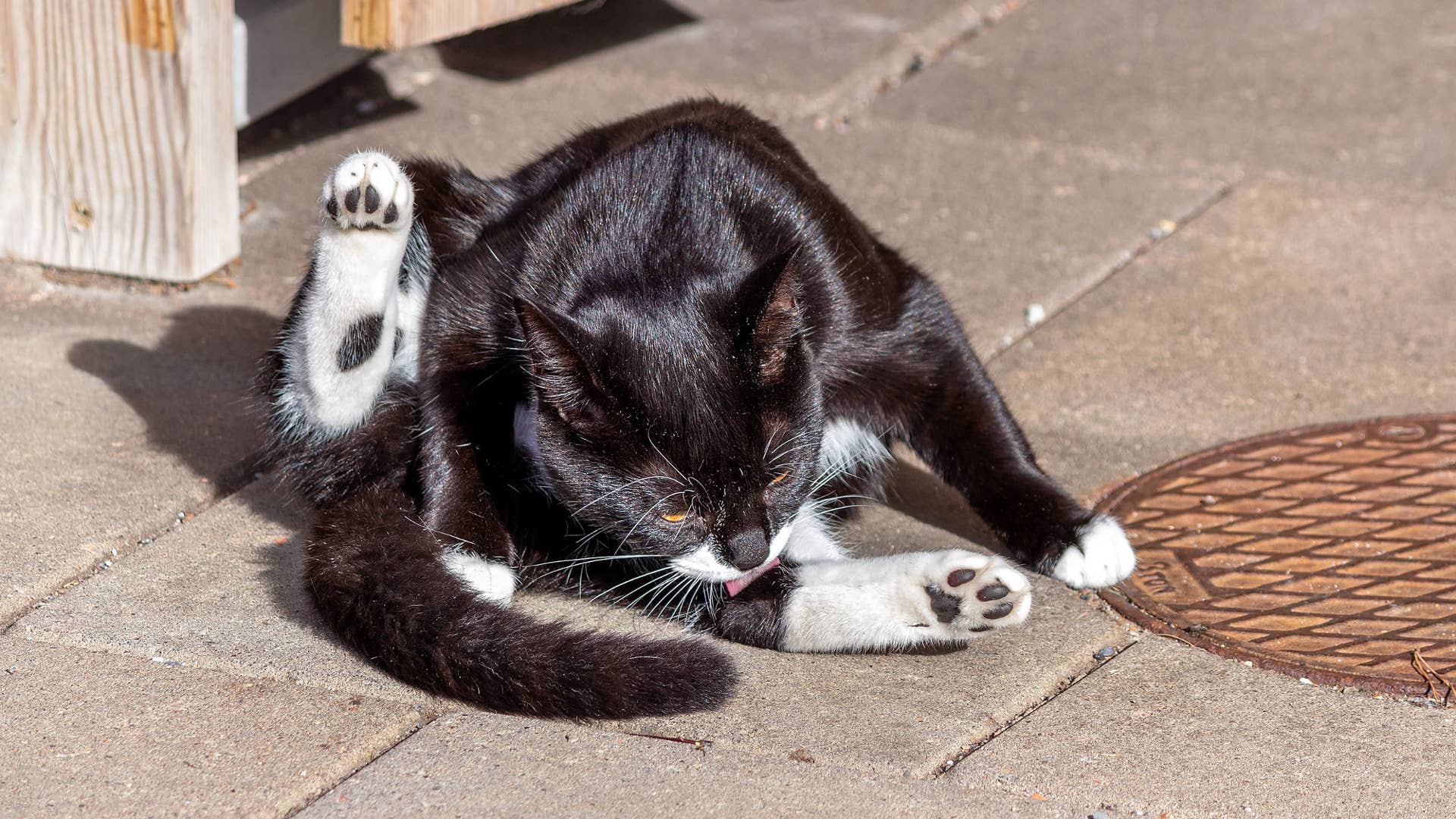
Credit: pethelpful.com
Preventing Future Grooming Issues
Preventing future grooming issues in your cat is essential for her comfort and health. When your cat struggles to groom her rear, it can lead to infections, discomfort, and even behavioral changes. Taking proactive steps can help you avoid these problems and keep your feline friend feeling her best.
Maintaining Healthy Weight
Excess weight can make it hard for your cat to reach certain areas during grooming. Overweight cats often struggle with flexibility, which limits their ability to clean themselves properly.
Helping your cat maintain a healthy weight through balanced meals and regular playtime can make a big difference. Have you noticed your cat having trouble reaching her back end after gaining weight? That could be a sign to adjust her diet or activity level.
Regular Health Checkups
Regular vet visits help catch health issues that might affect grooming, like arthritis or skin problems. These conditions can make grooming painful or difficult for your cat without you realizing it.
Scheduling routine checkups ensures your cat stays in good shape and any problems are treated early. Ask your vet about signs to watch for that could signal grooming difficulties.
Environmental Adjustments
Your cat’s environment plays a role in her grooming habits. Stress, lack of privacy, or uncomfortable resting spots can discourage thorough grooming.
Try creating cozy, quiet spaces where your cat feels safe to groom. Adding soft bedding or easy-to-reach perches might encourage her to spend more time cleaning herself.

Credit: www.reddit.com
Frequently Asked Questions
Why Can’t My Cat Groom Her Rear Properly?
Cats may struggle grooming due to obesity, arthritis, or pain. These conditions limit flexibility and cause discomfort. Identifying and addressing underlying health issues is essential for improving grooming ability.
How Can I Help My Cat Groom Her Rear?
Gently clean the area with pet-safe wipes or damp cloths. Regular brushing and trimming fur around the rear can reduce hygiene issues. Consult a vet for medical treatments if necessary.
When Should I See A Vet For Grooming Problems?
Visit a vet if your cat shows pain, swelling, or foul odor. Persistent grooming difficulties or behavioral changes also require professional evaluation. Early diagnosis ensures effective treatment.
Can Diet Affect My Cat’s Grooming Habits?
Yes, poor nutrition can impact skin and coat health. A balanced diet supports mobility and overall well-being. Consult your vet for dietary recommendations tailored to your cat’s needs.
Conclusion
Cats need help when they cannot clean their rear. Watch for signs of discomfort or dirt. Gently assist with cleaning and trimming fur if needed. Keep your cat’s environment clean and stress-free. Regular vet visits help catch health issues early.
Taking action quickly keeps your cat happy and healthy. Small steps make a big difference in care. Stay patient and kind during grooming tasks. Your cat will feel better with your support.




Leave a Reply