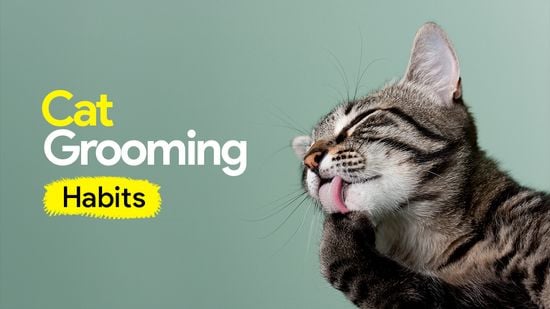
If you have a cat, you probably wonder how often you should groom them. Too much grooming can stress your furry friend, but too little might lead to mats, hairballs, or skin problems.
Finding the right balance is key to keeping your cat healthy and happy. You’ll discover exactly how long you should wait between grooming sessions and practical tips to make grooming easier for both you and your cat. Keep reading to learn what your cat really needs and how to make grooming a positive experience every time.
Cat Grooming Basics
Understanding the basics of cat grooming helps you keep your feline friend healthy and comfortable. Grooming isn’t just about appearance—it plays a key role in your cat’s overall well-being. Knowing why grooming matters, what kind of fur your cat has, and the right tools to use can make the process easier and more enjoyable for both of you.
Why Grooming Matters
Grooming helps remove loose fur and prevents matting, which can be painful for cats. It also reduces hairballs by keeping shedding under control. Regular grooming lets you check for skin issues, parasites, or lumps early on.
Have you noticed your cat scratching more than usual? Grooming can help spot problems before they get worse. Plus, it strengthens the bond between you and your pet through gentle touch and care.
Types Of Cat Fur
Cats have different types of fur that affect how often they need grooming. Short-haired cats usually need less frequent brushing but still benefit from regular care. Long-haired breeds, like Persians or Maine Coons, require more attention to avoid tangles and mats.
Some cats have double coats, which means they have a soft undercoat beneath a tougher outer layer. These cats shed more and need extra grooming to keep their coats healthy. Knowing your cat’s fur type helps you decide how often and how thoroughly to groom.
Common Grooming Tools
Using the right tools makes grooming faster and less stressful. A slicker brush is great for removing loose fur and preventing mats, especially in long-haired cats. A fine-toothed comb helps catch smaller tangles and dirt.
Other handy tools include nail clippers, grooming gloves, and even a dematting rake for stubborn knots. Choosing tools designed for your cat’s fur type improves comfort and effectiveness. Have you tried different brushes to see which your cat prefers?
Grooming Frequency Factors
Understanding how often to groom your cat depends on several key factors. These factors affect the cat’s coat condition and overall health. Adjusting grooming frequency can keep your cat comfortable and clean. Knowing these factors helps you choose the best grooming routine.
Breed And Fur Length
Different breeds have different grooming needs. Long-haired cats need more frequent brushing. Their fur can tangle and mat easily. Short-haired cats usually require less grooming. Still, regular brushing helps reduce shedding and hairballs. Some breeds have thick undercoats that also need care.
Age And Health Conditions
Young kittens need gentle grooming to get used to it. Older cats may groom less due to arthritis or illness. Cats with skin problems need special care. Health issues can change grooming habits. Watch your cat’s behavior and adjust grooming to suit their needs.
Indoor Vs Outdoor Cats
Outdoor cats face dirt, dust, and debris daily. They usually need more frequent grooming to stay clean. Indoor cats stay cleaner but still shed fur. Indoor cats benefit from regular brushing to prevent hairballs. Both need grooming to check for pests like fleas or ticks.
Recommended Grooming Intervals
Knowing the right grooming intervals keeps cats healthy and comfortable. Grooming frequency depends on your cat’s coat type and lifestyle. Regular brushing removes dirt, loose hair, and prevents mats. It also reduces hairballs and skin issues. Setting a grooming schedule helps maintain your cat’s well-being and shine.
Short-haired Cats
Short-haired cats usually need grooming less often. Their coats are easier to maintain and shed less. Brushing once every two weeks is enough for most short-haired cats. This removes loose fur and prevents minor tangles. Bathing is rarely necessary unless your cat gets very dirty.
Long-haired Cats
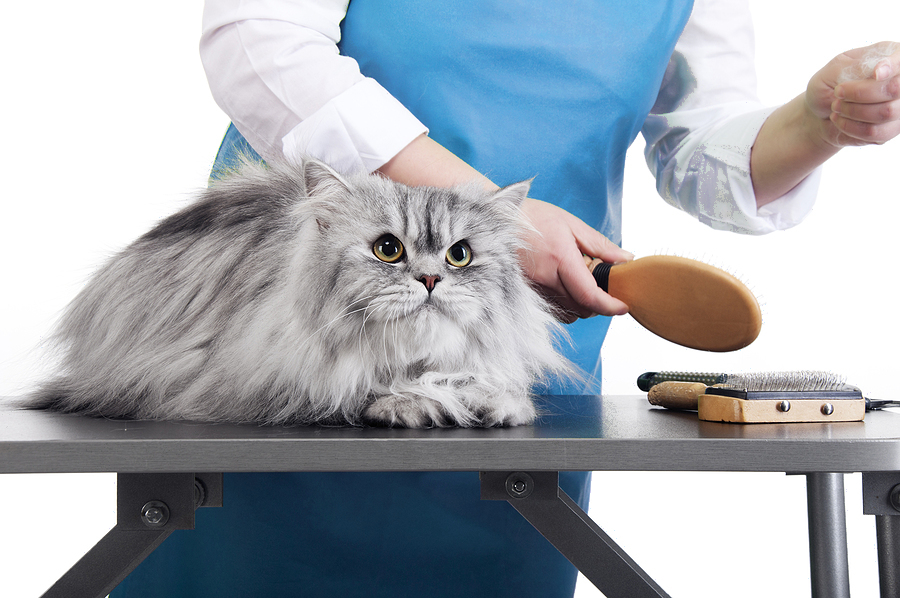
Long-haired cats need more frequent grooming. Their fur can easily form mats and tangles. Daily brushing is ideal to keep their coats smooth. If daily grooming is not possible, aim for at least three times a week. Regular grooming stops knots and reduces shedding around the house.
Special Cases
Certain cats require unique grooming routines. Older cats may need more help with grooming due to less mobility. Cats with skin conditions might need gentle brushing more often. Cats that spend time outdoors may require more frequent grooming to remove dirt and debris. Consult your vet for advice on special grooming needs.
Signs Your Cat Needs Grooming
Recognizing when your cat needs grooming is important for their health and comfort. Cats often hide discomfort, so watch for clear signs. Regular grooming prevents problems and keeps your cat happy.
Matting And Tangles
Mats and tangles form when fur gets twisted and stuck together. They can pull on the skin and cause pain. Cats with long hair are more prone to mats. Check your cat’s coat often for knots or clumps. Grooming breaks up mats and keeps fur soft.
Excessive Shedding
Shedding is normal, but too much can mean your cat needs grooming. Loose fur builds up on furniture and clothes. It can also cause hairballs and discomfort. Regular brushing removes dead hair and reduces shedding. It also helps your cat’s skin breathe better.
Skin Irritations
Look for redness, bumps, or sores on your cat’s skin. These can show your cat needs grooming or medical care. Dirt, oils, and dead skin can irritate the coat. Grooming cleans the skin and prevents infections. Pay attention to scratching or licking too much.
Diy Grooming Tips
Grooming your cat at home can be a rewarding experience. It helps maintain your cat’s health and strengthens your bond. With a few tools and techniques, you can keep your cat looking its best. Let’s explore some easy DIY grooming tips.
Brushing Techniques
Regular brushing prevents mats and reduces shedding. Use a brush suitable for your cat’s coat type. For short-haired cats, use a rubber brush. Long-haired cats need a comb with wide teeth. Brush in the direction of hair growth. Be gentle around sensitive areas like the belly.
Bathing Guidelines
Bathing a cat is rare but sometimes necessary. Use lukewarm water and a cat-friendly shampoo. Wet your cat gently with a cup or small jug. Apply shampoo, avoiding the face and ears. Rinse thoroughly to remove all soap. Wrap your cat in a towel for drying.
Nail Trimming Basics
Trim your cat’s nails every few weeks. Use a pair of cat nail clippers. Gently press the paw to extend the nail. Clip only the sharp tip, avoiding the pink area. Trim slowly and stay calm. Reward your cat with a treat after trimming.

Credit: www.latimes.com
When To Visit A Professional
Knowing when to visit a professional groomer is important for your cat’s health. Some grooming tasks can be tricky or unsafe to do at home. Professionals have the right tools and experience to help your cat stay clean and comfortable.
Handling Difficult Cats
Some cats do not like being groomed. They might scratch or hide. Professional groomers know how to calm these cats. They use gentle techniques to keep cats relaxed. This prevents stress for both the cat and the owner.
Dealing With Severe Matting
Mats can cause pain and skin problems. Severe mats are hard to remove at home. Professionals have special tools to cut or shave mats safely. They prevent injury and make your cat feel better quickly.
Regular Vet Checks
Grooming visits are a good time for vet checks. Groomers can spot skin issues, parasites, or lumps early. Regular health checks help catch problems before they get worse. Your vet can recommend grooming frequency based on your cat’s health.
Maintaining Grooming Between Sessions
Maintaining grooming between professional sessions keeps your cat comfortable and healthy. Regular care helps prevent mats, tangles, and skin problems. It also reduces shedding and keeps your cat’s coat shiny. Small daily habits can make a big difference in your cat’s grooming routine.
Daily Care Habits
Brush your cat’s fur gently every day. Use a comb or brush suitable for their coat type. Check for dirt, debris, or small knots. Wipe their eyes and ears with a soft cloth if needed. Trim nails carefully to avoid scratching. Offer fresh water and a clean litter box regularly to keep them happy.
Diet And Coat Health
Feed your cat a balanced diet rich in nutrients. Omega-3 and omega-6 fatty acids improve skin and fur quality. Provide high-quality protein to support hair growth. Avoid overfeeding to prevent obesity, which affects grooming ability. Consult your vet about supplements that promote a healthy coat.
Environmental Factors
Keep your cat’s living space clean and calm. Dust and allergens can irritate their skin. Control humidity to prevent dry or oily fur. Provide cozy resting areas free from dirt. Regularly wash bedding to reduce dirt buildup. A stress-free environment encourages better self-grooming habits.

Credit: www.latimes.com
Credit: tipptotail.com
Frequently Asked Questions
How Often Should I Groom My Cat?
Most cats benefit from grooming every 4 to 6 weeks. Regular grooming prevents mats, reduces shedding, and keeps their coat healthy.
Does Cat Breed Affect Grooming Frequency?
Yes, long-haired breeds need grooming more often, typically every 3 to 4 weeks. Short-haired cats require less frequent grooming.
Can Grooming Reduce Cat Hairballs?
Regular grooming removes loose fur, lowering hairball formation. Brushing your cat often helps prevent digestive issues caused by hair ingestion.
What Signs Indicate My Cat Needs Grooming?
Look for mats, excessive shedding, dull coat, or dirt buildup. If your cat’s fur looks unkempt, it’s time for grooming.
Conclusion
Regular grooming keeps your cat healthy and happy. Most cats need grooming every few weeks. Long-haired cats require more frequent care than short-haired ones. Watch your cat’s coat for signs it needs brushing. Clean fur means less hairballs and fewer mats.
Grooming also helps you spot skin problems early. Make grooming a calm, gentle routine for your cat. Consistency matters more than exact timing. A well-groomed cat feels comfortable and looks great. Keep your cat’s grooming on schedule for best results.




Leave a Reply