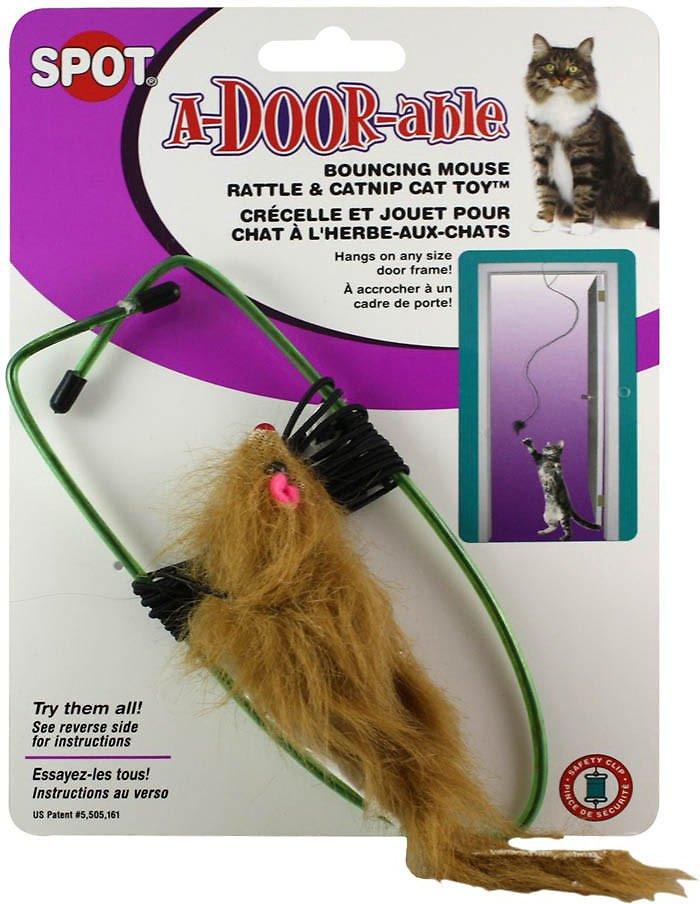
Have you ever caught your cat chewing on their fur mouse toy and wondered, “What if my cat eats part of it?” It’s a common worry for many cat owners. You want to keep your furry friend happy and safe, but what happens if those little pieces end up in their mouth?
Understanding the risks and knowing what to do can make all the difference. Keep reading to find out how to protect your cat and what signs to watch for, so you can relax and enjoy playtime without any worries.

Credit: www.reddit.com
Risks Of Fur Mouse Toy Ingestion
Fur mouse toys can be fun for cats but pose real dangers if ingested. Small parts or fur can cause serious health problems. Understanding these risks helps protect your pet from harm.
Choking Hazards
Small pieces of fur or toy parts can block your cat’s throat. This makes breathing hard or impossible. Choking can cause panic and severe injury quickly.
Digestive Blockages
Swallowed fur or toy bits may get stuck in the stomach or intestines. This blocks food and water from passing. Blockages can cause pain, vomiting, and serious illness.
Toxic Materials
Some fur mouse toys contain harmful dyes or chemicals. Ingesting these can poison your cat. Toxic materials may damage organs or cause allergic reactions.
Allergic Reactions
Fur or stuffing can trigger allergies in sensitive cats. Symptoms include itching, swelling, and difficulty breathing. Allergies require quick treatment to prevent worsening.
Signs Of Trouble In Cats
Cats chewing or swallowing parts of their fur mouse toy can lead to health issues. Recognizing early signs of trouble helps act quickly. Watch your cat closely for unusual behaviors or symptoms. Some signs may appear mild but indicate serious problems.
Vomiting And Gagging
Repeated vomiting or gagging is a clear warning. Your cat might try to remove the toy piece from its throat. This behavior suggests blockage or irritation in the digestive tract. Persistent vomiting needs immediate attention to prevent dehydration.
Lethargy And Weakness
A cat that becomes unusually tired or weak shows distress. Lack of energy means the body struggles to cope. This symptom often follows digestive discomfort or pain. Monitor your cat’s activity level closely for any drop.
Loss Of Appetite
Refusing to eat for more than a day is serious. Loss of appetite signals discomfort or nausea. It can also mean the toy part causes internal blockage. Prompt veterinary care is essential to avoid worsening conditions.
Abdominal Pain
Your cat may show signs of belly pain by hiding or vocalizing. Restlessness or sensitivity when touched in the abdomen indicates distress. Abdominal pain can mean the toy piece is stuck or causing injury. Early diagnosis helps prevent complications.
Immediate Steps To Take
Discovering that your cat has eaten part of a fur mouse toy can be alarming. Acting quickly and calmly is essential to prevent any health issues. Here are key immediate steps you should take to protect your furry friend.
Remove Remaining Toy Pieces
First, pick up any leftover parts of the toy from your cat’s reach. This stops your pet from swallowing more pieces that could cause blockages or choking. Even small fragments can be dangerous, so check thoroughly around their favorite play areas.
Monitor Your Cat Closely
Watch your cat for signs of distress or unusual behavior. Look out for vomiting, coughing, lethargy, or loss of appetite. Cats often hide discomfort, so paying attention to subtle changes like hiding or excessive drooling is crucial.
Contacting The Veterinarian
If you notice any worrying symptoms or if you’re unsure about the size and type of the ingested pieces, call your vet immediately. Describe what happened and follow their advice carefully. Sometimes a prompt vet visit can prevent serious complications.

Credit: www.catsnus.com
Preventing Future Incidents
Preventing your cat from eating parts of a fur mouse toy is essential. This keeps your cat safe and your home clean. Taking simple steps can reduce risks and keep playtime fun. Careful choices and attention make a big difference. Here are key ways to prevent future incidents.
Choosing Safe Toys
Select toys made from non-toxic materials. Avoid small parts that can break off easily. Look for durable toys designed for cats. Soft toys with sewn seams reduce choking hazards. Choose toys that match your cat’s size and play style.
Supervised Playtime
Watch your cat while it plays with new toys. Intervene if your cat starts chewing or swallowing pieces. Supervised play helps you spot dangerous behavior early. It also allows you to remove damaged toys quickly. This practice keeps your cat safe and happy.
Regular Toy Inspection
Check toys often for signs of wear and tear. Look for loose fur, stuffing, or broken parts. Remove and replace any damaged toys immediately. Regular checks prevent your cat from swallowing harmful pieces. Keeping toys in good shape ensures safer play every day.
Veterinary Treatments For Ingestion
When a cat eats part of a fur mouse toy, it may cause concern. If the toy gets stuck, veterinary treatment is needed. Quick action can make a big difference.
Diagnostic Procedures
Veterinarians use various diagnostic tools to assess the situation. X-rays are often the first step. They help locate any foreign object in the digestive tract. Ultrasounds might also be used for a closer look. Blood tests can check for infection or inflammation signs. This information helps create the best treatment plan.
Non-surgical Options
Sometimes, surgery is not necessary. Inducing vomiting can remove the toy if it’s safe. This is usually done under a vet’s supervision. Laxatives might be prescribed to help pass the object naturally. Fluids can also aid in moving the object through the system.
Surgical Intervention
Surgery may be required if the toy causes a blockage. This is more common when the object is large or sharp. Vets perform surgery to remove the object safely. Post-surgery, cats need rest and monitoring. Recovery includes a special diet and follow-up visits.

Credit: www.reddit.com
Frequently Asked Questions
Can Cats Safely Eat Parts Of Fur Mouse Toys?
Small amounts of fur mouse toy material are usually harmless. However, monitor your cat for choking or digestive issues. If symptoms like vomiting or lethargy appear, contact your vet immediately to ensure your cat’s safety.
What Are Signs Of Toy Ingestion Problems In Cats?
Look for vomiting, diarrhea, loss of appetite, or lethargy. Difficulty breathing or coughing may also indicate a problem. If any of these symptoms occur after toy ingestion, seek veterinary care promptly.
How To Prevent Cats From Eating Fur Mouse Toys?
Choose durable, non-toxic toys designed for cats. Supervise playtime and replace damaged toys regularly. This reduces the risk of your cat swallowing harmful materials and keeps play safe.
Should I Worry If My Cat Chews On Toy Fur?
Chewing is normal but swallowing large fur pieces can cause blockages. Keep an eye on your cat’s behavior after chewing. If you notice unusual signs, consult your veterinarian for advice.
Conclusion
Cats love to play with fur mouse toys. Sometimes, they might eat small parts by accident. This can cause stomach upset or choking. Watch your cat closely during playtime. Remove broken toy pieces right away. Choose safe, durable toys made for cats.
Always check toys for damage before giving them. Keeping your cat safe means happy, worry-free fun. Small actions protect your furry friend’s health. Play smart. Stay alert. Keep your cat safe and happy every day.




Leave a Reply