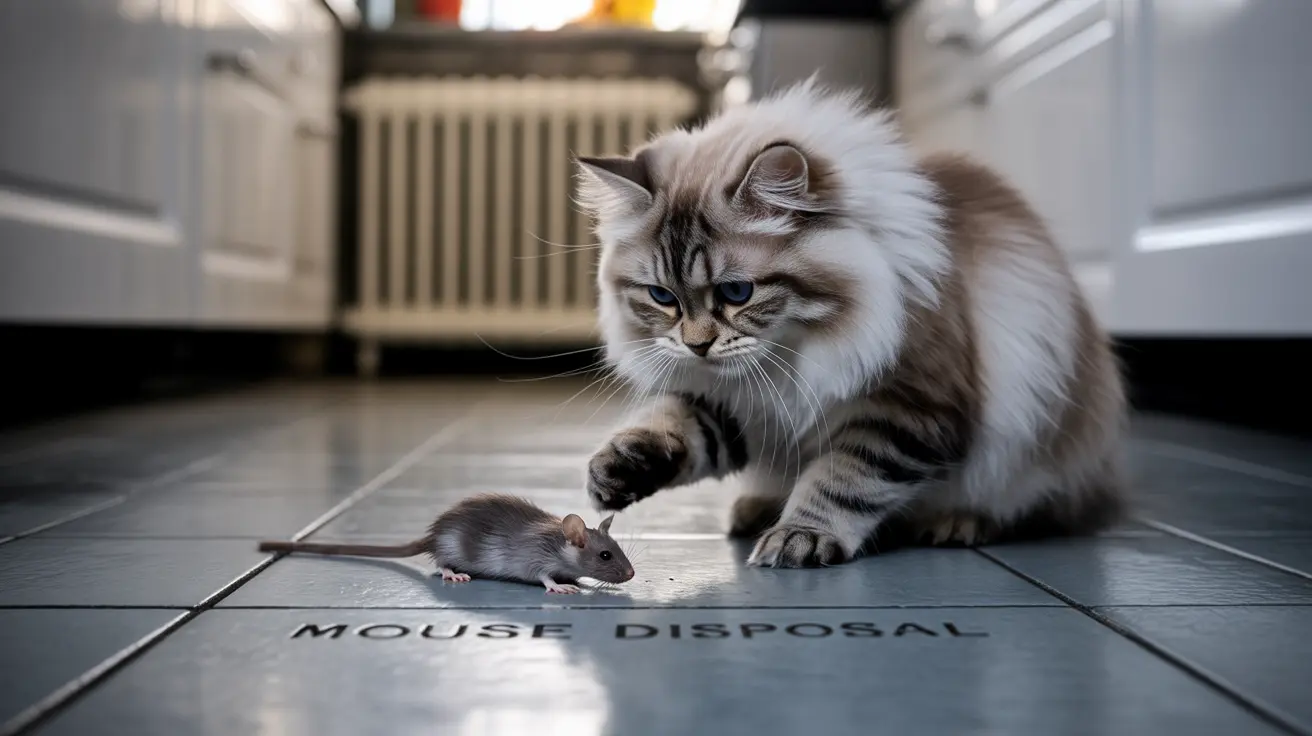
Have you ever found your cat with a shredded toy mouse and wondered what it really means? When a cat has mauled a toy mouse, it’s not just play—it’s a glimpse into their natural instincts and emotions.
Understanding this behavior can help you connect better with your furry friend and keep their playtime safe and satisfying. Keep reading to discover what’s behind those tiny teeth marks and how you can respond to your cat’s wild side.

Credit: www.reddit.com
Cat Play Behavior
Cats have a natural instinct to play with toys that resemble prey. Their play behavior is not just for fun. It helps them practice skills needed for hunting and survival. Watching a cat maul a toy mouse shows their deep-rooted behaviors. This section explains why toy mice are important and how cats mimic hunting through play.
Role Of Toy Mice
Toy mice serve as a safe way for cats to practice hunting. They stimulate a cat’s senses and curiosity. The size, shape, and movement of toy mice attract cats. These toys help cats stay active and mentally sharp. Cats use their claws and teeth on toy mice, which fulfills natural urges.
Owners can use toy mice to encourage exercise. This reduces boredom and destructive behavior. A cat’s interaction with a toy mouse also improves coordination and reflexes. Many cats carry, bat, and toss the toy, showing their hunting play.
Mimicking Hunting
Cats act like real hunters during play. They stalk, pounce, and bite the toy mouse. This mimics catching prey in the wild. The behavior sharpens their skills even in a home environment. Play allows cats to practice timing and precision. It also helps them release energy and stress.
The way cats maul a toy mouse shows focus and excitement. They may crouch low and wiggle their tails. These signs reveal their hunting mindset. Play is a natural outlet for instincts that can’t be used outside.
Instincts Behind Mauling
Cats have strong instincts that guide their actions. Mauling a toy mouse shows these natural behaviors. Understanding why cats act this way helps us learn about their nature. These instincts come from deep inside their wild ancestors. They help cats survive and communicate in their environment.
Predatory Drive
Cats are natural hunters. Their predatory drive makes them chase and catch small animals. A toy mouse mimics real prey. When a cat mauls it, the cat practices hunting skills. This action satisfies their need to stalk, pounce, and bite. It keeps their mind sharp and body active. Even indoor cats keep this instinct alive through play.
Territorial Expression
Mauling a toy can also show territorial behavior. Cats mark their space with scent and actions. By biting and shaking the toy, cats express control over their surroundings. This behavior signals ownership and keeps other animals away. It helps cats feel safe and confident in their home. The toy becomes a symbol of their territory.
Benefits Of Play Hunting
Play hunting is more than just fun for cats. It helps their brain and body stay sharp. When a cat mauls a toy mouse, it practices skills that are important for its health and happiness. These playful moments keep cats engaged and active every day.
Mental Stimulation
Chasing and catching toy mice challenges a cat’s mind. It improves focus and problem-solving skills. The cat learns to predict movements and plan attacks. This mental workout reduces boredom and stress. A busy mind means a happier cat overall.
Physical Exercise
Play hunting encourages cats to move and stretch. It builds muscle strength and improves coordination. Running, pouncing, and batting at toys burn energy. This keeps cats fit and prevents obesity. Active play supports a cat’s natural instincts and health.

Credit: www.reddit.com
Recognizing Natural Urges
Recognizing natural urges in cats helps explain why they maul toy mice. This behavior is a clear sign of their hunting instincts. Cats are predators by nature. Even indoor cats keep these instincts alive through play. Watching how your cat interacts with toys reveals much about their inner drive.
Signs Of Hunting Instincts
- Stalking movements before pouncing on the toy
- Quick, sharp bites and clawing at the toy mouse
- Shaking or tossing the toy as if it were prey
- Intense focus and alertness during play
- Dragging the toy to a hidden spot
Behavioral Patterns
Cats repeat hunting actions even without real prey. They practice stalking, pouncing, and capturing. This keeps their skills sharp and satisfies natural urges. Play sessions often end with the toy being mauled or torn apart. These patterns show cats are following instincts deeply rooted in their genes. Observing these behaviors helps owners understand their pets better.
Enhancing Playtime
A cat mauling a toy mouse shows strong hunting instincts and active play. Such playtime keeps cats healthy and happy. It also helps sharpen their natural skills.
Enhancing Playtime Playtime is essential for your cat’s well-being. It not only keeps them physically active but also mentally stimulated. When your cat has mauled a toy mouse, it’s a sign of healthy play behavior. Cats have a natural instinct to hunt, and toys help them channel this instinct safely. Enhancing playtime ensures your cat remains happy, healthy, and entertained. But how can you make playtime even better for your feline friend?Choosing The Right Toys
Selecting the perfect toy for your cat involves understanding their preferences and play style. Some cats love toys that mimic real prey, like mice or birds. Others might prefer interactive toys that challenge their minds. Consider toys with different textures and sounds. This variety can keep your cat engaged and prevent boredom. Rotating toys regularly can also make old toys feel new again.Safe Play Environment
Creating a safe play environment is crucial to prevent any accidents. Ensure the play area is free from sharp objects or small items that could be swallowed. Supervise playtime to ensure your cat doesn’t get tangled in strings or cords. Use child-safe materials for toys to avoid toxic substances. Observe how your cat interacts with their toys and adjust the play environment as needed. How often do you evaluate your cat’s play area for safety?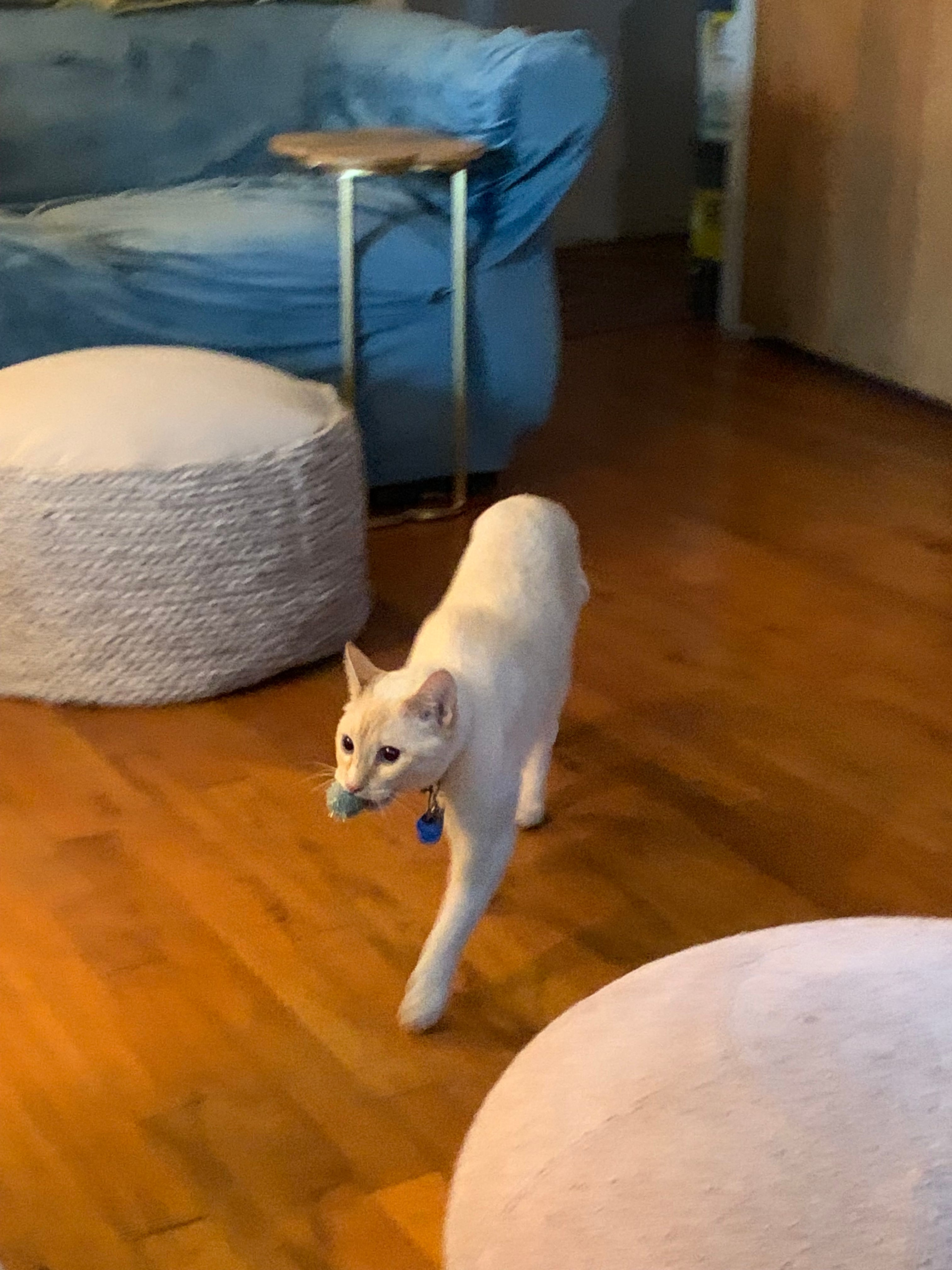
Credit: cedarlila.substack.com
Managing Aggressive Play
Managing aggressive play in cats is essential to keep both your furry friend and your home safe. When a cat mauls a toy mouse with intense energy, it’s a sign that their natural hunting instincts are active but need proper guidance. You can help your cat enjoy playtime without turning it into an aggressive behavior problem.
Redirecting Energy
Redirecting your cat’s energy from aggressive play to more controlled activities can make a big difference. Offer a variety of toys that encourage gentle interaction, such as feather wands or soft plush toys. Notice when your cat starts to get too rough and immediately switch to an interactive game that requires your involvement.
Try using puzzle feeders or treat-dispensing toys to stimulate your cat’s mind and focus their energy on problem-solving instead of mauling. You might be surprised how much calmer your cat becomes with mental challenges. Have you observed your cat’s behavior change when you introduce new types of toys?
Training Tips
Training your cat to understand boundaries during play is a powerful way to reduce aggressive behavior. Use positive reinforcement by rewarding calm play with treats or affection. If your cat bites or scratches, gently stop the play session and walk away to show that aggression ends the fun.
Consistency is key. Always respond the same way to aggressive actions so your cat learns what is acceptable. You can also teach simple commands like “gentle” by associating the word with soft touches or gentle playing. How often do you pause and reward your cat for playing nicely?
Frequently Asked Questions
What Does It Mean When A Cat Mauls A Toy Mouse?
When a cat mauls a toy mouse, it is practicing hunting instincts. This behavior mimics catching and subduing prey, providing mental stimulation and exercise.
Why Do Cats Enjoy Playing With Toy Mice?
Cats enjoy toy mice because they trigger natural predatory behaviors. The movement and size mimic real prey, satisfying their urge to stalk, chase, and pounce.
Can Mauling A Toy Mouse Reduce Cat Aggression?
Yes, mauling a toy mouse can reduce aggression. It helps cats release energy and frustration in a safe, controlled way, promoting calm behavior.
How Often Should Cats Play With Toy Mice?
Cats should play with toy mice daily for 10-15 minutes. Regular play keeps them physically active and mentally engaged, improving overall well-being.
Conclusion
A cat mauling a toy mouse shows natural hunting instincts. It helps them stay active and alert. This play keeps cats healthy and happy. Watching this behavior can teach owners about their pets. Toys like these satisfy a cat’s need to chase and pounce.
Giving cats safe toys is important for their well-being. Each playful bite or scratch means they feel engaged. In short, toy mice make great outlets for energy. They help cats practice skills they use in the wild. Keep your cat’s playtime fun and safe every day.




Leave a Reply