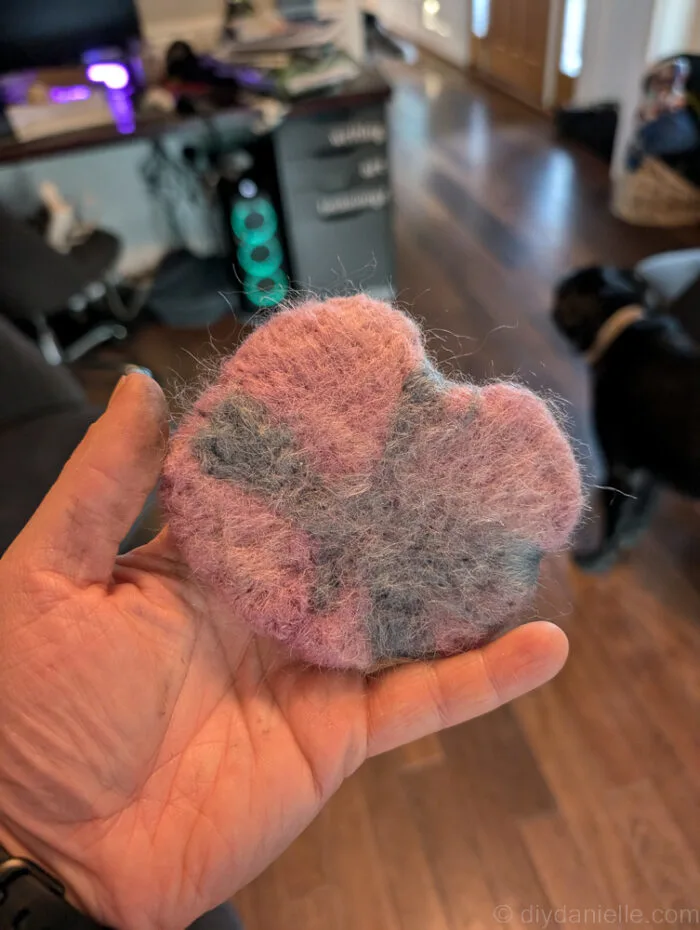
Are you looking for a fun and affordable way to keep your cat entertained? Making cat toys out of felt is easier than you think.
With just a few simple materials, you can create safe, colorful, and irresistible toys that your furry friend will love. Imagine the joy on your cat’s face as they chase, bat, and pounce on toys you made yourself. Keep reading, and you’ll discover easy steps and creative ideas that will have you crafting perfect playthings in no time.
Your cat’s new favorite toy is just a few felt pieces away!
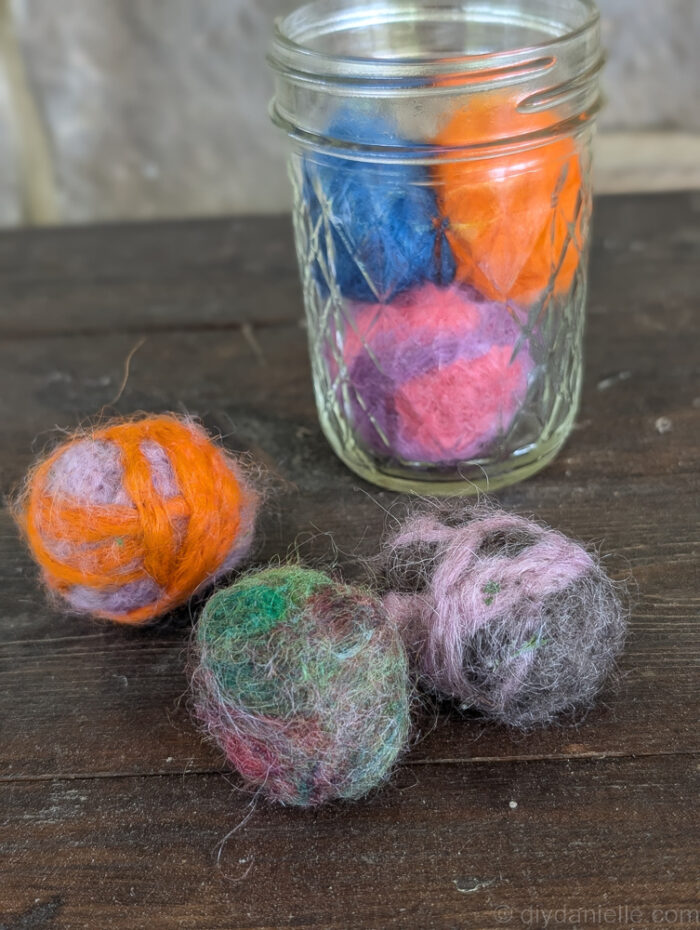
Credit: diydanielle.com
Choosing Felt For Cat Toys
Choosing the right felt is key to making cat toys that last and keep your feline friend interested. Felt comes in many varieties, and knowing which type to pick can save you time and frustration. Let’s break down what works best for your DIY cat toys.
Best Felt Types
Wool felt is durable and naturally resistant to odors, making it a great choice if you want toys that stand up to scratching and biting.
Acrylic felt is cheaper and easier to find but may wear out faster and shed fibers, which can annoy your cat or cause ingestion risks.
Blended felts mix wool and synthetic fibers, offering a balance of durability and affordability. Choose thicker felts to ensure the toy holds its shape after lots of play.
Colors And Patterns
Cats don’t see colors the way humans do, but they respond well to contrasts. Bright colors like red, orange, and blue can catch their attention better than pastel shades.
Patterns with simple shapes or dots can make toys visually stimulating. Avoid overly complex prints that might confuse your cat or fade quickly after washing.
Using multiple colors in one toy can help you spot it easily when it gets lost under furniture. Have you ever spent minutes searching for a lost toy? Bright felt can save you that hassle.
Safety Considerations
Choose felts that are labeled non-toxic and free from harmful chemicals. Your cat will be biting and chewing, so safety is crucial.
Avoid felts that shed excessively, as loose fibers can cause digestive issues if swallowed. Test a small piece by rubbing it vigorously to see if it loses fibers.
Steer clear of felts with glued-on decorations. Instead, sew or securely stitch embellishments to prevent choking hazards.
Essential Supplies Needed
Making cat toys from felt is a fun and simple craft. Having the right supplies helps you create toys that are safe and enjoyable for your cat. Gathering essential materials before starting saves time and avoids interruptions. Below is a list of basic tools and additional materials needed to make felt cat toys.
Basic Tools
- Sharp fabric scissors for clean cuts
- Needle suitable for hand sewing
- Thread in colors matching your felt
- Measuring tape or ruler for accuracy
- Fabric glue for quick fixes
- Pins to hold pieces together
- Marker or chalk to trace patterns
Additional Materials
- Felt sheets in various colors
- Polyester stuffing for soft filling
- Catnip to attract your cat’s interest
- Small bells or beads for sound
- Elastic string for interactive toys
- Velcro strips for easy closures
Simple Felt Toy Designs
Simple felt toy designs are easy and fun to make for your cat. Felt is soft, safe, and easy to cut into shapes. These toys keep your cat entertained and active. You can use basic sewing skills or even glue for quick projects. Here are some popular felt toy ideas that cats love.
Felt Mice
Felt mice are classic cat toys. Cut two mouse shapes from felt. Sew or glue the edges, leaving a small gap. Stuff with soft cotton or leftover felt scraps. Add a small felt tail and tiny felt ears. Use embroidery thread or fabric paint to add eyes and nose. Cats enjoy chasing these little felt mice around the house.
Feathered Fish
Create a fish shape from blue or gray felt. Sew or glue the edges and stuff lightly. Attach a few feathers at the tail end with glue. The feathers add movement and texture that cats love. Paint or stitch simple eyes on the fish. These feathered fish toys are great for batting and pouncing.
Colorful Balls
Cut small circles of felt in bright colors. Layer two or three circles and sew around the edges, leaving space to fill. Stuff the ball with cotton or fabric scraps. Close the opening with stitches. These colorful balls are lightweight and perfect for rolling and tossing. Cats enjoy batting these felt balls around for hours.
Step-by-step Crafting Tips
Crafting cat toys from felt is fun and simple. Following clear steps helps create safe, cute toys your cat will enjoy. Each step focuses on making the process easy and effective.
Use basic tools and materials to keep crafting stress-free. Felt is soft and easy to work with, perfect for homemade cat toys. Pay attention to details in cutting, sewing, and stuffing to ensure durability and safety.
Cutting Felt Shapes
Choose bright colors that attract your cat’s attention. Use sharp scissors for clean edges and less fraying. Trace simple shapes like fish, mice, or balls on the felt before cutting.
- Place felt on a flat surface for stability.
- Use templates or draw freehand shapes lightly.
- Cut slowly to avoid jagged edges.
Sewing Techniques
Use a needle and thread that match the felt color for neat stitches. Try a whip stitch or blanket stitch to join pieces securely. Keep stitches close to avoid gaps where stuffing can escape.
- Thread the needle with enough length to sew comfortably.
- Start with a knot to keep stitches tight.
- Finish with a strong knot to secure the thread.
Adding Stuffing
Use soft polyester fiberfill or cotton for safe stuffing. Insert small amounts at a time to maintain shape and avoid lumps. Don’t overstuff; keep the toy soft and flexible for play.
- Leave a small opening for stuffing.
- Push stuffing evenly inside using a pencil or stick.
- Close the opening carefully with stitches after stuffing.
Incorporating Catnip
Catnip can make felt toys more exciting for cats. Simply sprinkle dried catnip inside the toy before sewing it closed. This adds scent and fun, keeping your cat interested and playful.
Incorporating catnip into your homemade felt cat toys adds extra fun. Cats love the scent of catnip. It makes playtime more exciting and engaging. Creating catnip-infused toys is easy and safe. Let’s explore how to choose and apply catnip effectively.Choosing Catnip
Quality matters when selecting catnip for your toys. Fresh catnip is more potent. Look for organic catnip, free from chemicals. Dried catnip is widely available and easy to use. You can also use catnip spray for convenience.Safe Application
Safety is crucial when adding catnip to toys. Avoid using too much catnip. A small amount is enough to attract your cat. Sew the catnip securely inside the felt toy. This prevents loose catnip from spilling. Always ensure the toy is durable and well-stitched. This keeps your cat safe during play.
Credit: www.youtube.com
Decorating Felt Toys
Decorating felt toys is where you can truly bring your creations to life. Adding details not only makes the toys visually appealing but also adds texture and interest your cat will love to explore. You can customize each toy to reflect your cat’s personality or your own style.
Using Embroidery
Embroidery is a simple way to add intricate designs to your felt toys. You can stitch eyes, noses, or fun patterns directly onto the felt using colorful embroidery floss. This technique adds durability since the thread is securely sewn in place, making it safe for your cat.
Try basic stitches like the running stitch or satin stitch to create shapes or outlines. If you want to get creative, you could embroider your cat’s name or little paw prints. Have you ever noticed how a few embroidered details can completely change the look and feel of a toy?
Attaching Small Accessories
Small accessories like buttons, beads, or tiny bells make great additions to felt toys. These elements add sound or extra texture that can keep your cat engaged longer. Make sure to securely sew these accessories to avoid any choking hazards.
You might also use fabric glue for non-edible parts, but sewing is safer for pets. Consider adding feathers or small strips of ribbon for extra movement and interest. What unique accessory could you add to make your cat’s toy stand out?
Maintenance And Cleaning
Keeping your felt cat toys clean and well-maintained is key to ensuring they last and stay safe for your furry friend. Dirt, pet hair, and saliva can quickly build up, so regular care is essential. A little attention to cleaning and storage will keep the toys fresh and inviting for your cat.
Washing Felt Toys
Felt is delicate, so washing your cat’s toys requires gentle handling. Hand washing in cold water with mild soap is usually best. Avoid harsh detergents that can damage the fabric or irritate your cat’s skin.
Rinse thoroughly to remove all soap residues. Then, gently squeeze out excess water without wringing the toy, which can deform it. Air dry the toy completely before letting your cat play with it again to prevent mold or mildew.
If your cat’s toy has stuffing, check that it won’t get damaged by water. Spot cleaning with a damp cloth can be a safer option. Have you noticed how some toys hold up better after washing? It might be worth testing a small section first.
Storage Tips
Storing your felt cat toys properly helps them stay clean and in good shape. Use a dedicated box or basket to keep toys together and off the floor. This prevents dirt and dust from settling on them.
Rotate toys regularly to keep your cat interested and reduce wear on any single toy. Avoid damp or humid places as felt can absorb moisture and develop odors. Placing a small sachet of dried lavender or cedar chips nearby can help keep the storage area fresh.
Do you find your cat loses interest in toys quickly? Sometimes refreshing their toy stash with clean, well-stored felt toys can renew their enthusiasm. How you store these handmade treasures can make all the difference.
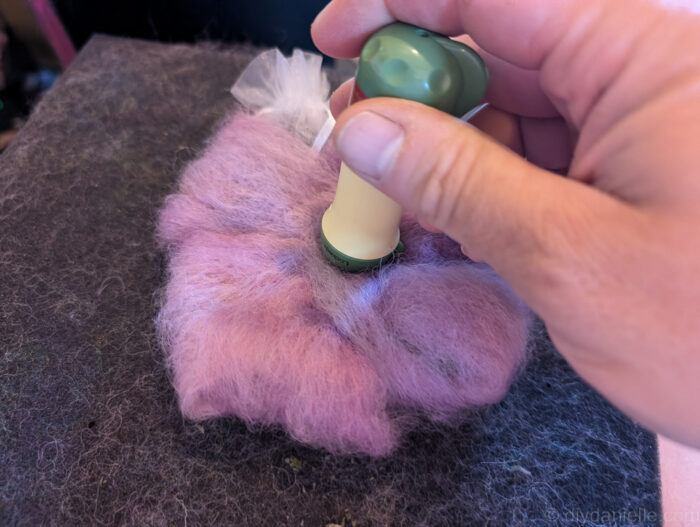
Credit: diydanielle.com
Encouraging Playtime
Crafting cat toys from felt sparks creativity and keeps pets active. Simple shapes and soft textures make playtime safe and fun for cats.
Encouraging playtime for your cat is vital. It keeps them active and healthy. Felt toys are perfect for this purpose. They’re soft and easy to make. Plus, they can engage your cat in various ways.Introducing New Toys
Introducing new felt toys can spark your cat’s curiosity. Start by placing the toy near their favorite spot. This will allow them to discover it on their own. Observe how they interact with it. If they seem interested, encourage them to play by moving the toy gently. This creates excitement and stimulates their natural hunting instincts.Interactive Games
Interactive games offer great mental and physical stimulation. Use felt toys in games like fetch or hide and seek. Toss a felt ball for your cat to chase. This simple game can provide lots of fun. Hide a felt toy under a pillow and let your cat find it. These activities keep them engaged and active. Rotate toys regularly to maintain their interest.Frequently Asked Questions
What Materials Do I Need To Make Felt Cat Toys?
You need colorful felt sheets, scissors, thread, needle, stuffing, and catnip. These basic materials are affordable and easy to find. Optional items include beads or bells for added fun. Preparing quality materials ensures safe, durable, and attractive toys for your cat.
How Do I Sew Felt Cat Toys Without A Machine?
Hand-sew the felt pieces using a needle and thread. Use simple stitches like running or blanket stitch for durability. Leave a small opening to add stuffing and catnip. Finally, sew the opening closed tightly to keep the toy intact during play.
Can I Add Catnip To Homemade Felt Toys?
Yes, adding catnip makes toys more enticing for cats. Place dried catnip inside before closing the toy. Catnip stimulates playful behavior and keeps cats engaged. Use moderate amounts to avoid overwhelming your pet. Always ensure catnip is fresh and safe.
How Long Do Felt Cat Toys Usually Last?
Felt cat toys can last several months with regular use. Their durability depends on stitching quality and play intensity. Replace toys if they become torn or stuffing is exposed. Regular inspection ensures your cat’s safety and continued enjoyment.
Conclusion
Making cat toys from felt is simple and fun. You need only a few materials and little time. These toys keep your cat happy and active. Plus, you save money by crafting at home. Try different shapes and colors to see what your cat likes best.
Felt toys are soft, safe, and easy to clean. Start creating today and enjoy watching your cat play!

Leave a Reply