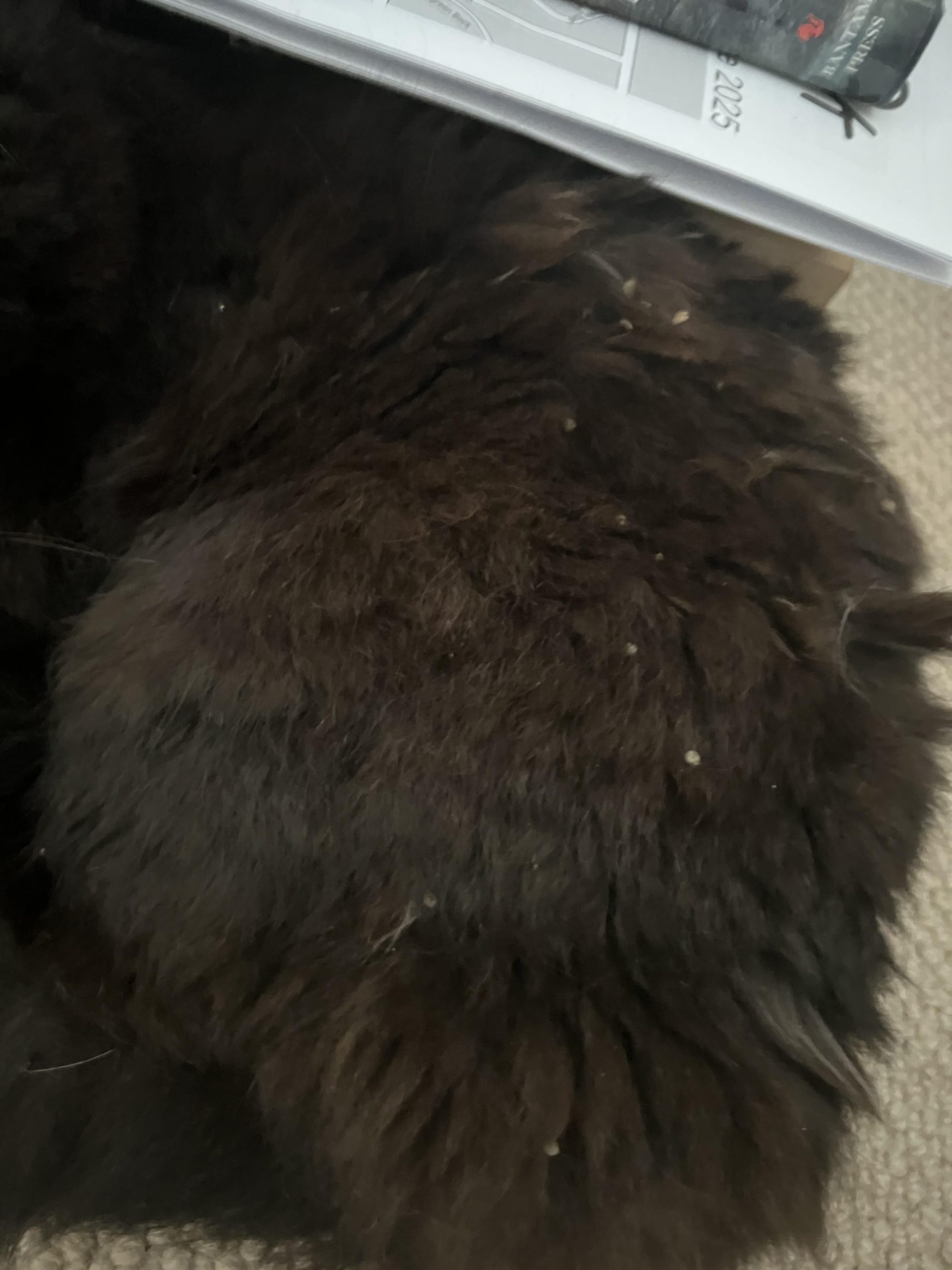
Have you noticed your cat isn’t grooming herself like she used to? It’s a sign that something might be wrong, and it can be worrying to see your furry friend neglecting her usual clean and shiny coat.
Understanding why your cat has stopped grooming is important because it affects her health and happiness. You’ll discover the common reasons behind this change and what you can do to help your cat feel better again. Keep reading to learn how to spot the warning signs and take action before small problems turn into bigger ones.
Common Grooming Habits
Cats are known for their fastidious grooming habits. Grooming helps them stay clean and healthy. Understanding how cats groom themselves is key to noticing changes. Observing normal grooming routines helps identify problems early.
Normal Grooming Frequency
Most cats groom several times a day. Grooming sessions can last from a few minutes to half an hour. Cats lick their fur to remove dirt and loose hair. Older cats or those with health issues may groom less often. A sudden drop in grooming frequency can signal distress or illness.
How Cats Groom Themselves
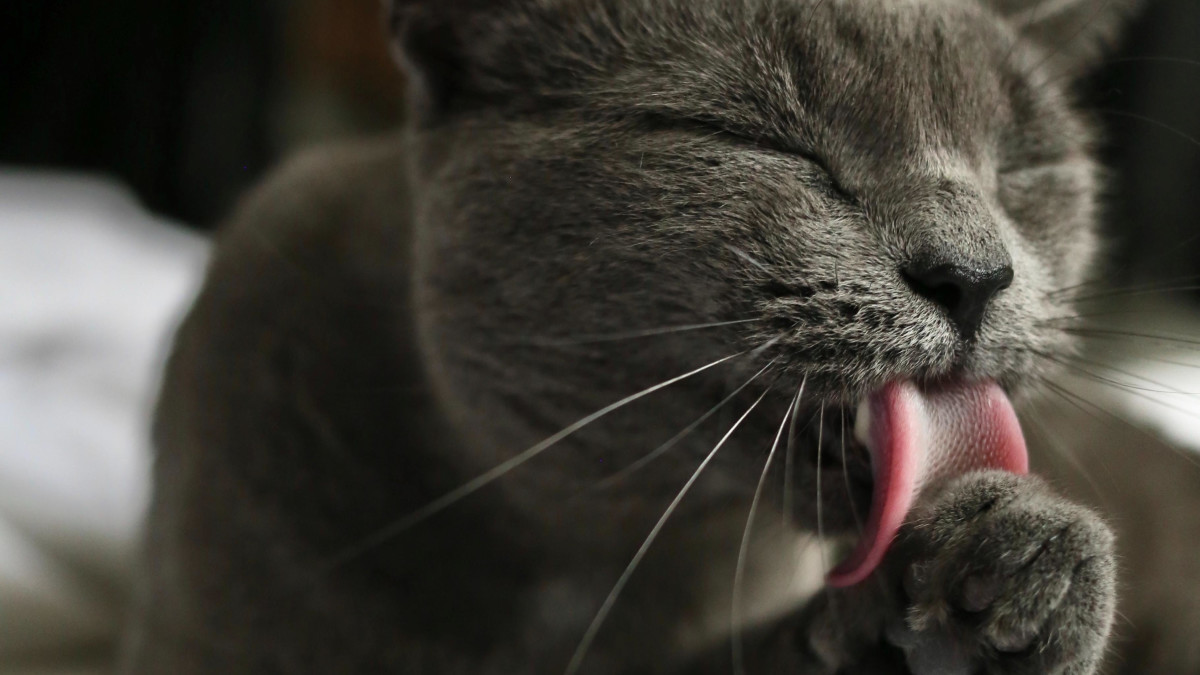
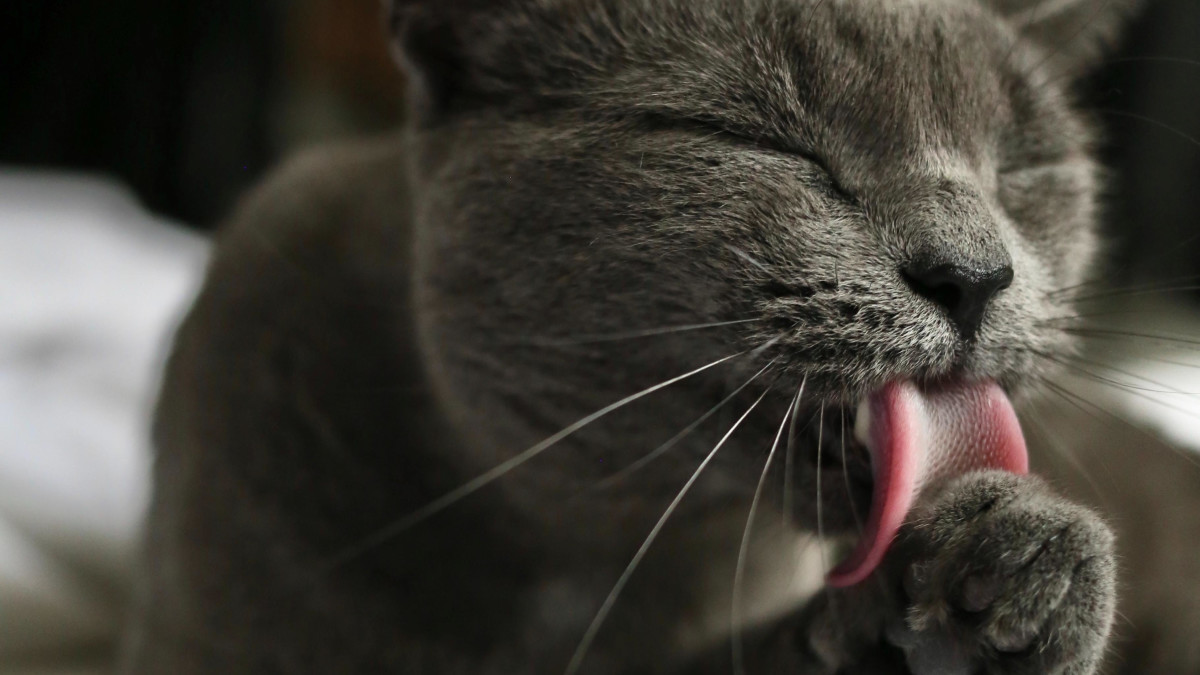
Cats use their tongues as a primary grooming tool. Their tongues have tiny, hook-like structures called papillae. These help remove dirt and loose hair effectively. Cats also use their teeth to nibble out tangles or debris. Paws act as washcloths; cats lick their paws then wipe their face. Grooming also helps regulate body temperature and reduce stress.
:strip_icc()/the-kitty-1011094438-5c3d1af5c9e77c00015e66a6.jpg)
Credit: www.thesprucepets.com
Health Issues Affecting Grooming
Your cat’s grooming habits can reveal a lot about her health. If you notice she’s stopped grooming herself, it might be a sign of underlying health issues. Understanding these problems can help you take timely action to support her well-being.
Skin Conditions
Skin problems can make grooming painful or uncomfortable for your cat. Issues like allergies, fleas, or fungal infections often cause itching, redness, and sores. When grooming hurts, your cat might avoid it altogether.
Look for signs such as bald patches, scabs, or excessive scratching. These symptoms indicate your cat needs a vet visit to diagnose and treat the skin condition. Have you checked your cat’s skin lately for any unusual spots or irritation?
Dental Problems
Pain in your cat’s mouth can stop her from grooming. Dental diseases like gingivitis or tooth decay make chewing and licking uncomfortable. Your cat may avoid grooming because it involves using her tongue and jaw muscles.
Bad breath, drooling, and difficulty eating are clear signs of dental trouble. If you notice these, schedule a dental checkup. Addressing dental pain often restores your cat’s grooming routine quickly.
Arthritis And Pain
Older cats or those with joint problems might find grooming difficult. Arthritis causes stiffness and pain, especially in the hips and shoulders, which your cat uses to reach different body parts. This physical limitation can lead to a matted or dirty coat.
Observe if your cat struggles to stretch or seems less active. Gentle massage and vet-prescribed pain relief can improve her mobility. Could your cat be showing subtle signs of discomfort that are affecting her grooming?
Behavioral Reasons
Cats usually groom themselves to stay clean and healthy. When they stop, behavioral reasons often play a big role. These reasons can affect their mood and daily habits. Understanding these behaviors helps you support your cat better.
Stress And Anxiety
Stress and anxiety can make cats stop grooming. Loud noises, new pets, or changes in routine can cause stress. A stressed cat may hide and avoid cleaning. Grooming is a way cats relax, but too much stress can block this behavior.
Depression In Cats
Cats can feel sad or depressed. Loss of a friend, lack of attention, or illness may trigger it. A depressed cat may lose interest in grooming. They may also sleep more and eat less. Depression affects their desire to care for themselves.
Changes In Environment
Big changes around your cat can affect grooming. Moving to a new home or rearranging furniture can confuse them. New smells and sights may cause discomfort. Cats may stop grooming until they feel safe again. Patience and gentle care help them adjust.
Credit: pethelpful.com
Age-related Factors
As your cat grows older, you might notice a decline in her grooming habits. Age-related factors play a big role in why your feline friend may stop keeping herself clean. Understanding these changes helps you provide the care she needs to stay comfortable and healthy.
Senior Cat Grooming Challenges
Older cats often face new challenges that affect their grooming routines. Their fur can become thicker or more matted, making it harder to clean properly. Sometimes, their skin becomes more fragile, and they may avoid grooming to prevent discomfort.
I’ve seen my own senior cat struggle with grooming as she aged. She stopped licking certain spots because it hurt her. This made me realize how important it is to check her coat regularly and help with brushing to keep her comfortable.
- Thicker or matted fur is harder to clean
- Fragile skin can cause grooming discomfort
- Decreased grooming may lead to skin problems
Mobility Limitations
As cats get older, joint pain and arthritis can limit their movement. Your cat might find it difficult to twist and reach all parts of her body for grooming. This limitation can cause her coat to look unkempt and dirty.
Have you noticed your cat struggling to get comfortable or avoiding certain positions? This could mean she’s having trouble grooming due to mobility issues. Helping her with gentle brushing or consulting a vet about pain relief can make a huge difference.
- Arthritis reduces flexibility and reach
- Pain discourages thorough grooming
- Assistance with grooming improves coat health
Nutritional Impact
Poor nutrition can impact a cat’s grooming habits. A lack of essential nutrients may lead to a dull coat and reduced energy, causing your cat to groom less frequently. Ensuring a balanced diet is crucial for maintaining their health and grooming routine.
Cats are known for their meticulous grooming habits. So, when your feline friend suddenly stops grooming, it’s natural to be concerned. One crucial factor to consider is the nutritional impact. The food your cat consumes plays a pivotal role in maintaining her coat health and overall grooming routine. Without proper nutrition, even the most fastidious cats might find it challenging to keep up with their grooming.Diet And Coat Health
Your cat’s diet directly influences her coat’s shine and texture. A diet lacking in essential nutrients can lead to a dull, unkempt appearance. Foods rich in omega-3 and omega-6 fatty acids, like fish oils, are vital for a healthy coat. Consider the protein content in her diet. Cats are obligate carnivores, meaning they require a diet rich in animal protein. A deficiency can lead to poor skin and coat health, making grooming less effective.Hydration Importance
Hydration is often overlooked but is crucial for a cat’s grooming habits. Dehydration can cause dry skin, leading to discomfort and decreased grooming. Ensure your cat has access to fresh water at all times. Wet food can be a great addition to maintain hydration levels. Unlike dry kibble, wet food provides additional moisture, which can help keep her skin supple and coat gleaming. Have you noticed any changes in your cat’s water intake or diet? Monitoring these aspects can provide insights into her grooming behavior. Adjusting her nutritional intake might just be the key to seeing her return to her self-care routine.When To See A Veterinarian
Knowing when to see a veterinarian is important if your cat stops grooming herself. Grooming is a natural behavior for cats, and a sudden stop can signal health issues. Early veterinary care can help find the cause and improve your cat’s well-being.
Signs To Watch For
- Fur looks matted or dirty
- Skin appears red, flaky, or swollen
- Excessive scratching or licking
- Loss of appetite or weight
- Changes in behavior or mood
- Difficulty moving or limping
- Visible wounds or hair loss
These signs may indicate pain or illness. Do not wait if you notice them. Prompt care can prevent worsening problems.
Diagnostic Tests
Veterinarians use several tests to find why grooming stopped. These tests help detect infections, allergies, or other health issues.
- Skin scrapings to check for mites or infections
- Blood tests to assess organ function and infections
- Allergy testing to identify triggers
- X-rays to look for bone or joint problems
- Urine analysis to check kidney health
These tests guide treatment plans to restore your cat’s health. Early diagnosis improves recovery chances.
Helping Your Cat Groom Again
Helping your cat groom again is important for her health and happiness. Cats stop grooming for many reasons. Sometimes, they feel pain or stress. Other times, they may be sick or have trouble reaching certain areas. You can support your cat by making grooming easier and more comfortable.
Grooming Assistance Tips
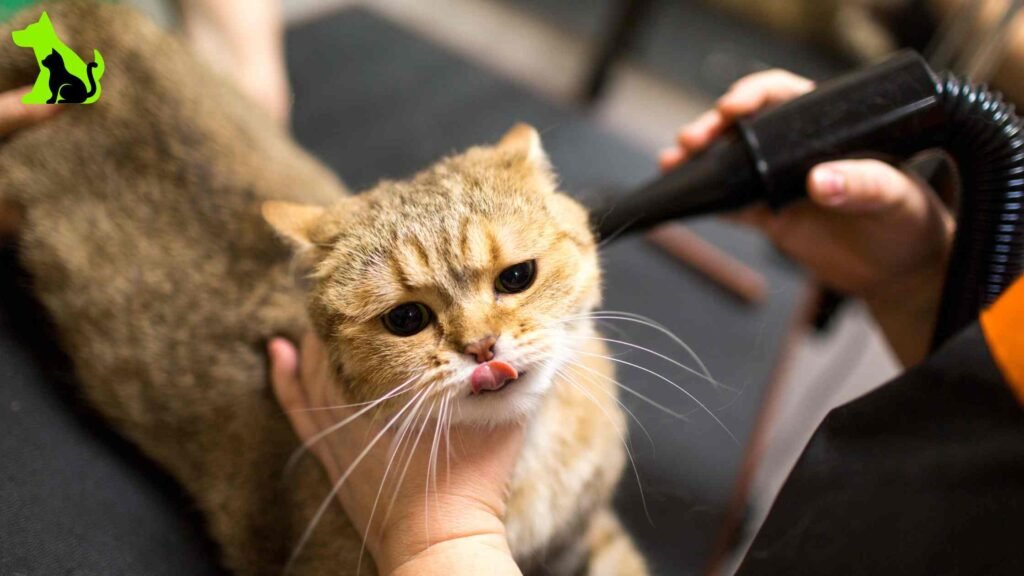
- Use a soft brush to gently remove loose fur.
- Help clean dirty or matted areas with a damp cloth.
- Trim nails carefully to avoid scratching during grooming.
- Offer grooming sessions in short, calm intervals.
- Reward your cat with treats or praise to build trust.
- Check for skin problems or injuries while grooming.
Creating A Comfortable Environment
Choose a quiet, warm spot for grooming. Avoid loud noises or sudden movements. Use natural light or soft lighting to help your cat relax. Keep grooming tools clean and ready. Make sure your cat feels safe and secure before you begin. A calm environment reduces stress and encourages grooming.
Credit: hellopetsinc.com
Frequently Asked Questions
Why Has My Cat Suddenly Stopped Grooming Herself?
Cats may stop grooming due to illness, stress, or pain. Common causes include arthritis, dental problems, or skin infections. If your cat stops grooming, consult a vet to identify the underlying issue and get proper treatment to restore her grooming habits.
Can Stress Cause A Cat To Stop Self-grooming?
Yes, stress can lead cats to stop grooming. Changes in environment, new pets, or loud noises can cause anxiety. Reducing stressors and providing a calm space helps encourage grooming behavior. Consult a vet if stress persists or grooming doesn’t improve.
What Health Issues Cause Cats To Neglect Grooming?
Health problems like arthritis, obesity, dental disease, or skin conditions often stop cats from grooming. Pain or discomfort limits their movement or licking ability. A vet visit is essential to diagnose and treat these medical issues promptly.
How Can I Encourage My Cat To Groom Herself Again?
Ensure your cat is comfortable and stress-free. Regular vet check-ups and pain management help. Grooming assistance with brushes can motivate your cat. Create a calm environment and monitor her behavior for improvements.
Conclusion
A cat stopping grooming can signal health or emotional issues. Watch for changes in behavior or appearance closely. Regular vet visits help catch problems early. Keep your cat’s environment calm and safe. Offer love and attention to reduce stress. Remember, grooming is vital for your cat’s well-being.
Act quickly to support your furry friend’s health. Small steps can make a big difference. Your cat needs your care and patience now. Stay observant and keep learning about your pet.

Leave a Reply