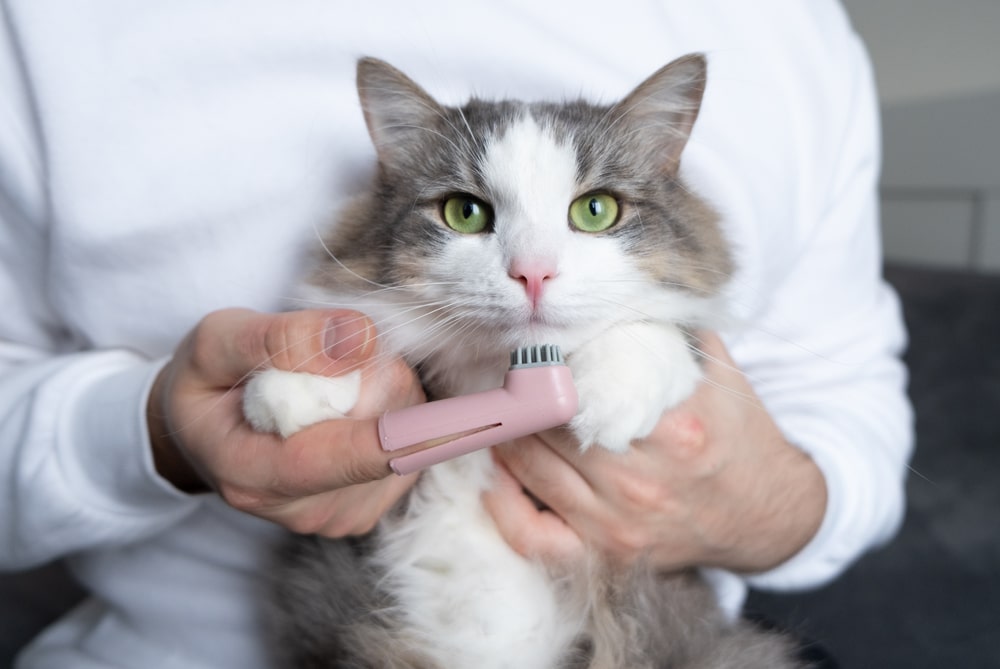
If you want your cat to look healthy and feel comfortable, learning how to groom cat hair is essential. Grooming isn’t just about keeping your pet clean—it helps reduce shedding, prevents mats, and even strengthens the bond between you and your furry friend.
Imagine having a cat with shiny, soft fur that’s free of tangles and dirt. Sounds great, right? In this guide, you’ll discover simple, effective tips to make grooming easy and stress-free for both you and your cat. Ready to transform your cat’s coat and keep them happy?
Let’s get started!
Credit: petdirect.co.nz
Choosing The Right Grooming Tools
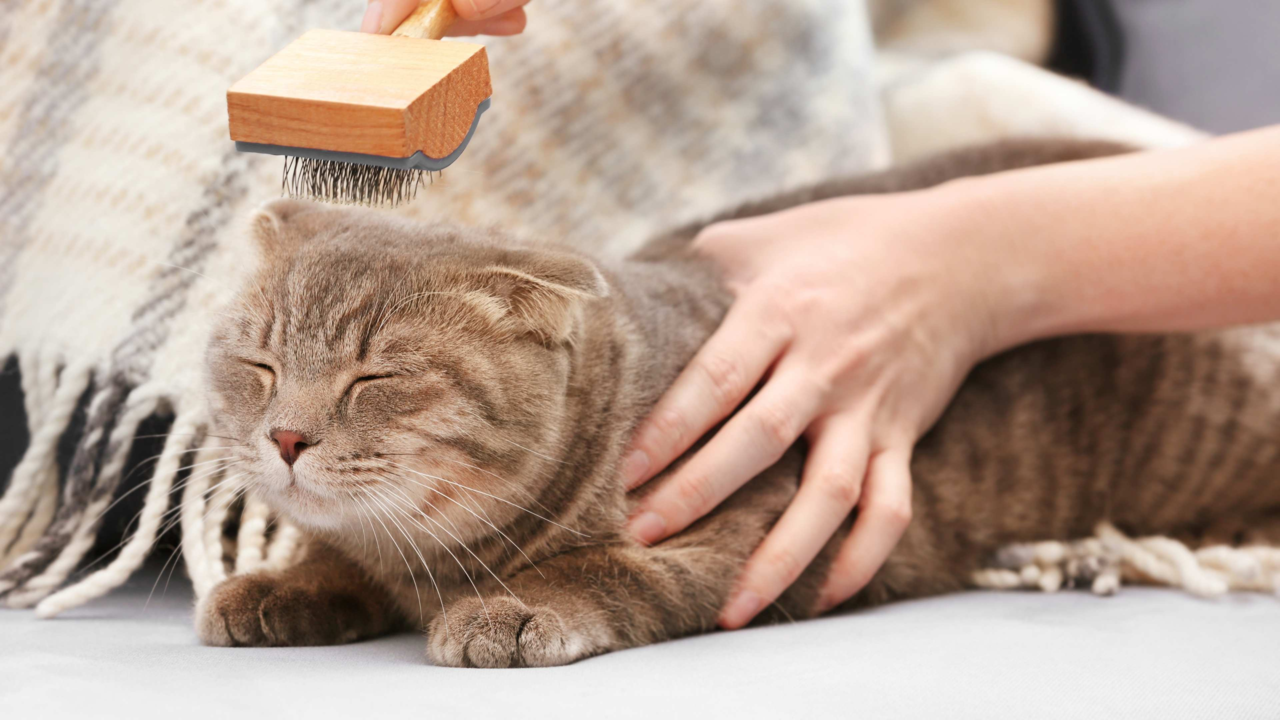
Choosing the right grooming tools helps keep your cat’s coat healthy and shiny. Each cat has a unique coat type that needs specific care. Picking the right tools makes grooming easier and more effective. The right brush or comb reduces hairballs and mats.
Brushes For Different Coat Types
Short-haired cats need soft bristle brushes. They remove loose fur gently. For long-haired cats, use slicker brushes. These help untangle knots and mats without hurting the skin.
Cats with thick undercoats benefit from undercoat rakes. They remove dead hair beneath the top layer. This prevents shedding and matting in dense coats.
Combs And Their Uses
Fine-toothed combs work well for delicate areas like the face and paws. Wide-toothed combs help detangle thick fur and remove mats. Using both types keeps fur smooth and clean.
Combs also help spot fleas and debris. Regular combing improves your cat’s skin health by distributing natural oils.
Additional Grooming Accessories
- Grooming gloves provide gentle massage and hair removal.
- Dematting tools safely cut through tough tangles.
- Nail clippers keep claws short and prevent damage.
- Pet wipes help clean paws and face between baths.
Having these accessories makes grooming more comfortable and complete. Each tool serves a special purpose in your cat’s care routine.
Credit: www.squeakycleangrooming.com
Creating A Grooming Routine
Creating a grooming routine for your cat is more than just brushing their fur. It builds trust, reduces shedding, and keeps their coat healthy. Establishing a consistent routine helps your cat feel secure and makes grooming easier for both of you.
Frequency Of Brushing
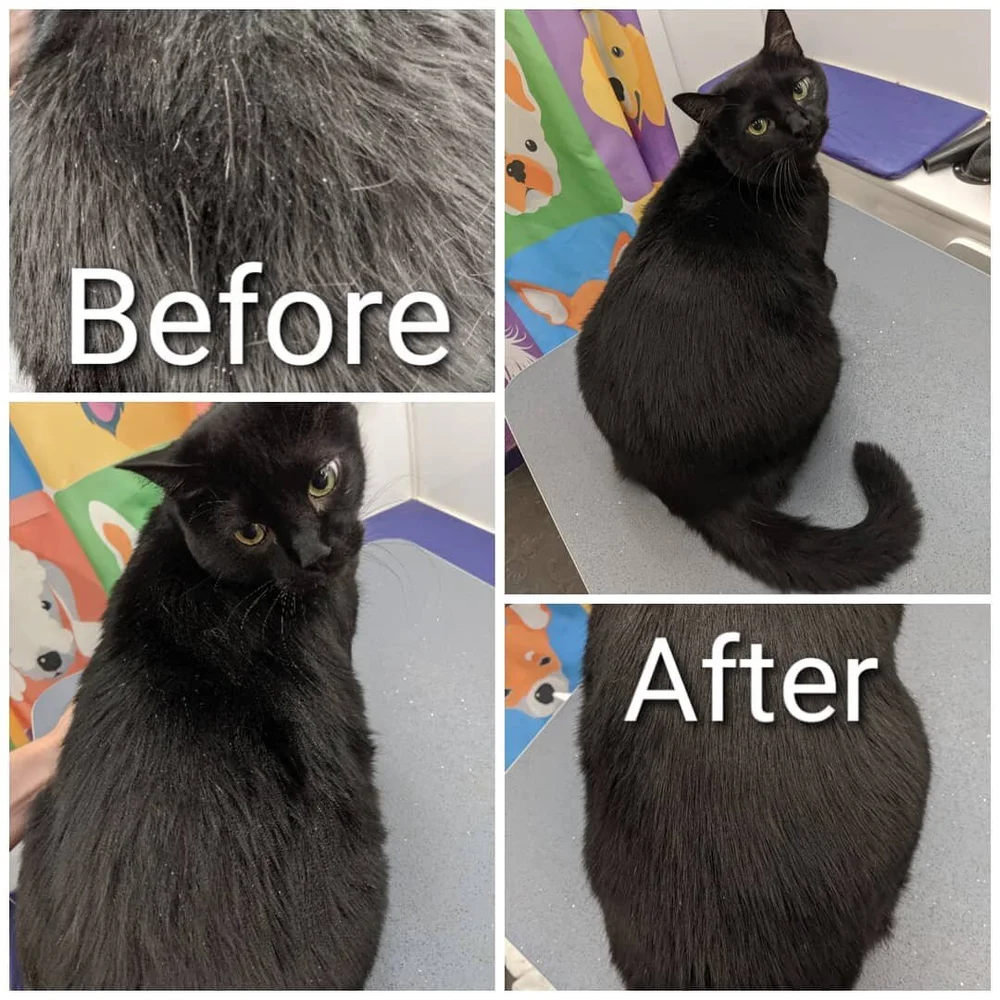
How often you brush your cat depends on their coat type. Long-haired cats need daily brushing to prevent mats and tangles. Short-haired cats usually do well with brushing 2-3 times a week.
Pay attention to your cat’s shedding patterns. You might need to increase brushing during seasonal changes when shedding spikes. Consistency is key—regular brushing prevents hairballs and keeps your cat comfortable.
Setting A Comfortable Environment
Choose a quiet, calm spot for grooming sessions. Avoid noisy or busy areas that might stress your cat. Soft lighting and a comfy surface can make a big difference in how relaxed your cat feels.
Consider playing soft music or using pheromone sprays to soothe your cat. Keep grooming tools within reach so you don’t have to interrupt the session. A peaceful environment helps your cat associate grooming with positive feelings.
Timing And Duration Tips
Pick a time when your cat is naturally calm, like after a nap or playtime. Short, frequent sessions work better than long, infrequent ones. Start with just a few minutes and gradually increase as your cat gets used to it.
Watch your cat’s body language—if they seem restless or annoyed, it’s time to pause. Ending on a positive note encourages cooperation next time. Have treats ready to reward your cat and make grooming enjoyable.
Brushing Techniques For Cats
Brushing your cat’s hair helps keep their coat clean and shiny. It also reduces shedding and hairballs. Using the right brushing techniques makes the process gentle and comfortable for your cat. Regular brushing keeps the fur healthy and free from knots.
Handling Sensitive Areas
Some parts of a cat’s body are more sensitive. Areas like the belly, tail, and under the legs need careful brushing. Use soft strokes and a gentle touch. Watch your cat’s reaction to avoid discomfort. Stop if your cat shows signs of stress or pain.
Removing Mats And Tangles
Mats and tangles can cause pain and skin problems. Use a wide-tooth comb or a mat splitter to loosen knots. Hold the fur near the mat to reduce pulling. Work slowly and patiently. Break large mats into smaller sections to make removal easier.
Promoting Healthy Hair Growth
Brushing stimulates blood flow to the skin. This helps nourish hair follicles and promotes growth. Use a brush with soft bristles to massage the skin gently. Brush in the direction of hair growth. Regular brushing also spreads natural oils, keeping the coat smooth and shiny.
Bathing Your Cat Safely
Bathing your cat can feel like a challenge, but it’s an important part of grooming for certain situations. Knowing how to bathe your cat safely protects their skin and fur, and keeps the experience less stressful for both of you. Let’s break down when bathing is necessary, what shampoos to use, and how to make the process smooth and safe.
When To Bathe Your Cat
Most cats groom themselves well, so frequent baths are usually not needed. However, you should consider bathing your cat if:
- Your cat gets into something sticky or dirty that they can’t clean off alone.
- Your cat has a skin condition that requires medicated baths recommended by a vet.
- Your cat is elderly or overweight and struggles to groom certain areas.
Ask yourself: Is your cat uncomfortable or is the dirt harmful? If the answer is yes, then a bath is justified.
Choosing Cat-friendly Shampoos
Using the right shampoo is crucial because human or dog shampoos can irritate your cat’s skin. Look for shampoos labeled specifically for cats—these are formulated to be gentle and maintain the right pH balance.
Some shampoos include natural ingredients like aloe or oatmeal to soothe the skin. Avoid products with harsh chemicals, fragrances, or dyes. If your cat has allergies or sensitive skin, consult your vet for recommendations.
Step-by-step Bathing Process
Prepare everything before you start: shampoo, a towel, a cup for rinsing, and a non-slip mat for the sink or tub. Warm water, not hot, should be used to keep your cat comfortable.
- Start by gently brushing your cat’s fur to remove loose hair and mats.
- Wet your cat slowly, avoiding the head and ears initially to prevent stress.
- Apply the shampoo and gently massage it into the fur, focusing on dirty areas.
- Rinse thoroughly using a cup or handheld sprayer, making sure no shampoo remains.
- Use a towel to dry your cat as much as possible; avoid a hairdryer unless your cat tolerates it well.
Patience is key here. Cats sense your calmness, which helps them stay relaxed during the bath. Have you noticed how your cat reacts to water? Understanding their behavior can help you adjust your approach.
Dealing With Shedding And Hairballs
Regular brushing helps reduce shedding and prevents hairballs in cats. Using a gentle comb removes loose fur before it is swallowed. Keeping your cat’s coat clean supports their health and comfort.
Cats are wonderful companions, but their shedding can be challenging. Shedding is natural, yet it can lead to hairballs. Managing these issues improves your cat’s comfort and health. Grooming and diet play key roles in controlling shedding and hairballs. With a few simple steps, you can reduce both.Reducing Shedding Through Grooming
Regular grooming reduces the amount of loose fur. Use a brush suited for your cat’s hair type. Long-haired cats need daily brushing. Short-haired cats benefit from weekly sessions. A gentle brush can help remove dead fur. This prevents it from ending up on your furniture. It also reduces the chance of hairballs forming. Grooming strengthens your bond with your cat.Preventing Hairballs
Hairballs occur when cats groom themselves. Ingested hair forms a ball in their stomach. Regular grooming helps minimize this. Offer your cat special hairball control treats. These treats aid in moving hair through their digestive system. Provide fresh water to keep them hydrated. Hydration helps in smooth digestion and reduces hairball formation.Diet And Supplements For Coat Health
A healthy diet promotes a shiny coat. Feed your cat high-quality cat food rich in omega-3. Omega-3 fatty acids support skin and coat health. Consider supplements designed for feline coat health. Always consult your vet before adding supplements. A balanced diet keeps shedding and hairballs in check. Ensure your cat’s diet meets their nutritional needs.Signs Of Grooming-related Health Issues
Grooming your cat is more than just keeping their coat shiny and tangle-free. It’s a chance to spot early signs of health problems that might otherwise go unnoticed. Noticing issues related to grooming can help you protect your cat’s well-being and avoid bigger health concerns down the road.
Skin Irritations And Allergies
Pay close attention to your cat’s skin while grooming. Look for redness, swelling, or flaky patches that could indicate irritation or an allergic reaction. Cats often scratch or lick these spots excessively, which can make the problem worse.
If you spot tiny bumps, scabs, or bald patches, don’t ignore them. These signs often point to allergies caused by food, environment, or even grooming products. Have you noticed your cat scratching more after you switch shampoos or brushes?
Parasite Detection
Grooming is a perfect opportunity to check for parasites like fleas, ticks, and mites. Fleas can be tricky to see, but flea dirt looks like tiny black specks on your cat’s fur or skin. Ticks appear as small, round bumps that remain attached to your cat’s skin.
Parasites can cause itching, hair loss, and even infections if left untreated. Regular grooming helps you catch these unwelcome guests early, saving your cat from unnecessary discomfort. Have you ever found a flea or tick during grooming and wondered how long it had been there?
When To See A Veterinarian
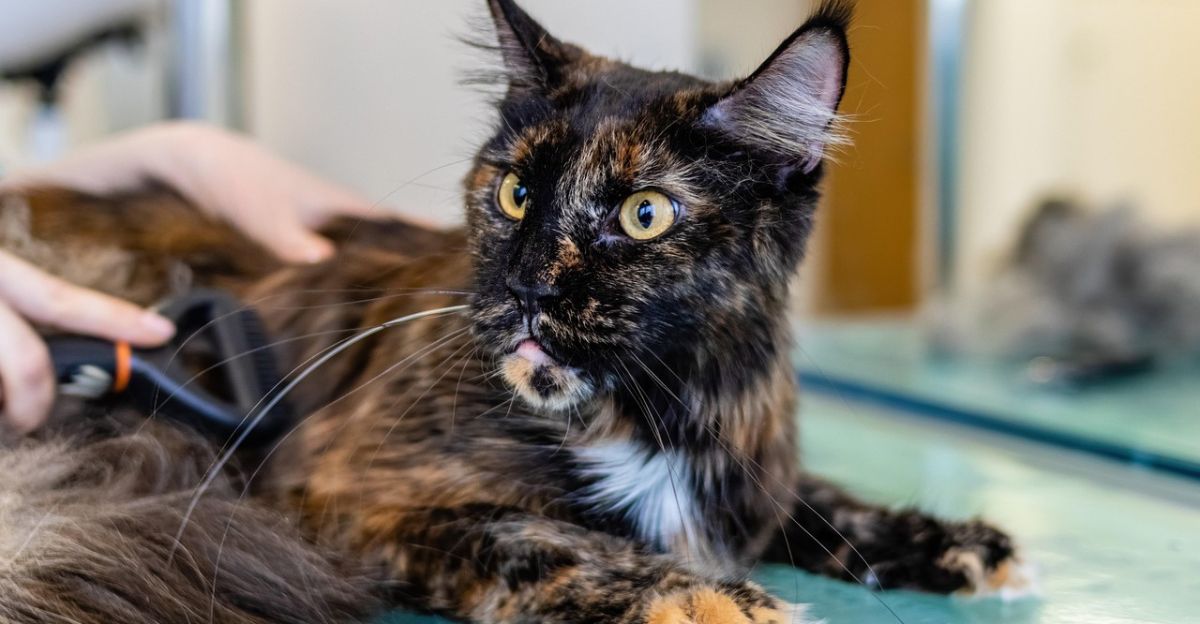
Not all grooming issues can be fixed at home. If your cat shows persistent redness, swelling, sores, or if parasites seem to multiply despite your efforts, it’s time to get professional help. Sudden changes in your cat’s coat texture or excessive shedding also warrant a vet visit.
Remember, your observations during grooming are valuable clues for the vet. Don’t hesitate to share what you noticed—it might be the key to diagnosing hidden health problems early. How confident are you in spotting signs that need a vet’s attention?
Credit: tryfurgo.com
Frequently Asked Questions
How Often Should I Groom My Cat’s Hair?
Groom your cat at least once a week to prevent mats and reduce shedding. Long-haired cats may need daily grooming. Regular grooming improves coat health and reduces hairballs.
What Tools Are Best For Grooming Cat Hair?
Use a slicker brush for long hair and a rubber grooming glove for short hair. A fine-toothed comb helps remove tangles. Choose tools based on your cat’s fur type for effective grooming.
How Can I Prevent Hairballs While Grooming?
Brushing your cat regularly removes loose hair before ingestion. Feeding hairball control diets and providing hydration also help. Regular grooming combined with these practices reduces hairball formation.
Is It Safe To Bathe A Cat During Grooming?
Bathing is safe but should be done only when necessary. Use cat-specific shampoos and lukewarm water. Avoid over-bathing as it can dry out your cat’s skin and coat.
Conclusion
Grooming your cat’s hair keeps them healthy and happy. Regular brushing reduces shedding and prevents mats. It also helps you find any skin problems early. Use the right tools and gentle strokes. Make grooming a calm and positive time together.
Your cat will enjoy the extra care and attention. A clean coat means less hair around your home. Small daily efforts bring big benefits for your pet. Keep these tips in mind and enjoy a well-groomed cat every day.




Leave a Reply