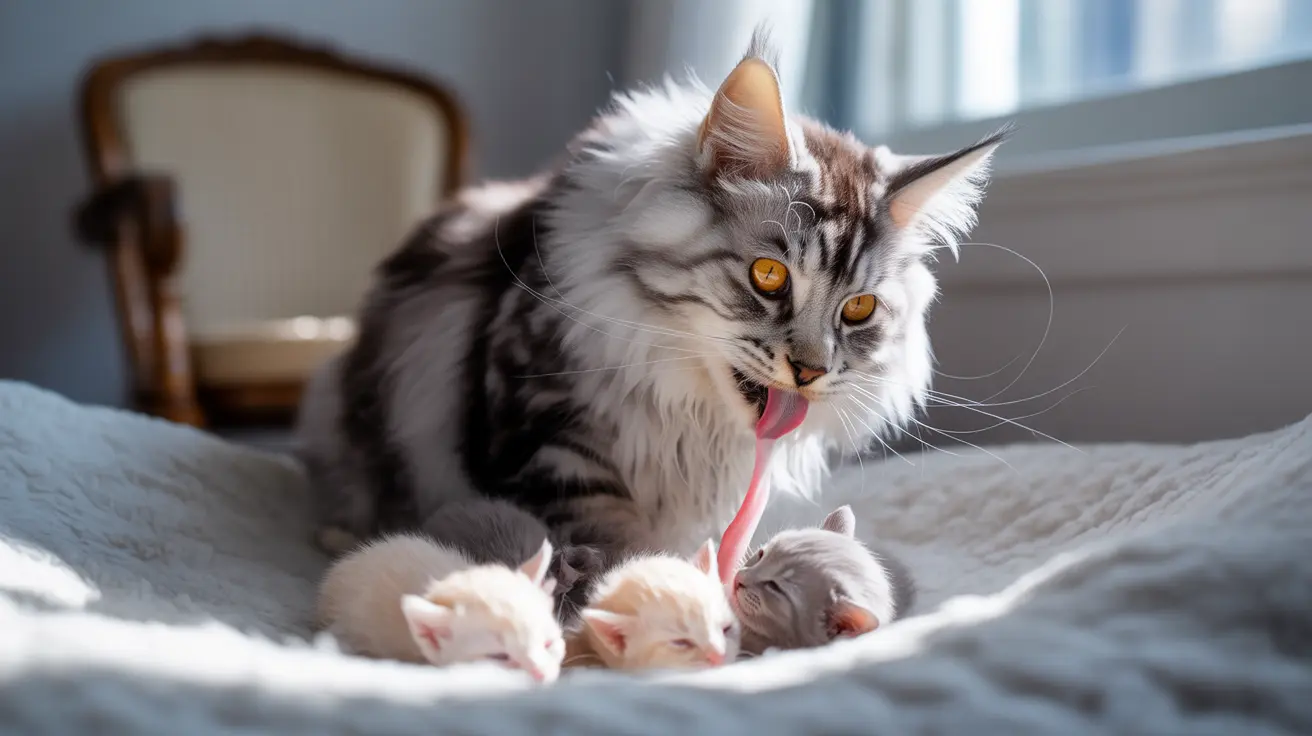
Are you noticing your cat grooming herself more than usual? You might be wondering if this behavior means something important is about to happen.
Excessive grooming can be a sign that your cat is getting ready to give birth. But how can you tell if it’s just a habit or a real signal of labor? You’ll discover the clear signs to watch for, what excessive grooming really means, and how you can prepare to support your cat through this special time.
Keep reading to learn how to spot the difference and be ready when your furry friend is ready to welcome her kittens.
Excessive Grooming Behavior
Excessive grooming in cats can be a puzzling behavior, especially when you notice it intensifying as your feline friend approaches labor. Understanding what counts as normal grooming versus signs of impending labor is crucial for any cat owner. Let’s break down what you should look for and how to interpret these behaviors.
Normal Grooming Patterns
Cats are naturally clean animals. They spend a good portion of their day licking their fur to remove dirt and loose hair. This regular grooming helps them stay comfortable and healthy.
Typically, a cat will groom herself several times a day in short sessions. The behavior is calm and consistent, without signs of stress. You might notice her focusing on certain spots like her face, paws, or belly, but it usually doesn’t interfere with her other activities.
Changes Before Labor
As your cat nears labor, her grooming habits may change noticeably. She might start licking herself more often and more intensely, especially around her belly and genital area. This behavior helps clean the area in preparation for birth.
Sometimes, the grooming becomes excessive, to the point where she seems restless or agitated. This can be a sign that labor is imminent. Have you noticed your cat suddenly spending more time cleaning herself or focusing on her lower abdomen? That’s often a clue.
If you see this shift in grooming combined with other signs like nesting or vocalizing, it’s a good idea to prepare for the arrival of kittens. Pay attention to her comfort and keep her calm. Excessive grooming isn’t just a habit—it’s a signal you shouldn’t ignore.
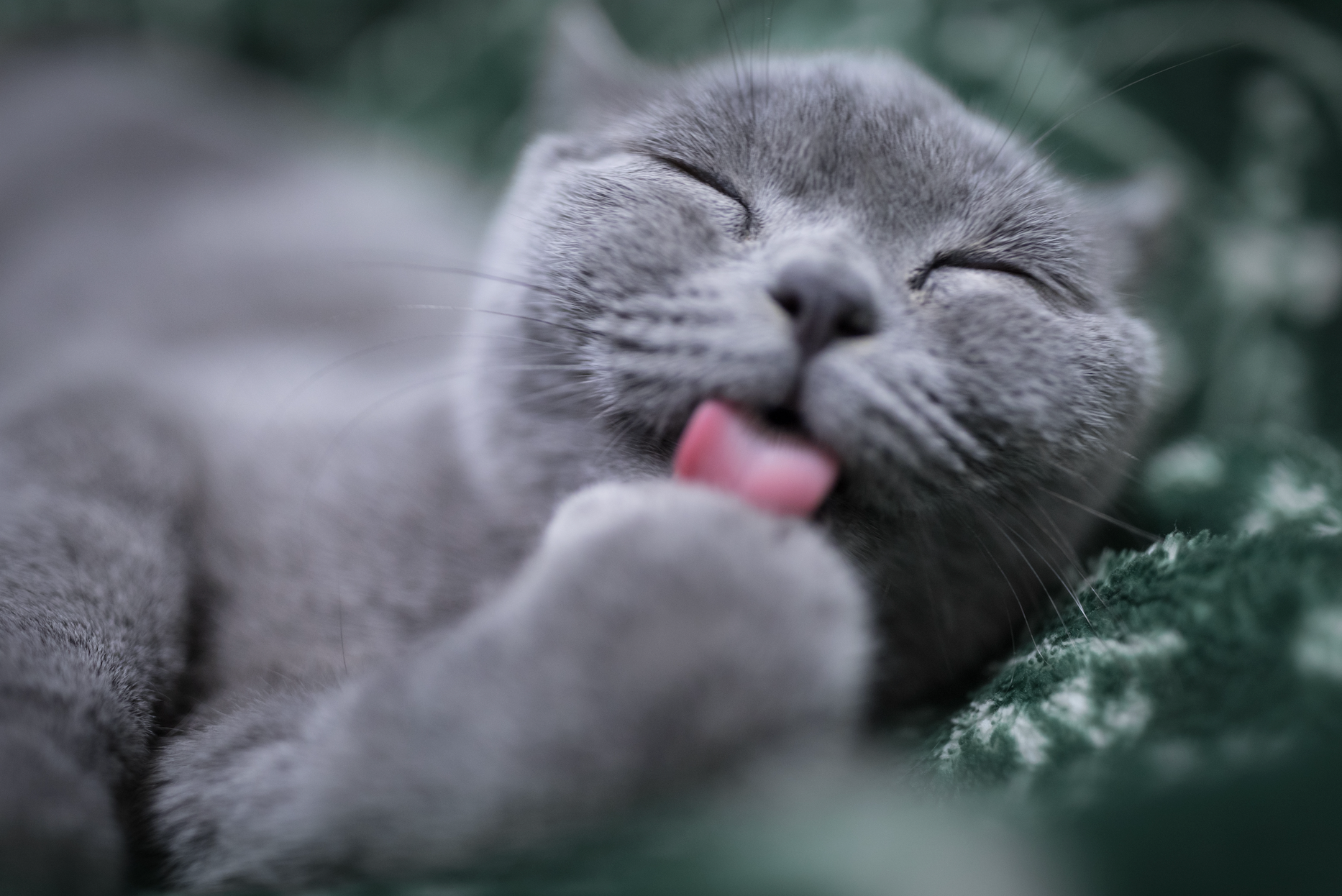
Credit: www.fullbuckethealth.com
Signs Of Imminent Labor
Signs of imminent labor in cats often show clearly as the birth nears. Recognizing these signs helps owners prepare for the arrival of kittens. Cats may show both physical symptoms and changes in their behavior. These clues indicate labor is close and help you know when to watch closely.
Physical Symptoms
- Swollen and softened nipples, ready for nursing
- Visible belly drop as kittens move lower
- Clear vaginal discharge, sometimes tinged with blood
- Restless pacing and frequent position changes
- Shivering or trembling, even without cold
- Loss of appetite a few hours before labor
Behavioral Changes
- Excessive grooming, especially around the genital area
- Seeking quiet, secluded places to nest
- Increased affection or sudden withdrawal from people
- Frequent meowing or vocalizing more than usual
- Restlessness, unable to settle down comfortably
- Sniffing and scratching at bedding or corners
Why Cats Groom Excessively
Cats groom themselves for many reasons beyond cleanliness. Excessive grooming can signal changes in their environment or body. Understanding why cats groom more helps recognize if it relates to labor or other factors. Below are common reasons cats groom excessively.
Stress And Anxiety
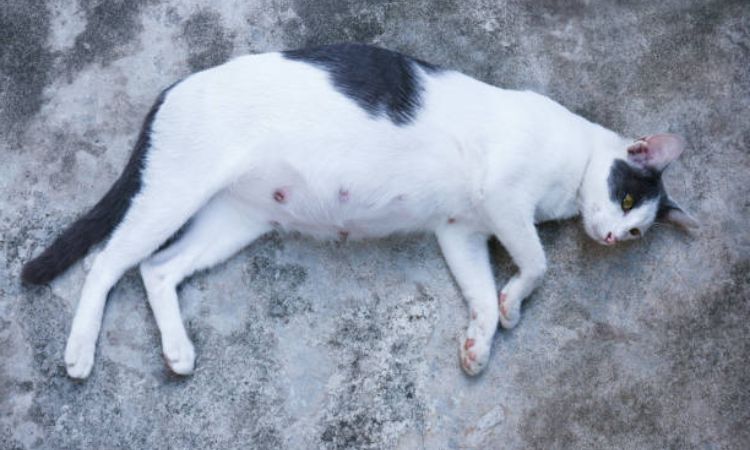
Stress makes cats lick their fur more than usual. It calms them down and reduces nervous energy. New surroundings, loud noises, or changes at home can cause stress. Pregnant cats may feel anxious as labor time nears. This anxiety often leads to more grooming as a self-soothing behavior.
Nesting Instinct
Before giving birth, cats prepare a safe, clean spot. Grooming helps them feel ready and comfortable. This behavior is part of their natural nesting instinct. They clean their bodies and the area around them. Excessive grooming shows they are getting ready to welcome kittens soon.
Credit: nexus-pets.com
When To Be Concerned
Excessive grooming in cats can be a sign of labor. It’s a natural behavior, but not always a cause for concern. Understand when to worry if your pregnant cat grooms too much. This helps ensure her health and the health of her kittens.
Excessive Grooming And Health Issues
Cats groom to stay clean. Yet, excessive grooming might signal stress or health problems. If a pregnant cat grooms more than usual, observe her closely. Look for signs of discomfort or pain. Excessive licking can lead to skin sores or hair loss. This might indicate an underlying health problem.
Pay attention if your cat grooms to the point of harming herself. This might mean something is wrong. In such cases, medical attention is necessary.
Consulting A Veterinarian
Consult a veterinarian if your cat’s grooming becomes excessive. They can determine if this behavior relates to labor or another issue. A vet will check for signs of labor or health problems. They provide guidance on what to expect and how to care for your cat.
Regular vet visits ensure your cat’s well-being. They help catch any issues early. This keeps your cat and her kittens safe and healthy.
Supporting Pregnant Cats
Supporting a pregnant cat requires more than just providing food and shelter. It means creating a space where she feels safe and calm. Paying close attention to her changing behavior can help you spot signs of labor early and reduce stress for both of you.
Creating A Comfortable Environment
Your cat needs a quiet, cozy spot to rest and prepare for her kittens. Choose a warm area away from loud noises, children, and other pets. You can add soft blankets or towels to make the space inviting and easy to clean.
Think about what your cat likes—does she prefer hiding under furniture or being out in the open? Let her choose where to nest. This shows respect for her comfort and can help reduce anxiety.
Monitoring Behavior Closely
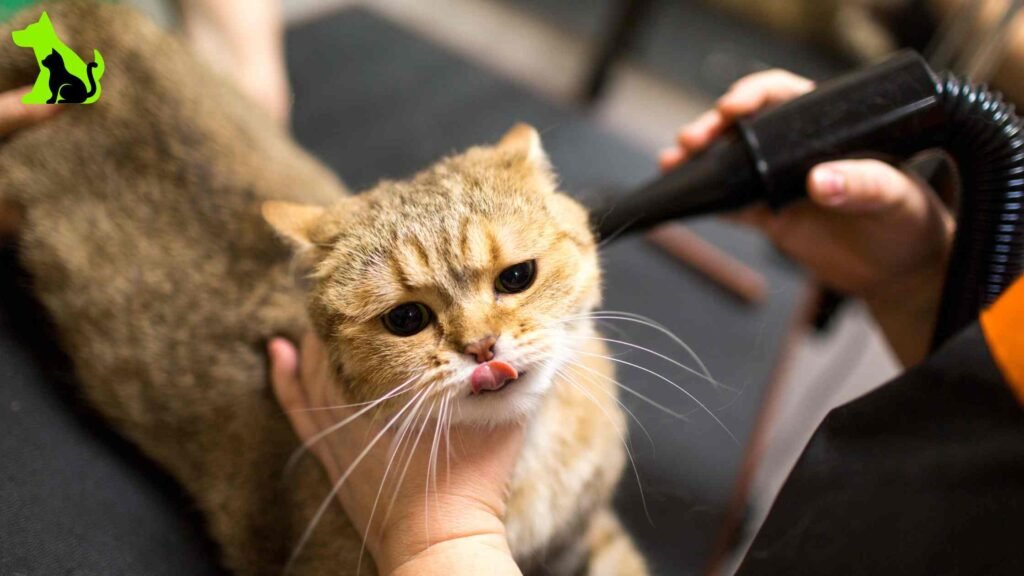
Watch your cat for any changes in grooming habits, restlessness, or vocalization. Excessive grooming, especially around the belly and genital area, can indicate she’s getting closer to labor. But don’t panic if you notice this; it’s just one sign among many.
Keep a daily log of her behavior to spot patterns or sudden changes. This helps you know when to contact a vet or prepare for delivery. Remember, your calm presence can reassure her during this sensitive time.
Credit: hellopetsinc.com
Frequently Asked Questions
Is Excessive Grooming A Common Labor Sign In Cats?
Excessive grooming can indicate approaching labor in cats. It helps them prepare and soothe themselves before delivery. However, it’s not the only sign; watch for nesting behavior and restlessness too.
How Long Before Labor Does Grooming Increase In Cats?
Cats often increase grooming a few hours to a day before labor. This behavior helps them calm nerves and get ready for birth. Timing can vary based on the individual cat.
What Other Signs Accompany Excessive Grooming Before Labor?
Other signs include nesting, pacing, vocalizing, and reduced appetite. These combined behaviors help signal that labor is near. Monitoring all signs provides better labor prediction.
Should I Be Concerned If My Cat Grooms Excessively?
Excessive grooming before labor is usually normal. However, if grooming causes skin irritation or seems obsessive, consult a vet. It’s important to ensure your cat’s comfort and health.
Conclusion
Excessive grooming can signal that a cat is near labor. Watch for other signs like restlessness or nesting. Each cat shows labor signs differently. Stay calm and prepare a quiet space for your cat. Contact a vet if you notice unusual behavior or distress.
Knowing these signs helps you support your cat better. Trust your instincts and keep observing closely. Labor can be stressful, but your care makes a difference. Stay patient and ready for your cat’s new arrival.




Leave a Reply