Have you ever noticed your cat losing interest in their favorite toy? You might wonder, do cats get tired of toys just like we do?
Understanding your cat’s play habits can help you keep them happy and active. You’ll discover why your feline friend might suddenly ignore that once-loved toy and how you can bring back the excitement. Keep reading to learn simple tips that will keep your cat entertained and your bond stronger than ever.
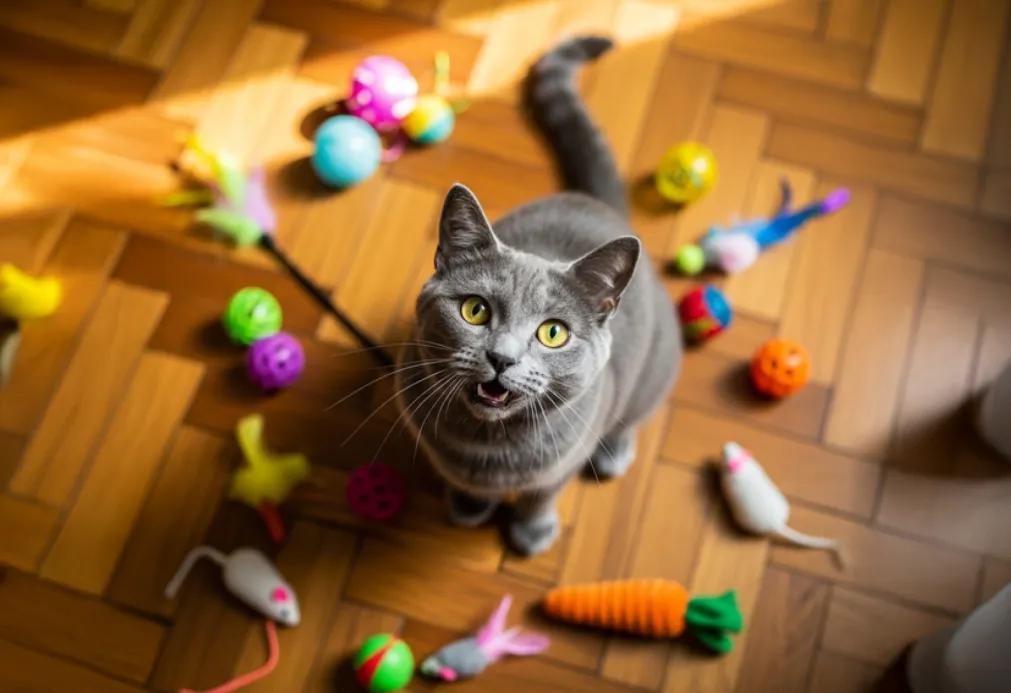
Credit: www.happypet.care
Cat Play Behavior
Cats are natural hunters, and their play behavior is deeply rooted in their instincts. Watching a cat chase a toy or pounce on a feather can be entertaining, but these actions serve a bigger purpose. Play helps cats develop and maintain their physical and mental skills, keeping them sharp and engaged.
Why Cats Play
Play mimics hunting activities, giving cats a chance to practice stalking, chasing, and capturing prey. It’s not just about exercise; it’s also a way for cats to relieve stress and avoid boredom. You might notice your cat suddenly pouncing on a toy mouse—this is their way of honing survival skills, even if they live indoors.
Have you ever wondered why your cat suddenly loses interest in a favorite toy? Sometimes, they simply need a break. Like people, cats can get tired of the same activity if it’s repetitive or not challenging enough.
Signs Of Play Fatigue
- Reduced enthusiasm:Your cat may start batting at a toy lazily or ignore it altogether.
- Shorter play sessions:They might begin playing for just a few seconds before walking away.
- Resting more often:Cats might lie down or groom themselves instead of engaging with toys.
- Disinterest in new toys:Even new objects might fail to spark their curiosity temporarily.
When you see these signs, it’s a good idea to switch up the type of toys or the way you play with your cat. Have you tried interactive play sessions that mimic real hunting, like using wand toys or hiding treats? Changing the pace and style can renew your cat’s excitement and keep playtime fun for both of you.

Credit: www.goodhousekeeping.com
Toy Preferences
Cats show clear preferences for certain toys. These preferences depend on their personality and mood. Some cats love chasing, while others prefer toys they can chew or bat around. Understanding these preferences helps keep cats engaged and happy. Toys that match their natural instincts excite them the most.
Types Of Popular Toys
- Feather wands that mimic bird movements
- Small balls for chasing and pouncing
- Catnip-filled toys that attract interest
- Laser pointers for quick, unpredictable play
- Soft stuffed toys for cuddling or carrying
- Interactive puzzle toys that challenge the mind
Each cat may prefer one type over another. Some like noisy toys, while others avoid loud sounds. Watching how a cat reacts reveals its favorite play style.
How Preferences Change Over Time
Cat toy preferences often evolve with age. Kittens enjoy fast, moving toys. Older cats might prefer slower, softer toys. Changes in energy levels affect what toys appeal most.
Repeated exposure to the same toy can reduce interest. Rotating toys keeps playtime fresh and exciting. Offering new textures or shapes can renew a cat’s enthusiasm.
Boredom And Toy Fatigue
Cats are playful creatures, but even they can grow tired of their toys. Boredom and toy fatigue happen when cats lose interest in the items they once loved. This can affect their mood and behavior. Understanding how cats get bored and the effects of boredom helps keep them happy and healthy.
How Cats Get Bored
Cats get bored when toys stay the same for too long. Repetition makes toys less exciting. Cats need new challenges to stay interested. Lack of variety in play can lead to toy fatigue. A cat’s natural hunting instincts crave movement and surprise. Static toys or predictable play fail to engage these instincts.
Effects Of Boredom On Cats
Bored cats may become lazy or restless. They might sleep more or act out. Some cats show signs of stress or anxiety. Boredom can lead to unwanted behaviors like scratching furniture or excessive meowing. Mental and physical health can decline without proper stimulation. Offering varied toys and playtime helps prevent these problems.
Refreshing Playtime
Refreshing playtime keeps cats interested and happy. Cats may lose interest in toys after a while. Changing the play routine can bring back their excitement. Using simple techniques helps maintain their curiosity and energy.
Rotating Toys
Keep a collection of toys for your cat. Offer a few toys at a time. Store the rest out of sight. Swap the toys every few days. This rotation makes old toys feel new again. Cats enjoy the surprise of different toys.
Introducing New Stimuli
New sounds, textures, and shapes catch a cat’s attention. Add toys with feathers, bells, or crinkly material. Use puzzle feeders or toys that move. These new experiences engage your cat’s senses. Variety helps prevent boredom and keeps playtime fun.
Owner’s Role In Play
Playing with cats strengthens the bond between owner and pet. It is a vital part of their daily routine. Owners must ensure their cats stay active and happy. Playtime helps in reducing stress for both. Understanding your role can lead to better interactions.
Engaging With Your Cat
Active participation makes playtime fun for your cat. Use toys that mimic prey like mice or birds. Move them in unpredictable ways. This keeps your cat interested. Rotate toys to prevent boredom. Make sure to spend time daily on play. A few minutes can make a big difference.
Understanding Your Cat’s Mood
Pay attention to your cat’s mood during play. Some days they might be more active. Other days, they might be less interested. Respect their signals. If they walk away, give them space. Understanding their mood helps in creating a better bond. It ensures playtime is enjoyable for both. Adjust your play tactics based on their energy levels.
Signs Your Cat Wants A Break
Noticing when your cat needs a break from toys is key to keeping playtime fun and stress-free. Cats can show clear signs that they’re losing interest or feeling overwhelmed. Recognizing these signs helps you avoid pushing your cat too hard and keeps their playtime enjoyable and healthy.
Behavioral Changes
One of the first clues that your cat wants a break is a shift in behavior. Your once enthusiastic player might suddenly ignore toys or walk away during playtime. You might also see your cat becoming more withdrawn or restless, which can mean they’re bored or tired.
Another sign is if your cat starts to show frustration, like swatting aggressively or vocalizing more than usual. These changes suggest your cat isn’t enjoying the toys the way they used to. Have you noticed your cat acting differently around their favorite toys lately?
When To Change Toys
Sometimes, it’s not just about needing a break but also about refreshing your cat’s interest. If your cat consistently ignores certain toys, it might be time to swap them out. Rotating toys every week or two keeps playtime exciting and prevents boredom.
Observe which toys spark the most enthusiasm and which ones gather dust. Introducing new textures, sounds, or movements can reignite your cat’s curiosity. What new toy could you add to your cat’s collection to keep their attention?

Credit: www.youtube.com
Frequently Asked Questions
Do Cats Lose Interest In Toys Quickly?
Yes, cats can lose interest in toys over time. This happens when toys become predictable or less stimulating. Rotating toys regularly keeps playtime exciting and engaging for your cat.
How Often Should I Replace Cat Toys?
Replace cat toys every few months or when they show wear. Worn-out toys lose appeal and may pose safety risks. Fresh toys help maintain your cat’s interest and encourage active play.
Can Cats Get Bored Of The Same Toy?
Cats can get bored if they play with the same toy repeatedly. Boredom reduces their motivation to play and exercise. Introducing new or varied toys helps keep their curiosity alive.
What Types Of Toys Keep Cats Entertained Longest?
Interactive toys like feather wands, laser pointers, and puzzle feeders hold cats’ attention longer. These toys stimulate hunting instincts and mental engagement. Variety and movement are key to prolonged interest.
Conclusion
Cats can lose interest in toys over time. They need new and different toys to stay excited. Rotating toys keeps playtime fresh and fun. Watching your cat’s behavior helps you know what they like. Simple toys often bring the most joy.
Playtime strengthens your bond with your cat too. Keep trying new things to find what works best. Happy cats make happy homes.




Leave a Reply