If your cat doesn’t clean itself, you might be worried about its health and comfort. Grooming is more than just keeping your pet looking good—it helps prevent skin problems, reduces shedding, and strengthens your bond.
But how do you groom a cat that resists cleaning or can’t do it on its own? You’ll discover simple, effective steps to make grooming easier and stress-free for both you and your cat. Keep reading to learn how to keep your furry friend clean, happy, and healthy.
Credit: www.latimes.com
Reasons Cats Might Not Groom
Sometimes, cats stop grooming themselves, and it can leave you wondering why your furry friend isn’t keeping up with their usual cleaning routine. Understanding the reasons behind this behavior helps you offer the right support. Your cat’s grooming habits are a window into their overall health and happiness.
Health Issues Affecting Grooming
Health problems often interfere with a cat’s ability or desire to groom. Conditions like dental pain, skin infections, or arthritis can make grooming uncomfortable or even painful. Have you noticed your cat avoiding certain spots or grooming less frequently? These signs could indicate underlying health troubles.
Parasites like fleas also discourage grooming, as the itching and discomfort can overwhelm your cat. If your cat’s coat looks dull or matted, a vet visit might be necessary to rule out medical issues.
Age And Mobility Challenges
Older cats often face stiffness and joint pain that limit their movement. Grooming requires flexibility, and if your cat struggles to reach certain areas, their coat might suffer. Imagine trying to clean yourself with a sore back—your cat feels that too.
Mobility problems can make grooming exhausting, so your cat might skip it altogether. Regular gentle brushing from you can help fill this gap and keep their coat healthy.
Behavioral Factors
Stress and anxiety can cause cats to stop grooming. Changes in environment, new pets, or loud noises may affect your cat’s mood and habits. Have you recently moved or introduced new family members? Your cat might be reacting by neglecting self-care.
Sometimes, cats with behavioral issues like depression reduce grooming. Observing your cat’s routine and offering comfort can encourage them to groom again. Patience and understanding go a long way here.

Credit: petradioshow.com
Essential Grooming Tools
Grooming a cat that doesn’t clean itself requires the right tools to make the process smooth and comfortable for both of you. Having essential grooming supplies on hand helps prevent stress and keeps your cat’s coat, nails, and skin healthy. Let’s look at the key tools you need to keep your feline friend looking and feeling great.
Choosing The Right Brush
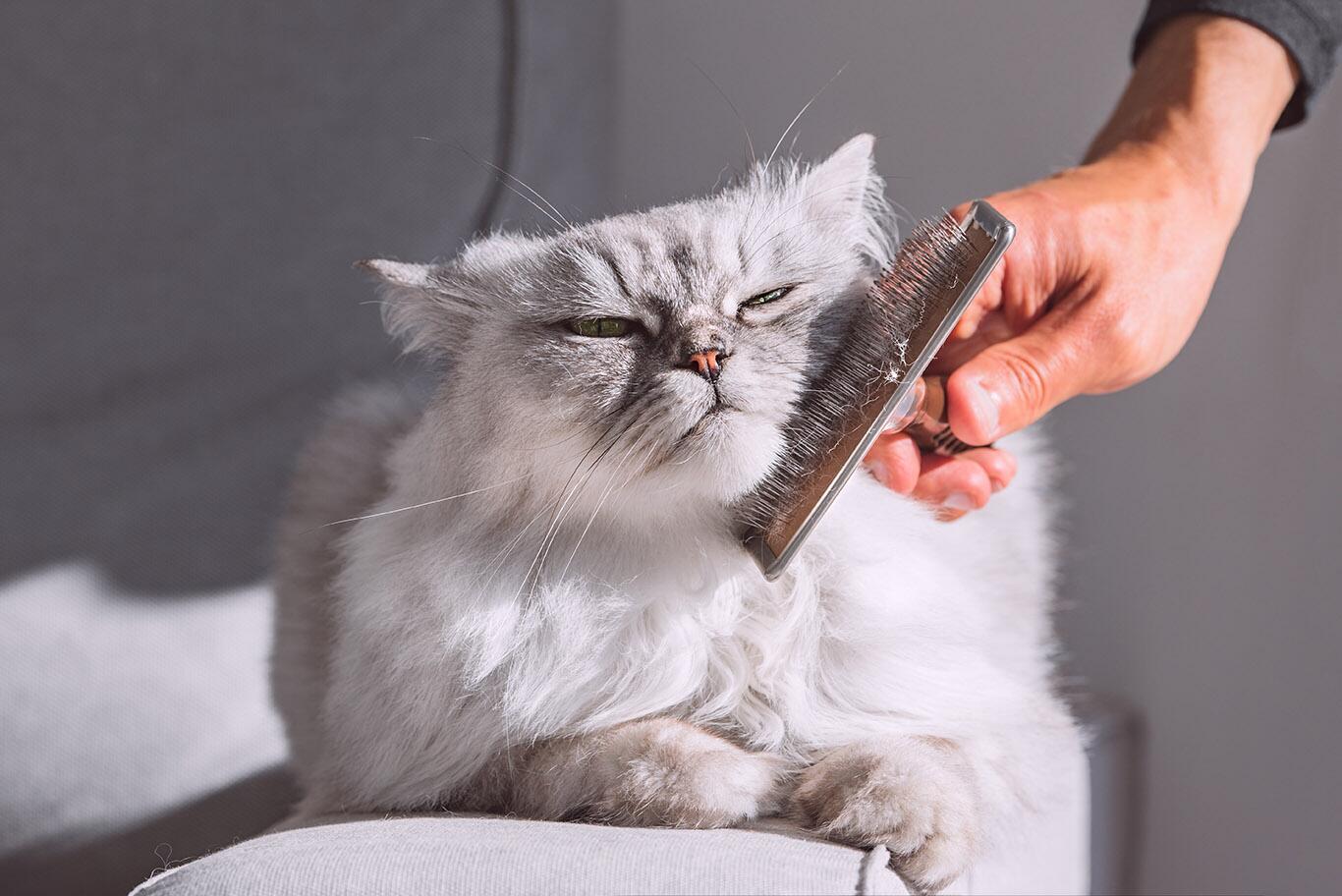
Not all brushes work well for every cat. Cats with short fur benefit from rubber brushes that remove loose hair gently, while long-haired cats need slicker brushes to detangle knots without hurting their skin.
Try different brushes to see which one your cat tolerates best. A brush that feels good to them will make grooming a bonding experience rather than a battle. Have you noticed how your cat reacts to different brush types?
Nail Clippers And Other Supplies
Trimming your cat’s nails is crucial if they don’t keep them naturally worn down. Use sharp, cat-specific nail clippers to avoid crushing the nail. Dull clippers can cause pain or splitting.
Other supplies like a soft towel for wrapping your cat, grooming gloves for sensitive skin, and a fine-toothed comb can also make grooming easier. Keep everything within reach before you start so the session flows smoothly.
Safe Cleaning Products
Some cats need occasional baths or spot cleaning. Use only cat-safe shampoos and wipes designed to protect their delicate skin and fur. Avoid human products or harsh chemicals that can cause irritation.
If your cat has skin issues, consult your vet for recommended products. Would you risk using a generic cleaner, or would you choose something proven safe to keep your cat comfortable?
Step-by-step Grooming Routine
Grooming a cat that doesn’t clean itself can feel overwhelming at first, but establishing a clear routine helps make the process smooth and even enjoyable for both of you. The key is consistency and patience. Each part of grooming serves a specific purpose in keeping your cat healthy and comfortable.
Preparing Your Cat
Start by creating a calm environment where your cat feels safe. Choose a quiet room with good lighting and minimal distractions.
Gently talk to your cat and offer treats to build trust before you begin. Have all grooming tools within reach to avoid interruptions.
Consider brushing your cat’s favorite blanket or bed first to familiarize them with the texture and sound of grooming tools.
Brushing Techniques
Use a brush suitable for your cat’s fur type—slicker brushes work well for most, while combs can help with tangles.
Begin with gentle strokes along the fur’s natural direction. Pause if your cat seems uncomfortable and try again later to avoid stress.
- Focus on areas prone to mats, like behind the ears and under the legs.
- Remove loose fur after each stroke to prevent buildup.
- Use short sessions of 5-10 minutes to keep your cat engaged.
Bathing Tips For Cats
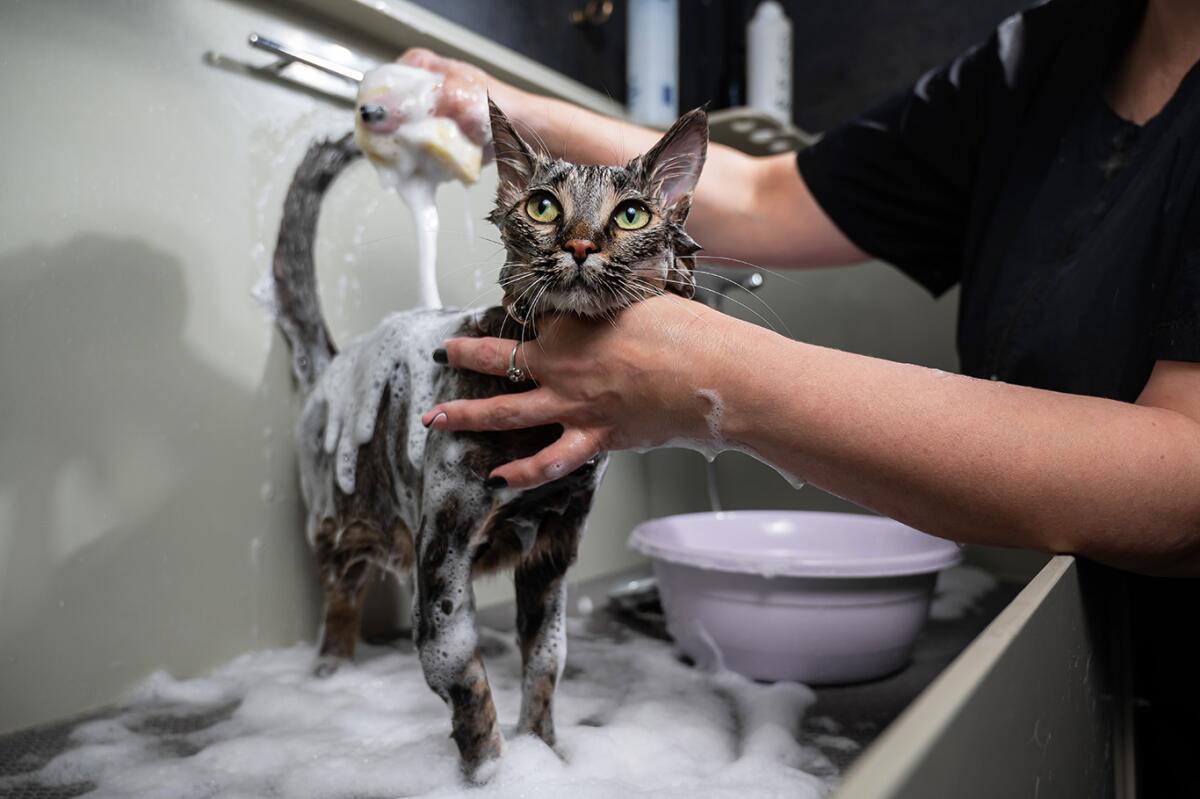
Bathing is usually a last resort but sometimes necessary. Prepare warm water and a cat-safe shampoo before starting.
Place a rubber mat in the sink or tub to prevent slipping. Speak softly to keep your cat calm throughout the process.
- Wet your cat slowly, avoiding the face.
- Apply shampoo gently and rinse thoroughly to prevent irritation.
- Wrap your cat in a towel immediately after to keep them warm.
Nail Trimming Guidelines
Choose a quiet moment when your cat is relaxed, like after a nap. Hold one paw at a time and press gently to extend the nails.
Use sharp, pet-specific clippers and trim only the clear tip of the nail to avoid hitting the quick, which can cause pain and bleeding.
Reward your cat with treats after each paw to make nail trimming a positive experience.
Making Grooming Stress-free
Grooming a cat that doesn’t clean itself can be challenging, but it doesn’t have to be a battle. Making grooming stress-free is all about setting the right tone and approach. When your cat feels safe and relaxed, grooming becomes easier and more effective for both of you.
Creating A Calm Environment
Your cat picks up on the energy around them. Before you start grooming, find a quiet spot with minimal distractions. Dim lighting and soft sounds can help your cat feel more at ease.
Try to keep grooming sessions short at first. A few minutes of calm brushing is better than a long, stressful session. You might notice your cat starts to look forward to this peaceful routine.
Using Treats And Positive Reinforcement
Use treats as a powerful tool to make grooming enjoyable. Reward your cat with small, tasty bites during and after grooming to build positive associations.
Positive reinforcement doesn’t just mean treats; gentle praise and petting work too. Have you tried pairing brushing with your cat’s favorite snack? It can turn grooming into a game they want to play.
Handling Uncooperative Cats
Some cats resist grooming no matter what, and that’s okay. If your cat is uncooperative, stay calm and don’t force the process. Forcing can increase fear and make future grooming even harder.
Break grooming into tiny steps. Brush a few hairs, then pause and reward. Over time, your cat may tolerate longer sessions. If necessary, use a towel to gently hold your cat, protecting both of you from scratches.
When To Seek Veterinary Help
Seek veterinary help if your cat shows signs of pain, swelling, or unusual behavior during grooming. Persistent dirt, mats, or skin issues also need professional care. Early attention prevents infections and keeps your cat healthy.
When you notice your cat isn’t grooming itself, it can be a cause for concern. While occasional lapses in grooming might be normal, a persistent lack of self-care could indicate underlying health issues. Knowing when to seek veterinary help is crucial to ensure your feline friend remains healthy and happy.Identifying Grooming-related Health Issues
Cats are generally meticulous groomers, so a sudden change in behavior should raise a red flag. Look for signs such as matted fur, dandruff, or an unpleasant odor. These can be indicators of skin infections, allergies, or even arthritis, which makes grooming painful. Pay attention to your cat’s energy levels and appetite. A decrease might signal that something isn’t right. If your cat seems lethargic or disinterested in food, it might be time to consult your vet. Regular check-ups can also help in identifying issues early. Your vet can provide insights into whether your cat’s grooming habits are within the normal range or if there’s a potential problem.Professional Grooming Services
Sometimes, professional help can make a world of difference. Groomers are trained to handle cats that resist or struggle with grooming. They can provide a thorough cleaning, trim nails, and even check for fleas or ticks. Consider using professional grooming services if your cat has long hair or tends to get matted. Groomers have tools and techniques that are often more effective than what you can manage at home. A professional groomer can also give you tips on maintaining your cat’s coat between visits. This can be especially helpful if your cat is older or has health issues that make self-grooming difficult. Could your cat benefit from a grooming session? If you’re unsure, it might be worthwhile to book a consultation and see how a professional can help maintain your cat’s cleanliness and comfort.
Credit: www.latimes.com
Frequently Asked Questions
Why Does My Cat Not Groom Itself Properly?
Some cats avoid grooming due to illness, obesity, or stress. Older cats may lack flexibility. Regular vet checks help identify causes and ensure proper care.
How Often Should I Groom A Cat That Doesn’t Clean Itself?
Groom cats unable to clean themselves at least twice a week. Frequent brushing removes dirt, reduces mats, and promotes healthy skin and coat.
What Tools Are Best For Grooming A Non-grooming Cat?
Use a soft-bristle brush, wide-tooth comb, and grooming wipes. These tools gently remove dirt and tangles without hurting your cat’s sensitive skin.
Can Grooming Help Prevent Health Issues In Cats?
Yes, grooming prevents mats, skin infections, and parasites. It also improves blood circulation and strengthens your bond with your cat through gentle touch.
Conclusion
Grooming a cat that does not clean itself takes patience and care. Use gentle brushes and keep sessions short. Regular grooming helps keep your cat healthy and happy. Watch for any skin problems or mats. Make grooming a calm and positive time.
Your cat will soon enjoy the routine. Healthy fur means a happy pet. Keep up with grooming to build trust and comfort. Small efforts make a big difference in your cat’s life.




Leave a Reply