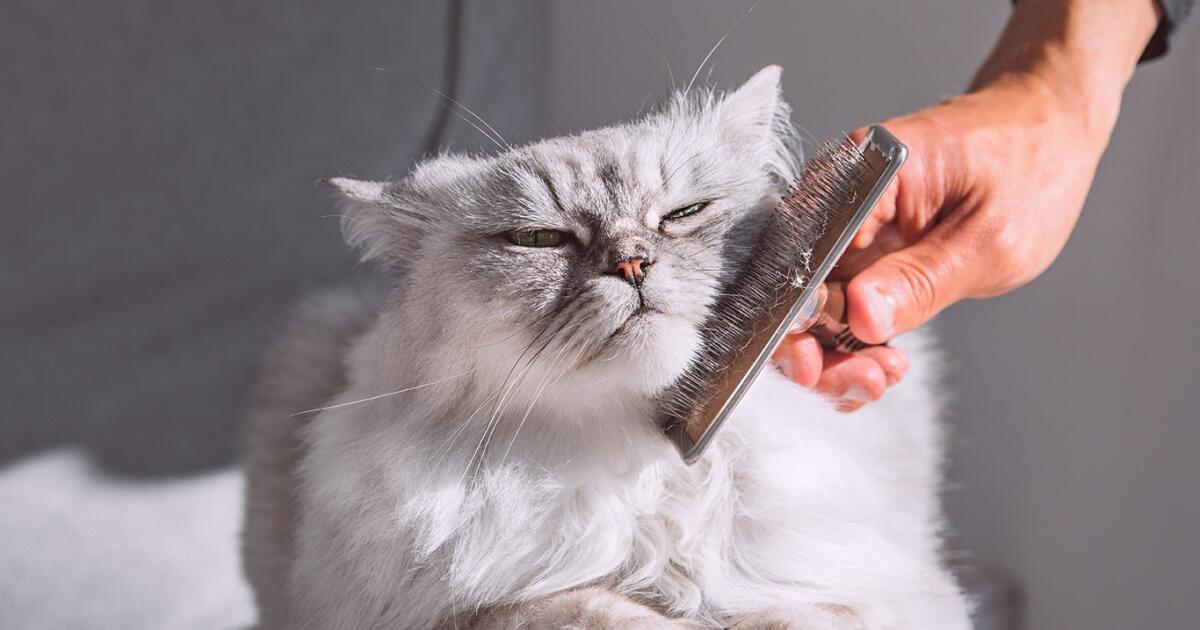
If you have a long-haired cat, you know how quickly their beautiful fur can become tangled and messy. Grooming your fluffy friend might seem like a big task, but it doesn’t have to be hard or stressful—for you or your cat.
By learning a few simple techniques, you can keep your cat’s coat shiny, healthy, and free of mats. Imagine how much more comfortable your cat will feel, and how much closer your bond will grow, just by spending a little time grooming the right way.
Ready to discover the secrets to easy and effective long-haired cat grooming? Keep reading—your cat will thank you!
Choosing The Right Tools
Choosing the right tools makes grooming easier for both you and your long-haired cat. Proper tools reduce pulling and discomfort. They help keep your cat’s coat shiny and tangle-free. Using good tools also speeds up the grooming process.
Best Brushes For Long Hair
- Slicker Brush:Removes loose hair and mats gently.
- Wide-tooth Comb:Detangles without hurting the skin.
- Pin Brush:Smooths the coat and distributes natural oils.
- Mat Splitter:Breaks up tough knots carefully.
Choose brushes with soft, rounded tips. This protects your cat’s sensitive skin. Regular brushing prevents hairballs and matting.
Essential Grooming Accessories
- Grooming Gloves:Great for removing loose hair and gentle massages.
- Detangling Spray:Makes combing easier and reduces pulling.
- Styptic Powder:Stops bleeding from small cuts.
- Soft Towels:For cleaning and drying after grooming.
Keep all accessories clean and ready. This creates a calm grooming routine.
How To Use Clippers And Scissors Safely
- Use clippers designed for pets with quiet motors.
- Keep blades sharp to avoid pulling hair.
- Hold scissors with a firm grip and cut small sections.
- Trim around sensitive areas gently and slowly.
- Never rush. Pause if your cat gets nervous.
Always check your cat’s skin before cutting. Stop if you see redness or irritation.

Credit: catit.ca
Preparing Your Cat For Grooming
Preparing your long-haired cat for grooming sets the stage for a smooth experience. Cats with long fur need gentle care before brushing to avoid stress. Taking time to prepare helps your cat feel safe and relaxed. This makes grooming easier and more enjoyable for both of you.
Creating A Calm Environment
Choose a quiet room with few distractions. Soft lighting helps your cat feel at ease. Keep the temperature comfortable—not too hot or cold. Remove loud noises like vacuum cleaners or music. A calm space helps your cat stay relaxed during grooming.
Getting Your Cat Comfortable
Spend a few minutes petting your cat before grooming. Use slow, gentle strokes to build trust. Speak in a soft and soothing voice. Let your cat sniff the grooming tools first. This reduces fear and builds confidence.
Handling Nervous Or Aggressive Cats
Watch your cat’s body language closely. If your cat shows signs of stress, pause and give breaks. Use treats to reward calm behavior. Wrap your cat in a soft towel to prevent scratches. Seek help from a professional groomer if needed.
Step-by-step Grooming Process
Grooming a long-haired cat can feel like a big task, but breaking it down into simple steps makes it manageable and even enjoyable for both you and your feline friend. A regular grooming routine keeps your cat’s coat healthy, shiny, and free from painful mats. Let’s dive into practical ways to brush, detangle, and bathe your long-haired cat effectively.
Brushing Techniques To Prevent Mats
Start by choosing the right brush, such as a slicker brush or a wide-toothed comb designed for long fur. Brush gently in the direction of hair growth to avoid pulling on your cat’s skin.
Focus on problem areas like behind the ears, under the legs, and around the neck, where mats often form first. Make brushing a daily habit if possible; short, frequent sessions work better than long, infrequent ones.
Have you noticed your cat enjoying the brushing more when you use slow, gentle strokes? That’s because it feels soothing rather than stressful. This small change can turn grooming into bonding time.
Detangling Knots Without Pain
If you find a knot, don’t yank or pull it out. Instead, hold the base of the fur close to the skin to reduce tension, then carefully work through the tangle using your fingers or a detangling comb.
Spray a little pet-safe detangler or conditioner to loosen stubborn knots. Patience is key here—rushing can hurt your cat and damage the coat.
Think about how you’d handle a knot in your own hair—would you pull it out quickly or gently work through it? Your cat feels the same way, so gentle handling makes all the difference.
Bathing Tips For Long-haired Cats
Bathing a long-haired cat doesn’t have to be a nightmare. Use lukewarm water and a shampoo formulated specifically for cats to avoid skin irritation.
Before the bath, brush your cat thoroughly to remove loose fur and prevent mats from tightening when wet. Keep bath time short and calm, speaking softly to soothe your cat.
After the bath, wrap your cat in a soft towel and gently pat dry. If your cat tolerates it, use a low-heat hairdryer on a quiet setting to speed up drying and prevent fur from clumping.
Maintaining A Healthy Coat
Maintaining a healthy coat is essential for long-haired cats to stay comfortable and look their best. A shiny, well-groomed fur not only enhances your cat’s appearance but also reflects its overall health. You can support this by paying attention to diet, grooming routines, and monitoring any skin or coat issues early on.
Diet And Nutrition For Shiny Fur
Your cat’s diet plays a big role in how their fur looks and feels. Foods rich in omega-3 and omega-6 fatty acids help keep the coat glossy and soft. Look for high-quality cat food with ingredients like fish oil, chicken fat, or flaxseed oil.
Adding supplements like fish oil capsules, after consulting your vet, can also boost coat health. Have you noticed your cat’s fur becoming dull or brittle? That’s often a sign they need better nutrition or hydration.
Regular Grooming Schedule
Consistent grooming prevents mats and tangles that can irritate your cat’s skin. Brush your long-haired cat at least every other day to remove loose fur and distribute natural oils. This also reduces hairballs and keeps your home cleaner.
Using the right tools, like a wide-toothed comb followed by a slicker brush, makes grooming easier and more effective. Have you tried brushing your cat in a calm, quiet spot? It can turn grooming into a bonding moment rather than a struggle.
Recognizing Skin And Coat Problems
Knowing the signs of skin and coat problems helps you catch issues early. Watch for redness, excessive scratching, bald patches, or flaky skin. These symptoms may indicate allergies, parasites, or infections.
If your cat’s coat suddenly looks dull or they start losing more hair than usual, don’t ignore it. A quick visit to the vet can prevent minor problems from turning serious. How often do you check your cat’s skin during grooming?
Special Grooming Considerations
Long-haired cats need regular brushing to prevent mats and tangles. Use a wide-tooth comb gently to avoid hurting their skin. Pay extra attention to areas like behind the ears and under the legs where knots form easily.
Grooming a cat with long hair is not just about keeping them looking their best. It’s about making sure they’re comfortable and healthy, too. Long-haired cats can be prone to tangles, mats, and even skin problems if not groomed properly. Understanding the special grooming considerations for your fluffy companion can make all the difference in maintaining their well-being.Seasonal Grooming Adjustments
Cats, much like people, have different grooming needs depending on the season. In warmer months, your long-haired cat may shed more, requiring more frequent brushing to manage loose hair and prevent mats. During colder months, their coat thickens, which can trap dirt and lead to tangles. Regular grooming sessions help maintain a clean and comfortable coat year-round. Consider using a slicker brush in summer to help with shedding and a wide-tooth comb in winter to gently work through denser fur.Grooming Older Or Ill Cats
Older or ill cats may find grooming sessions more challenging. Their reduced energy levels or mobility issues can make them more prone to mats and skin issues. Be patient and gentle, taking extra care to be soothing during grooming. You might need to break grooming sessions into shorter, more manageable periods. Additionally, ensure the grooming process is comfortable—perhaps using a soft brush for sensitive areas or a quiet environment to reduce stress.When To Seek Professional Help
Sometimes, despite your best efforts, grooming might become too challenging or stressful for you and your cat. If your cat has severe mats, or if grooming becomes too stressful for your pet, it’s wise to seek professional help. Professional groomers have the tools and expertise to handle tough tangles and can make grooming a more pleasant experience for both you and your cat. Have you ever considered that professional groomers can also offer tips on maintaining your cat’s coat at home? Their insights can save you time and frustration, ensuring your cat looks and feels their best.
Credit: catit.ca

Credit: catit.ca
Frequently Asked Questions
How Often Should I Groom A Long-haired Cat?
Long-haired cats need grooming at least 3-4 times a week. Regular brushing prevents mats and reduces shedding. Consistent grooming keeps their coat healthy and shiny.
What Tools Are Best For Grooming Long-haired Cats?
Use a slicker brush, wide-tooth comb, and grooming scissors. These tools effectively detangle fur and remove loose hair. Proper tools make grooming safe and comfortable for your cat.
How To Prevent Mats In A Long-haired Cat’s Fur?
Brush your cat daily, focusing on problem areas like behind ears and under legs. Regular grooming stops mats from forming. Use detangling sprays if necessary to ease brushing.
Can Grooming Reduce Shedding In Long-haired Cats?
Yes, regular grooming removes loose fur before shedding. This reduces hair around your home and keeps your cat comfortable. Brushing also stimulates skin oils for a healthy coat.
Conclusion
Grooming a long-haired cat takes patience and care. Regular brushing keeps their fur soft and clean. It also helps prevent mats and hairballs. Using the right tools makes grooming easier. Stay calm and gentle to keep your cat happy. This routine builds trust and strengthens your bond.
Healthy fur means a happy cat. Keep grooming simple, and enjoy the time together.


Leave a Reply