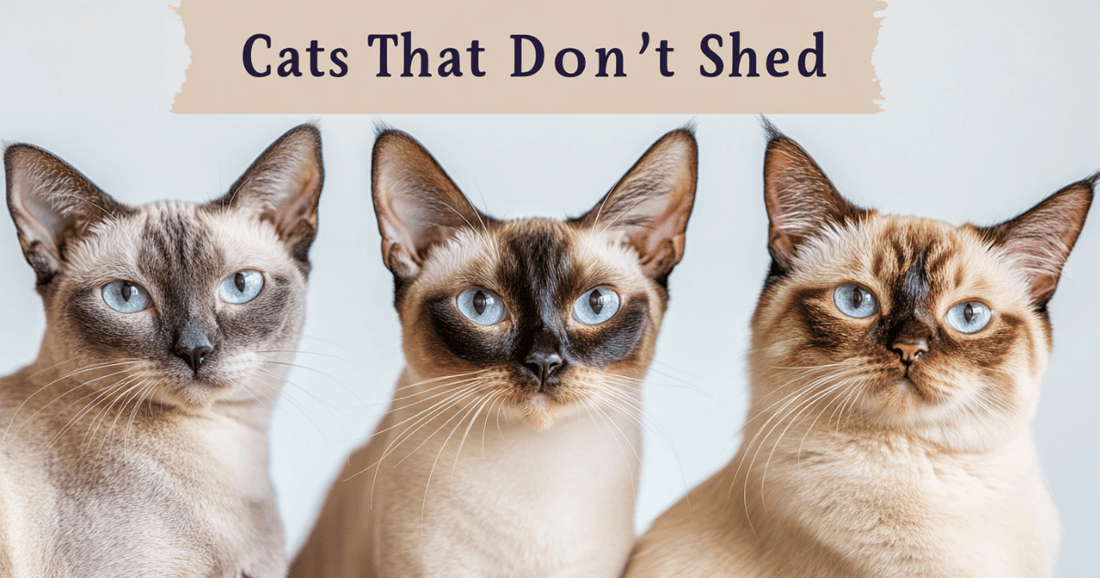
Are you tired of constantly cleaning up cat hair from your clothes, furniture, and floors? If so, you’re not alone.
Shedding can be one of the biggest challenges of having a cat, especially if you or someone in your home has allergies. But what if you could enjoy the warmth and companionship of a feline friend without the endless fur?
Knowing which breeds shed the least can make a huge difference in your daily life. Keep reading to discover the top low-shedding cat breeds that might be the perfect match for you and your home.

Credit: www.youtube.com
Why Shedding Varies Among Cats
Shedding is a natural process for cats, but the amount varies widely. Some cats lose a lot of fur, while others shed very little. Understanding why shedding varies helps in choosing a cat breed that fits your lifestyle. Several factors affect how much a cat sheds, including genetics, health, and environment.
Factors Influencing Shedding
Genetics play a big role in shedding. Some breeds have short, fine hair that falls out less often. Others have thick, double coats that shed a lot. Health also matters. Cats with skin conditions or allergies may shed more. Diet influences fur quality and shedding too. A poor diet can cause more hair loss. Stress and changes in environment can increase shedding temporarily.
Seasonal Shedding Patterns
Cats shed more during certain times of the year. Most cats lose extra fur in spring and fall. This helps them adjust to temperature changes. In spring, they shed heavy winter coats. In fall, they grow thicker fur for winter. Indoor cats may shed less because of constant indoor temperatures. Light exposure also affects shedding cycles.

Credit: www.youtube.com
Benefits Of Low-shedding Cats
Low-shedding cats offer many advantages for pet owners. These cats lose less fur, making life cleaner and easier. Choosing a breed that sheds less helps keep homes tidy and reduces allergens. These benefits make low-shedding cats a smart choice for many families.
Allergy-friendly Pets
Low-shedding cats produce fewer allergens in the home. Less fur means fewer allergens spread in the air and on surfaces. This can ease symptoms for people with mild cat allergies. Some breeds are known for being better suited for allergy sufferers. These cats create a more comfortable living space for sensitive individuals.
Easier Home Maintenance
Homes with low-shedding cats stay cleaner longer. Less cat hair on furniture, carpets, and clothes means less cleaning. Vacuuming and dusting require less time and effort. This helps keep the house looking neat and fresh. Low-shedding cats reduce pet hair buildup on personal belongings too.
Top Low-shedding Cat Breeds
Many cat lovers prefer breeds that shed less to keep their homes cleaner. Low-shedding cats reduce allergens and require less grooming. These breeds still offer charm and personality without the extra fur everywhere. Consider these top low-shedding cat breeds for a cleaner, friendlier pet experience.
Sphynx
The Sphynx is famous for its nearly hairless body. Its skin feels warm and soft, but it sheds almost no fur. This breed needs regular bathing to remove oils from its skin. Sphynx cats are friendly and love attention.
Russian Blue
Russian Blues have short, dense coats with fine fur. They shed very little compared to other cats. Their blue-gray color and green eyes make them striking pets. They enjoy quiet environments and gentle play.
Bengal
Bengals have sleek, short coats that shed minimally. Their fur is soft with beautiful spots or marbled patterns. Bengals are active and playful, needing mental and physical stimulation. They adapt well to families and busy homes.
Siberian
Siberians have thick, triple-layered coats but still shed less than many breeds. Their fur repels water and dirt naturally. Siberians are affectionate and good with children and other pets. Grooming once a week helps control shedding.
Balinese
Balinese cats have long, silky fur but shed very little. Their coat feels soft and smooth without heavy shedding. These cats are social and enjoy interaction with people. Regular brushing helps keep their coat healthy.

Credit: shamelesspets.com
Care Tips For Low-shedding Cats
Taking care of low-shedding cats helps keep your home cleaner. It also supports your cat’s comfort and health. Proper care reduces loose hair and skin problems. Some simple habits make a big difference in shedding control.
Focus on regular grooming and good nutrition. These help your cat maintain a healthy coat and skin. Healthy cats shed less and feel better every day.
Grooming Practices
Brush your cat regularly using a soft brush or comb. This removes loose fur and prevents hairballs. Grooming also helps spread natural oils for a shiny coat.
Pay attention to sensitive areas like under the chin and belly. Use gentle strokes to avoid irritating the skin. Bathing is rarely needed but can help in some cases.
- Brush at least twice a week for short-haired cats.
- Brush daily for longer-haired low-shedding breeds.
- Check for mats or tangles and remove them carefully.
- Trim nails to prevent scratching and skin damage.
Diet And Health
Feed your cat a balanced diet rich in omega-3 and omega-6 fatty acids. These nutrients support healthy skin and reduce shedding. Choose high-quality cat food with real meat as the first ingredient.
Keep your cat hydrated by providing fresh water every day. Dehydration can lead to dry skin and more hair loss. Regular vet visits help catch health issues early.
- Include supplements like fish oil after vet approval.
- Avoid foods with fillers and artificial additives.
- Monitor for allergies or food sensitivities affecting the skin.
- Maintain a weight healthy for your cat’s breed and age.
Choosing The Right Low-shedding Cat For You
Choosing the right low-shedding cat involves understanding various factors. Each cat breed has unique traits that may or may not suit your lifestyle. It’s essential to consider both personality and living environment. This ensures you find a feline friend that matches your needs.
Personality And Activity Levels
Different cat breeds exhibit distinct personalities and activity levels. Some cats are playful and require lots of interaction. Others prefer a more laid-back lifestyle. For those who enjoy active pets, breeds like the Bengal or Siamese may be ideal. They love to play and explore. If you prefer a calmer companion, consider breeds like the British Shorthair or Russian Blue. They are more relaxed and enjoy lounging around the house.
Living Environment Considerations
Think about your home environment when selecting a cat. Space plays a crucial role in a cat’s comfort. Larger breeds or more active cats may need more room to roam. Apartments or smaller homes might suit breeds that are less active and more content with limited space. Also, consider the presence of other pets or children. Some breeds are more sociable and tolerate busy households better. Breeds like the Ragdoll or Scottish Fold are known for their adaptability and gentle nature, making them great for families.
Frequently Asked Questions
Which Cat Breeds Shed The Least Hair?
Breeds like the Sphynx, Siamese, and Russian Blue shed the least. They have minimal fur or short coats, reducing shedding significantly.
Are Hypoallergenic Cats Low-shedding Breeds?
Yes, hypoallergenic cats like Balinese and Devon Rex shed less. Their fur produces fewer allergens, making them suitable for allergy sufferers.
How Often Should Low-shedding Cats Be Groomed?
Low-shedding cats need regular grooming once or twice weekly. This helps reduce loose hair and maintain a healthy coat.
Do Short-haired Cats Shed Less Than Long-haired Cats?
Generally, short-haired cats shed less than long-haired ones. Their fur is easier to manage and less likely to cause excessive shedding.
Conclusion
Choosing a cat breed that sheds less helps keep your home cleaner. Cats like the Sphynx, Russian Blue, and Siamese shed very little. These breeds need less grooming and cause fewer allergies. Remember, every cat is different, so some shedding is normal.
Enjoy the company of a low-shedding cat for a happier, tidier life. Your perfect pet could be one of these gentle, low-shedding breeds.




Leave a Reply